Tag: Florida Travel Guide

  • Orlando, Florida: Where the Magic Meets the Green

    Orlando, Florida: Where the Magic Meets the Green

    There is a reason Orlando, Florida welcomes more than 75 million visitors every year, making it one of the most visited cities on the entire planet. Nestled in the heart of Central Florida, Orlando has transformed itself over the past half-century from a quiet citrus-farming town into the undisputed entertainment capital of the world. The name alone conjures images of fairy-tale castles, roaring roller coasters, waving wizards, and the infectious laughter of children experiencing magic for the very first time.

    But Orlando is far more than theme parks. It is a city of stunning natural beauty, world-class dining, vibrant arts and culture, championship golf, luxury spas, and a nightlife scene that rivals any major American city. It sits amid a landscape of more than a thousand freshwater lakes, surrounded by subtropical wilderness teeming with wildlife. It has grown into a genuine metropolitan area of nearly 3 million people, with sophisticated neighborhoods, a thriving tech and innovation sector, and a culinary scene that has earned national attention.

    Whether you are bringing your family for a first encounter with Mickey Mouse, planning a romantic escape, attending a convention at the Orange County Convention Center — one of the largest in the nation — or simply seeking sun, warmth, and adventure, Orlando has something extraordinary waiting for you.
    This guide will walk you through everything you need to know to plan the perfect Orlando trip.

    GETTING THERE
    Orlando is one of the best-connected cities in the United States for air travel. Orlando International Airport (MCO) is consistently ranked among the busiest airports in the country, serving over 50 million passengers a year. Located just south of downtown Orlando, it offers direct flights from hundreds of domestic cities and dozens of international destinations, with major carriers including American, Delta, Southwest, United, and Spirit, as well as international airlines connecting Orlando to the United Kingdom, Canada, Latin America, and beyond.

    The airport itself is a destination-worthy facility, recently expanded with a stunning new Terminal C that features shops, restaurants, and art installations. Ground transportation from MCO is plentiful — Uber, Lyft, and taxis are immediately available outside baggage claim, while the major theme park resorts offer their own shuttle services for guests. Disney’s Magical Express, though it ended its complimentary service in recent years, has been replaced by third-party and paid shuttle options. The SunRail commuter train connects to the broader Orlando area, though most visitors opt for car rentals or rideshares for flexibility.

    Orlando Sanford International Airport (SFB), located about 30 miles north of the city, is a smaller alternative used primarily by budget carriers like Allegiant Air and some international charter flights. It offers a quieter, less congested arrival experience, though it requires more planning for onward transportation.

    By car, Orlando sits at the confluence of several major interstate highways. Interstate 4 runs diagonally through the heart of the city, connecting Tampa to the west with Daytona Beach to the east. The Florida Turnpike connects Orlando to Miami in the south and to the I-75 corridor to the north. Driving in Orlando is a way of life for locals, and having a car gives visitors maximum flexibility, especially when navigating between the various resort areas spread across the region.

    Amtrak serves Orlando with its Silver Star and Silver Meteor routes connecting the city to New York, Washington D.C., and Miami, though journey times are long. Brightline, Florida’s private intercity rail service, has announced plans to extend its Miami-to-Orlando route to Orlando International Airport, which will represent a significant improvement in regional connectivity.

    GETTING AROUND
    Orlando is a sprawling, car-dependent metropolitan area, and most visitors find that renting a car provides the most freedom and convenience. All major car rental companies operate out of Orlando International Airport, and the Rental Car Center connected to the airport terminals makes the process smooth. Gas prices in Florida are generally among the lower ones in the United States.

    That said, within the major resort corridors, getting around without a car is entirely possible. The Walt Disney World Resort operates one of the most extensive private transportation systems in the world — a fleet of buses, the iconic monorail, Disney Skyliner gondolas, and water taxis connect all Disney hotels, theme parks, and the Disney Springs shopping district completely free of charge for resort guests.

    Universal Orlando Resort offers complimentary water taxi service between its on-site hotels and easy walking access to its theme parks. SeaWorld and other attractions on International Drive are served by the I-Ride Trolley, an inexpensive and convenient bus service that runs the length of the International Drive entertainment corridor.
    Ride-sharing through Uber and Lyft is extremely popular throughout Orlando and is an affordable alternative to taxis, especially for short hops between nearby attractions.
    For those staying on or near International Drive, many hotels, restaurants, shopping centers, and attractions are walkable or bikeable, and rental scooters are available through services

    like Lime and Bird.
    Downtown Orlando is served by the LYMMO bus rapid transit system, which operates free of charge within the downtown core and connects the major downtown neighborhoods.

    WHERE TO STAY
    Orlando’s accommodation landscape is as diverse as its attractions, spanning everything from ultra-luxury resort hotels to budget motels, vacation home rentals, and everything in between.
    On-Site Theme Park Hotels
    Staying on-site at Walt Disney World, Universal Orlando, or SeaWorld offers significant advantages — convenient transportation, early park entry benefits, the ability to walk or ride back to your room during the midday heat, and an immersive themed experience that extends beyond the parks themselves.

    Walt Disney World operates over 25 resort hotels ranging from Value resorts like the Disney’s All-Star Movies Resort (affordable and colorful, beloved by families) to Moderate options like Disney’s Coronado Springs Resort and Deluxe properties like Disney’s Grand Floridian Resort & Spa, a Victorian masterpiece on the shores of Seven Seas Lagoon that is among the finest resort experiences in Florida. The Disney Skyliner gondola system connects several Epcot-area hotels to Hollywood Studios and Epcot in a scenic and uniquely Disney way.

    Universal Orlando’s on-site hotels, managed in partnership with Loews Hotels, are widely regarded as some of the best theme park resort hotels in the world. The Hard Rock Hotel, Portofino Bay Hotel (modeled after the Italian Riviera), and Royal Pacific Resort all offer Express Pass benefits that let guests skip the regular lines at Universal’s parks — an invaluable perk during busy periods. The newer Aventura Hotel and Cabana Bay Beach Resort offer more affordable options with a retro-Florida aesthetic.

    International Drive
    International Drive — universally known as I-Drive — is a roughly eight-mile commercial corridor running through the heart of Orlando’s tourist district. It is lined with hotels at every price point, from major chains like Marriott, Hilton, Hyatt, and Wyndham to independent boutique properties. Staying on I-Drive puts you within easy reach of Universal Orlando, SeaWorld, the Orange County Convention Center, and a dense concentration of restaurants, entertainment venues, and shops.
    The Rosen Hotels chain, a locally owned Orlando institution founded by entrepreneur Harris Rosen, operates several excellent properties on I-Drive known for exceptional value and quality.

    Lake Buena Vista and Kissimmee
    The areas immediately surrounding Disney World — particularly Lake Buena Vista and the town of Kissimmee to the south — are packed with hotels, vacation home rental communities, and condo resorts. Kissimmee in particular offers some of the best value for large families, with spacious vacation homes featuring private pools, full kitchens, and multiple bedrooms available through platforms like Airbnb and VRBO at rates that can be more economical than multiple hotel rooms.

    Downtown Orlando
    For visitors interested in experiencing Orlando as a real city rather than purely a resort destination, downtown offers boutique hotels, stylish rooftop bars, the Dr. Phillips Center for the Performing Arts, and the Amway Center sports arena. The Grand Bohemian Hotel Orlando, an Autograph Collection property, is a landmark of downtown luxury, celebrated for its exceptional art collection and the Grand Bohemian Gallery within the hotel.

    THE THEME PARKS
    Orlando’s theme parks are the reason most people come, and they deserve thorough exploration.
    Walt Disney World Resort
    Walt Disney World is the most visited theme park resort in the world, and it is almost impossible to overstate its scale. Opened in October 1971, the resort covers approximately 25,000 acres — roughly twice the size of Manhattan — and encompasses four major theme parks, two water parks, a shopping and entertainment district, a sports complex, and more than two dozen resort hotels.

    Magic Kingdom is the heart of it all. Cinderella Castle at the center of the park is the most photographed structure in the world after the Eiffel Tower. The park is organized into themed lands — Main Street U.S.A., Adventureland, Frontierland, Liberty Square, Fantasyland, and Tomorrowland — each with its own atmosphere, rides, and character interactions. Highlights include the iconic Pirates of the Caribbean boat ride, the Haunted Mansion, the endlessly charming “it’s a small world,” Space Mountain, and the spectacular nighttime fireworks spectacular over the castle. Magic Kingdom is the park Walt Disney himself envisioned, and walking down Main Street U.S.A. toward the castle for the first time is one of the most genuinely emotional experiences in tourism.

    EPCOT, which opened in 1982 as an “Experimental Prototype Community of Tomorrow,” has evolved from its original educational concept into a festival-driven park with a beloved World Showcase. The circular lagoon is ringed by eleven pavilions representing countries from around the globe — Mexico, Norway, China, Germany, Italy, the United States, Japan, Morocco, France, the United Kingdom, and Canada — each with architecture, food, shops, and entertainment specific to its nation. EPCOT’s festivals — the International Flower & Garden Festival in spring, the International Food & Wine Festival in fall, and the Festival of the Arts in winter — draw massive crowds and are highlights of the Walt Disney World calendar. Major attractions include Guardians of the Galaxy: Cosmic Rewind, Remy’s Ratatouille Adventure, Frozen Ever After, and the Soarin’ Around the World flight simulation.

    Disney’s Hollywood Studios celebrates the golden age of Hollywood and the art of storytelling. Its two crown jewels are Star Wars: Galaxy’s Edge — a fully immersive 14-acre land set on the planet Batuu, complete with the Millennium Falcon ride and the thrilling Rise of the Resistance attraction — and Toy Story Land, which shrinks guests down to the size of a toy for whimsical adventures. The Twilight Zone Tower of Terror and Rock ‘n’ Roller Coaster remain beloved classics, and the Indiana Jones Epic Stunt Spectacular is a theatrical masterpiece.

    Disney’s Animal Kingdom is the largest Disney theme park in the world by acreage, with a living zoological collection at its heart. The park’s centerpiece, the Tree of Life — a 145-foot artificial baobab tree intricately carved with 325 animal figures — is one of the most remarkable pieces of themed architecture ever created. Pandora: The World of Avatar offers two extraordinary attractions, including the jaw-dropping Avatar Flight of Passage, consistently rated among the best theme park rides in the world. The Kilimanjaro Safaris attraction takes guests on a genuine open-air safari through a carefully managed African savanna habitat where free-roaming animals — elephants, giraffes, lions, hippos, rhinos, zebras — move through the landscape without barriers.

    Disney also operates two water parks — Typhoon Lagoon and Blizzard Beach — and Disney Springs, a sprawling open-air shopping, dining, and entertainment complex with over 150 restaurants, shops, and venues, including a House of Blues, a Cirque du Soleil theater, and outposts of celebrity chef restaurants.

    Universal Orlando Resort
    Universal Orlando is the most thrilling and technically innovative theme park destination in Orlando, and arguably in the world. Built on the strength of intellectual property from Universal Pictures and partnerships with major entertainment franchises, Universal’s two main parks — Universal Studios Florida and Universal’s Islands of Adventure — are packed with world-class attractions.

    The Wizarding World of Harry Potter is the crown achievement of theme park design in the modern era. Split between both parks, it recreates Diagon Alley in Universal Studios and Hogsmeade Village in Islands of Adventure with stunning fidelity. Guests can drink Butterbeer, ride inside a fire-breathing dragon, shop for wands at Ollivanders, and experience Harry Potter and the Forbidden Journey — a groundbreaking ride through the world of the films. The Hogwarts Express connects both areas and is itself an attraction, with different experiences depending on which direction you travel.

    Universal Studios Florida features the Despicable Me Minion Mayhem simulator, the Hollywood Rip Ride Rockit coaster, Revenge of the Mummy, a fully immersive Springfield area themed to The Simpsons, and the spectacular Illumination’s Villain-Con Minion Blast. Epic Universe, Universal’s massive new fourth gate theme park, opened in 2025 and represents the largest single expansion in Orlando theme park history, adding enormous new lands including a Nintendo-themed world, a Ministry of Magic Harry Potter area, and much more.

    Islands of Adventure consistently ranks among the best theme parks in the world. In addition to Hogsmeade, it features Marvel Super Hero Island, Jurassic World, Skull Island: Reign of Kong, the classic Dr. Seuss Landing, and the Jurassic World Velocicoaster — widely regarded as one of the finest roller coasters ever built, with a top speed of 70 mph and multiple inversions.
    Volcano Bay, Universal’s water theme park, offers a stunning tropical setting built around a towering volcano centerpiece and features an innovative virtual queue system that eliminates waiting in traditional lines.

    SeaWorld Orlando
    SeaWorld has undergone a significant transformation in recent years, shifting its emphasis toward thrill rides and conservation while navigating the public conversation surrounding marine animal care. Today, SeaWorld Orlando offers some of the best roller coasters in Central Florida — Mako, a hypercoaster that is the tallest, fastest, and longest coaster in Orlando; Manta, which launches riders in a flying position; and Ice Breaker, a launch coaster with the steepest reverse angle in North America.
    The park’s animal presentations and exhibits cover dolphins, sea turtles, manatees, and other marine and aquatic species, with a focus on wildlife rescue and conservation messaging. Orca Encounter showcases orca behavior in an educational context. SeaWorld’s parent company also operates Aquatica, a water park adjacent to SeaWorld, and has taken over Busch Gardens Tampa, located about an hour west on I-4.

    LEGOLAND Florida Resort
    Located about 45 minutes southwest of Orlando in Winter Haven, LEGOLAND Florida is built on the grounds of the former Cypress Gardens, one of Florida’s oldest attractions. It is specifically designed for families with children between the ages of 2 and 12, featuring rides, shows, building activities, and environments entirely themed around LEGO. The resort also includes a water park and hotel. It is a wonderful choice for families with younger children who may find the larger parks overwhelming.

    Icon Park
    Located on International Drive, Icon Park is an open-air entertainment complex rather than a traditional theme park. Its centerpiece is the ICON Orlando 360 observation wheel — at 400 feet, one of the tallest observation wheels in the United States — which offers panoramic views of the entire region. The complex also features Madame Tussauds wax museum, SEA LIFE Orlando Aquarium, the Museum of Illusions, and several restaurants and entertainment venues. It is a great option for evenings or half-days between major park visits.

    NATURAL ATTRACTIONS AND OUTDOOR ACTIVITIES
    Beyond the constructed worlds of the theme parks, Orlando’s natural landscape is strikingly beautiful and often overlooked by visitors.
    The Florida Everglades begin only a few hours south by car, but Central Florida itself is a landscape of extraordinary ecological richness. The region sits atop the Florida aquifer system and is laced with clear-water springs that maintain a constant 72 degrees year-round.

    Wekiwa Springs State Park, just north of Orlando, offers crystal-clear spring-fed swimming, kayaking, canoeing, and hiking trails through subtropical forest. Blue Spring State Park in Orange City, about 45 minutes north, is the winter gathering spot for hundreds of West Indian manatees seeking the warm spring waters — visiting between November and March is one of the most extraordinary wildlife encounters in the state.

    Shingle Creek, which flows through Kissimmee south of Orlando, is considered the headwaters of the Everglades ecosystem. Airboat tours and kayaking excursions through Shingle Creek and the surrounding wetlands offer encounters with alligators, herons, roseate spoonbills, osprey, and other Florida wildlife in their natural habitat.

    The Canaveral National Seashore and Kennedy Space Center, about an hour east of Orlando on Florida’s Space Coast, offers a completely different kind of wonder. Kennedy Space Center Visitor Complex tells the story of America’s space program with stunning authenticity — you can see actual rockets, meet NASA astronauts, and witness live rocket launches from SpaceX and other operators that have made Cape Canaveral the most active launch site in the world. The nearby Cocoa Beach is Florida’s closest Atlantic Ocean beach to Orlando, about 60 miles east.

    Lake Tohopekaliga (affectionately known as Lake Toho) in Kissimmee is famous for world-class bass fishing and bald eagle sightings. The Chain of Lakes throughout Orange and Osceola Counties provides endless opportunities for boating, paddleboarding, and waterfront dining.

    Bok Tower Gardens in Lake Wales, about 90 minutes southwest of Orlando, is one of Florida’s hidden treasures — a serene hilltop sanctuary with flowering gardens, reflecting pools, and a 205-foot Gothic and Art Deco singing tower carillon that rings across the surrounding landscape. It was dedicated by President Calvin Coolidge in 1929 and has been a National Historic Landmark ever since.

    FOOD AND DINING
    Orlando’s culinary scene has matured dramatically over the past decade, evolving well beyond the theme park food courts and chain restaurant buffets that once defined dining here.
    The city now boasts a genuine farm-to-table movement anchored by the fertile agricultural lands of Central Florida, where citrus, strawberries, tomatoes, and a wide variety of produce are grown year-round. James Beard Award nominations have come to Orlando chefs, and neighborhoods like Mills 50, Thornton Park, and the Milk District have developed vibrant independent restaurant scenes.

    Within the theme parks themselves, dining has been elevated to an art form. Disney’s EPCOT World Showcase is quite literally a global food tour, with authentic cuisine from its eleven represented nations served in table-service restaurants staffed by cultural representatives from those countries. Le Cellier Steakhouse in the Canada Pavilion, Teppan Edo in the Japan Pavilion, and Chefs de France in the France Pavilion are among the most beloved. Disney Springs is home to outposts of celebrity chef concepts including Wolfgang Puck, Morimoto, and Jaleo by José Andrés.

    Universal CityWalk, the entertainment district connecting Universal’s two parks, features the Cowfish, a beloved mashup of burger and sushi concepts; Vivo Italian Kitchen; and the NBC Sports Grill & Brew. The Toothsome Chocolate Emporium & Savory Feast Kitchen is a steampunk-themed dessert palace that must be seen to be believed.
    Beyond the resort corridors, Orlando’s most exciting restaurant scene is found in the neighborhoods. The Mills 50 district along Mills Avenue is a United Nations of dining — Vietnamese pho shops, Korean barbecue, Taiwanese tea houses, Ethiopian cuisine, and innovative American restaurants share streets in one of the most culinarily diverse zip codes in Florida. The Noodle Exchange and Pig Floyd’s Urban Barbakoa are beloved local institutions.

    The Hourglass District on the south side of the city has become a hub for chef-driven independent restaurants. The East End Market in Audubon Park is a curated indoor food hall featuring local farmers, artisan producers, and specialty food concepts that beautifully represents the local food movement.
    For breakfast and brunch, Olaf Brewing’s morning menu, The Ravenous Pig in Winter Park — widely considered the founding restaurant of Orlando’s modern culinary awakening — and the Pharmacy in the Dr. Phillips area are consistently celebrated.

    Winter Park, an elegant suburb just north of downtown Orlando accessible by SunRail, is home to some of the region’s finest dining along Park Avenue, a charming pedestrian shopping street. The city of Winter Park also houses the Charles Hosmer Morse Museum of American Art, which holds the world’s most comprehensive collection of works by Louis Comfort Tiffany, including entire rooms transplanted from his estate on Long Island.

    ARTS, CULTURE, AND ENTERTAINMENT
    Orlando’s arts and cultural scene is one of its best-kept secrets.
    The Dr. Phillips Center for the Performing Arts, opened in 2014 and recently expanded, is a world-class performing arts venue in downtown Orlando that hosts Broadway touring productions, orchestral performances, dance, and comedy. The Orlando Philharmonic Orchestra, the Orlando Ballet, and the Southern Ballet Theatre all call the city home.

    The Orange County Regional History Center in downtown Orlando tells the story of Central Florida’s evolution from indigenous Timucua settlements through the cattle-ranching era, the citrus economy, and the transformation wrought by Walt Disney’s arrival in the 1960s and 70s. It is a surprisingly rich museum for a region often assumed to have no history.
    The Cornell Fine Arts Museum at Rollins College in Winter Park holds one of the finest small art collections in the southeastern United States, spanning Old Masters to contemporary works. Rollins College itself, founded in 1885, is the oldest recognized college in Florida and one of the most beautiful campuses in the country.

    The Orlando Museum of Art and the Mennello Museum of American Art in Loch Haven Park round out the city’s fine arts offerings. The Dr. Phillips Performing Arts Center and Camping World Stadium host major concerts, festivals, and sporting events.

    The nightlife scene along Orange Avenue in downtown Orlando, on Mills Avenue in Mills 50, and throughout the Thornton Park and Ivanhoe Village neighborhoods offers craft cocktail bars, live music venues, rooftop lounges, and dance clubs that attract a diverse, energetic crowd. The Independent Bar, Will’s Pub, and The Beacham are local institutions. The Orlando Improv comedy club has hosted virtually every major comedian working today.

    OMNI Orlando Resort at ChampionsGate, the Rosen Centre Hotel, and the Gaylord Palms Resort host major conventions, trade shows, and corporate events throughout the year, making Orlando one of the premier meetings and events destinations in North America.

    GOLF
    Orlando is legitimately one of the finest golf destinations in the United States. The subtropical climate, relatively flat terrain, and the massive tourism economy have driven the development of hundreds of courses throughout Central Florida, from accessible public tracks to championship venues that have hosted PGA Tour events.

    The Bay Hill Club and Lodge, designed by Dick Wilson and long associated with the late Arnold Palmer, hosts the Arnold Palmer Invitational annually on the PGA Tour. Orange County National, one of the top-rated public golf facilities in America, features multiple courses on a sprawling property and is consistently ranked among the best golf values in the country. The Grand Cypress Resort offers courses designed by Jack Nicklaus in a stunning lakeside setting. Reunion Resort near Kissimmee features three courses designed by Jack Nicklaus, Tom Watson, and Arnold Palmer respectively — an extraordinary collection on one property.

    Golf at Disney World takes place at Disney’s Lake Buena Vista Golf Course and the Tranquilo Golf Club at Four Seasons Resort Orlando, which is among the region’s finest.

    SHOPPING
    Orlando is a shopaholic’s paradise, drawing visitors — particularly international travelers taking advantage of favorable exchange rates — for serious retail therapy.
    Premium Outlets operates two massive outlet malls in the region — Orlando International Premium Outlets on I-Drive and Orlando Vineland Premium Outlets near Disney World — both featuring hundreds of designer and brand-name stores at significant discounts. Coach, Michael Kors, Kate Spade, Ralph Lauren, Saks Fifth Avenue Off 5th, and dozens of other brands are represented.
    The Mall at Millenia is Orlando’s premier upscale shopping mall, featuring Bloomingdale’s, Macy’s, Neiman Marcus, and over 150 specialty retailers including Apple, Tiffany & Co., Louis Vuitton, and Burberry.

    Florida Mall on South Orange Blossom Trail is one of the largest malls in Florida, with a vast selection of stores across all price points and a significant international shopper base.
    Park Avenue in Winter Park offers an entirely different shopping experience — an outdoor, tree-lined pedestrian street of independent boutiques, jewelry stores, art galleries, and specialty shops interspersed with sidewalk cafés and fine dining restaurants.

    Disney Springs alone could occupy an entire shopping afternoon, with its mix of Disney-branded merchandise, Disney-owned retail concepts, and independent retailers spread across a beautiful lakeside open-air complex.

    PRACTICAL TIPS FOR VISITORS
    Weather and When to Go
    Orlando’s climate is subtropical — warm and humid for most of the year. Summers (June through September) are hot and humid, with temperatures regularly in the low to mid-90s Fahrenheit and an almost daily afternoon thunderstorm that typically passes quickly. The summer heat can be intense in the parks, and staying hydrated is essential. Summer is also, paradoxically, the busiest season because American families are on school break.

    The best times to visit for a combination of pleasant weather, manageable crowds, and reasonable prices are early January through mid-February (after the holiday rush subsides), September (when children are back in school and crowds thin dramatically), and November before Thanksgiving. Spring — particularly March and April — brings beautiful weather but coincides with spring break, making parks extraordinarily crowded.

    Winter (December through February) is mild and lovely by any standard outside of Florida — temperatures typically range from the low 60s to the mid-70s Fahrenheit — though Floridians themselves consider anything below 65 to be cold. Occasional cold fronts can push temperatures into the 40s at night, but these are short-lived.
    Hurricane season runs officially from June through November, with peak activity in August and September. The theme parks and hotels have extensive protocols for tropical weather, and Orlando’s inland location means it rarely takes direct hits from major storms, though tropical weather systems do occasionally bring heavy rain.

    Park Planning
    The major theme parks require significant advance planning to maximize your experience. Walt Disney World’s Lightning Lane system (the paid queue skip service that replaced the former FastPass system) and dining reservations can — and often should — be booked 60 days in advance. Universal’s Express Pass is sold separately and provides unlimited skip-the-line access at most attractions; the version included with Deluxe hotel stays is one of the great values in Orlando theme park planning.

    Arriving at the parks at rope drop — the official opening time — is the single most effective strategy for experiencing popular attractions with minimal wait times. The busiest periods in any park are typically from mid-morning through late afternoon, and wait times often drop significantly in the evening hours.
    Comfortable, broken-in walking shoes are absolutely essential. Visitors commonly walk 10 to 15 miles per day in the parks. Lightweight, breathable clothing and sunscreen are critical. A small backpack or day bag with water, snacks, ponchos for afternoon rain, and a portable battery charger for your phone is strongly recommended.

    Budgeting
    Orlando can be expensive, particularly when factoring in theme park admission prices, which have risen significantly in recent years. A single-day ticket to Walt Disney World now starts above $100 per person and can exceed $180 on peak days under the tiered pricing system. Multi-day tickets offer significant per-day savings, and the Disney Bundle packages that combine park tickets with hotel stays often represent good overall value.

    Universal offers similar tiered pricing, with multi-day and park-to-park tickets providing better value for extended stays. Annual pass programs at both resorts are worth considering for families who plan to visit multiple times per year.

    Dining costs within the parks add up quickly. Taking advantage of the Disney Dining Plan, bringing permitted outside snacks into the parks, and selecting counter-service meals over table service at lunch are effective strategies for managing food costs. Eating dinner outside the parks — on I-Drive, in Kissimmee, or at the variety of restaurants near the resort areas — is generally more economical and often of higher quality.

    CONCLUSION
    Orlando is a city of deliberate joy. Everything about it has been designed, planned, and continuously refined to maximize human delight — from the carefully themed streetscapes of the resort corridors to the meticulously landscaped grounds of the world’s greatest theme parks. And yet, beneath and beyond all of that careful curation, Orlando is also a real, living city with natural beauty, cultural depth, and a community of people who have built genuine lives and institutions in the warm Florida sunshine.

    It is a place where a child can meet their favorite princess and be rendered speechless by wonder. Where a thrill-seeker can ride a roller coaster so perfectly engineered it borders on transcendence. Where a couple can enjoy a candlelit dinner of extraordinary cuisine and then stroll by a lake under a sky full of stars. Where a nature lover can kayak through ancient cypress swamps in the morning and watch a rocket launch from Cape Canaveral in the afternoon.

    Orlando asks only one thing of its visitors — a willingness to be amazed. And in that, at least, it will never disappoint.
    Welcome to Orlando. The magic is very much real.
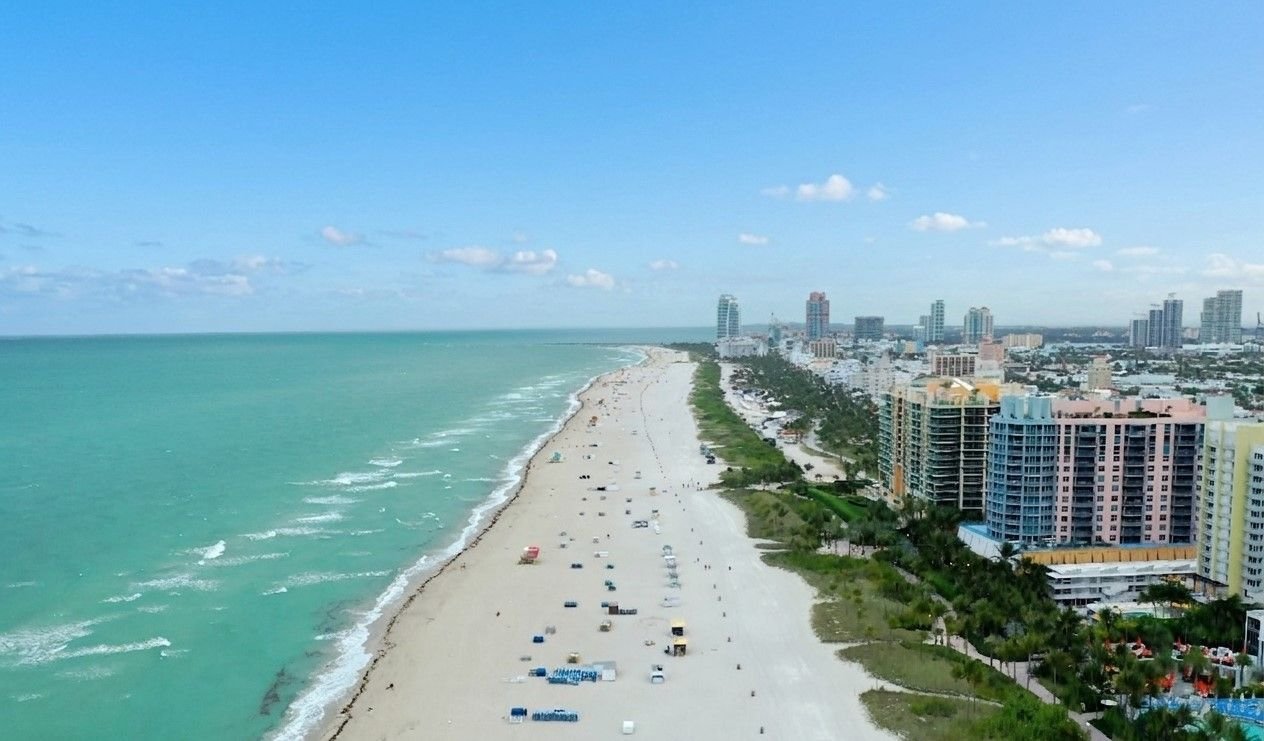
  • Miami, Florida: Vibrant streets, turquoise seas, and endless hospitality

    There is a moment that happens to almost every first-time visitor to Miami — usually somewhere along the causeway crossing Biscayne Bay toward South Beach, with the glittering Atlantic ahead and the downtown skyline rising behind, the air thick and warm and carrying the faint salt of the sea — when the city reveals itself as something genuinely extraordinary. Not just a beach destination. Not just a party town. Not just a collection of Art Deco facades and neon signs and rooftop bars. Something larger and stranger and more beautiful than any of those things alone.

    Miami is one of the most fascinating cities in the United States — a place that occupies a unique position at the intersection of North America, Latin America, and the Caribbean, shaped by wave after wave of immigrant communities who have arrived here over a century and built something that exists nowhere else on Earth. It is simultaneously an American city and a Latin city, a gateway to the Americas and a destination in its own right, a subtropical paradise and a global financial center, a capital of art and design and a capital of pleasure.

    The numbers alone suggest its scale and significance. Greater Miami is home to approximately 6.2 million people, making it the largest metropolitan area in Florida and the eighth largest in the United States. Miami International Airport is one of the busiest in the country for international travel, connecting the city directly to over 100 international destinations. The Port of Miami is the busiest cruise port in the world. The city’s art fair, Art Basel Miami Beach, is the most important contemporary art event in the Western Hemisphere. And Miami Beach’s ocean-facing strip of Art Deco architecture is the largest collection of Art Deco buildings in the world.

    But statistics capture nothing of what makes Miami genuinely special. What makes Miami special is the light — that extraordinary, saturated, tropical light that makes everything look slightly more vivid than it does anywhere else. The music — salsa and reggaeton and Miami bass and electronic music pouring simultaneously from cars and restaurants and open-air bars at every hour of the day. The food — Cuban sandwiches and Haitian griot and Peruvian ceviche and Jamaican jerk chicken and Israeli mezze and Japanese omakase, all within a few miles of each other. The warmth — of the climate, yes, but also of the people, who bring a Latin exuberance and generosity of spirit to daily life that transforms the experience of being here.
    Miami is a city that lives outdoors. It is a city that dresses up to go out. It is a city that takes its coffee standing at a ventanita window, its music loud and its sunsets seriously. It is, in the best possible sense, a city that is entirely, unapologetically itself.
    This guide will take you through everything you need to know to experience it fully.

    GETTING THERE
    Miami International Airport (MIA) is the primary gateway to the city and one of the most important airports in the Americas. Located approximately eight miles northwest of downtown Miami, it handles over 50 million passengers annually and serves as the largest hub for American Airlines, which operates an extraordinary number of routes connecting Miami to domestic destinations and to Latin America, the Caribbean, and Europe. Among major American airports, MIA consistently ranks first or second in the number of international passengers processed annually, reflecting Miami’s role as the de facto gateway between the United States and Latin America.

    The airport’s international terminal connects passengers from across the globe, with direct services from virtually every major Latin American city, the Caribbean islands, major European hubs including London, Madrid, Paris, Frankfurt, and Amsterdam, and a growing number of routes to Asia and the Middle East. For domestic travelers, Miami is connected to virtually every major American city with multiple daily departures.

    Ground transportation from MIA is convenient. The Miami International Airport Metrorail Station, connected to the terminal by the MIA Mover automated people mover, provides a direct rail connection to downtown Miami and the broader Metrorail network. The journey from the airport to downtown Brickell takes approximately 15 minutes by rail. Taxis and rideshares through Uber and Lyft are readily available outside the baggage claim areas. The SuperShuttle shared van service and hotel shuttle services provide additional options. Rental car facilities are located in the adjacent Miami Intermodal Center, connected to the terminal by the MIA Mover.

    Fort Lauderdale-Hollywood International Airport (FLL), located approximately 30 miles north of Miami in Broward County, is an important secondary airport for the Miami area. It is heavily used by low-cost carriers including Spirit, Frontier, and Southwest, and often offers significantly cheaper fares than MIA for the same destinations. The trade-off is the additional journey time to Miami proper — typically 35 to 45 minutes by car under normal traffic conditions, though the drive can be considerably longer during peak hours on I-95 or I-595.
    Palm Beach International Airport (PBI), about 70 miles north of Miami, is a third option used primarily by travelers headed to Palm Beach County rather than Miami, though it serves as an alternative for budget-conscious travelers willing to make the longer drive south.

    Amtrak serves Miami at the Miami Central Station, which opened in 2018 as the anchor of the massive MiamiCentral mixed-use transit hub in downtown. The Silver Star and Silver Meteor routes connect Miami to Orlando, Jacksonville, Savannah, Washington D.C., Philadelphia, New York, and Boston — a long but scenic journey up the Eastern Seaboard. Brightline, Florida’s private intercity passenger rail service, operates high-speed trains between Miami and Orlando, with stops in Fort Lauderdale, Boca Raton, West Palm Beach, and Aventura. The Brightline service has dramatically improved intercity rail travel in Florida and is the first new private passenger railroad in the United States in over a century.

    By car, Miami sits at the southern terminus of Interstate 95, which runs north along the eastern seaboard all the way to Maine. The Florida Turnpike connects Miami to Orlando and the rest of central and northern Florida. US Route 1 (the Overseas Highway) extends south from Miami through the Florida Keys to Key West, one of the most scenic drives in the United States. Interstate 75, known locally as Alligator Alley in its western segment, cuts across the Everglades to connect Miami with Naples and the Gulf Coast of Florida.

    GETTING AROUND
    Miami is, like most of South Florida, a city shaped substantially around the automobile, and renting a car provides maximum flexibility for visitors who want to explore beyond a single neighborhood. The city’s expressway system — I-95, I-395, I-195, the Dolphin Expressway (SR 836), and the Airport Expressway — moves traffic efficiently between the major zones, though rush hour congestion on I-95 in particular can be severe in both directions.
    That said, Miami has invested significantly in its public transportation infrastructure, and for visitors staying in or near the major tourist corridors, car-free travel is increasingly practical.

    The Miami Metrorail is an elevated heavy rail system with two lines serving the greater Miami area. The Orange Line runs from Palmetto in the northwest through the airport, downtown, and Brickell, with an extension to Dadeland South in the southern suburbs. It is particularly useful for connections between the airport and downtown. The Green Line branches from the system and serves additional neighborhoods. The system is clean, reliable, and air-conditioned — a significant virtue in the Miami heat.

    The Miami Metromover is a free automated people mover system that circulates through downtown Miami and the Brickell financial district, connecting the major office buildings, hotels, museums, and transit hubs. It is genuinely useful for navigating downtown without a car and provides elevated views of Biscayne Bay and the downtown skyline.
    The Miami Beach area is served by the South Beach Local bus (the SBL), an inexpensive circulator that runs through the Art Deco District and along Washington Avenue and Collins Avenue. The City of Miami Beach also operates the Beach Trolley service, which runs several routes connecting South Beach with Mid-Beach and North Beach. Dedicated bicycle lanes on several key streets and the Citi Bike Miami bike-share program make cycling a viable option in the relatively flat terrain of Miami Beach.

    The Venetian and MacArthur Causeways connecting mainland Miami to Miami Beach carry significant traffic. The Julia Tuttle Causeway connects to Mid-Beach. The 79th Street Causeway reaches North Beach. During peak periods — Friday and Saturday evenings, major events, holiday weekends — crossing the causeways by car can involve significant delays, making transit or rideshare a smarter choice for evening outings to South Beach.

    Ridesharing through Uber and Lyft is extremely popular throughout Miami and is particularly useful for evenings out when parking in South Beach or Wynwood is difficult and potentially expensive. Water taxis operated by various private operators offer scenic crossings of Biscayne Bay between downtown Miami and Miami Beach, combining transportation with sightseeing.
    Cycling is excellent within Miami Beach and along the extensive network of dedicated paths in Coconut Grove, Key Biscayne, and the broader waterfront areas. The terrain is uniformly flat, distances within neighborhoods are manageable, and the weather is conducive to outdoor cycling for most of the year.

    WHERE TO STAY
    Miami’s accommodation landscape is one of the most varied and glamorous in the United States, with extraordinary concentrations of design hotels in South Beach and luxury resort properties throughout the metro area.
    South Beach
    South Beach is the most popular area for first-time visitors and offers the highest concentration of hotels in the city, ranging from iconic luxury properties to boutique design hotels to budget-oriented options.

    The Fontainebleau Miami Beach is the most historically significant and architecturally celebrated hotel in Miami. Designed by Morris Lapidus and opened in 1954, it defined the Miami Modern (MiMo) architectural style with its sweeping curved facade, kidney-shaped pool, and exuberant interior spaces. The property has hosted presidents, celebrities, and cultural figures throughout its seven-decade history and has appeared in James Bond films, Scarface, and countless other productions. Its enormous pool complex, nightclub LIV — one of the most celebrated in the world — and roster of restaurants make it a self-contained resort experience.

    The Setai Miami Beach, occupying a pair of buildings that include a beautifully restored 1936 Art Deco tower, is widely regarded as the finest hotel in South Beach and one of the best in Florida — a place of extraordinary elegance, three temperature-distinct pools reflecting the tones of the ocean, and impeccable service. The Eden Roc Miami Beach, another Morris Lapidus masterpiece from 1955, was fully renovated in recent years and combines mid-century modern architecture with contemporary luxury.

    The 1 Hotel South Beach brings a nature-inspired, sustainability-focused luxury aesthetic to a South Beach landmark, with living walls of plants, reclaimed wood finishes, and spectacular ocean views. The Faena Hotel Miami Beach, opened in 2015 at the northern end of the Art Deco District, is perhaps the most theatrical hotel in the city — a collaboration between developer Alan Faena and director Baz Luhrmann that produced an environment of surreal, maximalist opulence anchored by a gilded woolly mammoth skeleton in the ballroom and a roster of extraordinary restaurants and performance spaces.

    For smaller boutique properties, the Art Deco District along Collins Avenue and Ocean Drive is lined with lovingly restored 1930s hotels that have been converted into stylish boutique properties. The Delano South Beach remains a design hotel icon — its all-white interiors and rippling curtains, designed by Philippe Starck in 1995, were enormously influential on hotel design globally. The National Hotel, the Raleigh, the Betsy, and the Catalina are among the other distinguished mid-scale Art Deco boutique options.

    Mid-Beach and North Beach
    Mid-Beach, roughly between 23rd and 63rd Streets on Miami Beach, has seen significant new hotel development in recent years. The Nobu Hotel Miami Beach, the W South Beach, and the Loews Miami Beach Hotel are all well-regarded options in this area, which offers slightly more space and slightly less intensity than the South Beach core.

    Brickell and Downtown Miami
    The Brickell neighborhood — Miami’s financial district on the mainland, connected to South Beach by the MacArthur Causeway — has developed rapidly into a sophisticated urban neighborhood with its own strong hotel offerings. The East Miami Hotel in the Brickell City Centre complex, the Kimpton EPIC Hotel with its rooftop pool overlooking Biscayne Bay, and the Four Seasons Hotel Miami all offer excellent Brickell-based options for visitors whose primary interest is the city’s business, arts, or restaurant scenes rather than the beach.

    Coral Gables
    The Biltmore Hotel Coral Gables, opened in 1926 in a historic Mediterranean Revival building that served as a military hospital during World War II, is one of the great historic hotels of Florida. Its enormous free-form pool — at one time the largest hotel pool in the world — its 18-hole golf course, and its ornate Spanish-Moorish architecture make it one of the most distinctive accommodation experiences in the Miami area.

    Coconut Grove
    The Mayfair Hotel & Spa and several smaller boutique properties in Coconut Grove offer a more intimate, village-like atmosphere in one of Miami’s most beautiful and historically significant neighborhoods.

    Key Biscayne
    The Ritz-Carlton Key Biscayne, located on this barrier island just south of Miami Beach, offers a genuine resort experience — beachfront, lush tropical landscaping, multiple pools, and a sense of remove from the urban intensity of South Beach — that appeals to families and travelers seeking relaxation over nightlife.

    THE ART DECO HISTORIC DISTRICT
    No visit to Miami is complete without a thorough exploration of the Art Deco Historic District, the most concentrated and celebrated collection of Art Deco architecture in the world. Located in the southern portion of Miami Beach, the district encompasses roughly one square mile of low-rise buildings constructed primarily between 1923 and 1943, constituting over 800 historic structures that together were added to the National Register of Historic Places in 1979 in one of the first such listings of 20th-century architecture in the United States.
    The Art Deco style as expressed in Miami Beach is a specific regional variant sometimes called Tropical Deco or Streamline Moderne — characterized by flat roofs with decorative parapets, horizontal racing stripes called “eyebrows” over windows that provide shade, porthole windows, nautical motifs, pastel color palettes applied to stucco exteriors, and a generally optimistic exuberance that reflects both the aesthetic spirit of the late 1930s and the particular character of a resort town on the edge of the tropics.

    Ocean Drive, running along the eastern edge of South Beach parallel to the beach, is the most famous street in the district and one of the most photographed streetscapes in the world. The buildings along its western side — the Leslie, the Carlyle, the Cardozo (owned for many years by Gloria Estefan), the Clevelander, the Park Central — present their decorative facades to the wide sidewalk cafés and then to the beach and ocean beyond, creating a theatrical outdoor living room where the boundary between public and private dissolves in the most Miami of ways. The street was memorably used as the backdrop for the television series Miami Vice, which along with the work of preservationist Barbara Capitman in the 1970s and 1980s is largely responsible for the district’s rescue from demolition and its subsequent transformation into the globally recognized landmark it is today.

    Collins Avenue, running parallel to and one block west of Ocean Drive, has a slightly less tourism-heavy concentration of Art Deco buildings along its length, with many hotels that were renovated more quietly and serve a more mixed clientele. Washington Avenue, another block west, was historically the commercial spine of South Beach and retains a grittier, more authentic character than the tourist-polished Ocean Drive, with Jewish delis, bodegas, and independent businesses mixed among the nightclubs and restaurants.

    The Art Deco Welcome Center on Ocean Drive, operated by the Miami Design Preservation League, offers self-guided audio tours and scheduled walking tours led by knowledgeable docents who illuminate the architectural history, the preservation story, and the fascinating social history of the district in compelling depth.

    The nightly illumination of Ocean Drive — the neon signs and façade lighting that comes alive after dark and turns the streetscape into a glowing, saturated spectacle — is one of the most purely pleasurable sights in Miami and should be experienced at least once by every visitor, ideally on foot with a drink in hand and nowhere particular to be.

    NEIGHBORHOODS TO EXPLORE
    Wynwood
    Wynwood, a former warehouse district north of downtown Miami, has undergone one of the most dramatic creative transformations of any urban neighborhood in the United States over the past 15 years. Beginning in the mid-2000s, when developer Tony Goldman began commissioning murals on the exterior walls of the neighborhood’s industrial buildings, Wynwood evolved from a neglected light-industrial area into the global capital of street art — and subsequently into one of the most visited art districts in the world.

    The Wynwood Walls, an outdoor museum of large-scale murals by internationally recognized street artists, is the centerpiece of the district and one of Miami’s most visited attractions. The walls have featured works by Shepard Fairey, Os Gemeos, Kenny Scharf, Futura, RETNA, and dozens of other major figures in contemporary street art, and are refreshed periodically to keep the collection evolving. The surrounding streets of Wynwood extend the gallery experience outward — virtually every available exterior wall in the neighborhood has been treated as a canvas, creating an immersive outdoor art experience that stretches for blocks in every direction.

    Beyond the art, Wynwood has developed a robust ecosystem of galleries, studios, restaurants, breweries, cocktail bars, boutique shops, and creative offices. The Wynwood Brewing Company, J. Wakefield Brewing, and Boxelder craft beer bar have helped establish the neighborhood as a destination for craft beer enthusiasts. The food scene spans everything from wood-fired pizza to Venezuelan arepas to Korean fusion. The neighborhood is most alive on the second Saturday of each month during Wynwood Art Walk, when galleries open simultaneously for evening events and the streets fill with an eclectic crowd of art lovers, tourists, and Miami creatives.

    Little Havana
    Little Havana, stretching along SW 8th Street (Calle Ocho) west of downtown Miami, is the cultural heart of Miami’s Cuban-American community and one of the most important Cuban communities outside of Cuba itself. The neighborhood’s identity was forged by the waves of Cuban exiles who arrived in Miami beginning in the 1960s following Fidel Castro’s revolution, and their cultural imprint remains profound and visible on every block.

    Domino Park — officially Máximo Gómez Park — at the corner of Calle Ocho and SW 15th Avenue is perhaps the most iconic gathering place in Little Havana. Elderly Cuban men sit at concrete tables playing dominoes with intense concentration, as they have for decades, while observers watch and the rhythms of the neighborhood swirl around them. It is a scene of genuine, unrehearsed cultural vitality.

    The restaurants and cafeterias of Calle Ocho serve some of the finest Cuban food in the world outside of Havana — ropa vieja (shredded braised beef), lechón asado (slow-roasted pork), picadillo, black beans and rice, maduros (sweet fried plantains), and the indispensable Cuban sandwich (ham, roasted pork, Swiss cheese, pickles, and mustard pressed in Cuban bread). Versailles Restaurant, a Little Havana institution since 1971, is the most famous Cuban restaurant in Miami and one of the most famous in the world — a gathering place for the Cuban exile community that has hosted presidents, celebrities, and every Miami politician of significance.

    The ventanita — the little window — is a uniquely Miami institution found throughout Little Havana and Cuban neighborhoods across the city. Small counter windows dispensing café cubano (strong, sweetened espresso served in a tiny cup), cortadito (espresso cut with steamed milk), and café con leche are on virtually every other block. The ritual of standing at a ventanita with a small plastic cup of coffee and striking up a conversation with a stranger is one of the most authentically Miamian experiences available.
    The Calle Ocho Festival, held each March, is one of the largest street festivals in the United States — a mile-long outdoor party celebrating Latin music, food, and culture that transforms the neighborhood and draws hundreds of thousands of visitors.

    Coral Gables
    Coral Gables is one of the most beautiful planned communities in the United States — a city unto itself within the Miami metro area, developed in the 1920s by George Merrick according to a Mediterranean Revival vision that produced wide boulevards, entrance gates of coral rock and keystone, decorative plazas, and hundreds of homes built to strict architectural standards. The result is a neighborhood of extraordinary coherence and beauty — orange trees lining the streets, bougainvillea cascading over coral rock walls, and a sense of unhurried elegance that feels like a world apart from the frenetic energy of South Beach.

    The Venetian Pool, carved from a coral rock quarry in 1923, is one of the most extraordinary public swimming pools in the world — a freshwater pool of 820,000 gallons fed by artesian wells and landscaped with caves, waterfalls, a bridge, and a loggia of remarkable architectural beauty. Swimming in the Venetian Pool on a hot Miami afternoon is an experience of almost surreal loveliness.

    Miracle Mile, the retail spine of Coral Gables, is lined with boutiques, restaurants, and bridal shops along a beautifully maintained pedestrian-friendly corridor. The Actors’ Playhouse at the Miracle Theatre, housed in a wonderfully preserved 1948 Art Deco movie palace, is one of the finest regional theaters in Florida.
    The University of Miami anchors the southern edge of Coral Gables, bringing intellectual energy and a substantial student population to the neighborhood. The Lowe Art Museum on the UM campus holds an impressive collection of art including a notable Pre-Columbian collection and works by Picasso, Gauguin, and Monet.

    Coconut Grove
    Coconut Grove — “The Grove” to Miamians — is Miami’s oldest neighborhood, a bohemian village of banyan tree-lined streets, waterfront parks, galleries, bookshops, and outdoor cafés that predate the city of Miami itself. The neighborhood was settled in the late 19th century by Bahamian immigrants, New England intellectuals, and adventurers drawn to the subtropical wilderness of Biscayne Bay, and it retains something of that independent, free-spirited character even as it has gentrified significantly in recent decades.

    Peacock Park along the bayfront, the walking trails through the hammock forests of the neighborhood, and the pleasure of cycling or walking through streets canopied by enormous fig trees make the Grove one of the most physically beautiful neighborhoods in Miami. Cococwalk, a recently renovated open-air shopping and dining complex, anchors the commercial core. The Barnacle Historic State Park preserves the 1891 home of Ralph Munroe, one of Coconut Grove’s founding figures, in a setting of extraordinary natural beauty on the bay.
    The marinas and yacht clubs of Coconut Grove reflect the neighborhood’s deep connection to Biscayne Bay and the sailing culture that has thrived here for over a century. Dinner Key Marina is one of the largest in Florida.

    Brickell
    Brickell, Miami’s financial district along Brickell Avenue south of downtown, has transformed in the past decade from a daytime-only office corridor into one of the city’s most vibrant urban neighborhoods. The Brickell City Centre, a massive mixed-use development featuring luxury retail, restaurants, offices, hotels, and residences connected to the Metrorail and Metromover, has become a genuine urban hub. Mary Brickell Village and the streets surrounding it are packed with restaurants, bars, and nightlife options that serve the dense residential population living in the gleaming high-rise towers that have risen throughout the neighborhood.

    Design District
    The Miami Design District, located north of downtown and east of Wynwood, is a neighborhood that has been developed over the past two decades into one of the world’s premier luxury retail and design destinations. Every major European luxury fashion house has a presence here — Louis Vuitton, Hermès, Chanel, Dior, Prada, Gucci, Celine, Bottega Veneta, and dozens of others occupy architecturally significant flagship stores designed by internationally recognized architects. The Palm Court at the center of the district is anchored by a spectacular Buckminster Fuller-inspired geodesic dome installation and surrounded by cultural programming, art installations, and outdoor dining.

    The Design District also houses the Institute of Contemporary Art Miami (ICA Miami), a nonprofit museum offering free admission that presents ambitious exhibitions of contemporary art in a beautiful purpose-built building designed by Aranguren + Gallegos Arquitectos.

    BEACHES
    Miami’s beaches are among the finest urban beaches in the world — wide, sandy, well-maintained, and backed by one of the most dramatic beachfront architectural environments anywhere.
    South Beach, stretching from South Pointe Park at the southern tip of Miami Beach north to approximately 23rd Street, is the most famous beach in Miami and one of the most photographed stretches of sand in the world. The beach itself is genuinely excellent — the sand is white and fine, the water a stunning shade of turquoise green in the shallows transitioning to deep blue further out, the waves generally mild enough for swimming.

    The beach is wide enough to accommodate the substantial crowds that descend on weekends and holidays without feeling impossibly crowded. The backdrop — the Art Deco buildings along Ocean Drive, the palms, the lifeguard stands painted in tropical colors — is one of the most cinematic beachscapes on Earth.
    Lummus Park, the strip of parkland between Ocean Drive and the beach, is the social heart of South Beach’s outdoor life — a perpetual gathering place for sunbathers, volleyball players, rollerbladers, dog walkers, and people-watchers of every description. The beach is serviced by numerous concession stands, restrooms, and outdoor showers.

    Mid-Beach (roughly 23rd to 63rd Streets) and North Beach (63rd Street north to the Surfside neighborhood line) offer slightly less crowded and more residential alternatives to South Beach. The beaches here are equally beautiful, the infrastructure equally good, and the atmosphere considerably more relaxed. North Beach in particular has been undergoing a quiet renaissance, with interesting independent restaurants and a community of artists and young families who have been priced out of South Beach.

    South Pointe Park, at the very southern tip of Miami Beach, is a beautifully designed waterfront park with a pier from which you can watch cruise ships departing Government Cut — the main shipping channel between the Port of Miami and the Atlantic. The park’s lawn areas, playground, and waterfront views make it a popular gathering spot for local families and a pleasant alternative to the more crowded main beach sections.

    Key Biscayne, reached by the Rickenbacker Causeway from the mainland southeast of downtown, contains two exceptional parks. Crandon Park on the northern portion of the island offers a wide, beautiful beach backed by tropical forest, picnic areas, and a restored vintage amusement park carousel. Bill Baggs Cape Florida State Park at the southern tip of the island preserves a natural barrier island landscape of sea grape, mangrove, and pine hammock, with a historic lighthouse (the oldest standing structure in Miami-Dade County, built in 1825) and a quieter, wilder beach experience than the managed shores of Miami Beach proper.

    Haulover Beach, north of Bal Harbour and connected to Miami Beach via Collins Avenue, has a section that is clothing-optional — the largest legal nude beach in Florida — and attracts a diverse, body-positive crowd. The non-clothing-optional sections of Haulover are also excellent and frequently less crowded than South Beach.

    ART BASEL AND THE ARTS SCENE
    Miami has established itself as one of the most important cities in the world for contemporary art, and the annual Art Basel Miami Beach fair is the central event in that story.
    Art Basel Miami Beach, held each December in the Miami Beach Convention Center, is the American edition of the prestigious Swiss art fair and is widely regarded as the most important contemporary art event in the Western Hemisphere. Over 250 of the world’s leading galleries participate, presenting works spanning painting, sculpture, installation, photography, film, and digital art from thousands of artists. The fair draws collectors, curators, critics, artists, and art enthusiasts from every corner of the globe, transforming Miami Beach for one week each December into a global art capital.

    Art Basel week is also one of the great social events of the Miami calendar — a week in which the city’s already considerable capacity for parties, openings, performances, and cultural programming is amplified to an extraordinary degree by the influx of art world figures, collectors, and celebrities. Satellite fairs — including Art Miami, NADA Miami, Untitled Art Fair, Scope Miami Beach, and dozens of others — spread throughout the city and its surroundings, turning the entire metro area into a sprawling art destination.

    Beyond Art Basel week, Miami’s permanent art scene is substantial and growing. The Pérez Art Museum Miami (PAMM), designed by Herzog & de Meuron and located on Biscayne Bay in Museum Park downtown, is the city’s premier museum of modern and contemporary art, with a collection and exhibition program of international significance. The building itself — elevated on concrete pillars above the bayfront, with hanging gardens of tropical plants and terraces overlooking the water — is one of the finest pieces of contemporary architecture in Florida. The adjacent Phillip and Patricia Frost Museum of Science, also in Museum Park, houses a world-class natural history and science museum with a spectacular three-level aquarium at its center.

    The Bass Museum of Art in South Beach, housed in a 1930 Art Deco building with a contemporary expansion, presents a strong collection of European and international art alongside ambitious temporary exhibitions. The Margulies Collection at the Warehouse, a private collection of extraordinary depth and breadth open to the public in Wynwood, is one of the finest private contemporary art collections in the United States.

    The performing arts in Miami are anchored by the Adrienne Arsht Center for the Performing Arts of Miami-Dade County — a stunning complex designed by Cesar Pelli that opened in 2006 and is one of the largest performing arts centers in the United States. The Arsht Center is home to the Florida Grand Opera, Miami City Ballet, and the New World Symphony, and presents Broadway touring productions, major concert performances, and international arts programming throughout the year.

    The New World Symphony, an orchestral academy founded by conductor Michael Tilson Thomas and housed in a spectacular Frank Gehry-designed building in South Beach, presents free outdoor concert broadcasts projected onto the exterior wall of its building on selected evenings — one of the most beloved free cultural events in Miami.

    FOOD AND DINING
    Miami’s food scene is one of the most exciting and diverse in the United States, reflecting the extraordinary cultural richness of a city that is simultaneously American, Cuban, Latin American, Caribbean, and international.

    Cuban food is the foundation of Miami’s culinary identity, and understanding it is essential to understanding the city. The Cuban sandwich — pressed Cuban bread filled with roasted pork, ham, Swiss cheese, pickles, and mustard — is Miami’s iconic food, found everywhere from gas station counters to high-end restaurants, and the debate over who makes the best version is conducted with genuine passion. Versailles on Calle Ocho is the most famous Cuban restaurant in the world, and for good reason — the food is excellent, the portions enormous, and the experience of eating among the Cuban exile community in a dining room that has witnessed decades of Miami history is genuinely moving. El Cristo, La Carreta, and Islas Canarias are other celebrated Cuban dining institutions.

    The Haitian community in Miami has contributed a rich culinary tradition that remains relatively undiscovered by mainstream food tourism despite being extraordinary. Haitian griot — fried pork marinated in citrus and spices — with rice and beans, pikliz (spicy pickled vegetables), and plantains at restaurants in Little Haiti and the areas north of downtown is some of the most flavorful food in the city.

    Peruvian cuisine has made an enormous impact on the Miami dining scene, reflecting a large and dynamic Peruvian community. Ceviche — raw fish marinated in lime juice and seasoned with ají amarillo, red onion, and cilantro — is perhaps Peru’s greatest culinary contribution, and Miami’s Peruvian restaurants serve versions of exceptional quality. Ceviche 105 in Little Havana is one of the most beloved Peruvian restaurants in the city, serving an extraordinary variety of ceviches and tiraditos alongside classic Peruvian dishes.

    Seafood is magnificent throughout Miami, reflecting access to the waters of the Atlantic, Biscayne Bay, and the Gulf. Stone crab claws — available from mid-October through May from the stone crab fishery in the Florida Keys and Gulf of Mexico — are a Miami seasonal obsession. Joe’s Stone Crab in South Beach, which has been serving stone crab claws since 1913, is one of the most famous restaurants in Florida and essentially invented the stone crab dining tradition. The wait for a table without a reservation can be substantial, but the experience is worth it. Garcia’s Seafood Grille and Fish Market on the Miami River is a beloved, unpretentious local institution for fresh local seafood in a waterfront setting.

    The high-end dining scene in Miami is genuinely world-class. Zuma Miami at the EPIC Hotel in Brickell, the Miami outpost of the internationally celebrated Japanese izakaya concept, is consistently regarded as one of the finest restaurants in the city. Quinto La Huella at the Faena Hotel brings the beloved Uruguayan parrilla tradition to Miami with extraordinary beef and wood-fire cooking. The Surf Club Restaurant at the Four Seasons Surfside, from Thomas Keller — one of the greatest chefs in America — brings the legendary Keller sensibility to a historic oceanfront club setting. Mandolin Aegean Bistro in the Design District is a beloved garden restaurant serving Greek and Turkish meze that has become one of the most popular dining experiences in Miami for its food, atmosphere, and beautiful outdoor space.

    The breakfast and brunch culture in Miami is enthusiastic and well-developed. Eating House in Coral Gables, Michael’s Genuine Food & Drink in the Design District, and Greenstreet Cafe in Coconut Grove are among the city’s most beloved morning and midday destinations. The smoothie and açaí bowl culture of South Beach reflects the city’s health-conscious beach culture, with numerous juice bars and healthy café concepts throughout the beach communities.

    The food hall format has taken root in Miami with considerable success. Time Out Market Miami at Bayside in downtown presents a curated selection of Miami’s best restaurant concepts in a lively, communal setting. The Citadel in the Little River neighborhood brings together local food vendors, live music, and community programming in a beautifully converted Art Deco building.

    NIGHTLIFE
    Miami’s nightlife is legendary throughout the world, and with good reason. The city has one of the most vibrant, diverse, and sheer-volume-of-options nightlife scenes in the United States — a function of its warm climate, its Latin cultural energy, its tourist economy, and its position as a gathering point for creative and wealthy people from across the Americas and Europe.
    South Beach’s nightclub scene centers on a handful of mega-clubs that operate at a scale and level of investment that rivals anything in Las Vegas or Ibiza. LIV at the Fontainebleau is consistently ranked among the best nightclubs in the world — a cavernous, theatrically designed space with a resident roster of international DJ talent, regular celebrity appearances, and an energy that must be experienced to be understood. Admission is selective and often expensive, with table service required for premium positioning. Story on Washington Avenue is another major player in the South Beach club scene, with an enormous main room and a booking policy that brings major DJs and performers regularly.

    The rooftop bar scene in Miami is exceptional. The Broken Shaker at the Freehand Miami hotel is one of the most celebrated craft cocktail bars in the city — a beautiful, lush outdoor space of mismatched furniture, tropical plants, and creative cocktails that has won national awards and attracted a devoted following. The Sugar bar at the EAST Miami hotel in Brickell offers spectacular rooftop views of the downtown skyline over treetop-level plantings. The Watr at the 1 Hotel South Beach and the Goodtime Hotel’s rooftop pool bar are among the most fashionable outdoor drinking destinations on the beach.

    The Wynwood and Brickell neighborhoods have developed distinct nightlife cultures that contrast productively with the South Beach mega-club experience. Wynwood’s bars and music venues — Wood Tavern, Gramps, Shots Miami, and others — tend toward a more art-focused, indie-music-oriented crowd that reflects the neighborhood’s creative identity. Brickell’s nightlife is more polished and corporate-adjacent, with upscale cocktail bars and lounges catering to the financial district crowd.

    Live music in Miami reflects the city’s extraordinary musical heritage. The Latin music tradition — rooted in Cuban son and bolero, subsequently diversified through Colombian cumbia, Puerto Rican salsa, Dominican merengue, and the Miami-specific sounds of freestyle and Miami bass — permeates the city’s musical landscape. Ball & Chain on Calle Ocho in Little Havana, a beautiful restored bar that was a jazz club in the 1930s and 1940s, presents live salsa, jazz, and Latin music nightly in one of the most atmospheric rooms in Miami. Hoy Como Ayer, also in Little Havana, is a beloved intimate venue for traditional Cuban music and dancing.

    The LGBTQ+ nightlife scene in South Beach, centered on the blocks around Espanola Way and the bars of Washington Avenue, is one of the most vibrant in Florida and draws visitors from across the southeastern United States.

    NATURAL WONDERS AND OUTDOOR ACTIVITIES
    Miami’s natural setting is one of its most extraordinary and underappreciated assets.
    The Florida Everglades, the largest subtropical wilderness in the United States, begin at the western edge of Miami-Dade County. Everglades National Park — a UNESCO World Heritage Site, International Biosphere Reserve, and Wetland of International Importance — encompasses 1.5 million acres of sawgrass prairie, mangrove forest, cypress swamp, and coastal estuary that constitute the only subtropical preserve in North America. The park’s Royal Palm area, Anhinga Trail, and Gumbo Limbo Trail are accessible to day visitors from Miami in approximately 45 minutes and offer extraordinary wildlife encounters — anhingas drying their wings on cypress branches, alligators sunning on the trail margins, roseate spoonbills wading in the shallows, and the rare Florida panther moving through the shadows of the pine flatwoods.

    Airboat tours through the Everglades — operating from several facilities along the Tamiami Trail (US 41) at the northern edge of the park — are one of the most thrilling and distinctively Floridian experiences available to Miami visitors. The flat-bottomed boats powered by giant aircraft propellers can skim across the sawgrass prairie at considerable speed, covering ground that is inaccessible by any other means and bringing visitors into contact with the alligators, wading birds, and extraordinary plant life of the Glades.

    The Florida Keys, accessible via US Route 1 (the Overseas Highway) south of Miami, constitute one of the most unique and beautiful island chains in the world. The 113-mile drive from Florida City through 42 bridges over open water to Key West — including the famous Seven Mile Bridge — is one of the great road trips in America, passing through a landscape of improbable beauty where the highway seems to float on the surface of the sea. Key Largo, the nearest Key to Miami, is the gateway to the Florida Reef — the third largest barrier reef system in the world and the only living coral barrier reef in the continental United States — offering world-class snorkeling and scuba diving in waters of extraordinary clarity and marine life diversity. John Pennekamp Coral Reef State Park in Key Largo is the premier destination for reef exploration.

    Biscayne National Park, immediately south of Miami and largely underwater, protects the northern portion of the Florida Reef along with mangrove coastline, sea grass beds, and the northernmost Florida Keys. The park is 95 percent water and is best explored by snorkeling, scuba diving, glass-bottom boat tours, or kayaking through the mangrove tunnels of its coastal fringe.
    Water sports are central to Miami life. Paddleboarding on the calm waters of Biscayne Bay, kayaking through the mangroves of Oleta River State Park in North Miami, sailing out of the marinas of Coconut Grove or Miami Beach, kitesurfing in the consistent winds at Hobie Beach on the Rickenbacker Causeway, and deep-sea fishing in the Gulf Stream waters just offshore are all excellent options for the water-oriented visitor.

    Virginia Key, the small island adjacent to Key Biscayne on the Rickenbacker Causeway, is home to the Deering Estate — a beautifully preserved historic estate with natural hammock and coastal prairie environments — and the Virginia Key Beach Park, a historic stretch of shoreline that was designated as Miami’s “colored beach” during the era of racial segregation and is now a park of both natural beauty and historical significance.

    SPORTS
    Miami is a genuine major-league sports city with passionate fan bases and strong franchises across multiple sports.
    The Miami Marlins play Major League Baseball at loanDepot Park in the Little Havana neighborhood — a beautiful retractable-roof stadium that replaced the old Sun Life Stadium in 2012 and is notable for its striking exterior design, its extraordinary aquarium tanks installed behind home plate, and its capacity to host games in the Miami heat and rain with the roof closed.
    The Miami Heat are one of the most celebrated franchises in the NBA, with a history that includes six Finals appearances and three championships — and the legacy of LeBron James’s four seasons in Miami alongside Dwyane Wade and Chris Bosh. The Heat play at Kaseya Center (formerly FTX Arena, formerly AmericanAirlines Arena) on the downtown waterfront, with Biscayne Bay visible beyond the arena floor. Miami Heat games carry an energy and fashion consciousness that reflects the broader Miami cultural ethos.

    The Miami Dolphins, the oldest professional sports franchise in Florida, play at Hard Rock Stadium in Miami Gardens — the same facility that hosts the Formula 1 Miami Grand Prix each May, the annual Orange Bowl college football game, and major concerts. The Dolphins were the only NFL team to complete a perfect season, going 17-0 in 1972 under coach Don Shula, a record that has never been equaled.

    Inter Miami CF, co-owned by David Beckham, brought major league soccer to Miami and generated enormous global attention when Argentine superstar Lionel Messi joined the club in 2023. The arrival of Messi transformed Inter Miami from a struggling expansion franchise into one of the most followed clubs in the world and sparked an unprecedented surge of interest in soccer throughout South Florida.
    The Miami Open, held each March at the Hard Rock Stadium tennis complex in Miami Gardens, is one of the most prestigious tennis tournaments in the world — a Masters 1000 event for men and a Premier Mandatory event for women that draws the world’s top players for two weeks of competition and attracts enormous crowds.

    PRACTICAL TIPS FOR VISITORS
    Weather and When to Go
    Miami’s climate is tropical — warm and humid year-round, with a distinct wet season from May through October and a dry season from November through April. The dry season, corresponding roughly to the winter months in the Northern Hemisphere, is generally considered the ideal time to visit. Temperatures from December through March are magnificent — warm, sunny days in the mid-70s to low 80s Fahrenheit with low humidity and clear blue skies. This is peak season, and hotel rates, flight prices, and crowds all reflect its popularity.

    Summer in Miami is hot, humid, and wet. Temperatures regularly reach the upper 80s to low 90s Fahrenheit with humidity that makes it feel significantly warmer. Afternoon thunderstorms — often violent, with lightning and heavy rain — are a near-daily occurrence from May through September. The storms typically pass quickly, and mornings are often beautiful. The heat is real but manageable with appropriate hydration, sunscreen, and strategic timing of outdoor activities.

    Hurricane season runs from June 1 through November 30, with peak activity in August and September. Miami has been directly struck by major hurricanes — most recently Hurricane Irma in 2017 — and the possibility of tropical weather disrupting a visit must be factored into summer and fall travel plans. Travel insurance is strongly recommended for Miami visits during hurricane season.
    Art Basel week in December and the winter holiday period through New Year’s are the most expensive and crowded times to visit. Hotel rates during Art Basel can be extraordinary — planning and booking far in advance is essential.

    Language
    Miami is effectively a bilingual city. Spanish is spoken natively by a substantial portion of the population, and in many neighborhoods — particularly Little Havana, Hialeah, and significant portions of the city — Spanish is the primary language of daily life. English is universally understood in tourist areas, hotels, and restaurants, but having even a basic familiarity with Spanish is genuinely useful and appreciated by locals. Portuguese is also widely spoken in the Brazilian community, and Haitian Creole is common in Little Haiti and other Haitian-American communities.

    Sun and Heat Safety
    The Miami sun is extremely powerful year-round, and visitors consistently underestimate it. High-SPF sunscreen applied generously and frequently, quality sunglasses, and a hat are essential for any outdoor time. The combination of sun, heat, and humidity can lead to dehydration quickly — drinking water consistently throughout the day, well beyond when you feel thirsty, is important. The hottest and most dangerous hours are typically between noon and 4 p.m.

    Getting Into Nightclubs
    South Beach’s major nightclubs are selective about admission, particularly for men. Arriving with a group of women, or as a mixed group, significantly improves the likelihood of admission. Booking a table in advance through the club’s reservation system guarantees entry but involves a minimum spend commitment that can be substantial. Dressing well — the Miami standard for nightclub attire is fashionable and stylish — is important at the major venues. Lines can be long on Friday and Saturday nights, and arriving earlier (11 p.m. rather than 1 a.m.) often results in easier entry.

    Tipping
    Standard American tipping culture applies throughout Miami. Restaurant servers expect 18 to 20 percent, and many restaurants in tourist areas automatically add a service charge to bills — check before adding an additional tip. Bartenders expect a dollar or two per drink. Valet parking, hotel services, and rideshare drivers all appreciate appropriate gratuities.

    Safety
    Miami is generally a safe city for tourists in the main visitor areas of South Beach, Brickell, Coconut Grove, Wynwood, Coral Gables, and the beach communities. Standard urban awareness applies — keep valuables secured on the beach (theft from unattended bags is the most common crime affecting tourists), be aware of your surroundings in less familiar neighborhoods, and exercise appropriate caution late at night in areas you are unfamiliar with.

    CONCLUSION
    Miami is a city that does not ask for your approval. It does not moderate itself for comfort or domesticate its energy for easy consumption. It is hot and loud and beautiful and excessive and complicated and alive in a way that few cities anywhere in the world manage to be. It smells of salt water and gardenias and frying plantains and the specific perfume of tropical rain on warm asphalt. It sounds like reggaeton from a passing car and the crack of dominoes on a park table and the roar of a crowd at a Heat game and the laughter rising from an outdoor bar at midnight.

    It is a city built by people who came from somewhere else — from Cuba and Haiti and Colombia and Venezuela and Brazil and Nicaragua and Jamaica and Argentina and Israel and all the other places whose cultures have layered here into something new and singular. It carries the weight of that history and the energy of those arrivals — the hunger and hope that have characterized every wave of immigration — in its music and its food and its architecture and its street life.

    And beneath and beyond all the human construction, the natural world presses in. The bay glitters. The reef breathes in its slow, ancient rhythm. The Everglades, vast and indifferent and irreplaceable, extend westward toward the horizon. The Atlantic rolls in from the east with the same patient power it has always had, washing the famous shore clean again each morning.
    Miami rewards everyone who comes to it with curiosity and openness. It will feed you extraordinarily well. It will show you art that changes how you see the world. It will give you a night that you will remember for decades. And if you are lucky — if you come at the right moment, in the right light, in the right company — it will reveal itself as something genuinely rare: a city that is fully, irrepressibly, magnificently itself.
    Welcome to Miami. The Magic City is ready for you.

  • Florida: Where Every Day Feels Like Vacation

    Florida: Where Every Day Feels Like Vacation

    Florida is one of the most visited destinations on Earth. Year after year, it ranks among the top travel destinations in the United States, welcoming over 130 million visitors annually — more than any other state in the nation. It is not difficult to understand why. Florida offers a combination of warm weather, extraordinary beaches, world-famous theme parks, vibrant cities, unique wilderness, and a cultural diversity that makes it unlike anywhere else in the American South. From the white sand Gulf Coast beaches of the Panhandle to the coral reefs of the Florida Keys, from the Art Deco glamour of Miami Beach to the timeless stillness of the Everglades, Florida contains multitudes — and rewards travelers who take the time to move beyond the obvious and discover its deeper, stranger, and more beautiful layers.

    Why Visit Florida
    Florida’s appeal begins with geography. The state occupies a long, narrow peninsula jutting southward into the warm waters of the Atlantic Ocean and the Gulf of Mexico, giving it over 1,300 miles of coastline — more than any other state in the contiguous United States except Alaska. That coastline encompasses barrier islands, mangrove estuaries, limestone springs, coral reefs, and some of the most beautiful beaches in the world. The climate is warm for most of the year, with a subtropical south and a more temperate north, making it a year-round destination and a magnet for visitors escaping winter in colder parts of the country and the world.
    Beyond the beaches, Florida offers an unmatched concentration of tourist infrastructure. The Orlando area alone contains more major theme parks than any other place on Earth. The state’s cities — Miami, Tampa, Jacksonville, Orlando, and others — each have their own distinct character and offer their own reasons to visit. And underlying all of it is a natural world of genuine wonder: Florida is home to 175 state parks and three national parks, protecting ecosystems found nowhere else on the planet.

    Miami and South Florida
    Miami is the gateway to Florida for millions of international visitors and one of the most cosmopolitan, visually striking, and culturally vibrant cities in the United States. It is a city of contradictions — glamorous and gritty, ancient and hypermodern, deeply Latin and thoroughly American — and those contradictions are precisely what give it its electric energy.
    Miami Beach, connected to the mainland by a series of causeways, is the city’s most famous neighborhood and one of the most recognizable urban landscapes in the world. South Beach – the southern tip of Miami Beach — is the heart of it all: a compact grid of streets lined with the largest concentration of Art Deco architecture anywhere on Earth. The buildings along Ocean Drive, Collins Avenue, and Washington Avenue, pastel-colored and neon-lit, were built in the 1920s and 1930s and restored to their current glory through a preservation effort that began in the 1970s. The Art Deco Historic District is a UNESCO-recognized cultural treasure, and walking its streets — particularly in the golden light of late afternoon, with the beach just a block away — is one of the genuinely iconic Florida experiences. The Wolfsonian-FIU museum on Washington Avenue is an outstanding institution dedicated to the art, design, and propaganda of the 1885–1945 period, with a collection that is as fascinating as it is unexpected.

    The beach itself stretches for miles — white sand and the clear turquoise water of the Atlantic, lined with lifeguard stands in cheerful primary colors that have become symbols of the city. The Lincoln Road Mall, a pedestrian promenade through the heart of Mid-Beach, is lined with restaurants, shops, and the imposing building of the New World Center concert hall, designed by Frank Gehry.
    Little Havana on the Miami mainland is the spiritual center of the city’s Cuban-American community, which has shaped Miami’s culture, politics, and food scene profoundly since the Cuban exile community began arriving in large numbers after 1959. Calle Ocho — Southwest 8th Street — is the neighborhood’s main artery, lined with Cuban restaurants, cigar shops, domino parks, and music venues. The annual Calle Ocho Festival each March is one of the largest street festivals in the United States. The food here — ropa vieja, lechón asado, Cuban sandwiches, and café cubano served in tiny paper cups — is outstanding and deeply authentic.

    Wynwood is Miami’s arts district, a former warehouse neighborhood that has been transformed over the past 15 years into one of the most visually spectacular open-air art galleries in the world. The Wynwood Walls, an outdoor museum of large-scale murals by internationally celebrated street artists, draws visitors from around the world and has inspired similar projects in dozens of other cities. The neighborhood surrounding the Walls has filled with galleries, design studios, breweries, restaurants, and bars, making it one of the most energetic and creative urban districts in Florida.

    Coconut Grove is Miami’s oldest neighborhood, a leafy, bohemian enclave along the bay that retains a village-like feel despite being surrounded by the metropolis. The Brickell neighborhood to the north is Miami’s financial and luxury high-rise district, dramatically transformed in the past decade and now home to the Brickell City Centre, exceptional restaurants, and a skyline that rivals any in the American South.
    The Florida Keys begin just south of Miami, connected to the mainland by the Overseas Highway — one of the great engineering achievements of the 20th century and one of the most spectacular drives in the United States. The highway stretches 113 miles from Florida City to Key West, crossing 42 bridges over open water, with the Atlantic on one side and Florida Bay on the other. The Seven Mile Bridge, spanning the gap between Marathon and the Lower Keys, is one of the most dramatic bridge drives in the world.

    The Keys are a string of low-lying limestone islands — former coral reefs exposed by changes in sea level — with a character entirely unlike the rest of Florida. Life here moves more slowly. The water is warm, clear, and shallow. The coral reef system running along the Atlantic side of the Keys is the only living coral barrier reef in the continental United States and one of the most biodiverse marine ecosystems in the world. John Pennekamp Coral Reef State Park at Key Largo, the first undersea park in the United States, offers snorkeling and diving in waters of extraordinary clarity and beauty. Islamorada, a loose collection of islands in the Upper Keys, is considered one of the premier sport fishing destinations in the world. Marathon, roughly the midpoint of the Keys, is home to the Dolphin Research Center and the outstanding natural history museum at Crane Point.

    Key West, at the end of the highway, is unlike anywhere else in Florida — or anywhere else in the United States. The southernmost city in the continental United States (just 90 miles from Cuba), Key West is a compact, walkable island of wooden Conch houses, bougainvillea-draped lanes, and an atmosphere of cheerful hedonism that has been attracting artists, writers, drifters, and dreamers for over a century. Ernest Hemingway lived here for much of the 1930s and wrote some of his most celebrated work in a studio above the pool at what is now the Hemingway Home and Museum — where approximately 50 descendants of his famous six-toed cats still roam the grounds. The Harry S. Truman Little White House, where Truman spent 175 days of his presidency on working vacations, is another outstanding historic site. Duval Street is the main artery of Key West’s nightlife — a mile-long stretch of bars, restaurants, and shops where the celebrated Sunset Celebration at Mallory Square draws crowds every evening to watch the sun drop into the Gulf of Mexico, accompanied by street performers, vendors, and a genuine sense of communal festivity that has been going on for decades.

    Everglades National Park covers 1.5 million acres at the southern tip of the Florida peninsula and is one of the most ecologically unique places on Earth. The Everglades is not a swamp in the conventional sense but a slow-moving river of grass — a vast, shallow sheet of water moving imperceptibly southward through a sea of sawgrass prairie toward the mangrove coast and Florida Bay. It is the largest subtropical wilderness in the United States and a UNESCO World Heritage Site, supporting an extraordinary diversity of wildlife. Alligators are ubiquitous — visitors see them regularly from roadside pull-offs along the main park road. American crocodiles, found in the United States only in South Florida, inhabit the mangrove areas near Flamingo. The bird life is spectacular: roseate spoonbills, great blue herons, snowy egrets, wood storks, and anhingas are commonly seen. Florida panthers — one of the most endangered mammals in North America — roam the park’s interior, though sightings are rare. Airboat tours from the park’s northern edges offer a thrilling way to experience the landscape, though the most intimate encounters come from paddling the park’s extensive canoe trails through mangrove tunnels and open bays.

    Orlando and Central Florida
    Orlando is the theme park capital of the world. The greater Orlando area contains a concentration of major entertainment attractions found nowhere else on Earth, drawing over 75 million visitors a year to what was, before Walt Disney’s arrival in the 1960s, a quiet agricultural town surrounded by orange groves.
    Walt Disney World Resort is the largest and most visited theme park resort in the world, covering an area roughly the size of San Francisco across four major theme parks, two water parks, a shopping and entertainment district, and dozens of hotels. Magic Kingdom, the flagship park, is the most visited theme park on Earth — its iconic Cinderella Castle, visible from almost anywhere in the park, is one of the most photographed structures in Florida. EPCOT, originally envisioned as a futuristic model city, has evolved into a park celebrating technology and world cultures, with a World Showcase section representing 11 countries through food, architecture, and entertainment that is genuinely excellent. Hollywood Studios and Animal Kingdom round out the major parks. A Walt Disney World vacation requires careful planning — the parks are so large and so popular that spontaneous visits rarely result in seeing more than a fraction of what is available. Advance dining reservations, park pass bookings, and strategic use of the Lightning Lane system are essential for maximizing the experience.

    Universal Orlando Resort has grown dramatically in recent years and now presents a genuine rival to Disney for many visitors. The Wizarding World of Harry Potter, split between the two parks (Islands of Adventure and Universal Studios Florida) and connected by the Hogwarts Express, is one of the most immersive themed environments ever built and remains the most talked-about theme park land in Orlando. Epic Universe, Universal’s massive new third park, opened in 2025 and has added extraordinary new themed worlds to the resort’s offerings. Universal tends to appeal particularly to teenagers and adults, with some of the most technically sophisticated and thrilling rides in the world.

    SeaWorld Orlando has reinvented itself significantly over the past decade, pivoting away from its orca shows toward a broader marine conservation and thrill-ride identity. Its sister park Busch Gardens Tampa, about 75 miles west, is one of the finest zoological parks in the United States combined with a world-class collection of roller coasters.
    LEGOLAND Florida in Winter Haven is one of the best theme parks in the country for young children — smaller, less overwhelming, and genuinely imaginative. The nearby Bok Tower Gardens in Lake Wales is one of Florida’s most overlooked treasures — a National Historic Landmark featuring a 205-foot Gothic and Art Deco carillon tower set within gardens designed by Frederick Law Olmsted Jr., with a serene beauty that makes it one of the finest public gardens in the American South.

    Beyond the theme parks, Orlando has developed into a genuinely interesting city. The Dr. Phillips Center for the Performing Arts is an outstanding venue that brings Broadway shows and major performing arts to the city. The Orlando Museum of Art and the Cornell Fine Arts Museum at Rollins College in Winter Park are worthwhile cultural institutions. Winter Park itself — a gracious, tree-shaded suburb connected to a chain of lakes — is one of the most charming communities in Florida, with an excellent farmers market, the Charles Hosmer Morse Museum of American Art (home to the world’s most comprehensive collection of works by Louis Comfort Tiffany), and a relaxed, walkable main street along Park Avenue.

    Kennedy Space Center Visitor Complex on the Atlantic coast, about an hour east of Orlando, is one of the most extraordinary attractions in Florida. The complex tells the complete story of America’s space program, from the early Mercury missions through the Apollo era and the Space Shuttle program to the current era of commercial spaceflight. The Vehicle Assembly Building — one of the largest buildings in the world by volume — is visible from miles away. Up-Close tours bring visitors to launch pads and restricted areas of the actual spaceport. The Atlantis exhibit, displaying the retired Space Shuttle orbiter at eye level with a recreated payload bay, is genuinely breathtaking. On launch days — which occur with increasing frequency as commercial operators join NASA at the complex — the experience of watching a rocket launch from nearby viewing areas is one of the most viscerally exciting things a visitor can do in Florida.

    Northeast Florida
    Jacksonville is the largest city by area in the contiguous United States — a sprawling, diverse metropolis straddling the St. Johns River near the Georgia border. Often overlooked by tourists heading to more famous Florida destinations, Jacksonville has genuine appeal. Its beaches — Jacksonville Beach, Neptune Beach, and Atlantic Beach — are excellent and far less crowded than those further south. The Cummer Museum of Art and Gardens, set along the St. Johns River with formal gardens descending to the water, has a collection of Old Masters and American art of surprising quality. The city’s craft beer scene and restaurant culture have developed considerably in recent years.

    St. Augustine is the oldest continuously occupied European settlement in the United States, founded by Spanish explorers in 1565 — 55 years before the Pilgrims landed at Plymouth Rock. Walking its narrow streets feels genuinely different from anywhere else in Florida. The Castillo de San Marcos, a massive coquina stone fort completed by the Spanish in 1695 and overlooking Matanzas Bay, is one of the best-preserved colonial fortifications in North America and a National Monument of genuine historical power. The historic district — its streets too narrow for modern traffic, lined with Spanish colonial buildings, courtyard restaurants, and centuries-old churches — is one of the most pleasant urban walking experiences in Florida. The Lightner Museum, housed in the former Alcazar Hotel built by railroad magnate Henry Flagler in 1888, contains an eclectic collection of Gilded Age art and objects in a building of astonishing opulence. St. Augustine’s beaches — particularly the wild, undeveloped stretches of Anastasia Island — are outstanding.

    Amelia Island, at the very northeastern tip of Florida just south of the Georgia border, is one of Florida’s most refined and least crowded resort destinations. The island’s southern end is occupied by Fernandina Beach, a Victorian-era town with a beautifully preserved historic district of gingerbread houses and an excellent selection of restaurants and independent shops. The beaches of Amelia Island are wide, relatively uncrowded, and backed by dunes and maritime forest rather than the hotel towers that line much of the Florida coast. The Ritz-Carlton Amelia Island and the Omni Amelia Island Resort are among the finest coastal resort hotels in the state.

    Northwest Florida — The Panhandle
    The Florida Panhandle is a long, narrow strip of land along the Gulf of Mexico between Alabama and the main body of Florida, and it contains some of the most extraordinary beaches in the world. The sand here is unlike the sand anywhere else — blindingly white, made of pure quartz crystal ground fine by millennia of river transport from the Appalachian Mountains, and so reflective that it stays cool even in the hottest summer sun. The Gulf water along the Panhandle is shallow, calm, and a shade of emerald green so vivid it seems almost artificial.
    Pensacola at the western end of the Panhandle is one of Florida’s most historically layered cities, having been claimed at various times by Spain, France, Britain, the Confederate States of America, and the United States. The Historic Pensacola Village downtown preserves buildings from the Spanish and British colonial periods in a compact, walkable area. The National Naval Aviation Museum at Naval Air Station Pensacola is one of the largest aviation museums in the world and is completely free — an extraordinary collection of historic naval aircraft including the original Blue Angels jets, with a full-motion flight simulator and an IMAX theater. Pensacola Beach on Santa Rosa Island is consistently ranked among the finest beaches in the United States.

    Destin and the Emerald Coast are the most popular beach destinations in the Panhandle, drawing millions of visitors each year to the communities of Destin, Fort Walton Beach, and the extraordinary planned community of Seaside — the real-life model for the fictional town in the film The Truman Show, a beautifully designed New Urbanist community of pastel houses, white picket fences, and pedestrian-friendly streets that is one of the most photographed communities in Florida.
    30A, the scenic highway running along a string of communities east of Destin, is one of the most pleasant drives in Florida. The towns along it — Rosemary Beach, Alys Beach, WaterColor, Watercolor, Grayton Beach — offer a more refined, less commercial alternative to the dense hotel and condo towers of Destin, with excellent restaurants, art galleries, boutique shops, and the extraordinary natural beach at Grayton Beach State Park, consistently rated one of the finest beaches in the United States.

    Panama City Beach is the Panhandle’s most boisterous resort town — a long strip of hotels, water parks, and entertainment venues that has earned a reputation as a spring break destination. It is not for everyone, but the beach itself is undeniably beautiful, and Pier Park is a major shopping and entertainment complex.
    Apalachicola and the Forgotten Coast to the east represent the Panhandle at its most unspoiled and authentic. Apalachicola is a small fishing town of considerable charm — its 19th-century commercial buildings line a waterfront on Apalachicola Bay, which produces some of the finest oysters in the United States. The surrounding area, including St. George Island — a long, narrow barrier island with a state park at its eastern end protecting miles of undeveloped beach — is one of the least commercialized stretches of Florida coastline, beloved by those who know it.

    Tampa Bay and the Gulf Coast
    Tampa has emerged over the past decade as one of the most dynamic mid-sized cities in the United States, with a booming downtown, an outstanding food scene, and a range of attractions that make it one of the most underrated destinations in Florida.
    Ybor City, Tampa’s historic Latin Quarter, was founded in the 1880s by Cuban, Spanish, and Italian cigar makers and became one of the largest cigar-producing centers in the world. The neighborhood’s brick streets, wrought-iron balconies, and restored cigar factory buildings now house restaurants, bars, and nightclubs in a district that is vibrant after dark and fascinating by day. Columbia Restaurant, founded in 1905 and the oldest restaurant in Florida, serves Cuban and Spanish food in a series of ornate dining rooms in a building that occupies an entire city block — a Tampa institution of genuine greatness.

    The Tampa Riverwalk, a 2.6-mile pedestrian and cycling path along the Hillsborough River connecting downtown Tampa’s major attractions, has transformed the city’s relationship with its waterfront. The Florida Aquarium along the Riverwalk is excellent. The Tampa Museum of Art and the adjoining Glazer Children’s Museum are outstanding. The Henry B. Plant Museum, housed in the extraordinary Moorish Revival Tampa Bay Hotel built in 1891, preserves one of the most opulent Victorian interiors in the South and tells the story of the railroad magnate who transformed Tampa from a small town into a regional center.

    St. Petersburg, across Tampa Bay, has reinvented itself as one of the most surprising arts destinations in Florida. The Salvador Dalí Museum, housed in a purpose-built building of dramatic architectural design on the St. Petersburg waterfront, contains the largest collection of Dalí’s work outside of Spain — including major paintings, sculptures, and drawings spanning his entire career. The adjacent waterfront district, Beach Drive, is lined with restaurants and galleries overlooking the bay. The Morean Arts Center, the Museum of Fine Arts, and The James Museum of Western & Wildlife Art round out a cultural offering that punches well above the city’s weight. St. Pete Beach and the beaches of the barrier islands to the west — Pass-a-Grille, Treasure Island, Madeira Beach, and Indian Rocks Beach — offer some of the best Gulf Coast beach experiences in Florida.

    Sarasota is widely considered the cultural capital of Florida’s Gulf Coast — a city of theater, opera, ballet, and art that reflects the influence of the Ringling family, who made it their winter home in the early 20th century. The John and Mable Ringling Museum of Art houses one of the finest collections of Baroque paintings in the United States, displayed in a magnificent Italian Renaissance-style palazzo on a 66-acre estate overlooking Sarasota Bay. The adjacent Circus Museum and the Ca’ d’Zan — the Ringling family’s extraordinary Venetian Gothic mansion — are included in the museum admission and together make for one of the richest cultural days in all of Florida. Sarasota’s beaches, particularly Siesta Key Beach, have been repeatedly named the finest beach in the United States by various ranking organizations — its sand is nearly pure quartz, extraordinarily fine and white, and the Gulf water off its shores is shallow and warm.

    Fort Myers and the Lee Island Coast offer a more affordable and less crowded Gulf Coast experience, with excellent shelling beaches on Sanibel and Captiva Islands — Sanibel in particular is famous for its extraordinary shell collecting, made possible by the island’s east-west orientation, which causes shells to accumulate on its beaches in numbers found nowhere else on the Gulf Coast. The J.N. “Ding” Darling National Wildlife Refuge on Sanibel protects a magnificent mangrove estuary accessible by car, bicycle, and kayak, and is one of the finest wildlife refuges in the eastern United States.

    Florida’s Natural World
    Florida’s natural environment is one of its greatest and most underappreciated assets. Beyond the Everglades, the state protects an extraordinary range of ecosystems.
    The Florida Springs are among the state’s most remarkable natural features — over 700 freshwater springs bubble up from the Floridan Aquifer throughout the state, many of them large enough to swim in and maintaining a constant temperature of approximately 68°F year-round. Ichetucknee Springs State Park in the north-central part of the state allows visitors to tube through a crystal-clear spring run in one of the most purely enjoyable outdoor experiences in Florida. Silver Springs State Park, the site of the original Silver Springs attraction that opened in 1878 and became one of the most visited destinations in Florida before Disney arrived, allows visitors to see the springs’ extraordinary clarity through glass-bottom boats — a tradition that continues to this day. Crystal River and Kings Bay, a complex of springs on the Gulf Coast, is the primary winter gathering place for Florida manatees — gentle, slow-moving marine mammals that aggregate in the warm spring water from November through March, and visitors can snorkel among them in a managed and respectful encounter that is one of the most memorable wildlife experiences in North America.

    Dry Tortugas National Park, accessible only by boat or seaplane from Key West, is one of the most remote and least visited national parks in the eastern United States and one of the most extraordinary. The park consists of seven small coral islands 70 miles west of Key West, dominated by Fort Jefferson — a massive, unfinished Civil War-era brick fortification that is the largest masonry structure in the western hemisphere. The waters surrounding the Dry Tortugas contain some of the most pristine coral reef ecosystems in Florida, and the snorkeling is exceptional. The park is a critical nesting ground for sooty terns and frigatebirds, and the spring bird migration brings extraordinary concentrations of warblers and other neotropical migrants to the islands.

    Practical Travel Information
    Getting Around
    Florida is a driving state. While the major cities have developing public transit systems — Miami’s Metrorail and Metromover being the most useful for visitors — a car is essential for exploring anything beyond the immediate urban cores. The Florida Turnpike and Interstate 95 run the length of the peninsula on the east side; Interstate 75 and US Highway 41 (the Tamiami Trail) serve the west side and the south. The drive from Miami to Key West on US 1 and the Overseas Highway takes approximately three and a half hours under normal traffic conditions and is one of the great American road trips.

    Best Time to Visit
    Florida’s seasons are roughly the inverse of most of the United States. The best time to visit most of the state is from October through April — the dry season, when temperatures are warm but not oppressive, humidity is lower, and rainfall is minimal. The summer months — June through September — bring intense heat, very high humidity, daily afternoon thunderstorms, and the threat of hurricanes. This is the slow season for most of the state, and prices drop accordingly, making it a reasonable tradeoff for budget-conscious travelers. South Florida, including Miami and the Keys, is at its most pleasant from December through April. The Panhandle has something of a more conventional Southern season — pleasant in spring and fall, very busy in summer when the beaches are at their warmest.

    Wildlife
    Florida’s wildlife is one of its great gifts to visitors. Alligators are found in virtually every body of fresh water in the state and are commonly seen from roads and trails throughout central and south Florida. They are generally not aggressive toward humans when given appropriate space, but should never be fed or approached — feeding alligators is illegal in Florida and dangerous. Manatees are seen in coastal waters throughout the state, particularly near power plant warm water outflows in winter. Bottlenose dolphins are abundant along both coasts. Sea turtles — loggerheads, greens, and leatherbacks — nest on Florida’s Atlantic coast beaches each summer, and many communities offer guided nighttime turtle walks during nesting season. The Florida Scrub-Jay, found only in Florida, is a federally threatened species that can be seen at Merritt Island National Wildlife Refuge and several other locations.

    Food and Culture
    Florida’s cuisine reflects its extraordinary cultural diversity. In Miami and South Florida, Cuban food is a fundamental part of the culinary landscape. The Haitian, Jamaican, Bahamian, and broader Caribbean communities have brought their own remarkable food traditions. In Central Florida, the growing Puerto Rican and Dominican communities have enriched the restaurant scene significantly. The Gulf Coast, with its proximity to the Gulf’s extraordinary seafood resources, offers outstanding grouper, stone crab, mullet, and Gulf shrimp. Stone crab claws — harvested sustainably by removing one claw and returning the crab to the water to regenerate — are a Florida delicacy available from October through May, and Joe’s Stone Crab in Miami Beach, which has been serving them since 1913, is one of the most iconic dining experiences in the state.

    A Few Final Thoughts
    Florida is a state that rewards depth of engagement. The visitor who spends a week on a single beach resort sees something real but misses the full picture — the ancient springs of the interior, the cultural complexity of Miami, the architectural history of St. Augustine, the wild remoteness of the Dry Tortugas, the strange and beautiful stillness of the Everglades. Florida is also a state of genuine environmental fragility: its coral reefs are threatened by warming oceans and water quality issues, its springs by overdrawing of the aquifer, its coastlines by sea level rise. Visiting with awareness of that fragility — supporting conservation-minded operators, respecting wildlife and natural areas, and engaging with the organizations working to protect these irreplaceable ecosystems — is part of being a thoughtful traveler in this extraordinary place. Florida gives generously to those who visit it. It deserves generosity in return.