Tag: Oklahoma Travel Guide

  • Oklahoma: a State of unexpected beauty

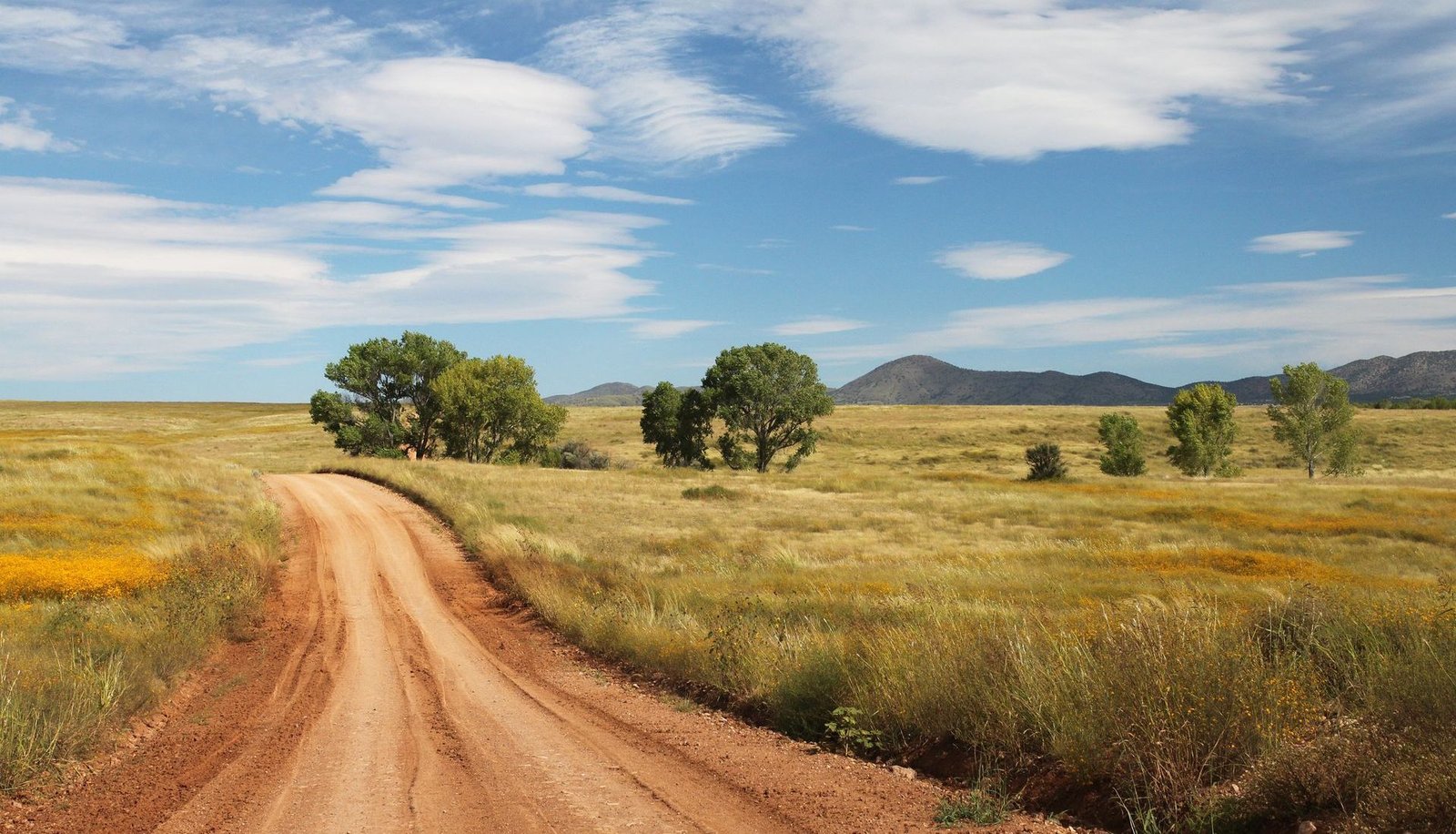
    Oklahoma occupies a singular place in the American imagination. It is a state whose very name conjures images of vast open skies, rolling tallgrass prairies, and a history so layered and dramatic that it could fill volumes. From the heartbreak of the Trail of Tears to the thunder of the Land Runs, from the Dust Bowl’s terrible lessons to the resilience of its people in the face of devastating tornadoes, Oklahoma has been shaped by forces both human and natural that few other states can match. Yet for all its historical weight, Oklahoma is also a state of unexpected beauty, genuine warmth, and a cultural richness that consistently surprises first-time visitors. It is a place where thirty-nine federally recognized Native American nations maintain living cultures and sovereign governments, where Route 66 still beckons travelers with its neon and nostalgia, where world-class museums sit beside working cattle ranches, and where the horizon stretches so far in every direction that the sky itself becomes the landscape. Oklahoma rewards those who take the time to look closely, and what they find almost always exceeds what they expected.

    Oklahoma City: The Capital and Its Complicated Heart
    Oklahoma City is one of the most geographically large cities in the United States, a sprawling metropolis on the Canadian River in the center of the state that has reinvented itself multiple times over the course of its history. Founded in a single afternoon on April 22, 1889, when the Unassigned Lands were opened to settlement and thousands of homesteaders staked their claims simultaneously, Oklahoma City has always had an improvisational, can-do quality that defines its character to this day.

    The city’s heart and its most essential stop for any visitor is the Oklahoma City National Memorial and Museum, which stands on the site of the Alfred P. Murrah Federal Building, destroyed in the domestic terrorist bombing of April 19, 1995. The attack killed 168 people, including 19 children in a daycare center, and injured hundreds more. The outdoor memorial, open at all hours, is one of the most beautifully and sensitively designed commemorative spaces in the country. A reflecting pool sits between two bronze gates — the Gates of Time — marking 9:01 and 9:03, the minutes before and after the blast. One hundred sixty-eight empty bronze chairs, each bearing the name of a victim, are arranged in rows on a gentle slope of grass, with smaller chairs for the children. At night, the chairs are softly lit from within, and the effect is profoundly moving. The museum inside offers a thorough and emotionally honest account of the bombing, the investigation, and the community’s response. No visit to Oklahoma City is complete without spending time here.

    Bricktown, Oklahoma City’s entertainment district built in a cluster of renovated red-brick warehouse buildings east of downtown, is the city’s most vibrant gathering place. A canal runs through the heart of the district, with water taxis and paddle boats adding a pleasant, leisurely dimension to the area. Restaurants, bars, live music venues, and the Chickasaw Bricktown Ballpark — home of the Oklahoma City Dodgers minor league baseball team — line the streets and canal banks. The district is liveliest on summer evenings and during baseball season, when the combination of outdoor dining, street performers, and the hum of a crowd gives it a genuine urban energy.

    The Automobile Alley district along Broadway is home to a growing collection of restaurants, galleries, and boutiques in beautifully restored early twentieth century buildings. The adjacent Midtown neighborhood has similarly come alive with independent businesses and an artisan food scene that reflects the city’s growing culinary ambition.
    The Oklahoma History Center, near the state capitol, is one of the finest state history museums in the country. Its permanent collection covers Oklahoma’s geological prehistory, Native American cultures, the territorial period, the Land Runs, statehood, and the oil industry in thorough and visually engaging fashion. The museum’s scale and quality consistently surprise visitors who arrive with modest expectations.

    The National Cowboy and Western Heritage Museum on the city’s northeast side is a genuine world-class institution and one of the most important museums in the American West. Its collection of Western art includes works by Frederic Remington and Charles Russell, two of the defining artists of the Western tradition, alongside an extraordinary range of Native American artifacts, rodeo memorabilia, frontier firearms, and saddle collections. The Prosperity Junction exhibit recreates a turn-of-the-century Western town with remarkable detail, and the annual Prix de West art show and sale each June draws collectors and artists from across the country.

    Scissortail Park, a new 70-acre urban park stretching from the south side of downtown to the banks of the Oklahoma River, has transformed the southern edge of the city with walking paths, performance lawns, water features, a children’s playground of considerable imagination, and sweeping views of the downtown skyline. The park opened in 2019 and has already become a beloved gathering space for the city, hosting concerts, food truck festivals, and community events throughout the year.

    The Oklahoma City Thunder, the city’s NBA franchise, arrived in 2008 following Hurricane Katrina’s displacement of the New Orleans Hornets, and the team’s unexpected success and community embrace transformed Oklahoma City’s self-image. A Thunder game at Paycom Center is a genuinely exciting experience, with one of the loudest and most passionate fan bases in professional basketball. The team’s presence has been a catalyst for downtown development and a source of enormous civic pride.

    Tulsa: Art Deco Elegance and Ongoing Renaissance
    Tulsa, Oklahoma’s second city, sits in the green hill country of northeastern Oklahoma along the Arkansas River and carries a distinct identity shaped by oil wealth, architectural ambition, and a cultural scene that has consistently punched above its weight. During the first decades of the twentieth century, Tulsa was one of the wealthiest cities in the world, its fortunes built on the vast oil fields of the surrounding region. That wealth expressed itself in an extraordinary collection of Art Deco architecture that survives largely intact today, making downtown Tulsa one of the finest Art Deco streetscapes in the United States.

    The Boston Avenue Methodist Church, completed in 1929, is widely considered one of the finest examples of Art Deco religious architecture in the country. Its terra cotta exterior, soaring tower, and lavishly detailed interior represent the ambition and confidence of an oil-boom city at the height of its prosperity. Guided tours are available and richly informative. The Philtower Building, the Mid-Continent Tower, and the Tulsa Union Depot are among dozens of other downtown Art Deco landmarks that reward slow, attentive walking.
    The Philbrook Museum of Art, housed in a magnificent Italianate villa surrounded by formal gardens on the south side of the city, holds a collection of surprising depth and range, with strong holdings in Native American art, European paintings, and American works. The villa itself, built by oil magnate Waite Phillips in 1927, is as much an attraction as the art it contains, and the gardens — particularly in spring when the roses bloom — are among the loveliest in the state.

    The Gilcrease Museum holds what is arguably the finest collection of art and artifacts related to the American West and Native American cultures in the world. Thomas Gilcrease, part Creek by heritage and enormously wealthy from oil, spent decades assembling paintings, sculptures, manuscripts, and artifacts that document the history of the Americas from pre-Columbian times through the nineteenth century. The museum recently completed a major renovation and expansion and is now an even more compelling destination than before.

    Tulsa’s Greenwood District carries one of the most painful and important stories in American history. On May 31 and June 1, 1921, a white mob attacked and destroyed the prosperous African American neighborhood known as Black Wall Street, killing an estimated three hundred people and burning thirty-five blocks of homes, businesses, churches, schools, and hospitals to the ground in what remains one of the worst incidents of racial violence in American history. The Greenwood District was rebuilt but never fully recovered its former prosperity, and the massacre was largely suppressed from public memory for decades. The Greenwood Cultural Center and the newly opened Greenwood Rising history center now tell this story with the honesty and gravity it deserves, and the district’s ongoing revitalization is a story of community resilience and the slow work of reckoning with history.

    The Brady Arts District and the Pearl District are Tulsa’s most vibrant neighborhood destinations for dining, live music, and independent retail. The Cain’s Ballroom, a legendary music venue operating since the 1920s and associated with the birth of Western Swing through the broadcasts of Bob Wills and his Texas Playboys, continues to host concerts ranging from Americana and country to rock and folk. The floor is original hardwood, the walls are covered in decades of concert posters and photographs, and the atmosphere is irreplaceable.
    The Arkansas River corridor through Tulsa, with its parks, trails, whitewater kayaking features, and the illuminated pedestrian bridge connecting the two banks, has become the city’s outdoor spine, and the growing trail network along the river is excellent for cycling and running.

    Route 66: The Main Street of America
    Oklahoma contains more miles of the original Route 66 than any other state — roughly 400 miles of the historic highway wind through the state from the Kansas border in the northeast to the Texas Panhandle in the southwest, passing through small towns, open grassland, and a succession of roadside attractions that range from kitsch to genuinely moving.
    The Blue Whale of Catoosa, a beloved piece of folk art rising from a pond east of Tulsa, has become one of the most photographed landmarks on the entire route. Built in the early 1970s as a private anniversary gift and eventually opened to the public, the smiling whale with its diving platform is pure American roadside whimsy at its finest.

    Claremore, the birthplace of Will Rogers — the Cherokee Nation citizen who became one of the most beloved entertainers and social commentators of the twentieth century — preserves his legacy with genuine affection at the Will Rogers Memorial Museum. Rogers’s wit, his lasso work, his radio broadcasts, and his film career are all documented here, and the museum’s scale reflects the depth of Oklahoma’s reverence for its most famous son.

    The town of Stroud retains a remarkable collection of original Route 66 architecture, including the Rock Café, one of the oldest continuously operating restaurants on the route, built from local sandstone in 1939. Chandler, Bristow, and Kellyville each have their own traces of the highway’s golden era preserved in diners, motels, and filling stations.
    Arcadia, east of Oklahoma City, is home to POPS, a striking contemporary gas station and restaurant with a 66-foot illuminated soda bottle out front and hundreds of varieties of bottled soda lining its shelves. It is a Route 66 attraction designed for the twenty-first century but built with genuine respect for the highway’s tradition of roadside spectacle.

    Oklahoma City’s stretch of Route 66 through the Automobile Alley district and the historic neighborhoods to the west is rich with restored neon signs and mid-century commercial buildings. West of the city, the highway passes through El Reno — famous for its enormous onion-fried burgers — and continues through Clinton, home of the Oklahoma Route 66 Museum, which documents the highway’s history and cultural impact with considerable thoroughness, and on to Elk City and Sayre before crossing into Texas.

    Native American Nations and Cultural Heritage
    No aspect of Oklahoma’s identity is more fundamental than its relationship with the thirty-nine federally recognized Native American nations whose governments operate within the state’s borders. Oklahoma — whose name derives from the Choctaw words okla and humma, meaning red people — was designated Indian Territory in the nineteenth century and became the destination for dozens of nations forcibly removed from their eastern homelands in one of the most tragic episodes in American history.

    The Five Civilized Tribes — the Cherokee, Choctaw, Chickasaw, Creek (Muscogee), and Seminole — were removed from the southeastern United States in the 1830s along routes of forced march that collectively became known as the Trail of Tears, during which thousands died from disease, exposure, and starvation. Each of these nations reestablished their governments, schools, and cultural institutions in Indian Territory and many of their tribal capitals and cultural centers remain active and welcoming to visitors today.

    Tahlequah, in the green hills of northeastern Oklahoma, is the capital of the Cherokee Nation and a deeply meaningful place for anyone interested in Cherokee history and culture. The Cherokee National History Museum documents the full arc of Cherokee history, including the Trail of Tears, with artifacts, photographs, and personal accounts that are both educational and deeply affecting. The Cherokee Heritage Center, just south of Tahlequah, includes a recreated seventeenth century village, a nineteenth century homestead exhibit, and an outdoor drama performed each summer that tells the story of the Trail of Tears with considerable power.

    The Chickasaw Cultural Center near Sulphur is one of the finest tribal cultural centers in the United States — a beautifully designed complex of buildings and outdoor spaces that tells the story of the Chickasaw people through architecture, art, immersive exhibits, and living demonstrations of traditional skills. The center’s scale and quality reflect the Chickasaw Nation’s remarkable economic and cultural revitalization in recent decades.
    The Muscogee (Creek) Nation’s capital in Okmulgee includes a historic council house built in 1878 that now serves as a museum, and the surrounding community hosts cultural events and powwows throughout the year. The Choctaw Nation’s headquarters in Durant and the Seminole Nation Museum in Wewoka similarly offer windows into cultures that have survived extraordinary challenges and continue to thrive.

    Powwows — intertribal gatherings featuring traditional dance, drumming, singing, art, and food — take place throughout the state across the calendar year and are generally open to the public. The Red Earth Festival in Oklahoma City each June is one of the largest and most celebrated Native American cultural gatherings in the country, drawing dancers and artists from more than a hundred tribes.

    The Ouachita Mountains and Southeastern Oklahoma
    Southeastern Oklahoma is the most geographically distinctive corner of the state, a region of forested mountains, clear-running rivers, deep lakes, and a landscape that feels closer to the Ozarks or Appalachia than to the plains Oklahoma of the popular imagination. The Ouachita Mountains, which extend from central Arkansas into southeastern Oklahoma, contain some of the oldest mountains in North America, their ancient ridges running in parallel east-west formations unlike the north-south orientation of most American mountain ranges.

    The Ouachita National Forest covers a vast swath of this region, with hundreds of miles of hiking trails, including a long section of the Ouachita National Recreation Trail, which runs 223 miles from Talimena State Park in Oklahoma to Pinnacle Mountain in Arkansas. The Talimena National Scenic Byway follows the ridge tops of Rich Mountain and Winding Stair Mountain for 54 miles between Talihina, Oklahoma, and Mena, Arkansas, offering sweeping views of forested ridges that rival any fall foliage drive in the eastern United States. The peak color typically arrives in mid-October and draws visitors from across the region.

    Beavers Bend State Park near Broken Bow is one of Oklahoma’s most beloved natural destinations, sitting where the Mountain Fork River flows through a deep valley of tall pines and hardwoods. The park offers excellent trout fishing in the cold, clear river, cabins and lodges ranging from rustic to luxurious, paddling on Broken Bow Lake, hiking trails through old-growth forest, and a miniature train that children love. The surrounding Broken Bow area has seen an explosion of luxury cabin rentals in recent years, drawing couples and families from across the region for weekend retreats in the forest.
    The Winding Stair Mountains, the Sans Bois Mountains, and the Jack Fork Mountains each have their own character and trail systems, and the region as a whole remains one of Oklahoma’s best-kept secrets for outdoor recreation.

    The Tallgrass Prairie and the Osage Nation
    In northeastern Oklahoma, in Osage County — the largest county in the state and the homeland of the Osage Nation — the ancient tallgrass prairie survives in one of its largest remaining intact expanses anywhere on earth. The Nature Conservancy’s Tallgrass Prairie Preserve near Pawhuska protects nearly 40,000 acres of this vanishing ecosystem, along with a free-roaming herd of approximately 2,500 American bison — one of the largest bison herds on protected land in the country.

    Driving or hiking through the preserve when the bison herd is nearby is one of the most primal and moving wildlife experiences available in the continental United States. The animals are enormous, unpredictable, and utterly indifferent to human presence, and watching them graze across the rolling hills of bluestem grass under a vast sky gives a genuine sense of what this landscape looked like for millennia before European settlement.

    Pawhuska itself, the capital of the Osage Nation, has received national attention in recent years both for the publication of David Grann’s book Killers of the Flower Moon — which documented the systematic murder of Osage citizens for their oil rights in the 1920s — and Martin Scorsese’s film adaptation. The Osage Nation Museum, the oldest tribally operated museum in the United States, tells the Osage story with dignity and depth. The Pioneer Woman Mercantile, opened by Food Network personality Ree Drummond on the town’s main street, has become a significant tourist draw that has brought renewed economic activity to the small town.

    The Wichita Mountains and Southwest Oklahoma
    In the rolling red hills of southwestern Oklahoma, the ancient granite peaks of the Wichita Mountains rise dramatically from the surrounding plains, their rounded summits polished smooth by hundreds of millions of years of weathering. The Wichita Mountains Wildlife Refuge, established in 1901, protects this remarkable landscape along with free-roaming herds of American bison, Texas longhorn cattle, Rocky Mountain elk, and white-tailed deer.

    The refuge is extraordinarily accessible — paved roads wind through the heart of the wildlife area, and bison frequently wander to the road’s edge, allowing close observation from a vehicle. Hiking trails climb to the granite summits of Mount Scott, Elk Mountain, and other peaks, with views from the tops extending for fifty miles in every direction across the plain. Mount Scott’s paved road to the summit is particularly popular at sunset, when the granite glows orange and pink and the western sky fills with color.

    The nearby town of Lawton provides a base for refuge visits and is also home to Fort Sill, an active US Army installation with a significant historical museum documenting the post’s role in the Indian Wars and the imprisonment of Apache leader Geronimo, who is buried in the fort’s Apache prisoner of war cemetery.
    Anadarko, the county seat of Caddo County, is one of the most significant Native American cultural centers in the state, home to the Southern Plains Indian Museum, the National Hall of Fame for Famous American Indians, and the annual American Indian Exposition, a week-long celebration of Southern Plains cultures held each August that is one of the oldest and most authentic Native American gatherings in the country.

    Oklahoma’s Unique Food Culture
    Oklahoma’s food culture is a genuine reflection of its history and geography — a blend of Southern, Southwestern, Native American, and Great Plains culinary traditions that produces a table unlike that of any neighboring state.
    Chicken-fried steak, battered and pan-fried and smothered in cream gravy, is the unofficial state dish and taken with enormous seriousness throughout Oklahoma. Every small town has a café that claims the definitive version, and the debate is genuinely passionate. The onion-fried burger, a Depression-era innovation from El Reno in which thinly sliced onions are pressed directly into a beef patty on a griddle until caramelized and inseparable from the meat, is another Oklahoma original that has attracted national food media attention. Sid’s Diner in El Reno and Johnnie’s Grill serve versions that have been essentially unchanged for decades.

    Indian tacos — fry bread topped with seasoned ground beef, beans, cheese, lettuce, tomato, and sour cream — are sold at powwows, roadside stands, and tribal events throughout the state and represent a distinct tradition rooted in the commodity foods provided to Native peoples during the reservation era, transformed over generations into a comfort food of genuine cultural significance.
    Barbecue in Oklahoma tends toward a Texas influence in the west and a more Midwestern style in the east, with beef brisket, burnt ends, and smoked sausage dominating menus. Elgin, a small town south of Lawton, is famous for its German sausage tradition, a legacy of the immigrant communities that settled the area, and the Elgin Sausage is an institution throughout southwestern Oklahoma.

    The state’s most beloved fast food chain, Sonic Drive-In, was founded in Shawnee, Oklahoma, in 1953, and while Sonics now operate across the country, Oklahomans regard the chain with particular affection and loyalty.

    Music, Arts, and Cultural Life
    Oklahoma’s contribution to American music is remarkable for a state of its size. Woody Guthrie, born in Okemah in 1912 and shaped by the poverty and displacement of the Dust Bowl era, became one of the most influential folk musicians and songwriters in American history. The Woody Guthrie Center in Tulsa, opened in 2013, houses his archives and tells his story with warmth and context, celebrating his enduring relevance to American musical and social history.

    Cain’s Ballroom in Tulsa, already mentioned for its association with Bob Wills, represents the Western Swing tradition that Oklahoma helped birth in the 1930s and 1940s. The genre blended country fiddle traditions with jazz rhythms and big band instrumentation in a way that was genuinely innovative and enormously popular across the region.
    The Oklahoma City Philharmonic, the Tulsa Symphony Orchestra, the Oklahoma City Museum of Art, and the Tulsa PAC together anchor a serious performing and visual arts infrastructure that serves both cities well. The Tulsa Arts District has grown into a vibrant gallery and studio neighborhood, and the First Friday art walks draw significant community participation each month.

    The deadCenter Film Festival in Oklahoma City is one of the most respected independent film festivals in the central United States, drawing filmmakers and audiences each June for a week of screenings, panels, and events. The festival reflects a growing creative community that is choosing Oklahoma City for its affordability and quality of life.

    Practical Travel Information
    Will Rogers World Airport in Oklahoma City and Tulsa International Airport are the state’s two main gateways, with both offering connections to major hub cities. Driving between the two cities on the Turner Turnpike takes approximately two hours and is the most convenient way to explore both. A car is essentially mandatory for thorough exploration of the state, as distances are considerable and public transportation outside the two cities is limited.

    Oklahoma’s climate is famously variable and occasionally violent. Tornado season runs primarily from March through June, with peak activity in May. The state experiences more tornadoes per square mile than any other in the country, and visitors should familiarize themselves with shelter protocols and monitor weather alerts during spring visits. That said, the vast majority of visits to Oklahoma in any season are entirely unaffected by severe weather, and the dramatic thunderstorms that roll across the plains on spring evenings — when they are not dangerous — are among the most spectacular natural light shows imaginable.

    Summers are hot, with temperatures frequently exceeding 100 degrees in western Oklahoma. Spring and fall are the most comfortable seasons for outdoor exploration and offer the most dramatic scenery. Winters are generally mild but can bring ice storms that make roads treacherous, a weather phenomenon the state calls “wintry mix” and takes more seriously than snow.
    Oklahoma is among the most affordable states in the country for travel. Lodging, food, and admission costs are consistently lower than the national average, and the state’s public lands and tribal cultural centers are often free or very low cost to visit.

    Conclusion
    Oklahoma is a state that carries its history honestly and wears its character without pretense. It has been shaped by loss and resilience in equal measure — the loss of Native peoples forced from their homelands, the loss of farmers broken by drought and economic depression, the loss of 168 lives on a spring morning in 1995 — and from each of these chapters it has emerged with a toughness and a tenderness that visitors encounter almost immediately upon arrival. The people of Oklahoma are genuinely welcoming in a way that feels unrehearsed, the landscape shifts from one kind of beauty to another with startling frequency, and the history is so rich and so unresolved that it demands engagement rather than simple admiration. Oklahoma is not a state that asks you to look away from its complicated past. It asks you to look clearly, to listen carefully, and to stay long enough to understand what it is still becoming. Those who accept that invitation rarely leave disappointed.

  • Oklahoma City: Where The Wind Comes Sweeping Down The Plain

    Oklahoma sits at the geographic and cultural crossroads of America, a state that defies easy categorization and rewards curious travelers with experiences they rarely anticipate. Wedged between the South, the Midwest, and the West, Oklahoma draws from all three traditions, blending cowboy heritage with Native American culture, neon-lit roadside Americana with rugged wilderness, and down-home hospitality with a quietly sophisticated arts scene. It is a state that has been underestimated for generations, and that is precisely what makes it such a compelling destination today.

    Known as the Sooner State, Oklahoma earned its nickname from the settlers who cheated in the great Land Runs of the late 1880s and early 1890s, sneaking into the territory sooner than the rules allowed. That spirit of bold, impatient energy never quite left. Today it shows up in a food scene that refuses to stand still, in museums that punch far above their weight, in festivals that fill the calendar year-round, and in landscapes that shift from dense forests and rolling hills in the east to dramatic mesas and canyon country in the west, with tallgrass prairies and red-dirt farmland in between.

    Whether you are driving the original Route 66 through the heart of the state, paddling the Illinois River, exploring the galleries of Tulsa’s Gilcrease Museum, or watching a thunderstorm roll across the open plains at sunset, Oklahoma has a way of getting under your skin. This guide will walk you through everything you need to know to make the most of your time here.

    GETTING TO OKLAHOMA
    Oklahoma City’s Will Rogers World Airport is the state’s primary gateway, served by major domestic carriers including American, Southwest, Delta, United, and Spirit. Tulsa International Airport provides a strong alternative entry point, particularly for travelers heading to the northeastern part of the state. Both airports have seen significant upgrades in recent years and offer car rental facilities from all major providers.

    By road, Oklahoma is remarkably well connected. Interstate 40 crosses the state east to west along roughly the same corridor as the original Route 66, connecting it to Amarillo to the west and Fort Smith to the east. Interstate 35 runs north to south through Oklahoma City, linking Wichita to Dallas. Interstate 44 cuts diagonally across the state through Tulsa. Amtrak’s Heartland Flyer connects Oklahoma City to Fort Worth, Texas, daily, though rail connections beyond that are limited. Most visitors find that having a car is essential for exploring Oklahoma properly.

    OKLAHOMA CITY
    The capital and largest city of Oklahoma has undergone one of the more remarkable urban transformations of any American city over the past two decades. Stung by the 1995 bombing of the Alfred P. Murrah Federal Building and battered by the broader economic struggles of the oil patch, Oklahoma City made a deliberate and sustained choice to reinvent itself. The results are impressive.

    Downtown Oklahoma City is genuinely lively today, anchored by the Bricktown entertainment district, a former warehouse neighborhood now filled with restaurants, bars, music venues, and the Chickasaw Bricktown Ballpark. The Bricktown Canal winds through the district, and water taxis and paddle boats are available for leisurely rides. A stroll along the canal on a warm evening, with the lights of the ballpark glowing across the water, is one of the more pleasant urban experiences in the region.

    The Oklahoma City National Memorial and Museum is the city’s most emotionally significant attraction and deserves an unhurried visit. The outdoor memorial, with its 168 empty chairs representing each victim of the 1995 bombing, is open around the clock and is especially affecting at night. The adjacent museum tells the full story of that day and its aftermath with exceptional care and depth.

    Bricktown is far from the only neighborhood worth exploring. Midtown, just north of downtown, has become a hub for independent restaurants, coffee shops, and boutiques. The Film Row district along Sheridan Avenue preserves a cluster of handsome early-20th-century buildings and hosts a growing creative community. Deep Deuce, historically the heart of Oklahoma City’s African American community and a center of jazz culture in the early 20th century, has been revitalized with apartments, restaurants, and bars while working to honor its heritage.

    The Oklahoma City Museum of Art houses an impressive collection with particular strengths in American art and one of the world’s finest collections of Dale Chihuly glass. The Museum of Osteology, dedicated entirely to animal skeletons and bone specimens, is unusual and surprisingly fascinating, especially for younger visitors. The Science Museum Oklahoma, housed in a building topped by an actual Cessna airplane, offers hands-on exhibits and an IMAX theater.

    For sports fans, Oklahoma City punches well above its size. The Oklahoma City Thunder NBA franchise has been a consistent playoff contender and plays its home games at Paycom Center downtown. The energy on a game night is electric, and tickets are generally easier to obtain and less expensive than in larger markets. The city also has a rich rodeo tradition; the annual Stockyards City district, with its working cattle auction and old-fashioned steakhouses, gives visitors a vivid taste of the cowboy economy that still quietly underpins much of the state.

    No visit to Oklahoma City is complete without eating at one of the great steakhouses in or around Stockyards City. Cattlemen’s Steakhouse, which has been operating since 1910 and famously changed hands in a card game in 1945, is the most historic. The beef here is serious, the portions generous, and the atmosphere unlike anything you will find in a chain restaurant. Breakfast at Cattlemen’s, featuring a lamb fry that has startled and delighted visitors for generations, is a rite of passage.

    TULSA
    Oklahoma’s second city is, in many respects, its most architecturally distinguished. Tulsa experienced an extraordinary oil boom in the early 20th century, and the wealth generated during that period was poured into buildings of genuine grandeur. The result is the largest concentration of Art Deco architecture in the United States outside of Miami. Walking through downtown Tulsa today, particularly along Fifth Street and Boston Avenue, is like moving through a living museum of the style. The Philtower Building, the Philcade, the Exchange National Bank Building, and above all the Boston Avenue United Methodist Church, with its stunning terracotta ornamentation, are masterpieces of the form. Several organizations offer guided Art Deco walking tours, and they are well worth taking.

    The Gilcrease Museum holds what is widely considered the world’s most comprehensive collection of art and artifacts relating to the American West and Native American cultures. Thomas Gilcrease, himself of Creek Nation descent, assembled this extraordinary collection over decades, and the museum that bears his name does it justice. Paintings by Frederic Remington, Charles Russell, and Albert Bierstadt hang alongside pre-Columbian artifacts, historical documents, and Native American art spanning centuries. The museum sits on a hill overlooking the city, surrounded by beautifully maintained gardens.

    The Philbrook Museum of Art occupies an Italian Renaissance villa built in 1927 as the private home of oil magnate Waite Phillips, who later donated the property to the city. The collection is eclectic and strong, ranging from Renaissance paintings and Native American pottery to contemporary works. The formal gardens surrounding the villa are among the most beautiful in the region and make for a wonderful late-afternoon visit. Philbrook also operates a downtown satellite location in a historic building that shows rotating contemporary exhibitions.

    The Woody Guthrie Center celebrates the life and work of the folk singer and songwriter born in Okemah, Oklahoma, who wrote “This Land Is Your Land” and influenced generations of American musicians. The center holds the world’s largest archive of Guthrie’s work, including original manuscripts, letters, drawings, and recordings, and presents them in a deeply engaging exhibit. Bob Dylan and Pete Seeger are among those who have praised the center as a fitting tribute to one of the great voices in American musical history.

    Tulsa’s Greenwood District carries one of the heaviest and most important histories in the state. Known in the early 20th century as “Black Wall Street” for the extraordinary concentration of Black-owned businesses and professional life that flourished there, Greenwood was destroyed in the Race Massacre of 1921, one of the worst incidents of racial violence in American history. For decades the massacre was barely discussed; today it is the subject of serious scholarly attention, public memorials, and an excellent museum, the Greenwood Cultural Center, that tells the full story. A visit here is sobering and essential.

    The Brady Arts District and the adjacent Blue Dome District have become Tulsa’s creative and nightlife center, filled with galleries, live music venues, breweries, and restaurants. The Cain’s Ballroom, a historic dance hall that has hosted everyone from Bob Wills and the Texas Playboys to the Sex Pistols, remains one of the great live music rooms in America. Its spring-loaded wooden dance floor is legendary.

    ROUTE 66: THE MOTHER ROAD THROUGH OKLAHOMA
    Oklahoma claims more original miles of Historic Route 66 than any other state, and the road remains alive here in a way that goes beyond nostalgia. From the Kansas border near Baxter Springs to the Texas line at Texola, the route covers roughly 400 miles of two-lane highway, small towns, vintage motels, neon signs, and Americana that has been gradually disappearing everywhere else.

    The road enters the state through Commerce, birthplace of Mickey Mantle, and passes through Miami (pronounced my-AM-uh by locals, and woe to the visitor who gets it wrong) before reaching Claremore, the hometown of Will Rogers. The Will Rogers Memorial Museum here is one of the better small museums in the state, devoted to the cowboy philosopher and humorist who was the most popular entertainer in America in the 1920s and 30s. His wit still resonates; his observation that “I never met a man I didn’t like” has outlasted nearly everything else from his era.

    Catoosa is home to the Blue Whale, a smiling whale sculpture built by Hugh Davis as an anniversary present for his wife in the early 1970s. It sits beside a pond and remains one of the most photographed quirky roadside attractions in America. Nearby, the Coleman Theater in Miami is a stunning 1929 vaudeville and movie palace that has been meticulously restored to its original opulence, complete with gilded interiors and a Wurlitzer organ.

    Passing through Tulsa, Route 66 hits Sapulpa and then enters the stretch through Stroud, Chandler, and Arcadia. The Round Barn in Arcadia, built in 1898 and restored by community effort in the 1990s, is a remarkable piece of vernacular architecture. POPS, a restaurant and gas station just north of Arcadia, is a contemporary Route 66 landmark featuring a 66-foot illuminated soda bottle sculpture out front and an inventory of more than 700 varieties of bottled soda inside.

    Oklahoma City sits roughly at the midpoint of the state’s Route 66 stretch, and the historic road winds through several of the city’s older neighborhoods before heading west through Yukon, El Reno, and Clinton. The Oklahoma Route 66 Museum in Clinton provides the most thorough overview of the road’s history and culture in the state. Elk City, farther west, has a well-regarded Route 66 museum complex of its own and a friendly small-town atmosphere that makes for a pleasant overnight stop. The road ends its Oklahoma run at the tiny ghost town of Texola, where a handful of abandoned buildings and a hand-painted sign mark the state line.

    NATURAL ATTRACTIONS AND OUTDOOR RECREATION
    Oklahoma’s landscapes are more varied and more dramatic than most people outside the state realize, and outdoor recreation is among the state’s strongest suits.

    The Ouachita National Forest covers the southeastern corner of Oklahoma and extends into Arkansas, encompassing more than 1.8 million acres of forested mountain terrain. The Talimena National Scenic Byway, running along the ridge crest of the Ouachita Mountains between Talihina, Oklahoma, and Mena, Arkansas, offers some of the finest fall foliage drives in the region, typically peaking in mid-to-late October. Hiking trails range from short nature walks to challenging backcountry routes. Beavers Bend State Park, near Broken Bow, sits in the heart of this forest country and is one of the most popular state parks in Oklahoma, with trout fishing on the Mountain Fork River, canoe and kayak rentals, a nature center, and an excellent lodge.

    The Illinois River in northeastern Oklahoma is one of the most beautiful and heavily used float streams in the south-central United States. Canoe and kayak outfitters operate along the river near Tahlequah, the capital of the Cherokee Nation, offering trips ranging from a few hours to multiple days. The river runs clear and cool, lined with canopies of sycamore and cottonwood, and the float from Peyton’s Place to Tenkiller Lake is among the finest day trips in the state.

    Winding Stair Mountain in the Ouachita National Forest presents some of Oklahoma’s most rugged hiking. The Ouachita National Recreation Trail extends more than 220 miles from Talimena State Park in Oklahoma to Pinnacle Mountain State Park near Little Rock, Arkansas, offering serious backpackers a genuine multi-day wilderness experience.

    The Tallgrass Prairie Preserve near Pawhuska in Osage County is one of the largest protected expanses of tallgrass prairie remaining in the world, covering more than 39,000 acres. The Nature Conservancy manages the preserve, and a herd of roughly 2,500 bison roams free across the rolling hills. Driving or hiking through the preserve and encountering bison at close range is one of the most genuinely wild experiences available anywhere in the region. The nearby town of Pawhuska gained unexpected national fame as the home base of Ree Drummond, the Pioneer Woman, whose Mercantile store and restaurant draws visitors from across the country.

    Black Mesa, in the extreme northwestern corner of the state in the Oklahoma Panhandle, is Oklahoma’s highest point at 4,973 feet. The mesa rises dramatically from the surrounding high plains, and the hike to the summit, while not technically difficult, covers about 8.4 miles round-trip through terrain that feels genuinely remote and otherworldly. The area receives far fewer visitors than it deserves and offers outstanding stargazing.

    The Wichita Mountains Wildlife Refuge near Lawton covers 59,020 acres of granite mountains, mixed-grass prairie, and wetlands in southwestern Oklahoma. The refuge is home to free-roaming bison, longhorn cattle, elk, and white-tailed deer, and offers excellent wildlife viewing and hiking. Mount Scott, accessible by paved road, provides panoramic views of the surrounding plains and makes for a fine sunset stop. The refuge also contains the Holy City of the Wichitas, an outdoor Easter pageant site that has been staging its Passion Play since 1926.

    Oklahoma’s lakes deserve special mention. The state has more miles of shoreline than the Atlantic and Gulf coasts of the United States combined, a remarkable statistic that reflects the enormous number of reservoirs created by Army Corps of Engineers projects throughout the 20th century. Lake Texoma on the Oklahoma-Texas border is one of the largest lakes in the country and a major destination for fishing, particularly for striped bass. Grand Lake o’ the Cherokees in the northeastern corner of the state is ringed with resorts, marinas, and vacation homes and is among the most developed recreational lakes in the region. Lake Tenkiller in the Cherokee Hills is prized for its clear, blue-green water and excellent scuba diving and snorkeling.

    The Red River forms Oklahoma’s southern border with Texas, and the red sandstone bluffs and canyons along its drainage are among the most visually striking landscapes in the state. Red Rock Canyon State Park near Hinton offers excellent rock climbing, rappelling, and hiking, with brilliant red and orange canyon walls that glow in the morning and evening light.

    Alabaster Caverns State Park near Freedom in northwestern Oklahoma contains the largest natural gypsum cave open to the public in the country. Guided tours wind through chambers filled with alabaster, selenite, and other gypsum formations. The surrounding woodlands harbor bat colonies that make for spectacular viewing at dusk during summer months.

    NATIVE AMERICAN CULTURE AND HERITAGE
    Oklahoma has the largest Native American population of any state in the contiguous United States, with 39 federally recognized tribal nations headquartered within its borders. This is not background history; it is living culture, and it shapes Oklahoma’s identity, cuisine, art, governance, and daily life in ways that are visible throughout the state.

    The Cherokee Nation, with its capital at Tahlequah, is the largest tribe in the United States by citizenship. The Cherokee Heritage Center outside Tahlequah offers an excellent introduction to Cherokee history and culture, including a reconstructed ancient village and an 1800s era village, along with galleries showcasing traditional and contemporary Cherokee art. The Cherokee National History Museum nearby tells the full story of the Trail of Tears, the forced removal of the Cherokee people from their southeastern homelands in the 1830s, and the rebuilding of Cherokee society in Indian Territory.

    The Chickasaw Cultural Center near Sulphur is one of the finest tribal cultural centers in the country. Set on 184 acres, it includes an extensive museum, a reconstructed Chickasaw village, a living history program, a theater, and beautifully landscaped grounds. The center presents Chickasaw history and contemporary culture with sophistication and pride, and a visit here will deepen any traveler’s understanding of Oklahoma’s complex history.

    The Five Civilized Tribes Museum in Muskogee is dedicated to the Cherokee, Choctaw, Chickasaw, Creek, and Seminole nations. The building itself, a handsome Victorian-era structure that served as the Union Indian Agency, is worth seeing, and the collection of traditional arts and artifacts is strong.

    Powwows are held throughout Oklahoma on nearly every weekend from spring through fall, and many are open to the public. The Red Earth Festival in Oklahoma City, typically held in June, is one of the largest and most celebrated Native American cultural events in the country, drawing participants and dancers from tribes across North America. The Gathering of Nations in Albuquerque is larger, but Red Earth has a warmth and accessibility that makes it particularly welcoming to first-time visitors.

    The Osage Nation’s relationship with its homeland in northeastern Oklahoma took on new international attention with David Grann’s book “Killers of the Flower Moon” and its subsequent film adaptation. The Osage Tribal Museum in Pawhuska, the oldest continuously operating tribal museum in the country, tells the full story of the Osage people, including the Reign of Terror of the 1920s in which Osage citizens were systematically murdered for their oil headrights. Visiting the museum and the surrounding Osage Hills gives genuine weight and meaning to a story that touched the world.

    OKLAHOMA’S FOOD SCENE
    Oklahoma food culture has always been defined by generosity of portion and unpretentiousness of presentation, but the state’s culinary landscape has grown considerably more sophisticated in recent years, particularly in Oklahoma City and Tulsa.

    The chicken-fried steak is Oklahoma’s most iconic dish, a beef cutlet pounded thin, breaded, and fried, then covered in white cream gravy. Every town in the state has a diner or cafe serving its own version, and debates about whose is best are conducted with genuine passion. The Hammett House in Claremore, the established classic, and Cattlemen’s Steakhouse in Oklahoma City are among the most celebrated, but some of the best are found in tiny cafes with hand-lettered signs and booths that have not been reupholstered since the Carter administration.

    Oklahoma barbecue draws from multiple traditions. The state sits at the confluence of Texas brisket country, Kansas City-style rib culture, and its own distinctive traditions. Iron Star Urban Barbeque in Oklahoma City and Burn Co. in Tulsa represent the contemporary end of the spectrum, while older institutions like Leo’s Barbecue in Oklahoma City carry on traditions stretching back generations. Oklahoma-style onion burgers, developed in El Reno during the Great Depression when cooks stretched their meat by smashing onions into the patties, are a distinct and beloved regional variation. Sid’s Diner in El Reno and Robert’s Grill nearby are the undisputed masters.

    Fry bread, a flatbread descended from the foods Native people were forced to make with commodity rations during the reservation era, appears at powwows and festivals throughout the state, often serving as the base for Indian tacos piled high with meat, beans, cheese, lettuce, and tomato. It is comfort food with complicated history, and eating it while understanding its origins makes the experience more meaningful.

    The Mexican food in Oklahoma benefits from the state’s proximity to Texas and a long tradition of Mexican American communities, particularly in the southwest. Tex-Mex, New Mexico-style green chile cooking, and traditional interior Mexican flavors all find expression here. Oklahoma City in particular has seen an explosion of outstanding Mexican and Latin American restaurants in recent years.

    Tulsa and Oklahoma City both have excellent farm-to-table restaurants, craft breweries, and ambitious chefs doing serious work. Ludivine in Oklahoma City, with its commitment to Oklahoma-grown ingredients and thoughtful, seasonal menus, exemplifies the ambition of the new Oklahoma dining scene. Juniper in Tulsa operates at a similarly high level. The craft beer scene has expanded dramatically, with notable breweries including Stonecloud and Prairie Artisan Ales in Oklahoma City and Marshall Brewing Company in Tulsa.

    ARTS, CULTURE, AND FESTIVALS
    Oklahoma has a richer arts and cultural life than its national reputation might suggest, and visitors who dig into it are reliably rewarded.

    The deadCenter Film Festival, held each June in Oklahoma City, is one of the finest independent film festivals in the American interior. The Woody Guthrie Folk Festival in Okemah each July celebrates the folk music tradition with performances, workshops, and jam sessions. The Blue Dome Arts Festival in Tulsa, held each May in the Blue Dome District, brings together visual artists, musicians, and food vendors for one of the most lively street festivals in the region.

    The Oklahoma City Philharmonic performs a full season at the Civic Center Music Hall, a beautifully restored Art Deco theater that is itself worth a visit. The Tulsa Performing Arts Center hosts opera, ballet, theater, and classical music throughout the year. Theatre Tulsa and Lyric Theatre of Oklahoma are the major regional theater companies, both capable of producing work of genuine quality.

    The National Cowboy and Western Heritage Museum in Oklahoma City is one of the finest museums in the country devoted to the art and culture of the American West. The Prosperity Junction exhibit, a recreated Western frontier town, is alone worth the price of admission, and the Rodeo Hall of Fame and Western Performers Gallery are fascinating. The collection of Western art, including works by Russell, Remington, and Albert Bierstadt, is extraordinary.

    The Oklahoma History Center, also in Oklahoma City, is an architecturally striking building housing comprehensive exhibits on Oklahoma history from prehistoric times through the 20th century. The oil derrick out front and the extensive collections inside make it one of the best state history museums in the country.

    PRACTICAL TRAVEL INFORMATION
    The best time to visit Oklahoma is generally spring (April through May) and fall (September through October). Spring brings wildflowers, mild temperatures, and the beginning of outdoor festival season, along with the possibility of dramatic thunderstorms that can be spectacular to watch from a safe distance. Fall brings cooler weather, fall foliage in the eastern mountains, and a full calendar of festivals and events. Summer is hot, often intensely so, with temperatures regularly exceeding 100 degrees Fahrenheit in July and August, though it is also rodeo season and the time when lakes and rivers are most heavily used. Winters are generally mild but unpredictable; ice storms can occasionally make driving treacherous.

    Oklahoma has no state income tax on Social Security benefits and generally low costs of living, which means that the tourist infrastructure tends to offer good value. Hotels in Oklahoma City and Tulsa are consistently less expensive than comparable properties in larger cities. Restaurant meals, even at upscale establishments, are moderately priced by national standards.

    The state is generally safe for travelers. Tornado season runs roughly from April through June, and Oklahoma sits squarely in Tornado Alley. Most tornadoes give sufficient warning, and following local weather broadcasts and having a weather alert app on your phone are sensible precautions. Many hotels and public buildings have designated storm shelters. Oklahomans take severe weather seriously and are experienced at responding to it.

    Driving is the dominant mode of transportation, and visitors should be prepared to cover significant distances between attractions. The state is large, and public transit between cities is extremely limited. Renting a car at the airport is the practical choice for most travelers.

    Oklahomans are, in the experience of virtually every traveler who has spent meaningful time in the state, among the friendliest and most genuinely hospitable people in the country. Striking up conversations with strangers, asking locals for restaurant recommendations, or stopping to ask directions are not just practical strategies; they are often the beginning of memorable interactions. The state’s reputation for warmth is well earned.

    SUGGESTED ITINERARIES
    Three Days: Spend your first day in Oklahoma City, visiting the National Memorial and Museum, walking through Bricktown, and having dinner at Cattlemen’s Steakhouse. On the second day, drive to Tulsa via the historic Route 66 corridor, stopping at the Blue Whale in Catoosa. Spend the afternoon exploring the Philbrook Museum and the Art Deco architecture of downtown Tulsa. On the third day, visit the Gilcrease Museum in the morning and the Greenwood Cultural Center in the afternoon before heading home.

    Five Days: Add a day at Beavers Bend State Park for hiking and canoeing on the Mountain Fork River, and a day exploring the Cherokee Heritage Center in Tahlequah and floating the Illinois River.

    One Week: Incorporate a drive through the Tallgrass Prairie Preserve near Pawhuska, a visit to the Chickasaw Cultural Center near Sulphur, and a full day devoted to driving a long stretch of Route 66 from end to end within the state, stopping at museums, diners, and roadside attractions along the way.

    CONCLUSION
    Oklahoma defies the dismissive attitude that outsiders sometimes bring to the Great Plains states. It is a place of genuine depth, natural beauty, cultural complexity, and human warmth, a state still in the process of coming to terms with its own layered history while building something new on that foundation. It rewards the traveler who arrives with an open mind and a willingness to go a little off the well-worn path. The wind does indeed come sweeping down the plain here, and it carries with it the smell of cedar and red dirt and possibility. Come and find out what Oklahoma is for yourself.