Tag: Colorado Travel Guide

  • Aspen, Colorado: Where the Rocky Mountains Meet World-Class Culture, Adventure, and Luxury

    There are resort towns, and then there is Aspen. Nestled at 7,908 feet abovesea level in the Roaring Fork Valley of the Colorado Rockies, Aspen occupiesa category of its own – a place where the sheer physical drama of its mountainsetting combines with a depth of cultural ambition, culinary sophistication,and outdoor adventure that few destinations anywhere in the world can match.It is simultaneously one of America’s premier ski destinations, a seriousintellectual and arts hub, a summer hiking and cycling paradise, and a retreatfor those who demand the very finest in accommodations, dining, and experience.

    Aspen’s story is one of remarkable reinvention. Founded during Colorado’s silvermining boom of the 1880s, it grew rapidly into one of the most prosperous citiesin the American West – a population of 12,000 at its peak, with grand Victorianhotels, an opera house, and the architectural ambitions of a city convinced ofits permanent greatness. Then the silver crash of 1893 gutted the economyvirtually overnight. Aspen’s population dwindled to a few hundred souls,its grand buildings slowly decaying in the thin mountain air.

    The second act began in the late 1940s, when Chicago industrialist Walter Paepckeand his wife Elizabeth arrived with a vision that went far beyond skiing. Theywanted to create a place where the life of the mind and the life of the bodycould flourish together – where great thinkers, musicians, artists, and athletescould gather in one of the most beautiful natural settings on Earth. The AspenInstitute was founded. The Aspen Music Festival was established. The skimountain was developed. And a legend was born.

    Today, Aspen is home to roughly 7,000 permanent residents but draws hundredsof thousands of visitors annually from across the United States and every cornerof the globe. It welcomes world leaders, Nobel laureates, Olympic athletes,rock stars, Hollywood icons, and ordinary travelers who have saved for yearsfor the experience of a lifetime – and it treats all of them to the sameextraordinary setting, the same crystalline mountain air, the same impossiblebeauty that has made it, for more than seven decades, one of the most covetedaddresses on the planet.
    This guide covers everything: the legendary ski mountains, the summer outdoorparadise, the cultural institutions, the dining scene, the accommodations, theshopping, the practical details, and the surrounding Roaring Fork Valleycommunities that give the full Aspen experience its remarkable depth.

    SECTION 1: GEOGRAPHY, ORIENTATION, AND GETTING THERE

    LOCATION AND LANDSCAPE
    Aspen sits at the western end of the Roaring Fork Valley in Pitkin County,Colorado, surrounded on all sides by the rugged peaks of the Elk Mountains – a subrange of the Rocky Mountains characterized by exceptionally dramatictopography, with numerous peaks exceeding 14,000 feet (the famous “Fourteeners”of Colorado’s high country).

    The Roaring Fork River flows through the valley, passing through Aspen andcontinuing northeast through the towns of Basalt, El Jebel, and Carbondalebefore joining the Colorado River at Glenwood Springs. This 70-mile valleycorridor forms the greater Aspen area and includes communities that serve asmore affordable base camps for visitors to the region.

    The mountains surrounding Aspen are not merely scenic backdrops – they areactive participants in the life of the town. Four separate ski mountains operatewithin the Aspen Snowmass resort system, and the surrounding wilderness containshundreds of miles of trails, dozens of alpine lakes, and peaks that inspire andchallenge visitors in every season.

    Aspen’s elevation of 7,908 feet has practical implications for visitors. Thethinner air at altitude can cause altitude sickness in some people, particularlythose arriving from sea level. Symptoms include headache, fatigue, dizziness,and shortness of breath, and they typically resolve within 24-48 hours as thebody acclimates. Staying well hydrated, avoiding alcohol during the first 24hours, and resting upon arrival are all recommended strategies.

    THE FOUR MOUNTAINS

    The Aspen Snowmass resort system encompasses four distinct ski mountains, each
    with its own character:

    • Aspen Mountain (Ajax) – Directly above downtown Aspen, accessible by the Silver Queen Gondola. A demanding mountain with no easy runs, best suited for intermediate to expert skiers. The runs visible from town are steep and long – a constant reminder of the mountain’s serious character.

    • Aspen Highlands – Three miles from downtown, Highlands is beloved by expert skiers for its challenging terrain, particularly the Highland Bowl – a massive above-treeline bowl that requires a 45-minute uphill hike from the lift and rewards with unparalleled views and extraordinary powder skiing.

    • Buttermilk – Two miles from downtown, Buttermilk is Aspen’s most accessible mountain – perfect for beginners and intermediates, and host of the Winter X Games each January.

    • Snowmass – By far the largest of the four mountains (3,362 acres of terrain), located about 12 miles from Aspen in the Snowmass Village. Snowmass offers skiing for all ability levels, extensive base area infrastructure, and a village atmosphere that is somewhat more family – focused and relaxed than downtown Aspen.

    GETTING TO ASPEN

    Aspen/Pitkin County Airport (ASE) is one of the most scenically dramaticairports in the United States – the approach through a narrow mountain valleyprovides one of the more thrilling landings in commercial aviation. The airportis served by United, American, and Delta, with direct service from Denver (DEN),Los Angeles (LAX), Dallas (DFW), Chicago (ORD), Houston (IAH), New York (JFKand EWR), San Francisco (SFO), and several other major cities during peakseasons. Service is significantly expanded in winter peak season.

    Alternatively, many visitors fly into Denver International Airport (DEN) anddrive or take a shuttle to Aspen — a 4-hour drive via I-70 west and thenHighway 82 through Glenwood Springs and the Roaring Fork Valley. This routeis spectacularly scenic, passing through Glenwood Canyon (a dramatic limestonegorge carved by the Colorado River) and the increasingly charming communitiesof the Roaring Fork Valley.

    Several shuttle companies offer direct transfers between Denver Airport andAspen (4-4.5 hours), and some operators also provide service from Eagle CountyAirport (EGE), about 70 miles from Aspen and served by additional airlines.

    GETTING AROUND ASPEN
    Within Aspen, walking is the primary mode of transport for most visitors — thehistoric downtown is compact and entirely walkable, with the ski gondola basea short walk from most hotels. The Roaring Fork Transportation Authority (RFTA)operates an extensive free bus system connecting downtown Aspen with SnowmassVillage, the ski mountains, and communities throughout the Roaring Fork Valleyall the way to Glenwood Springs. During ski season, complimentary ski shuttlescirculate continuously among the mountains, hotels, and downtown.

    Taxis and ride-sharing services operate in the area, though they can be limitedduring peak periods. Many visitors simply walk everywhere within downtown Aspenand rely on the free bus system for mountain and valley destinations.

    SECTION 2: WINTER — THE SKI EXPERIENCE
    Aspen’s winter ski experience is among the finest in the world, and for manyvisitors, skiing is the sole reason for the trip. But even within the categoryof “world-class ski resort,” Aspen stands apart — for the quality of itsterrain, the reliability of its snowpack, the sophistication of its mountainoperations, and the extraordinary combination of skiing and après-ski culturethat makes a day on the mountain here unlike anywhere else.

    ASPEN MOUNTAIN (AJAX)
    Ajax is the soul of Aspen skiing. The mountain rises 3,267 vertical feet abovedowntown (from 7,945 to 11,212 feet at the summit), offering 76 runs across675 acres with no beginner terrain whatsoever. This is a mountain for skierswho can ski — and it rewards those skiers with some of the most exhilaratinggroomed cruising runs and challenging bump terrain in North America.
    The Silver Queen Gondola, departing from the base of the mountain directlyabove town, ascends to the summit in about 14 minutes. From the top, the viewsencompass a 360-degree panorama of the Elk Mountains — one of the mostspectacular summit views in Colorado skiing. The Ruthie’s Run, Copper Bowl,and Walsh’s are among the iconic intermediate-to-expert runs, while themogul fields of Spar Gulch challenge even the most seasoned bump skiers.

    Ajax is not just a ski mountain — it is a social institution. The Sundeckrestaurant at the summit is the gathering place for Aspen’s ski society atlunch, where the people-watching is world-class and the views are extraordinary.

    ASPEN HIGHLANDS
    Locals often consider Highlands their mountain — less trafficked than Ajax,more raw and adventurous in character. Its 1,028 acres span 3,635 vertical feet(the largest vertical drop in the Aspen system), and it offers exceptionalvariety from well-groomed intermediate runs to the legendary Highland Bowl.

    The Bowl itself is Aspen Highlands’ crown jewel and one of the great skiexperiences in North America. Skiers hike from the top of the Cloud Nine liftup a 45-minute ridge walk (at altitudes approaching 12,000 feet) to access anenormous above-treeline bowl of untracked snow. On a powder day following asignificant snowstorm, the Highland Bowl experience — hiking through crystallinealpine air, then skiing 800 vertical feet of ungroomed powder with the entireElk Mountains spread below — is genuinely transcendent. The effort of the hikeis inseparable from the reward of the descent.

    The Cloud Nine Alpine Bistro at Highlands is one of the most famous après-skiparties in the world. On weekend afternoons from around 3 p.m., the mountainsiderestaurant transforms into an outdoor dance party with live music, champagneshowers, and a festive energy that is uniquely Aspen.

    BUTTERMILK
    Buttermilk is where Aspen begins — the mountain where generations of first-timeskiers have found their confidence, and where the annual Winter X Games havebeen held since 2002. Its 470 acres across 470 feet of vertical (from 7,870 to9,900 feet) are accessible and confidence-inspiring, with genuinely pleasantintermediate cruising runs and excellent ski school programs.
    In late January, Buttermilk becomes the center of the action-sports universewhen ESPN’s Winter X Games arrive for a long weekend of snowboarding, freeski,and snowmobile competitions. World-class athletes compete on superpipes,slopestyle courses, and big air jumps while tens of thousands of fans linethe courses in a festival atmosphere. Admission to X Games is free, and theenergy is extraordinary.

    SNOWMASS
    Snowmass is the resort that families and variety-seeking skiers often choose astheir primary base. With 3,362 acres of terrain across 6 peaks, 4,406 feet ofvertical drop (the most of any of the four mountains), and a balanced mix ofbeginner, intermediate, expert, and extreme terrain, it can keep any skierengaged for an entire week without repeating a run.
    The Snowmass Village base area has its own hotels, restaurants, shops, andaprès-ski scene, making it possible to base an entire ski trip here withoutvisiting downtown Aspen — though the free shuttle makes combining the two easy.The Elk Camp Meadows area is particularly beautiful for families andintermediates, while the steep terrain of Cirque and The Hanging Valley Wallsatisfies expert appetites.

    SKI SCHOOL AND INSTRUCTION
    Aspen Snowmass operates one of the finest ski and snowboard instruction programsin the world. The Ski & Snowboard School offers private and group lessons forevery ability level, from absolute beginners taking their first runs onButtermilk to advanced skiers seeking expert technique refinement. Privateinstruction with a dedicated guide for a full day — skiing all four mountains,learning the terrain, and having an expert companion on the hill — is one ofthe great Aspen experiences, if an expensive one.

    SNOW CONDITIONS AND SEASON
    Aspen’s ski season typically runs from late November through mid-April, withpeak conditions generally from late December through early March. The ElkMountains receive an average of 300 inches (25 feet) of snow annually, andthe high elevation (all four mountains top out above 10,000 feet) preservessnow quality through the season. The Aspen area is known for periods of deeppowder following Pacific storm systems, alternating with bluebird sunny daysthat make skiing in the Colorado sunshine one of the world’s great experiences.

    LIFT TICKETS AND PASSES
    Aspen Snowmass is notably independent — it does not participate in the IkonPass or Epic Pass that many other Colorado resorts have joined. All-mountainlift tickets provide access to all four mountains on a single ticket, andprices reflect Aspen’s premium positioning. Booking tickets in advance throughthe resort website provides discounts over window pricing. Various multi-daypackages combining lodging and lift tickets are available through the resortand through tour operators.

    APRÈS-SKI
    The après-ski culture in Aspen is as much a part of the experience as the
    skiing itself. Key après-ski institutions include:

    • Cloud Nine Alpine Bistro (Highlands) — The famous weekend afternoon party described above. Champagne, dancing, and incredible mountain views.

    • Ajax Tavern — At the base of Aspen Mountain, the Ajax Tavern’s outdoor patio is the place to be at the end of a ski day on Ajax, with views of the mountain and a crowd of beautiful, animated skiers in full après mode.

    • The Little Nell — The premier après-ski hotel bar in Aspen. The Element 47 bar at the base of the Silver Queen Gondola is the gathering place for Aspen’s most discerning après crowd.

    • J-Bar (Hotel Jerome) — A historic Aspen institution since 1889, the J-Bar is the grande dame of Aspen bars — beautiful Victorian wood paneling, excellent cocktails, and a crowd that spans generations of Aspen devotees.

    SECTION 3: SUMMER — HIKING, BIKING, AND OUTDOOR ADVENTURE
    The secret that Aspen’s ski-focused reputation sometimes obscures is that summerhere is extraordinary — arguably as compelling an experience as winter, andsignificantly more affordable. The wildflowers, the hiking, the mountain biking,the music festivals, and the crystalline alpine air of the Colorado Rockies insummer create a paradise that draws visitors who discover it rarely want to beanywhere else.

    HIKING
    The mountains surrounding Aspen contain some of the finest hiking terrain inthe American West. Hundreds of miles of trails range from gentle valley walksto serious alpine routes on Colorado Fourteeners.

    Top Trails Near Aspen:

    • Maroon Bells Scenic Area — The single most photographed location in Colorado, and for good reason. The twin peaks of Maroon Bell and North Maroon Peak (both exceeding 14,000 feet) rise above Maroon Lake in a composition of such jaw-dropping beauty that it seems almost artificial. The easy 1.5-mile trail around Maroon Lake provides the classic view, while more ambitious hikers can continue up to Crater Lake (3.6 miles round trip) or attempt the challenging Maroon Bells Traverse for one of the great alpine routes in the Rockies.

    Note: Vehicle access to Maroon Bells is restricted during peak season (mid-June through mid-October). Visitors must take a mandatory shuttle from the Aspen Highlands parking area. This has been true for decades and is essential to preserving the fragile alpine ecosystem.

    • Conundrum Hot Springs — One of the most rewarding overnight hikes in Colorado. The 17-mile round trip (with 2,600 feet of elevation gain) leads through wildflower meadows, past cascading streams, and up into a remote alpine valley where natural hot springs bubble up amid stunning scenery. The springs are accessible as a strenuous day hike for very fit hikers or, more comfortably, as a one- or two-night backpacking trip. Permits are required for overnight camping.

    • Crater Lake Trail — A beautiful and moderately challenging 3.6-mile round trip from Maroon Lake up to the natural cirque lake below the Maroon Bells, passing through aspen groves and wildflower meadows with continuously improving views of the twin peaks.

    • American Lake Trail — A stunning and less-traveled route from Aspen Highlands up to a beautiful alpine lake at 11,800 feet, with sweeping views of the Elk Mountains.

    • Smuggler Mountain Trail — A shorter but rewarding trail above downtown Aspen, offering excellent views of the town and the surrounding valley without a major time commitment.

    • Capitol Peak — For serious mountaineers, Capitol Peak (14,130 feet) is considered one of Colorado’s most challenging and exposed Fourteeners. The famous “Knife Edge” ridge section requires careful route-finding and a head for heights. Not for the inexperienced.

    • Castle and Cathedral Peaks — Dramatic Elk Mountain peaks accessible from the Pearl Pass area, offering challenging routes in spectacular terrain.

    THE ASPEN GROVE EXPERIENCE
    One of Aspen’s most distinctive natural treasures is the vast groves of quakingaspen trees (Populus tremuloides) that cloak the mountain slopes. In lateSeptember and early October, these trees transform the mountains into aspectacular display of gold, amber, and orange that draws photographers andleaf-peepers from across the country. This “fall color” season — locals simplycall it “fall color” — is one of the most beautiful natural events in NorthAmerica and makes late September arguably the most visually spectacular timeto visit Aspen.

    MOUNTAIN BIKING
    Aspen is one of the premier mountain biking destinations in the American West,with trails ranging from smooth, flowing cross-country routes to technicallydemanding expert terrain. The Aspen Mountain and Snowmass ski areas open theirlifts in summer for downhill and lift-served mountain biking, with trailnetworks that take advantage of the mountains’ extensive infrastructure.

    • Rio Grande Trail — A paved multi-use trail following the Roaring Fork River from Aspen to Glenwood Springs (42 miles one way). The full trail is a superb point-to-point ride; sections near Aspen and through Basalt are popular and easily accessible.

    • Snowmass Bike Park — One of the most developed lift-served mountain bike parks in Colorado, offering trail variety from beginner to expert.

    • The Government Trail — A beautiful, moderately technical cross-country trail connecting Aspen and Snowmass through forest and meadow terrain.

    • Hunter Creek Trail — A local favorite above downtown Aspen, offering a challenging climb through forested terrain with excellent valley views.

    WHITEWATER RAFTING AND KAYAKING
    The rivers of the Roaring Fork Valley offer outstanding whitewater experiences:

    • Roaring Fork River — Class II-III rapids suitable for intermediate paddlers, with guided half-day trips available from several outfitters.

    • Colorado River (Glenwood Canyon) — The famous Shoshone rapid section through Glenwood Canyon is one of the most scenic and exciting whitewater runs in Colorado, suitable for beginner to intermediate rafters on guided trips.

    • Arkansas River (1.5-2 hours from Aspen) — The Arkansas River through Browns Canyon National Monument is one of the most popular commercial rafting rivers in the country, offering Class III-IV runs for those seeking more serious whitewater.

    FLY FISHING
    The Roaring Fork River and its tributaries — particularly the Fryingpan Rivernear Basalt — are among the finest wild trout fisheries in the United States.The Fryingpan, a Gold Medal designated river, is world-famous among fly fishingenthusiasts for its extraordinary wild rainbow and brown trout fishing year-round. Several excellent guide services based in Aspen and Basalt offer half-day and full-day guided fly fishing experiences, including instruction forbeginners and expert technique refinement for experienced anglers.

    GOLF
    The Roaring Fork Valley offers several outstanding golf courses in spectacularmountain settings:

    • Aspen Golf Course — The city-owned public course is one of the most affordable and scenic options, with views of the surrounding peaks from every hole.

    • Snowmass Club Golf Course — A beautifully maintained course at Snowmass Village designed by Arnold Palmer and Ed Seay.

    • Roaring Fork Club (Basalt) — An exclusive private club with an outstanding Jack Nicklaus-designed course that is considered one of the finest mountain courses in Colorado.

    • River Valley Ranch (Carbondale) — A highly regarded public course with excellent design and mountain views.

    TENNIS AND PICKLEBALL
    Aspen has a vibrant tennis culture, and the Aspen Recreation Center and severalresort properties offer courts. The Tennis Club at Snowmass is a well-regardedfacility. Pickleball has, like everywhere in America, grown dramatically inpopularity in the Aspen area.

    HOT AIR BALLOONING
    Floating over the Roaring Fork Valley in a hot air balloon at sunrise,with the snow-capped Elk Mountains glowing in the early morning light andthe valley spread below, is one of those experiences that permanently entersthe memory. Several operators offer sunrise and sunset flights from the valley,weather permitting.

    SECTION 4: ARTS AND CULTURE
    Walter Paepcke’s foundational vision for Aspen as a place of intellectual andcultural life, not merely a ski resort, has been realized beyond what even hecould have imagined. Aspen today hosts some of the most prestigious culturalinstitutions and festivals in the world, drawing performers, thinkers, artists,and audiences of exceptional caliber to the mountains of Colorado.

    ASPEN MUSIC FESTIVAL AND SCHOOL
    Founded in 1949, the Aspen Music Festival and School is one of the mostcelebrated classical music festivals in the world. Each summer (typicallymid-June through mid-August), the festival presents more than 300 events —orchestral concerts, chamber music, opera, solo recitals, and master classes— featuring distinguished faculty artists alongside gifted young musiciansfrom around the world. The flagship venue is the Benedict Music Tent, astunning open-air structure on the edge of the Roaring Fork River whereaudiences sit inside the tent or on the lawn outside to experience world-classperformances against a backdrop of mountain meadows and aspen groves.

    Ticket prices range from free (lawn seats at many performances) to premiumprices for reserved seating at marquee events. The combination of extraordinarymusic, a magnificent natural setting, and the collegial atmosphere of a festivaltown makes the Aspen Music Festival one of the great summer cultural experiencesin North America. Attending an evening orchestral concert at the Music Tent,with the Elk Mountains catching the last light of the long summer evening, isan experience that is simply unforgettable.

    THE ASPEN INSTITUTE
    The Aspen Institute is one of the world’s most influential nonpartisan thinktanks and leadership development organizations. Founded in 1949 by WalterPaepcke, it has grown into a global institution with centers on multiplecontinents, but Aspen remains its spiritual home and the site of its flagshipprograms. The Aspen Ideas Festival (held each June/July) brings togetherworld leaders, Nobel laureates, scientists, authors, entrepreneurs, and artistsfor a week of talks, panels, and conversations on the defining challenges andopportunities of our time. The festival is partially open to the public withticket packages, and attending even a single session can be an intellectuallyexhilarating experience.

    The Institute’s campus in Aspen also hosts numerous other programs throughoutthe year — executive seminars, policy conferences, and initiatives spanninghealth, energy, education, and justice. The physical campus, with itsbeautifully maintained grounds and thoughtfully designed buildings, is itselfworth a visit.

    ANDERSON RANCH ARTS CENTER
    Located in Snowmass Village, the Anderson Ranch Arts Center is one of the mostrespected arts education institutions in the United States. Founded in 1966on a historic sheep ranch, it offers workshops, residencies, and publicprogramming in studio arts disciplines including ceramics, woodworking,painting, photography, and printmaking. The Ranch’s public artist lecturesand gallery exhibitions are open to all, and the ceramic mugs produced byRanch resident artists have become beloved Aspen Valley collectibles.

    WHEELER OPERA HOUSE
    Built in 1889 during Aspen’s silver boom by mining magnate Jerome B. Wheeler,the Wheeler Opera House is one of the finest surviving examples of Victoriantheater architecture in the American West. Beautifully restored in the 1980sand again more recently, it continues to serve as Aspen’s primary performingarts venue for theater, dance, comedy, film, and music performances throughoutthe year. The Wheeler’s programming is eclectic and high-quality — a typicalseason might include a Broadway touring production, a visiting jazz ensemble,a literary reading, and the Aspen Film series.

    ASPEN ART MUSEUM
    The Aspen Art Museum is a non-collecting contemporary art museum — it maintainsno permanent collection but instead presents ambitious rotating exhibitions ofcontemporary art from around the world. The striking building designed byarchitect Shigeru Ban (completed 2014), with its woven wood facade and rooftopsculpture terrace, is itself a work of art and a significant piece ofcontemporary architecture. Admission is free, and the rooftop terrace offersspectacular views of Aspen Mountain. The museum has developed a reputationfor presenting challenging, intellectually rigorous exhibitions that holdtheir own alongside major urban contemporary art institutions.

    ASPEN HISTORICAL SOCIETY AND MUSEUM
    The Wheeler/Stallard Museum, operated by the Aspen Historical Society, occupiesa beautifully preserved 1888 Victorian home and offers an excellent introductionto Aspen’s remarkable history — from the Ute people who inhabited the valleyfor centuries before Euro-American arrival, through the silver mining boom,the long quiet decades of the early 20th century, and the postwar rebirth thatcreated the Aspen we know today. The museum’s research library and archivesare invaluable resources for those interested in the deeper history of theRoaring Fork Valley.

    FILM AND LITERARY CULTURE
    • Aspen Film — A year-round film organization presenting the Aspen Shortsfest (one of the world’s leading short film festivals, held each April) and the Aspen FilmFest each October, along with screening programs throughout the year at the Wheeler Opera House.

    • The Aspen Words Literary Festival (formerly the Aspen Summer Words festival) — An annual literary gathering bringing celebrated authors, emerging writers, and dedicated readers together for readings, workshops, and conversations about literature and its role in public life. The Aspen Words literary prize has become one of the most prestigious awards in American fiction.

    SECTION 5: DINING IN ASPEN
    Aspen’s restaurant scene is, by any measure, one of the finest of any smalltown in America. The concentration of culinary talent here — driven by thedemands of a discerning, well-traveled clientele with sophisticated palatesand the financial resources to support excellent restaurants — has produced adining landscape that rivals cities many times Aspen’s size.

    FINE DINING
    • Element 47 (The Little Nell) — Named for silver’s position on the periodic table, Element 47 is widely considered one of the finest restaurants in Colorado. Executive Chef Matt Zubrod’s cuisine is refined and ingredient – driven, with exceptional attention to local and regional sourcing. The wine program, overseen by one of America’s most celebrated sommeliers teams, is extraordinary — The Little Nell’s wine cellar is one of the most impressive in the American West. Reservations are essential and should be made well in advance.

    • Matsuhisa Aspen — Celebrity chef Nobu Matsuhisa’s Aspen outpost is one of the most celebrated restaurants in the Rocky Mountain region. The Japanese – Peruvian fusion cuisine — black cod with miso, yellowtail jalapeño, and the incomparable omakase experience — is every bit as extraordinary as at Nobu’s flagship locations. In winter, the bar scene here is among the liveliest in town.

    • Cache Cache — A Aspen institution since 1989, Cache Cache has maintained its position as one of the city’s most beloved fine dining establishments through decades of culinary fashion and change. The French bistro cuisine is executed with consistency and skill, the wine list is outstanding, and the warm, convivial atmosphere is a welcome counterpoint to some of Aspen’s more formal options.

    • Betula (Hotel Jerome) — The flagship restaurant of the iconic Hotel Jerome serves contemporary American cuisine in the hotel’s beautifully renovated dining room. The menu changes seasonally and emphasizes Colorado and Rocky Mountain ingredients with sophistication and creativity.

    • Bosq — Chef Barclay Dodge’s intimate, tasting-menu-focused restaurant has earned national attention for its creative, produce-forward cuisine and willingness to take risks that pay off brilliantly. One of the most exciting and thoughtful restaurants in Aspen.

    • White House Tavern — An elegant yet approachable restaurant in a historic downtown building, offering beautifully prepared American classics — the crispy chicken, the burger, the raw bar — with impeccable sourcing and technique. One of those rare places that manages to be simultaneously casual and excellent.

    CASUAL AND NEIGHBORHOOD FAVORITES
    • Jimmy’s — A beloved Aspen institution for decades, Jimmy’s combines American comfort food with global influences in a warm, democratic atmosphere that welcomes everyone from ski instructors to Silicon Valley CEOs. The bar is excellent and the people-watching is first-rate.

    • Meat & Cheese — An outstanding cheese and charcuterie-focused restaurant and farm store in downtown Aspen, sourcing from small producers and presenting exceptional small plates and sandwiches alongside a well – curated selection of natural wines.

    • Hooch Craft Cocktail Bar — Perhaps Aspen’s finest dedicated cocktail bar, with an impressive spirits selection and bartenders who take the craft seriously. Intimate, sophisticated, and excellent.

    • Pyramid Bistro — A health-conscious restaurant with a creative vegetarian and vegan-friendly menu alongside excellent cocktails, in a relaxed downtown setting. A counterpoint to the meat-forward options elsewhere.

    • The Hickory House — A local institution for casual breakfast and brunch, known for its enormous portions, friendly service, and the authentic diner-style atmosphere that grounds Aspen in something real and unpretentious.

    APRÈS-SKI DINING AND EATING ON THE MOUNTAIN
    • Sundeck (Aspen Mountain Summit) — The summit restaurant on Ajax is the most atmospheric lunch spot in Aspen skiing — 11,212 feet above sea level, with panoramic mountain views and a menu ranging from hearty mountain fare to surprisingly refined options. The sun terrace on a bluebird powder day is one of the great dining settings in American skiing.

    • Elk Camp Restaurant (Snowmass) — A beautifully designed mid-mountain restaurant at Snowmass with excellent food and outstanding Elk Mountain views. The gondola access makes it available in both winter and summer.

    • Cloud Nine Alpine Bistro (Highlands) — As noted in the ski section, this becomes a legendary party in afternoon hours, but the lunch service is also excellent — refined European alpine cuisine at 11,000 feet.

    COFFEE AND BAKERIES
    • Peach’s Corner Café — A beloved Aspen breakfast institution with excellent coffee and locally sourced breakfast dishes.

    • Little Bird — Outstanding pastries, breads, and coffee from one of Aspen’s most talented bakeries.

    • Justice Snow’s — A downtown restaurant and bar with exceptional brunch service and one of Aspen’s most creative cocktail menus.

    SECTION 6: SHOPPING
    Shopping in Aspen is an experience unto itself — the historic downtown’s mixof Victorian-era commercial buildings houses a collection of retailers thatranges from world’s leading luxury brands to eccentric local boutiques thatcouldn’t exist anywhere else.

    LUXURY AND HIGH-END RETAIL
    Aspen’s shopping streets — primarily Galena Street, Hopkins Avenue, and thesurrounding blocks — are home to an extraordinary concentration of luxurybrands. Chanel, Gucci, Louis Vuitton, Prada, Loro Piana, Brunello Cucinelli,St. John, and dozens of other international luxury houses maintain Aspenboutiques that cater to the resort’s affluent visitor base. These stores inAspen often stock items not available in their flagship urban locations, andthe shopping atmosphere is relaxed and personal compared to the hustle ofFifth Avenue or Rodeo Drive.

    LOCALLY OWNED AND SPECIALTY SHOPS
    • Explore Booksellers — One of the great independent bookstores of the American Mountain West, Explore Booksellers has been a beloved downtown Aspen institution for decades. The carefully curated selection spans fiction, natural history, Americana, Colorado regionalism, and children’s books, and the knowledgeable staff make browsing a genuine pleasure. The attached bistro is also excellent.

    • Aspen Art Museum Shop — Outstanding selection of art books, limited – edition prints, and design objects that reflect the museum’s commitment to contemporary visual culture.

    • Susie’s Ltd. — A local institution for distinctive women’s clothing and gifts with a personality all its own.

    • Pitkin County Dry Goods — A beloved Aspen boutique selling quality casual clothing and Aspen-branded merchandise with more taste and quality than the typical tourist shop.

    • Various outdoor gear and ski shops — Aspen’s downtown and base area have an excellent concentration of ski and outdoor specialty retailers carrying premium equipment and apparel. Aspen Sports and Christy Sports are among the reliable full-service options.

    FARMERS MARKET
    The Aspen Saturday Market (mid-June through early October) fills the GalenaStreet corridor with vendors selling fresh local produce, artisan food products,handcrafted goods, and prepared foods on Saturday mornings. It is one ofAspen’s most genuinely community-oriented events and a wonderful window intolocal life.

    SECTION 7: FESTIVALS AND EVENTS
    Aspen’s calendar is packed with events that attract visitors from around theworld throughout every season. Here are the highlights:

    WINTER
    • Winter X Games (January, Buttermilk) — ESPN’s annual action sports extravaganza, described in detail in the ski section. Free admission, extraordinary athletes, electric atmosphere.

    • Aspen Mountain Pro Moguls (January) — World Cup mogul skiing competition on the face of Aspen Mountain, free to watch from the base area.

    • Food & Wine Classic at Aspen (June) — Wait — this is summer. See below.

    SUMMER
    • Food & Wine Classic at Aspen (June) — One of the most celebrated food and wine events in America. For three days each June, downtown Aspen transforms into an extraordinary culinary festival, with grand tasting pavilions, cooking demonstrations by the nation’s top chefs, wine seminars led by master sommeliers and winemakers, and the full spectacle of American food culture at its most celebratory and ambitious. The event draws Food & Wine magazine’s Best New Chefs, James Beard Award winners, celebrity chefs, and some of the world’s finest winemakers to a setting of incomparable beauty. Tickets must be purchased well in advance and sell out quickly.

    • Aspen Music Festival (mid-June through mid-August) — The flagship cultural institution of the Aspen summer, described in detail in the arts section.

    • Aspen Ideas Festival (late June/early July) — The Aspen Institute’s premier annual gathering of global thinkers, leaders, and innovators.

    • Jazz Aspen Snowmass (June and September) — Two separate festival weekends (one in June, one in September during Labor Day weekend) bringing world – class jazz and popular music performers to Snowmass Village for outdoor concerts. The Labor Day weekend festival in particular is a beloved late-summer celebration, with national headliners performing in the natural amphitheater of the Snowmass Town Park.

    • Aspen Words Literary Festival (June) — The annual literary gathering described in the arts section.

    • Ruggerfest (July) — A beloved local rugby tournament and festival that has taken place on the Aspen polo fields for decades, blending serious athletic competition with community celebration.

    • Aspen Art Museum ArtCrush Benefit (August) — The museum’s annual gala and art auction is one of the most glamorous events on the Aspen social calendar, with major artworks offered for sale alongside dinner, dancing, and the attendance of many of the art world’s most prominent figures.

    FALL
    • Aspen Filmfest (October) — The annual film festival presenting features, documentaries, and shorts with screenings at the Wheeler Opera House and other venues.

    • Ruggerfest (see above) sometimes extends into early fall programming.

    • Fall Color Season (late September/early October) — Not a festival per se but one of Aspen’s most spectacular annual events: the transformation of the aspen groves on the surrounding mountainsides into their autumn gold. Photographers and visitors converge on the area for the brief (typically 2-3 week) window of peak color, and the Maroon Bells in fall color are among the most photographed subjects in American landscape photography.

    SECTION 8: THE ROARING FORK VALLEY — BEYOND ASPEN
    One of the wisest decisions a visitor to the Aspen area can make is to explorethe broader Roaring Fork Valley, where the communities of Snowmass Village,Basalt, Carbondale, and Glenwood Springs each offer their own character andattractions — often at a fraction of Aspen’s prices.

    SNOWMASS VILLAGE
    Twelve miles from Aspen, Snowmass Village is more than just the largest ofthe four ski mountains — it is a complete mountain resort community with itsown hotels, restaurants, shops, and cultural life. The Snowmass Town Parkhosts Jazz Aspen Snowmass and other outdoor concerts, and the recentlycompleted Snowmass Base Village development has added significant new hoteland retail infrastructure to the already vibrant village.

    BASALT
    A small, genuinely charming town about 20 miles downvalley from Aspen, Basalthas a thriving independent restaurant and café scene, excellent fly fishing(the Fryingpan River joins the Roaring Fork here), and real estate that’saffordable by Aspen standards. The Emma Schoolhouse, the local farmers market,and several excellent restaurants make Basalt worth a visit and a viable basefor valley exploration.

    CARBONDALE
    Twenty-five miles from Aspen, Carbondale is the Roaring Fork Valley’s mostauthentically bohemian community — a town of artists, craftspeople, outdoorenthusiasts, and longtime valley residents who prize its ungentrified character.The Mount Sopris Arts Center hosts community theater and concerts, and thetown’s Main Street has excellent local restaurants, galleries, and shops.Mount Sopris (12,953 feet), rising directly above town, is one of the mostbeautiful and recognizable peaks in the valley and offers a challenging butrewarding hiking route.

    GLENWOOD SPRINGS
    At the northern end of the Roaring Fork Valley, where the river meets theColorado River, Glenwood Springs is best known for two things: the HotelColorado (a magnificent 1893 resort that has hosted presidents) and theGlenwood Hot Springs — the world’s largest outdoor hot springs pool. Themineral-rich geothermal waters have been drawing visitors for healing andrelaxation since the 1880s, and a soak in the grand outdoor pool after aday of skiing or hiking is a deeply pleasurable and restorative experience.

    The Glenwood Canyon, carved by the Colorado River through limestone cliffsup to 2,000 feet high, is one of the most dramatic natural features inColorado. The paved Glenwood Canyon Recreation Trail runs 16 miles throughthe canyon, and I-70 through the canyon is considered one of the mostspectacular highway drives in the United States.

    Iron Mountain Hot Springs, a newer hot springs complex with 16 individualriverside soaking pools at varied temperatures, offers a more intimatealternative to the large Glenwood Hot Springs pool.
    Glenwood Caverns Adventure Park, perched atop Iron Mountain above town,combines a fascinating cave tour through ancient limestone caverns with anadventure park featuring alpine coasters, a giant swing, and other attractionswith extraordinary canyon views.

    SECTION 9: ACCOMMODATIONS
    Aspen’s accommodations range from ultra-luxury resorts that rank among thefinest hotels in North America to charming bed-and-breakfasts, mountain lodges,and vacation rentals that offer a more intimate experience. One important note:Aspen is expensive, and peak-season rates (Christmas through New Year’s,Presidents’ Week in February, and the core January-March ski weeks) at topproperties can be extraordinary. Booking well in advance — often 6-12 monthsfor peak dates — is essential. Spring, fall, and the early-summer and early-winter shoulder seasons offer significantly better value.

    ULTRA-LUXURY
    • The Little Nell — The only ski-in/ski-out hotel in Aspen, The Little Nell sits at the base of the Silver Queen Gondola and is widely regarded as one of the finest ski resort hotels in the world. The service is legendary, the rooms and suites are impeccably appointed, Element 47 restaurant is exceptional, and the location is unparalleled. If budget allows, this is the Aspen experience fully realized.

    • Hotel Jerome — Built in 1889, the Hotel Jerome is one of the great historic hotels of the American West. The building was magnificently restored in 2012, blending period authenticity with contemporary luxury. The J-Bar is an Aspen institution, the Betula restaurant is excellent, and the hotel’s pool and spa are among the finest in town. Staying at the Jerome feels like inhabiting Aspen’s history.

    • Limelight Hotel — A more modern and somewhat more approachable luxury option, the Limelight is beloved for its genuine warmth, beautiful common spaces, and the authentically Aspen community atmosphere it fosters. The Limelight also has an excellent property in Snowmass.

    • W Aspen — Opened in 2018, the W brings its signature contemporary luxury style to a prime downtown location, appealing to a younger, design – conscious visitor. The rooftop bar has excellent views.

    BOUTIQUE AND MID-RANGE
    • The Inn at Aspen — A well-maintained mid-range property at the base of Buttermilk, offering comfortable accommodations at prices more accessible than the ultra-luxury downtown options.

    • Mountain Chalet Aspen — A small, owner-operated boutique hotel with a genuine European mountain character and excellent value for Aspen.

    • Various vacation rentals (VRBO, Airbnb) — The Aspen area has an extensive vacation rental market, and for families or groups, renting a house or condo can offer both more space and better value than equivalent hotel rooms. The Snowmass base area and surrounding residential neighborhoods have many excellent options.

    SECTION 10: PRACTICAL INFORMATION FOR VISITORS

    ALTITUDE AND ACCLIMATIZATION
    Aspen’s elevation of 7,908 feet (and the ski mountains topping out above 12,000 feet) means altitude adjustment is a real consideration for visitors
    arriving from lower elevations. Recommendations:

    • Arrive a day early if possible before beginning strenuous activity.
    • Drink significantly more water than usual — a minimum of 3-4 liters daily.
    • Avoid alcohol for the first 24-48 hours or consume in moderation.
    • Get adequate sleep.
    • If symptoms of altitude sickness (headache, nausea, dizziness, fatigue) are severe or persist beyond 48 hours, consult a physician. Diamox (acetazolamide) is a prescription medication sometimes recommended for altitude sickness prevention.
    • Children and adults are equally susceptible; altitude sickness does not correlate with physical fitness.

    WEATHER AND WHAT TO WEAR
    WINTER: Mountain weather is highly variable and can change rapidly. Properski clothing is essential — waterproof shell jacket and pants, insulating mid-layer, moisture-wicking base layers, warm socks, and quality ski boots andgloves. Temperatures on the mountain can range from the 20s°F on cold cleardays to the 40s°F on warm spring days. Sunscreen is absolutely essential ataltitude, where UV radiation is significantly stronger than at sea level.

    SUMMER: Summer weather in Aspen is generally spectacular — warm and sunny days(70s-80s°F) with cool evenings (40s-50s°F). However, afternoon thunderstormsare a daily feature of Colorado summers, typically building between noon and3 p.m. and passing through quickly. Hikers should plan to be off exposed alpineterrain by noon or early afternoon. A light rain jacket, layered clothing,and sun protection are essential for any summer outdoor activity.

    COSTS AND BUDGETING
    Aspen is one of the most expensive destinations in the United States. Budgetingrealistically is important:

    • Lift tickets: $200-$300+ per day at window prices; significant discounts available by purchasing in advance online.
    • Lodging (peak season): Budget hotels start around $300-400/night; mid – range $500-800; luxury $1,000-$5,000+.
    • Dining: Casual meal $20-40 per person; mid-range restaurant $60-100 per person with drinks; fine dining $150-300+ per person.
    • Ski rentals: $60-150/day for standard ski or snowboard package; premium rentals higher.
    • Ski school (private lesson): $500-800+ for a half-day private lesson.

    Budget-conscious travelers can reduce costs significantly by visiting in theshoulder seasons (early December, April, June, September, October), staying inBasalt or Carbondale rather than downtown Aspen, cooking some meals in a rentalproperty, and taking advantage of the free Music Festival lawn seats and otherfree cultural programming.

    RESPONSIBLE TOURISM
    • Leave No Trace: The fragile alpine ecosystems of the Elk Mountains require careful stewardship. Stay on established trails, pack out all waste, and respect the wilderness you’ve come to experience.

    • Maroon Bells: The mandatory shuttle system exists to protect the fragile vegetation around Maroon Lake from the impact of millions of visitors. Follow the rules and be grateful they exist.

    • Wildlife: Keep a safe distance from all wildlife, including the deer and elk that frequently appear near town. Do not feed any animals.

    • Fire Safety: Colorado’s fire risk in summer and fall is severe. Observe all fire restrictions, never leave a campfire unattended, and heed warnings from land management agencies.

    USEFUL CONTACTS
    • Aspen Chamber Resort Association: aspenchamber.org
    • Aspen Snowmass (ski resort): aspensnowmass.com
    • Aspen Music Festival: aspenmusicfestival.com
    • Aspen Art Museum: aspenartmuseum.org
    • The Aspen Institute: aspeninstitute.org
    • Roaring Fork Transportation Authority (RFTA): rfta.com
    • White River National Forest: fs.usda.gov/whiteriver
    • Pitkin County Sheriff (non-emergency): (970) 920-5300
    • Aspen Valley Hospital: (970) 925-1120
    • Emergency: 911

    CLOSING THOUGHTS
    Aspen asks something of its visitors that most destinations do not: it asksyou to be fully present. The mountains demand your attention — they are toolarge, too beautiful, and too uncompromising to be experienced at half-throttle.Whether you’re skiing an expert run on a bluebird powder morning and the onlysound is the hiss of your edges against perfect snow, or sitting on the lawnof the Music Tent as a symphony orchestra fills the valley with Brahms whilethe last alpenglow fades from the peaks above, or standing at the edge ofMaroon Lake at dawn with the twin Bells reflected perfectly in still water —Aspen has an insistent way of demanding that you pay attention.

    It is not a cheap experience. It is not always an easy one. The altitudechallenges your body; the prices challenge your budget; the expectations ofa place with such a formidable reputation can challenge your patience. Butthose who come fully prepared, with enough time and intention to let the placework on them, almost universally leave with the same response: I had no ideait would be like this. I had no idea anything could be like this.

    The Elk Mountains have been waiting since long before Aspen existed, and theywill be waiting long after everything we’ve built here has returned to theearth. They are the reason for all of it. Go see them.
  • Denver, Colorado: The Mile High City Where the Rockies Meet Urban Adventure

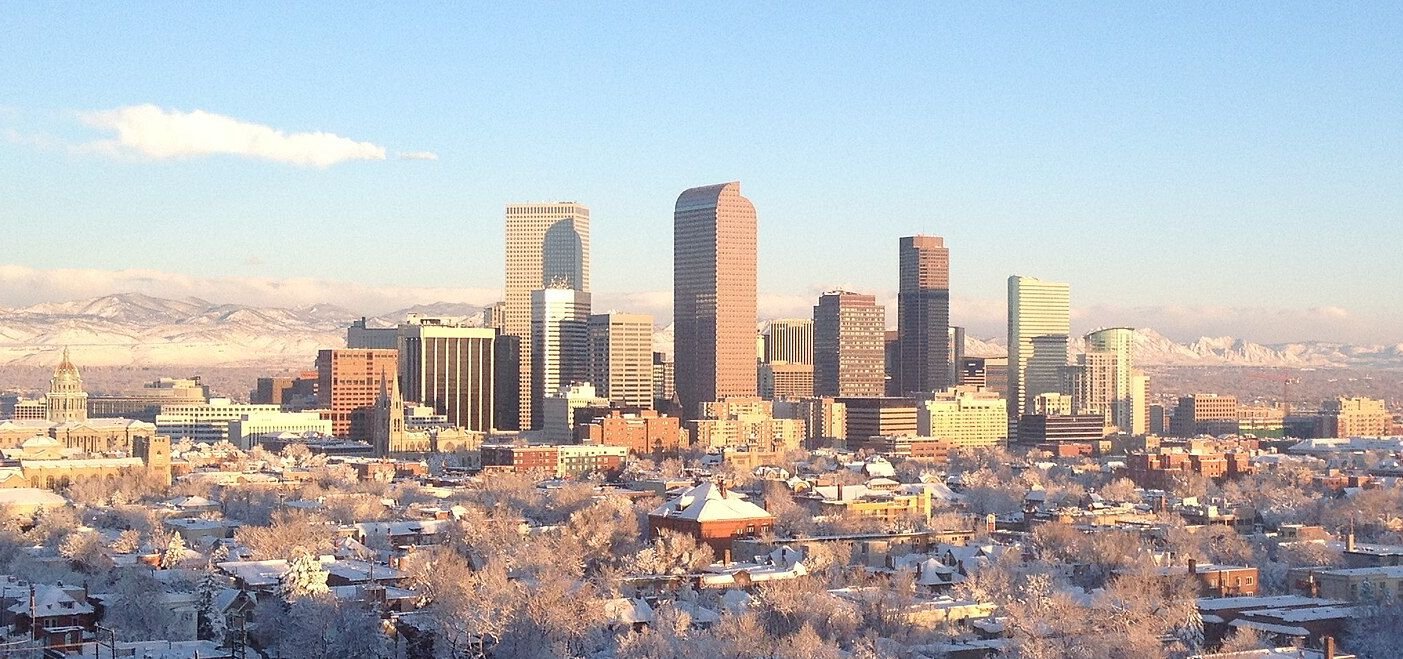
    Denver, Colorado, occupies one of the most enviable geographic positions of any major American city. Sitting at exactly 5,280 feet above sea level – one mile high, as its famous nickname proclaims – Denver serves as the gateway between the Great Plains stretching endlessly to the east and the soaring peaks of the Rocky Mountains rising dramatically to the west. On clear days, which are plentiful given that Denver enjoys more annual sunshine than Miami or Los Angeles, the view of the Front Range from almost anywhere in the city is breathtaking – a jagged white-capped wall of mountains that reminds residents and visitors alike that extraordinary natural adventure is never more than an hour away.

    But Denver is far more than a launching pad for mountain excursions. It is a dynamic, sophisticated, and rapidly evolving city with a world-class arts scene, an extraordinary culinary landscape, a booming craft beer culture, passionate sports fandom, beautifully maintained parks, and a collection of distinctive neighborhoods each with its own character and energy. The city has grown dramatically in recent decades, attracting young professionals, outdoor enthusiasts, entrepreneurs, and artists from across the country, and that influx of talent and ambition has transformed Denver into one of the most exciting and livable cities in the United States.

    Whether you come to ski, hike, eat, drink, explore museums, attend concerts, or simply breathe the thin, clean mountain air, Denver delivers an experience that is genuinely unlike any other American city.

    A Brief History
    The story of Denver begins in the fall of 1858, when a small party of prospectors discovered gold at the confluence of Cherry Creek and the South Platte River. The find triggered a rush of settlers – the Pike’s Peak Gold Rush of 1859 – and within months, a rough collection of camps and supply depots had sprouted at the base of the mountains. The settlement was named after James W. Denver, the governor of the Kansas Territory, in the hope of winning his political favor.

    The early years were wild and turbulent. Denver was a frontier boomtown in the fullest sense, populated by prospectors, gamblers, merchants, and opportunists. Fires burned the early wooden buildings, floods swept through the settlements along the creek, and disputes between competing camps were resolved with considerable violence. But Denver survived and grew, incorporated as a city in 1861, and quickly established itself as the commercial and cultural center of the Colorado Territory.

    The arrival of the transcontinental railroad in the 1870s — after Denver’s civic leaders fought hard to ensure the lines passed through the city rather than bypassing it — transformed Denver from a regional outpost into a major city. Silver mining in the mountains to the west brought extraordinary wealth, and the late 19th century saw Denver build grand Victorian mansions, establish cultural institutions, and develop the infrastructure of a genuine metropolis.

    Colorado achieved statehood in 1876, cementing Denver’s role as the state capital. The 20th century brought the familiar cycles of boom and bust tied to mineral extraction, agriculture, and eventually the energy industry. The oil shocks of the 1970s and 1980s drove tremendous growth followed by painful contraction. But Denver diversified its economy, investing in technology, aerospace, healthcare, finance, and tourism, and by the 1990s was experiencing a sustained renaissance that has continued through the present day.
    The legalization of recreational marijuana in Colorado in 2012 added a new and widely discussed dimension to Denver’s economy and culture, drawing visitors and entrepreneurs from across the country and generating significant tax revenue that has funded public services and infrastructure.

    Getting There and Getting Around
    Denver International Airport (DEN) is one of the busiest airports in the United States and the largest by land area in the country. It serves as a major hub for United Airlines and Southwest Airlines and offers direct flights to hundreds of domestic destinations and dozens of international ones. The airport is distinctive for its enormous white tensile roof, designed to evoke the snow-capped peaks of the Rockies, and for the colorful and often whimsical public art installations throughout its terminals.

    Getting from the airport to downtown is straightforward and affordable. The University of Colorado A Line commuter rail connects Denver International Airport directly to Denver Union Station in approximately 37 minutes and runs frequently throughout the day and evening. It is one of the most convenient airport rail connections of any American city and is highly recommended over the taxi or rideshare alternative, particularly during peak traffic hours.

    Denver Union Station, the stunning Beaux-Arts train terminal built in 1914 and beautifully restored in 2014, serves as the hub of the Regional Transportation District (RTD) light rail and commuter rail network. From Union Station, light rail lines radiate across the metropolitan area, connecting Denver’s neighborhoods and inner suburbs efficiently and comfortably.
    Within the central city, the free 16th Street Mall Shuttle runs the length of the pedestrian-friendly 16th Street corridor and connects the two ends of this central commercial and entertainment spine at no cost. The Downtown Denver B-Cycle bike share program offers affordable bicycle access throughout the city, and the network of protected bike lanes has expanded significantly in recent years. Rideshare services operate throughout the metro area.

    For visitors planning day trips to the mountains, a rental car is practically essential, as public transit connections to mountain towns and ski resorts, while improving, remain limited.

    When to Visit
    Denver’s 300 days of annual sunshine make it an appealing destination in every season, but the character of a visit changes considerably depending on when you arrive.
    Winter (December through February) is the peak season for skiers and snowboarders. The mountains receive abundant snowfall, and world-class ski resorts are within easy driving distance. Denver itself receives moderate snowfall that typically melts quickly thanks to the abundant sunshine, making city exploration comfortable even in the coldest months. The mountains can be reached via Interstate 70, though weekend traffic to the ski resorts can be severe – leaving before 7 a.m. is strongly advised.

    Spring (March through May) is a transitional season in Denver, with mild temperatures in the city and heavy snowfall still possible in the mountains. Late spring brings blooming parks and gardens, fewer crowds at mountain destinations, and the particular freshness that comes after winter. March can bring some of Denver’s heaviest snowstorms, but they typically melt within days.
    Summer (June through August) is the most popular season for outdoor enthusiasts. Hiking, mountain biking, whitewater rafting, camping, and fishing are all at their best. Denver’s high altitude means summer temperatures rarely exceed the low 90s, and the low humidity makes even warm days comfortable. Afternoon thunderstorms are common and can develop rapidly in the mountains, so early starts are advisable for mountain activities. Denver’s outdoor festivals, concerts, and events calendar is packed throughout the summer.

    Fall (September through October) is arguably the most spectacular season in the Colorado Rockies. The aspen trees turn brilliant shades of gold and orange, painting the mountainsides in colors that draw visitors from across the country. Temperatures are mild, crowds diminish after the summer peak, and the clarity of the autumn light gives everything a particular vividness. This is a deeply beloved season among those who know Colorado well.

    The Great Outdoors: Mountains, Parks, and Adventure
    The defining feature of a visit to Denver for many travelers is the access it provides to some of the most spectacular mountain scenery and outdoor recreation in North America. The Rocky Mountains are not merely visible from Denver — they are genuinely accessible within an hour’s drive along Interstate 70, one of the most scenic highway corridors in the country.
    Rocky Mountain National Park, located approximately 90 minutes from downtown Denver near the town of Estes Park, is one of the crown jewels of the American national park system. The park encompasses more than 415 square miles of alpine wilderness, including 77 mountain peaks above 12,000 feet, hundreds of miles of hiking trails, pristine mountain lakes, abundant wildlife including elk, moose, bighorn sheep, and black bears, and the spectacular Trail Ridge Road, the highest continuous paved highway in the United States. Entry requires timed entry permits during peak season, which must be reserved in advance through the National Park Service website.

    Winter skiing and snowboarding are central to Colorado’s identity, and Denver’s proximity to world-class resorts is one of the city’s great assets. Breckenridge, Keystone, and Arapahoe Basin are the closest major ski areas, all accessible via a roughly 90-minute drive along Interstate 70. Vail and Beaver Creek, approximately two hours from Denver, offer some of the finest skiing in North America. Steamboat Springs, about three hours away, is famous for its distinctive “Champagne Powder” snow. Winter Park, the closest major resort at roughly 90 minutes, is accessible via the Ski Train from Denver Union Station on winter weekends, a tremendously enjoyable experience.

    Clear Creek Canyon and the town of Idaho Springs, about 45 minutes west of Denver, offer whitewater rafting ranging from gentle family floats to challenging Class IV rapids. The canyon walls rise dramatically above the rushing creek, and the combination of beautiful scenery and physical excitement makes this one of the most popular day trips from Denver.
    Garden of the Gods, just outside Colorado Springs about 90 minutes south of Denver, is a spectacular collection of dramatic red sandstone rock formations rising against a backdrop of snow-capped Pikes Peak. The formations are extraordinary — towering, twisted, and deeply colored — and the park is free to enter and explore. Colorado Springs itself, home to the United States Air Force Academy, the historic Broadmoor resort, and the Royal Gorge, is a worthwhile day trip destination.

    Closer to Denver, the Red Rocks Park and Amphitheatre deserves its own extended description. This natural geological wonder, located just 15 miles west of downtown, consists of enormous red sandstone monoliths that create a natural performance venue of breathtaking beauty. The amphitheatre has hosted legendary concerts – from the Beatles in 1964 to U2’s classic 1983 recording to countless others – and attending a show here on a warm summer evening, with the twinkling lights of Denver spread across the plain below and the stars emerging overhead, is one of the great live music experiences available anywhere in the world. Even without a performance, the park’s hiking trails through the red rock formations are spectacular.

    Denver’s own city parks are extraordinary. City Park, the largest in the city, houses the Denver Zoo and the Denver Museum of Nature and Science along its eastern edge while offering vast open lawns, a beautiful lake, and panoramic views of the Rockies. Washington Park, known to locals as Wash Park, is the most beloved neighborhood park in the city — a beautifully landscaped 165-acre expanse with two lakes, extensive running and cycling paths, tennis courts, and a wonderful flower garden that blooms spectacularly in summer.
    The High Line Canal Trail is a remarkable 71-mile recreational trail that follows a historic irrigation canal through Denver and its suburbs, offering an unexpected green corridor through the urban landscape.

    Denver’s Neighborhoods
    Denver is a city of distinct and walkable neighborhoods, each with its own personality and appeal. Exploring them is one of the great pleasures of a Denver visit.
    LoDo, or Lower Downtown, is the historic core of Denver and one of the most vibrant urban neighborhoods in the American West. Its streets are lined with beautifully restored late 19th and early 20th century brick warehouses and commercial buildings that now house restaurants, bars, galleries, hotels, and offices. Coors Field, home of the Colorado Rockies baseball team, anchors the northeastern edge of LoDo and has been a catalyst for neighborhood revitalization since it opened in 1995. Denver Union Station, at the heart of LoDo, has become a social hub as well as a transit center, with a collection of outstanding restaurants and bars filling its magnificent restored interior.

    RiNo, the River North Art District, is Denver’s most creatively charged neighborhood. Located just north of downtown along the South Platte River, RiNo was a neglected industrial area that artists and entrepreneurs began colonizing in the early 2000s. Today it is one of the most vibrant arts districts in the country, with an extraordinary concentration of galleries, studios, craft breweries, innovative restaurants, and coffee roasters housed in repurposed warehouses and factories. The street art here — enormous, technically accomplished murals covering entire building facades — is world-class and constitutes an open-air museum in its own right.

    Capitol Hill, surrounding the golden-domed Colorado State Capitol building, is one of Denver’s most architecturally rich neighborhoods. The Capitol itself is worth a visit — its dome is covered in gold leaf mined from Colorado mountains, and tours offer access to the building’s impressive interior and exterior observation deck with sweeping city and mountain views. The surrounding neighborhood contains Victorian mansions, the Molly Brown House Museum (home of the Titanic survivor and Denver social figure), and the Civic Center cultural campus.

    The Highlands, across the South Platte River from downtown, is a collection of charming neighborhoods — Highland, West Highland, and LoHi — characterized by Victorian rowhouses, independent restaurants and boutiques, and the pedestrian-friendly Highland Bridge that connects them to LoDo. LoHi in particular has become one of Denver’s most appealing dining and drinking destinations. The views of downtown Denver from the Highlands are spectacular, particularly at sunset.

    Cherry Creek North is Denver’s upscale shopping and dining district, with a walkable grid of galleries, boutiques, and some of the city’s finest restaurants. The Cherry Creek Shopping Center anchors the district, but it is the independent businesses of Cherry Creek North that give the neighborhood its character. The Cherry Creek Trail follows the creek for miles and connects this neighborhood to downtown and beyond.

    Five Points, historically the heart of Denver’s African American community and once known as the “Harlem of the West” for its legendary jazz and blues scene, is a neighborhood of deep cultural significance currently experiencing revitalization and, with it, the complex challenges of gentrification. The Blair-Caldwell African American Research Library and the Five Points Jazz Festival in May celebrate the neighborhood’s rich cultural heritage.

    Baker and South Broadway form another lively corridor of vintage shops, independent bars, music venues, and casual restaurants that attract a young, creative crowd. The stretch of South Broadway between roughly Alameda and Mississippi Avenues is dense with character and well worth an afternoon’s exploration.

    Food and Drink
    Denver’s culinary scene has matured remarkably over the past two decades, evolving from a meat-and-potatoes town into a genuinely sophisticated dining destination with a wide range of outstanding restaurants across every cuisine and price point.

    The city’s culinary identity is rooted in its Western heritage — beef is taken seriously here, and steakhouses of the highest order are a staple. The Denver omelet, a hearty egg dish with ham, bell peppers, and onions, claims Denver as its birthplace, though the claim is disputed. Green chile, a beloved Colorado tradition with New Mexican roots, is a condiment and sauce that appears on everything from breakfast burritos to smothered fries, and Denver’s version — thicker and often featuring Hatch or Pueblo chiles — is fiercely defended by local devotees.
    The breakfast burrito is possibly Denver’s most iconic food item. Filled with scrambled eggs, potatoes, cheese, and green or red chile sauce, wrapped in a large flour tortilla, this generous morning meal is available at taquerias, food trucks, and diners throughout the city and is best experienced at places like Santiago’s, a local chain with a devoted following, or any number of independent Mexican restaurants.

    The fine dining scene has attracted national attention. Frasca Food and Wine in nearby Boulder, driven by the extraordinary culinary talent of chef Lachlan Mackinnon-Patterson and sommelier Bobby Stuckey, has earned James Beard Awards and national recognition for its refined Friulian Italian cuisine. In Denver proper, restaurants like Mizuna, Rioja, and Work and Class have long been celebrated for their seasonal, sophisticated cooking.

    The food hall concept has found fertile ground in Denver. The Denver Central Market in RiNo, Avanti Food and Beverage in LoHi, and the Broadway Market in Baker all offer curated collections of independent food and drink vendors under one roof, providing an excellent way to sample the diversity of Denver’s food scene in a single visit.
    Denver’s position on international trade routes and its diverse immigrant communities have produced outstanding ethnic dining options. Federal Boulevard on the west side of the city is a remarkable corridor of authentic Vietnamese, Mexican, Somali, and Ethiopian restaurants. Larimer Square, a beautifully restored block of 1870s buildings in LoDo, contains a concentration of acclaimed restaurants in a setting of great historic charm.

    Denver’s craft beer scene is nothing short of legendary. Colorado is one of the most important craft brewing states in the country, and Denver serves as its capital. The city has more craft breweries per capita than almost any other American city, and the quality and variety are extraordinary. Great Divide Brewing Company, one of the foundational craft breweries of Colorado, has been producing award-winning beers since 1994 from its location just north of downtown. Odell Brewing, New Belgium Brewing (of Fat Tire fame, headquartered in Fort Collins but with a significant Denver presence), and Ratio Beerworks in RiNo are among the many outstanding options. The Denver Beer Trail map connects dozens of breweries and taprooms across the city, and brewery tours and tastings are a beloved visitor activity.

    The Great American Beer Festival, held annually in Denver each October, is the most prestigious craft beer competition in the United States and draws breweries and beer enthusiasts from across the country. Attending, if you can secure tickets — they sell out quickly — is a singular experience for beer lovers.
    Colorado’s cannabis industry, legal for recreational use since 2012, has generated its own tourism economy. Dispensaries operate throughout Denver, and cannabis tours, tasting experiences, and cannabis-friendly accommodations have emerged to serve curious visitors. Consumption is legal only on private property, not in public spaces.

    Arts and Culture
    Denver’s arts scene is richer and more diverse than many visitors expect, anchored by world-class institutions and enlivened by a thriving independent creative community.
    The Denver Art Museum is one of the finest art museums in the American West. Its collection spans more than 70,000 works across virtually every artistic tradition, with particular strengths in Native American art — one of the most comprehensive collections in the world — as well as American Western art, pre-Columbian art, modern and contemporary art, and European masters. The museum occupies two landmark buildings: the original 1971 structure designed by Italian architect Gio Ponti and the striking titanium-clad Frederic C. Hamilton Building designed by Daniel Libeskind that opened in 2006.

    The Denver Museum of Nature and Science, situated in City Park, is one of the largest natural history museums in the United States. Its collection includes outstanding exhibits on prehistoric life — Colorado has been an extraordinarily rich source of dinosaur fossils — Egyptian mummies, gems and minerals, space exploration, and the ecology of the American West. The museum also houses an IMAX theater and a planetarium.

    The History Colorado Center, near the Capitol Hill neighborhood, tells the story of Colorado through imaginative and interactive exhibitions that cover everything from the Native American peoples who have lived here for thousands of years through the mining booms, the cattle era, the development of ski culture, and the challenges and opportunities of the present day. The museum takes an admirably honest approach to difficult chapters of Colorado history, including the Sand Creek Massacre of 1864 in which Colorado militia killed hundreds of peaceful Cheyenne and Arapaho people.

    The Clyfford Still Museum, adjacent to the Denver Art Museum, is dedicated to the life and work of Abstract Expressionist painter Clyfford Still, who bequeathed the vast majority of his estate — some 94 percent of his life’s work — to the city of Denver. The collection provides an unparalleled opportunity to engage with one of the 20th century’s most important artists in extraordinary depth.

    The performing arts are well represented in Denver. The Denver Center for the Performing Arts complex houses multiple theaters and is one of the largest performing arts complexes in the country, home to the Colorado Symphony Orchestra, Opera Colorado, Colorado Ballet, and the Denver Center Theatre Company. The Buell Theatre within the complex regularly hosts touring Broadway productions of the highest caliber.

    Red Rocks Amphitheatre, already described as a hiking destination, deserves re-emphasis as a cultural institution. The concert calendar at Red Rocks runs from May through October and features artists across virtually every genre. The acoustic properties of the natural rock formation are renowned, and performers frequently describe Red Rocks as their favorite venue in the world.

    Sports Culture
    Denver is one of a small number of American cities that support franchises in all five major professional sports leagues, and the city’s sports culture is passionate, knowledgeable, and deeply woven into daily life.
    The Denver Broncos of the NFL are the most beloved sports institution in Colorado. Mile High — officially Empower Field at Mile High — holds more than 76,000 fans and has been sold out for every home game for decades. The Broncos have won three Super Bowl championships, and the fan base is among the most devoted in professional football.

    The Colorado Rockies play at Coors Field in LoDo, one of the most beautiful and fan-friendly ballparks in Major League Baseball. The park is famous for a humidor in which baseballs are stored to counteract the effects of Denver’s altitude and thin air on ball flight. Even for casual baseball fans, attending a summer evening game at Coors Field — with the Rocky Mountain backdrop and the lively surrounding neighborhood — is a thoroughly enjoyable experience.

    The Denver Nuggets, winners of the NBA championship in 2023 behind the extraordinary play of center Nikola Jokić, have become one of the most exciting teams in professional basketball. The Colorado Avalanche are a two-time Stanley Cup champion franchise with a passionate fan base. Both teams play at Ball Arena in downtown Denver.
    Colorado Rapids (MLS soccer) and Denver’s growing connection to international football culture round out the professional sports landscape.

    Day Trips and Nearby Destinations
    Denver’s central location makes it an outstanding base for exploring a wide radius of remarkable destinations.
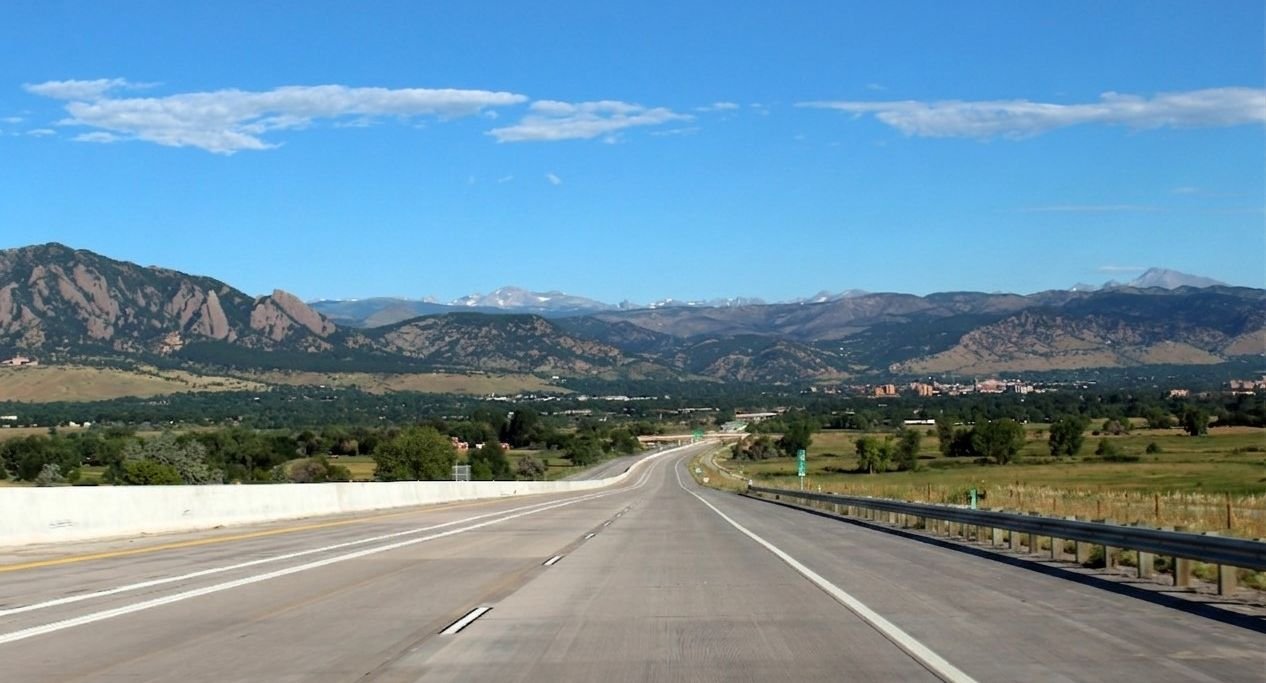
    Boulder, just 30 miles northwest of Denver, is a university city of extraordinary natural beauty, intellectual energy, and outdoor culture. The Flatirons — dramatic tilted slabs of red sandstone rising above the city — are one of the most photographed natural features in Colorado, and the network of hiking and climbing routes around them is world-class. Pearl Street Mall, Boulder’s pedestrian shopping district, is lined with outstanding restaurants, independent shops, street performers, and the unmistakable energy of a progressive college town. The University of Colorado campus is architecturally beautiful and worth exploring.

    Estes Park, the gateway town to Rocky Mountain National Park, is a charming mountain village about 90 minutes from Denver. The Stanley Hotel, which inspired Stephen King’s novel The Shining, dominates the hillside above town and offers tours and accommodations in an atmosphere of Victorian grandeur and deliberate spookiness.
    Georgetown and Idaho Springs are historic mining towns along Interstate 70 that retain much of their 19th-century architecture and offer good restaurants, unique shops, and excellent hiking access.

    Colorado Springs, 90 minutes south, anchors a cluster of extraordinary attractions including Garden of the Gods, Pikes Peak (accessible by highway or the famous cog railway), the Cave of the Winds, and the United States Olympic and Paralympic Museum, a spectacular new facility celebrating American Olympic history.
    Durango and Mesa Verde National Park, in the southwestern corner of Colorado, are a longer drive — about six hours — but reward the journey with the extraordinary cliff dwellings of the ancestral Puebloans at Mesa Verde and the spectacular mountain and desert scenery of the San Juan region.

    Practical Tips for Visitors
    Altitude awareness is essential. At one mile above sea level, Denver’s atmosphere contains roughly 17 percent less oxygen than at sea level. Many visitors experience symptoms of mild altitude sickness including headaches, fatigue, shortness of breath, and disturbed sleep during their first day or two. Staying well hydrated — alcohol dehydrates you more quickly at altitude — taking it easy on the first day, and avoiding strenuous exercise until acclimatized will help significantly. If you plan to go higher into the mountains, where altitudes of 10,000 to 14,000 feet are common, acclimatization becomes even more important.

    Sunscreen is not optional. Denver’s altitude and abundant sunshine mean UV radiation is significantly more intense than at sea level. Sunburn happens quickly and unexpectedly even on relatively cool days. Apply SPF 30 or higher every day regardless of cloud cover.

    Dress in layers. Denver’s weather is notoriously variable. A warm sunny morning can become a cold, windy afternoon, and afternoon thunderstorms are common in summer. Packing layers that can be added or removed gives you maximum flexibility.

    Mountain driving requires preparation. If you plan to drive into the mountains in winter, check road conditions on Cotrip.org before setting out. Carrying chains or ensuring your rental car has appropriate tires is advisable. Interstate 70 through the mountains can close during severe storms.
    Reserve popular restaurants in advance. Denver’s most celebrated restaurants fill up quickly, particularly on weekends. Making reservations several days ahead for dinner at well-regarded establishments is strongly recommended.

    Where to Stay
    Denver offers accommodation options across every category. The downtown and LoDo areas are the most convenient bases for visitors without a car, offering walkable access to restaurants, bars, the light rail network, and many major attractions.
    The Crawford Hotel, located within the beautifully restored Denver Union Station, is one of the most atmospheric and uniquely Denver places to stay — sleeping in a former railway terminal of this grandeur, surrounded by outstanding dining and drinking options, is a quintessentially Denver experience.

    The Oxford Hotel, Denver’s oldest hotel, has been welcoming guests since 1891 and retains its Victorian elegance while offering modern comforts. The Brown Palace Hotel, an iconic triangular building opened in 1892, is perhaps the grandest historic hotel in the Rocky Mountain West and worth a visit even for non-guests.

    For visitors planning extensive mountain activities, staying in one of the mountain resort towns — Breckenridge, Vail, Steamboat Springs — rather than commuting from Denver each day may make more logistical sense, though it limits access to the city’s urban offerings.

    Conclusion
    Denver occupies a singular position in American geography and culture — a sophisticated, energetic, and rapidly evolving city planted at the foot of the most spectacular mountain range on the continent, within reach of skiing, hiking, rafting, and wildlife watching that would be the envy of any destination on earth.
    It is a city that takes outdoor life seriously without taking itself too seriously, that has built a remarkable food and arts scene while maintaining a genuine friendliness and accessibility, and that rewards visitors whether they come for the powder snow of its mountain resorts, the green chile smothered burritos of its taquerias, the craft beer of its dozens of breweries, the live music echoing off the red rocks of its most famous amphitheatre, or simply the feeling — available every clear day from almost anywhere in the city — of standing in brilliant sunlight with the Rocky Mountains filling the western horizon, and understanding exactly why so many people, from so many places, have chosen to call this extraordinary city home.

  • Boulder, Colorado: America’s Happiest City Awaits

    Tucked into a breathtaking valley at the foot of Colorado’s Rocky Mountains,Boulder is one of the most captivating and distinctive cities in the entireUnited States. Sitting at an elevation of 5,430 feet and positioned just25 to 30 miles northwest of Denver, this vibrant community of roughly102,000 residents has earned a reputation that goes far beyond its size.National Geographic has named Boulder the Happiest City in America – andonce you arrive, it is remarkably easy to understand why.

    With more than 300 days of sunshine per year, over 45,000 acres of preservedopen space, 155 miles of open-space trails, and 300 miles of bike andmulti-use paths winding through town, Boulder is a paradise for outdoorenthusiasts, wellness seekers, foodies, and culture lovers alike. The iconicFlatirons — a dramatic series of tilted sandstone slabs rising steeply behindthe city — serve as Boulder’s defining skyline, visible from almost everywherein town and a constant reminder that the wilderness is never far away.

    Bon Appétit magazine once designated Boulder “America’s Foodiest Town,” andthe city’s culinary scene is a testament to that title. Add a renowneduniversity campus, a thriving arts community, a booming craft beer scene,and a deeply progressive, wellness-conscious culture, and you have a citythat is unlike anywhere else in the American West.

    Whether you are a seasoned mountaineer, a casual hiker, a craft beeraficionado, a lover of farm-to-table cuisine, or simply someone in searchof fresh mountain air and stunning scenery, Boulder has somethingextraordinary to offer you.

    A BRIEF HISTORY OF BOULDER
    Long before European settlers arrived, the land that is now Boulder was hometo the Arapaho people, who lived, hunted, and held the surrounding mountainssacred. The Flatirons and the peaks beyond were deeply woven into theirculture and spiritual traditions.

    Boulder was founded in 1859 during the Colorado Gold Rush, when a group ofprospectors from Nebraska set up a supply camp at the mouth of Boulder Canyon.They recognized the strategic value of the location — nestled between theplains and the mountains — and the settlement grew rapidly. Boulder wasincorporated as a town in 1871 and became the county seat of Boulder County.
    From the beginning, Boulder was forward-thinking. The University of Coloradowas established here in 1876, making Boulder a center of intellectual lifein the Rocky Mountain region. The Colorado Chautauqua movement arrived in1898, bringing arts, education, and culture to the city in the form of theColorado Chautauqua — a landmark that still operates today and stands as oneof the only remaining Chautauqua grounds west of the Mississippi.

    Throughout the 20th century, Boulder developed a reputation as a hub forscience, research, and progressive thought. The National Center for AtmosphericResearch (NCAR) opened in 1960 and became one of the most recognizablebuildings in the region. The city’s counterculture spirit flourished in the1960s and 1970s, attracting a generation of idealists, environmentalists,and adventurers — many of whom never left. That spirit is still palpablein Boulder today: the city was one of the first in the nation to adoptopen-space preservation policies, and it continues to lead in sustainability,health, and progressive civic life.

    GETTING TO BOULDER

    BY AIR
    The primary gateway to Boulder is Denver International Airport (DEN), one ofthe busiest airports in the United States with direct connections to hundredsof domestic and international destinations. From DEN, Boulder is approximately45 to 60 minutes by car depending on traffic. Several shuttle services operatedirectly between the airport and Boulder, including Green Ride Boulder andother regional providers. Rental cars are also widely available at the airport.

    BY CAR
    Boulder is easily accessible from Denver via US Highway 36 (the Denver-BoulderTurnpike), a scenic and well-maintained route that takes roughly 30 to 45minutes under normal conditions. From the north, visitors can approach viaInterstate 25 and then head west on Highway 119 or Highway 36.

    BY PUBLIC TRANSIT
    The Regional Transportation District (RTD) operates the Flatiron Flyer (FF)bus rapid transit service between downtown Denver and Boulder, with stopsat Denver Union Station, making it an affordable and convenient car-free option.The ride takes approximately 45 to 55 minutes and runs frequently throughoutthe day.

    GETTING AROUND BOULDER
    Boulder is an exceptionally bike-friendly city. With more than 300 miles ofbike paths and multi-use trails, cycling is one of the most enjoyable andpractical ways to explore the city. Bike rentals are widely available. Thecity also has a free local bus system (HOP, SKIP, JUMP, BOUND, and DASH routes)that connects key neighborhoods and attractions. Many of Boulder’s topdestinations — Pearl Street Mall, Chautauqua Park, the CU campus — areeasily walkable from one another.

    TOP ATTRACTIONS AND THINGS TO DO

    THE FLATIRONS
    No trip to Boulder would be complete without taking in the Flatirons — thefive iconic tilted sandstone rock formations that rise dramatically from thefoothills just west of town. Formed approximately 35 to 80 million years ago,these striking slabs reach heights of up to 1,400 feet above the valley floor.They are the defining symbol of Boulder, appearing on everything from citylogos to restaurant menus. The Flatirons are best viewed from Chautauqua Park,where the famous Chautauqua Meadow stretches out before them — especiallylush and emerald-green in spring. Hiking trails allow adventurous visitorsto get up close, and rock climbers scale their faces year-round.

    CHAUTAUQUA PARK
    A National Historic Landmark and one of Boulder’s most beloved treasures,Chautauqua Park sits at the base of the Flatirons on the western edge of thecity. Established in 1898 as part of the national Chautauqua movement — alate 19th-century initiative to bring education and culture to rural andfrontier communities — this park has been delighting visitors for well overa century. The grounds include the historic Chautauqua Auditorium, whichhosts concerts, film screenings, and special events, and the ChautauquaDining Hall, which serves locally sourced meals with sweeping mountain views.The park is also the trailhead for some of Boulder’s most popular hikes,including the Royal Arch Trail and the First, Second, and Third Flatiron routes.

    PEARL STREET MALL
    Boulder’s lively and beloved pedestrian heart, Pearl Street Mall is a four-blockopen-air promenade in the center of downtown lined with boutique shops,acclaimed restaurants, coffee houses, art galleries, and street performers.The mall pulses with energy day and night, and its blend of local characterand cosmopolitan quality makes it unlike any other downtown street in Colorado.Street musicians, jugglers, and magicians frequently entertain passersby,while local shops offer everything from artisan jewelry to imported kitchengoods. The Boulder Bookstore — an independent bookshop cherished by locals —is a must-visit. The mall and surrounding streets are also home to some ofBoulder’s best restaurants and cafés.

    ELDORADO CANYON STATE PARK
    Just a short drive south of Boulder, Eldorado Canyon State Park is one of themost spectacular natural destinations in all of Colorado. The park is famousfor its towering, near-vertical sandstone and conglomerate cliffs risinghundreds of feet above South Boulder Creek. World-class rock climbing hasdrawn climbers here for decades, and the park boasts a rich array of hikingtrails for all ability levels. The creek rushing through the canyon bottomadds to the dramatic scenery. Wildlife sightings — including golden eagles,mule deer, and black bears — are not uncommon. Even if you are not a climber,a walk along the canyon floor is breathtaking.

    BOULDER CREEK PATH
    Running through the heart of the city along the banks of Boulder Creek, thisbeloved greenway is where Boulder comes alive on sunny days. Cyclists, joggers,families, dog walkers, and picnickers all share this peaceful corridor, whichstretches approximately 16 miles from the mountains to the eastern plains.In summer, swimmers and tubers float in the creek, and the path provides easyaccess to downtown, CU campus, and several parks. It is one of the greaturban green spaces of the American West.

    UNIVERSITY OF COLORADO BOULDER (CU Boulder)
    Founded in 1876, CU Boulder is a major public research university and one ofthe defining institutions of the city. Its campus is architecturally stunning —built in a distinctive Tuscan Vernacular Revival style using buff-coloredsandstone with red-tile roofs — and sits just at the foot of the mountains.Visitors are welcome to stroll the beautiful campus grounds, visit the CUMuseum of Natural History (free admission), and explore the scenic NorlinQuadrangle. The university adds youthful energy and intellectual vibrancyto the city’s character.

    NATIONAL CENTER FOR ATMOSPHERIC RESEARCH (NCAR)
    Perched on a mesa south of town and designed by the legendary architectI.M. Pei, the National Center for Atmospheric Research building is itselfan attraction worth visiting. Its striking mesa top design complements thesurrounding landscape, and the facility offers free public tours and exhibitson weather, climate science, and the atmosphere. The Mesa Lab Trail, whichbegins at the NCAR parking lot, offers some of the finest views of Boulderand the surrounding plains.

    BOULDER RESERVOIR
    A popular spot for outdoor recreation on the eastern edge of the city, BoulderReservoir is a 700-acre body of water surrounded by parkland. Visitors cankayak, paddleboard, windsurf, swim at the sandy beach, or simply relax andtake in the mountain views. Paddleboard and kayak rentals are available on-siteduring the warmer months.

    BOULDER FARMERS MARKET
    One of the finest farmers markets in the American West, the Boulder FarmersMarket runs on Saturdays from April through mid-November (8 AM to 2 PM) andon Wednesdays from May through October (3:30 PM to 7:30 PM). Set alongsideBoulder Creek in Central Park, the market operates under a strict sell-what-you-grow policy, ensuring that everything on offer is genuinely local. Chefs fromBoulder’s top restaurants are frequently spotted shopping here. Beyond freshproduce, the market features artisan food vendors, live music, and a food courtwhere visitors can enjoy ready-to-eat local specialties in the open air.

    BOULDER MUSEUM OF CONTEMPORARY ART (BMoCA)
    Located just a few blocks from Pearl Street Mall, the Boulder Museum ofContemporary Art presents rotating exhibitions of cutting-edge contemporaryart from local, national, and international artists. The museum also hostscommunity events, film screenings, and educational programs, and has areputation for presenting bold, thought-provoking work. Admission isaffordable, and the museum is an essential stop for art lovers.

    FLAGSTAFF MOUNTAIN AND SUMMIT ROAD
    A short drive or a challenging bike ride up Flagstaff Road brings visitorsto a series of rocky summits and overlooks with breathtaking panoramic viewsof Boulder, the plains to the east, and the mountains to the west. GregoryCanyon and Flagstaff Mountain offer popular hiking trails, and the summitpicnic areas are perfect for a sunset gathering. The drive itself isspectacular.

    MOUNT SANITAS
    A favorite among Boulder locals, the Mount Sanitas trail offers a vigorousand rewarding hike just minutes from downtown. The main loop to the summitgains approximately 1,200 feet of elevation over about 1.8 miles, withspectacular views at the top. The trail is beloved for its accessibility —no car required if you’re staying near the center of the city — and itsrugged, rocky character.

    BOULDER CANYON
    Boulder Canyon Drive (Highway 119) heads west from downtown Boulder into thedramatic and beautiful Boulder Canyon, following Boulder Creek as it windsbetween towering canyon walls. The canyon is a popular destination for rockclimbers, with over 300 climbing routes on its granite walls, as well ascyclists, fishermen, and picnickers. Scenic pullouts allow drivers to stopand take in the scenery. The canyon eventually leads to Nederland, a quirkymountain town and gateway to higher terrain.

    OUTDOOR ADVENTURES

    HIKING
    Boulder is a hiker’s paradise, with 155 miles of open-space trails andcountless options ranging from easy creek-side strolls to strenuous summitclimbs. Highlights include:

    • Chautauqua Trail and Royal Arch: A moderately challenging hike through the Flatiron foothills leading to a stunning natural stone arch.
    • Mount Sanitas Loop: A local favorite with sweeping views and varied terrain.
    • Mesa Trail: A beautiful 7-mile trail running along the base of the Flatirons from Chautauqua to South Mesa Trailhead.
    • Green Mountain West Ridge Trail: A strenuous hike to the summit of Green Mountain (8,144 ft) with spectacular 360-degree views.
    • Eldorado Canyon Trails: Scenic trails through the canyon with views of the dramatic cliffs.
    • NCAR Mesa Trail: An accessible walk along the mesa with fine city and mountain views.

    ROCK CLIMBING
    Boulder is one of the great rock climbing destinations in North America.The Flatirons offer traditional multi-pitch climbing routes of all difficultylevels, while Boulder Canyon provides an enormous variety of sport andtraditional routes on granite. Eldorado Canyon draws elite climbers fromaround the world to its towering sandstone and conglomerate walls. Localclimbing shops such as Neptune Mountaineering and The Spot Bouldering Gymcater to climbers of all levels.

    CYCLING
    Boulder’s extensive network of bike paths makes it one of the most cycle-friendly cities in the country. Road cyclists enjoy riding Flagstaff Mountainand the Peak to Peak Highway (one of Colorado’s most scenic drives), whilemountain bikers find outstanding trails in the surrounding foothills andopen spaces. The Boulder Creek Path is perfect for casual riders.

    SKIING AND SNOWBOARDING
    While Boulder itself sits below the main ski terrain, several excellent skiresorts are within easy reach. Eldora Mountain Resort, Boulder’s closest skiarea, is just 30 minutes away and offers more than 60 trails on 680 acres.Further afield, world-class resorts including Breckenridge, Vail, ArapahoeBasin, and Loveland are accessible for day trips.

    WATER SPORTS
    Boulder Reservoir is the local hub for water sports, offering kayaking,paddleboarding, windsurfing, and swimming. Boulder Creek is popular fortubing and creek swimming in summer. For white-water thrills, the ArkansasRiver — a short drive south — offers some of the finest rafting in the state.

    HOT AIR BALLOONING
    For a truly unforgettable perspective on Boulder’s landscapes, severalcompanies offer hot air balloon flights over the Boulder Valley and FrontRange, with panoramic views of the Flatirons, the plains, and the peaksof the Continental Divide.

    FOOD AND DRINK: AMERICA’S FOODIEST TOWN

    Boulder’s culinary scene is exceptional for a city of its size. Bon Appétitnamed it “America’s Foodiest Town,” and the designation is well earned.The city’s food culture is rooted in a deep commitment to local, sustainable,and organic ingredients — Boulder County is home to hundreds of working farmsthat supply restaurants throughout the region. Farm-to-table dining is nota trend here; it is simply the way things have always been done.

    RESTAURANT HIGHLIGHTS

    Frasca Food and Wine
    One of the most celebrated restaurants in Colorado, Frasca holds a MICHELINstar and specializes in the cuisine and wines of Friuli-Venezia Giulia innortheastern Italy. Chef Bobby Stuckey and partner Lachlan Mackinnon-Pattersonhave created a dining experience of rare elegance and warmth. Reservationsare essential.

    The Kitchen
    A beloved Pearl Street institution, The Kitchen is a community-focused restaurantcommitted to sourcing from local farmers and ranchers. The menu is seasonaland sophisticated, emphasizing simple preparations that showcase the qualityof its ingredients. There is also a more casual sister spot, The Kitchen NextDoor, right around the corner.

    SALT Bistro
    A neighborhood gem built on the principle that the best food travels theshortest distance from farm to table. SALT offers a warm, inviting atmosphereand a menu that changes with the seasons to reflect what’s freshest locally.

    Boulder Dushanbe Teahouse
    One of Boulder’s most unique and beautiful landmarks, the Dushanbe Teahousewas a gift to Boulder from its sister city of Dushanbe, the capital ofTajikistan. Forty Tajik artisans hand-carved and hand-painted the intricateinterior, which features ornate elements inspired by a 12th-century Persianpoem. The menu includes more than 100 types of tea alongside a full menu ofinternational dishes. It is a must-visit for any traveler.

    Flagstaff House
    Perched on the slopes of Flagstaff Mountain with stunning views over Boulder,Flagstaff House has been a Boulder landmark for decades. It is one of Colorado’sfinest fine dining restaurants, serving sophisticated contemporary Americancuisine in an atmosphere of refined elegance.

    Lucile’s Creole Restaurant
    A charming and much-loved Boulder institution set in a Victorian house, Lucile’sserves authentic New Orleans Creole cuisine — think shrimp and grits, spicygumbo, steaming beignets, and rich chicory coffee. Brunch here is a Boulderrite of passage, and the lines out the door on weekends are a testament toits popularity.

    The Sink
    A Boulder icon and counterculture institution for over a century, The Sink isa beloved dive on University Hill with funky, graffiti-covered walls, alegendary Sinkburger, Ugly Crust pizzas, and an atmosphere that has delightedCU students and celebrity visitors alike — including President Barack Obamaand chef Guy Fieri. A visit to The Sink is a visit to Boulder’s soul.

    Chautauqua Dining Hall
    Set within the historic Colorado Chautauqua complex at the base of theFlatirons, the Chautauqua Dining Hall is a beautiful and historic venueserving locally sourced meals with wraparound porch views of the mountains.Whether for a weekend brunch or a sunset dinner, this is an experience uniqueto Boulder.

    CRAFT BEER
    Boulder has a thriving craft beer scene that reflects the city’s adventurousand independent spirit. The city is home to a number of excellent breweries,including Avery Brewing Company, Sanitas Brewing Company, Fate Brewing Company,and Mountain Sun Pub & Brewery. Boulder Brew Tours offer guided brewery-hoppingexperiences on foot or by bike, making it easy to explore the local beerculture without worrying about logistics.

    COFFEE
    Boulder takes its coffee seriously. OZO Coffee, with locations on either endof Pearl Street, is a local favorite trusted by chefs and caffeine connoisseursalike. Trident Bookseller & Café on West Pearl is a beloved institution thatpairs excellent coffee with a curated selection of new and used books — thequintessential Boulder experience.

    ARTS AND CULTURE

    Despite its relatively small size, Boulder punches well above its weight interms of cultural life. The city has a strong tradition of arts, performance,and intellectual engagement that reflects its university-town character andprogressive, creative community.

    BOULDER PHILHARMONIC ORCHESTRA
    The Boulder Philharmonic is the city’s professional orchestra, performing afull season of classical and pops concerts at the Boulder Theater and othervenues. The orchestra has a reputation for innovative programming and communityengagement.

    COLORADO SHAKESPEARE FESTIVAL
    Held each summer on the University of Colorado campus, the Colorado ShakespeareFestival is one of the premier Shakespeare festivals in the United States.Outdoor performances in the Mary Rippon Outdoor Theatre — with the Flatironsas a backdrop — are a magical Boulder summer tradition running from Junethrough August.

    COLORADO MUSIC FESTIVAL
    A beloved summer institution, the Colorado Music Festival brings world-classclassical music performances to the historic Chautauqua Auditorium eachsummer, drawing audiences from across the region.

    BOULDER INTERNATIONAL FILM FESTIVAL (BIFF)
    Held annually in February, BIFF showcases independent and international films,attracting filmmakers, industry professionals, and cinema lovers to a celebratedweekend of screenings, panels, and events.

    DAIRY ARTS CENTER
    A converted dairy facility transformed into a vibrant arts hub, the Dairy ArtsCenter houses multiple performance spaces, galleries, and studios. It hoststheater productions, concerts, dance performances, and film screeningsthroughout the year and is central to Boulder’s arts community.

    BOULDER MUSEUM OF CONTEMPORARY ART (BMoCA)
    As described above, BMoCA presents adventurous contemporary art in a welcoming and community-oriented setting.

    CU MUSEUM OF NATURAL HISTORY
    Located on the CU Boulder campus, this free museum features collections inpaleontology, anthropology, zoology, and botany. It is an excellent and oftenoverlooked stop for curious visitors of all ages.

    PUBLIC ART AND MURALS
    Boulder has a rich tradition of public art, and the city’s streets andneighborhoods are adorned with murals, sculptures, and installations. DowntownBoulder Mural Walking Tours offer guided explorations of the city’s publicart scene, with works ranging from historic to contemporary.

    SHOPPING

    Pearl Street Mall and the surrounding downtown streets offer Boulder’s best shopping experience. The mall’s boutiques and independent stores include some true gems:

    • Peppercorn: A beloved home and kitchen shop stocking beautiful imports, gourmet foods, kitchen gadgets, and one-of-a-kind gifts.
    • Boulder Bookstore: An independent bookshop with three floors of books, a rich events calendar, and a warm community feel.
    • Neptune Mountaineering: One of America’s finest outdoor gear shops, with an extraordinary selection of climbing, hiking, and camping equipment and a helpful, expert staff.
    • Local boutiques and galleries: Pearl Street is lined with locally owned clothing boutiques, jewelry makers, art galleries, and specialty shops that reflect Boulder’s creative and independent character.

    Boulder’s commitment to local business means chain stores are relativelyscarce downtown, and the shopping experience is dominated by independentmerchants who know their products and their community.

    ACCOMMODATIONS

    Boulder offers a range of accommodations from historic landmark hotelsto boutique properties, bed and breakfasts, and modern chain hotels.

    Hotel Boulderado
    Boulder’s most storied and beloved hotel, the Hotel Boulderado opened itsdoors on New Year’s Day in 1909 and has been a city landmark ever since.Located just a block from Pearl Street Mall, the hotel blends Victoriangrandeur with modern comforts. Its stained-glass canopy, original woodwork,and vintage atmosphere make it one of the most atmospheric places to stayin Colorado. Reservations are recommended well in advance, especially inpeak season.

    St. Julien Hotel & Spa
    A luxurious contemporary hotel in the heart of downtown with spectacularviews of the Flatirons, the St. Julien is Boulder’s premier full-serviceluxury property. The spa, J Spa, offers a comprehensive menu of treatments,and the hotel’s restaurant and bar are excellent.

    Basecamp Boulder
    A stylish and modern boutique hotel with an outdoor-adventure theme, Basecampcaters to the active traveler and features a lively communal atmosphere.

    Foot of the Mountain Motel
    A charming and affordable historic motel at the mouth of Boulder Canyon,Foot of the Mountain offers clean, comfortable accommodations in a picturesquesetting steps from the creek and hiking trails.

    Vacation Rentals and Airbnb
    A wide variety of vacation rentals are available throughout Boulder and thesurrounding neighborhoods, offering everything from cozy studio apartmentsto full mountain homes.

    ANNUAL EVENTS AND FESTIVALS

    Boulder’s events calendar is packed year-round with festivals, races,markets, and cultural happenings.

    BolderBoulder (Memorial Day Weekend, May)
    One of the most famous 10K road races in the United States, the BolderBoulderdraws tens of thousands of runners and spectators every Memorial Day. Whetheryou participate or simply line the streets to cheer, the race is a joyfuland quintessentially Boulder event.

    Boulder Farmers Market (April–November)
    Running every Saturday morning and Wednesday evening through the growingseason, this market is a city institution and one of the finest farmersmarkets in the West.

    Colorado Music Festival (Summer)
    World-class classical music in the historic Chautauqua Auditorium, one of Boulder’s great summer traditions.

    Colorado Shakespeare Festival (June–August)
    Outdoor Shakespeare performances on the CU campus with mountain backdrop.

    Boulder Jewish Festival (June)
    A lively celebration of Jewish culture with music, food, and community.

    Boulder International Film Festival (February)
    A renowned independent film festival drawing international attention to Boulder.

    Colorado Taco Fest (August)
    A Festive Outdoor Celebration Of Taco Culture With Vendors, Live Music, And A Very Enthusiastic Crowd.

    First Fridays
    On the first Friday of every month, Boulder’s galleries, studios, and artsspaces open their doors for an evening of art viewing, music, and community.An excellent way to connect with Boulder’s creative scene.

    BEST TIME TO VISIT

    Boulder is a rewarding destination in every season, but each time of yearoffers a distinct experience.

    SPRING (March–May)
    Spring brings wildflowers to the open spaces, the Chautauqua Meadow glowsits most vivid emerald green, and the Flatirons often wear a lingering capof snow. Average highs in April reach about 63°F (17°C). The Boulder FarmersMarket returns in early April, and the BolderBoulder race electrifies MemorialDay weekend. This is a wonderful time to hike, with flowers blooming on thetrails and wildlife becoming more active. Shoulder season means fewer crowdsand better accommodation rates.

    SUMMER (June–August)
    Summer is Boulder’s peak season, and for good reason. Long, sunny days areideal for hiking, climbing, cycling, and water sports. Daytime temperaturestypically range from the mid-70s to mid-80s°F (24–30°C), though July andAugust can see occasional days reaching into the 90s. Brief afternoonthunderstorms are common, so carry a light rain jacket when hiking. Thecity’s festivals, farmers markets, and outdoor dining scene are at fullswing. Expect crowds, full trails, and higher accommodation prices — bookwell in advance.

    FALL (September–October)
    Many Boulderites consider fall the finest season of all. Crisp morningsgive way to warm afternoons, the aspen trees turn gold at higher elevations,and the trails are at their most comfortable for hiking and running.September averages around 79°F (26°C) at peak of day, while Octobercools to around 67°F (19°C). The Peak to Peak Highway and trails aroundBrainard Lake offer spectacular foliage drives and hikes. Crowds thin andaccommodation rates drop — fall is arguably the best time to visit forthose who prefer a quieter experience.

    WINTER (November–February)
    Winter brings a different but equally magical side of Boulder. Snow duststhe Flatirons and the surrounding mountains, and the city takes on a cozy,festive character. Skiing and snowboarding at Eldora Mountain Resort andother nearby resorts draws winter sports enthusiasts, and the Pearl StreetMall holiday atmosphere is charming. The city’s restaurants and culturalvenues are welcoming year-round. Daytime temperatures are cool but oftenmild by mountain standards, and Boulder’s famous 300+ sunshine days meanthat even in winter, a warm afternoon on the trails is often possible.

    PRACTICAL TIPS FOR VISITORS

    ALTITUDE AWARENESS
    Boulder sits at 5,430 feet above sea level, and many nearby trails anddestinations are significantly higher. Visitors unaccustomed to altitudemay experience headaches, fatigue, or shortness of breath, especially inthe first day or two. Drink plenty of water, avoid alcohol in your first24 hours, and ascend to higher elevations gradually. Most visitors
    acclimatize quickly.

    SUN PROTECTION
    The high-altitude sun in Colorado is intense. Sunscreen, sunglasses, anda hat are essential, even on overcast days. UV radiation increasessignificantly with altitude.

    HYDRATION
    The dry mountain climate can lead to dehydration faster than you mightexpect. Carry water on all hikes and outdoor activities, and drinkconsistently throughout the day.

    WILDLIFE
    Boulder’s open spaces are home to a variety of wildlife, including muledeer, black bears, mountain lions, coyotes, and rattlesnakes. Keep a safedistance from all wildlife, store food properly, and be aware of yoursurroundings on trails. Check local trail signage for any wildlife alerts.

    DRESS IN LAYERS
    Colorado’s weather is famously changeable. Even on a warm summer day, alate-afternoon thunderstorm can roll in quickly. Dressing in layers allowsyou to adapt to changing conditions on the trail or in town.

    LEAVE NO TRACE
    Boulder’s open spaces are community treasures maintained for the enjoymentof all. Visitors are asked to follow Leave No Trace principles: pack outall trash, stay on designated trails, respect wildlife, and leave naturalfeatures undisturbed.

    CAR PARKING
    Parking in downtown Boulder can be competitive, especially on weekends.The city has several public parking garages near Pearl Street Mall. Arrivingby bike, on foot, or using public transit is often easier and more enjoyable.

    TIPPING AND GRATUITY
    Standard tipping practices apply in Boulder restaurants and service businesses.A tip of 18–22% is customary at sit-down restaurants; rounding up to 20%or more is appreciated.

    DAY TRIPS FROM BOULDER

    ROCKY MOUNTAIN NATIONAL PARK
    Just over an hour’s drive north of Boulder, Rocky Mountain National Park isone of the crown jewels of the American National Park system. With 415 squaremiles of protected wilderness, over 60 peaks above 12,000 feet, and thespectacular Trail Ridge Road — the highest continuous paved highway in theUnited States — the park offers unparalleled alpine scenery, wildlife viewing,and hiking.

    DENVER
    The state capital and Colorado’s largest city is only 30 minutes from Boulderand offers world-class museums (Denver Art Museum, Denver Museum of Natureand Science), professional sports, acclaimed restaurants, and a vibrantarts and nightlife scene.

    ESTES PARK
    The charming gateway town to Rocky Mountain National Park, Estes Park is ascenic mountain village with shops, restaurants, the historic Stanley Hotel(inspiration for Stephen King’s “The Shining”), and easy access to alpinehiking and wildlife viewing. A beautiful drive from Boulder via the Peak toPeak Highway.

    NEDERLAND
    A short drive up Boulder Canyon, Nederland is a laid-back and quirky mountaintown known for its independent spirit, breweries, the Barker Reservoir, andthe famous Frozen Dead Guy Days festival in March. The town also serves asa gateway to the Eldora Mountain ski area.

    PEAK TO PEAK HIGHWAY (COLORADO HIGHWAY 72)
    One of Colorado’s most celebrated scenic drives, the Peak to Peak Highwayruns through the mountains west and north of Boulder, connecting the townsof Nederland, Ward, Allenspark, and Estes Park. The drive offers continuouspanoramic views of the Indian Peaks Wilderness and the eastern slope of theContinental Divide, and is particularly spectacular during fall foliage season.

    SUSTAINABILITY AND RESPONSIBLE TRAVEL

    Boulder is deeply committed to environmental sustainability, and visitorsare encouraged to travel in ways that respect and preserve this ethos.The city has a long history of conservation — its open-space preservationprogram, launched in the 1960s, is a national model — and its residents takegreat pride in the natural environment.
    Choose public transit, cycling, or walking over driving whenever possible.Support local, independently owned businesses rather than chains. Shop atthe farmers market. Respect open-space rules and trail etiquette. Pack yourreusable water bottle — Boulder’s tap water is excellent and the city iscommitted to reducing single-use plastic. By traveling thoughtfully, youbecome part of the community effort to keep Boulder exceptional.

    FINAL THOUGHTS: WHY BOULDER IS UNLIKE ANYWHERE ELSE

    Boulder defies easy categorization. It is at once a world-class outdoorrecreation destination and a sophisticated cultural city. It is a placewhere Nobel Prize-winning scientists hike to the top of the Flatirons atdawn and where MICHELIN-starred chefs shop alongside home cooks at theSaturday farmers market. It is a city of exceptional natural beauty thathas made a century-long commitment to protecting that beauty. It is anintellectual hub that wears its curiosity and open-mindedness lightly, assimply the way things are done here.
    Visitors who come expecting a quaint mountain town quickly discover somethingfar more layered and surprising — a city with genuine depth, world-classfood, serious arts, extraordinary outdoor access, and a community characterthat is unmistakably, irreducibly its own. The Flatirons stand watch overall of it, as they have for millions of years, a reminder that some thingsare simply timeless.
    Boulder will not just impress you. It will make you want to stay.

    ESSENTIAL BOULDER AT A GLANCE

    Location: Boulder County, Colorado; 25-30 miles NW of Denver
    Elevation: 5,430 feet (1,655 meters)
    Population: Approximately 102,000
    Airport: Denver International Airport (DEN) — ~45-60 min by car
    Sunshine: 300+ days per year
    Open Space: Over 45,000 acres preserved
    Trails: 155 miles of open-space trails; 300+ miles of bike paths
    University: University of Colorado Boulder (founded 1876)
    Best For: Hiking, climbing, cycling, farm-to-table dining, craft beer, arts & culture, wellness, family travel

  • Colorado: Where the Mountains Touch the Sky

    Colorado is one of the most spectacular states in the United States, a land of soaring mountain peaks, ancient canyon lands, vast plains, and sophisticated cities that has captured the imagination of travelers, adventurers, artists, and seekers of all kinds for generations. It is a state where the landscape operates on a scale that humbles the human spirit, where fourteen-thousand-foot peaks pierce the clouds above alpine meadows carpeted with wildflowers, where rivers have carved canyons of breathtaking depth and beauty, and where the quality of light on a clear Rocky Mountain afternoon is unlike anything else on earth. Colorado is also a state of remarkable cultural vitality, home to world-class ski resorts, outstanding museums, a thriving culinary scene, and communities that blend outdoor adventurism with genuine intellectual and artistic ambition. Whether you come for the mountains, the history, the food, the culture, or simply the incomparable experience of standing on the roof of the continent and looking out across a world that seems to have no limit, Colorado will exceed your expectations and call you back again and again.

    Denver: The Mile High City
    Denver, the capital and largest city of Colorado, sits at the precise elevation of one mile above sea level at the base of the Rocky Mountain Front Range, where the Great Plains end and the mountains begin with a suddenness that never loses its power to astonish. It is a dynamic, youthful, and genuinely cosmopolitan city that has grown dramatically in the twenty-first century into one of the most desirable and visited urban destinations in the American West.

    The Denver Art Museum is one of the finest art museums in the American West, housed in two landmark buildings including the dramatic titanium-clad Frederic C. Hamilton Building designed by Daniel Libeskind, whose angular, crystalline form rising above Civic Center Park is one of the most architecturally striking museum buildings in the country. The museum’s collection of Native American art is among the most comprehensive in the world, and its holdings of Western American art, pre-Columbian art, and modern and contemporary art are equally distinguished. The museum’s ongoing expansion and renovation program has made it one of the most architecturally exciting cultural institutions in the region.

    The Denver Museum of Nature and Science, situated in City Park with sweeping views of the Front Range, is one of the largest natural history museums in the United States. Its collections encompass ancient Egypt, dinosaur fossils, space science, gems and minerals, and North American wildlife, all presented in a series of beautifully designed galleries. The museum’s IMAX theater and planetarium add to its appeal as a destination for visitors of all ages.

    The History Colorado Center in the Golden Triangle Museum District is the state’s premier history museum, a modern building housing an imaginative and technologically sophisticated exploration of Colorado’s history from its indigenous peoples through the mining era, the ranching frontier, and into the present. The exhibits are interactive, emotionally engaging, and genuinely illuminating about the forces that have shaped Colorado’s remarkable development.

    Civic Center Park, the formal heart of Denver, is surrounded by the State Capitol, the Denver Art Museum, the History Colorado Center, the Denver Public Library, and the Greek Theater, creating one of the finest civic cultural campuses in the American West. The Colorado State Capitol building, completed in 1908, is faced with Colorado gray granite and topped by a dome gilded with genuine Colorado gold. The thirteenth step of the western entrance is precisely one mile above sea level, and the observation deck near the top of the dome offers panoramic views of the Front Range that on clear days extend from New Mexico to Wyoming.

    Larimer Square, the oldest block in Denver, is a beautifully restored Victorian commercial streetscape that is the heart of the city’s dining and nightlife scene. The surrounding Lower Downtown neighborhood, known universally as LoDo, is a district of repurposed nineteenth-century warehouses and commercial buildings now housing some of the finest restaurants, bars, galleries, and boutiques in the city. Union Station, Denver’s magnificently restored Beaux-Arts train station, anchors the neighborhood and has been transformed into a hotel, restaurant, and social hub that is one of the most beloved gathering places in the city. The Great Hall of Union Station, with its soaring ceilings, elegant furnishings, and Terminal Bar, is a destination in its own right.

    The River North Art District, known as RiNo, is Denver’s most creatively energetic neighborhood, a former industrial zone transformed by an explosion of murals, galleries, craft breweries, restaurants, and creative businesses that has made it one of the most visited arts districts in the American West. The walls of RiNo’s warehouses and loading docks have become a vast open-air gallery of street art, with works by internationally recognized artists alongside local talent. The Denver Central Market in RiNo, a food hall occupying a historic produce warehouse, is one of the finest examples of the food hall concept in the country.

    Denver’s craft brewery scene is one of the most developed and celebrated in the United States, reflecting Colorado’s long history of brewing excellence. The city and its surrounding communities have hundreds of craft breweries producing an extraordinary range of styles, and the Great American Beer Festival, held in Denver each autumn, is the largest commercial beer competition in the world. The Tattered Cover Bookstore, with multiple locations across the city, is one of the most beloved independent bookstores in the country and a true institution of Denver’s intellectual life.

    Coors Field, home of the Colorado Rockies baseball team, is one of the most beautiful baseball stadiums in the major leagues, its red brick exterior and mountain backdrop creating a setting that is quintessentially Denver. The high altitude significantly affects the flight of the baseball, making Coors Field the highest-scoring venue in major league baseball and creating a unique and entertaining game experience. Ball Arena, home of the Colorado Avalanche hockey team and the Denver Nuggets basketball team, sits nearby and reflects Denver’s passionate sports culture.

    The 16th Street Mall, a sixteen-block pedestrian and transit promenade through the heart of downtown, connects the Civic Center to LoDo and provides a spine of shopping, dining, and people-watching that gives Denver’s downtown a walkability and energy unusual among western American cities. The recently completed redevelopment of the mall has enhanced its landscaping and public spaces, making it one of the finest urban promenades in the region.

    The Colorado Rockies: Mountains Beyond Imagination
    The Rocky Mountains of Colorado are among the most magnificent mountain landscapes on earth, a succession of ranges and peaks that stretches the length of the state and reaches heights that dwarf anything in the eastern half of the continent. Colorado has 58 peaks exceeding 14,000 feet in elevation, known as fourteeners, more than any other state, and the culture of climbing them has become one of the defining outdoor pursuits of Colorado life. For the traveler, the mountains offer an almost inexhaustible range of experiences across every season, from summer hiking and wildflower viewing to autumn foliage, winter skiing, and spring wildlife watching.

    Rocky Mountain National Park, located about 65 miles northwest of Denver near the town of Estes Park, is one of the crown jewels of the national park system and one of the most visited national parks in the United States. The park encompasses 415 square miles of some of the most breathtaking alpine terrain in North America, including 77 peaks above 12,000 feet, over 350 miles of hiking trails, and Trail Ridge Road, the highest continuous paved highway in the United States, which crosses the Continental Divide at an elevation of 12,183 feet and provides access to an alpine tundra landscape of extraordinary beauty and ecological interest.

    The park’s wildlife is exceptional and remarkably accessible. Elk are frequently seen in the meadows around Moraine Park and Horseshoe Park, particularly during the autumn rut when the haunting bugling of bull elk echoes through the valleys in one of the most evocative sounds in the natural world. Bighorn sheep, mule deer, moose, black bears, mountain lions, and the endearing but altitude-adapted pika and yellow-bellied marmot are all present in the park, and patient observers will rarely be disappointed.

    Estes Park, the gateway town to Rocky Mountain National Park, is a charming mountain resort community with excellent restaurants, shops, and the Stanley Hotel, the grand Georgian Revival resort built in 1909 that inspired Stephen King to write The Shining and continues to attract visitors drawn by its dramatic setting and storied history. The drive up the Big Thompson Canyon from Loveland to Estes Park is one of the most scenic approaches to the mountains in the state.

    Colorado’s Legendary Ski Resorts
    Colorado is home to some of the finest ski resorts in the world, mountain communities that have built reputations over decades for exceptional snow quality, well-designed terrain, and a level of mountain town sophistication that rivals the finest resort destinations anywhere on earth. The Colorado Rockies receive an average of over 300 inches of snow per year at high elevations, and the famously dry, light powder that results from the state’s low humidity and high altitude is among the most prized skiing conditions on the planet.

    Vail, located 100 miles west of Denver in the Eagle River Valley, is the largest ski resort in the United States and one of the most famous ski destinations in the world. Its seven back bowls of untracked powder terrain, its impeccably groomed front-side runs, and its European-style pedestrian village create an experience of mountain resort luxury that has been drawing skiers from around the world since the resort opened in 1962. Vail Village and Lionshead are both beautifully designed communities of hotels, restaurants, galleries, and shops that provide an apres-ski experience of genuine quality and sophistication.

    Aspen, in the Roaring Fork Valley of the central Rockies, is the most glamorous and internationally celebrated of Colorado’s ski towns, a former silver mining boomtown that reinvented itself as a cultural and intellectual resort destination in the postwar years. Aspen actually encompasses four separate ski mountains, Aspen Mountain, Aspen Highlands, Buttermilk, and Snowmass, offering an extraordinary range of terrain from the steep and expert runs of Aspen Highlands to the gentle beginner slopes of Buttermilk, site of the Winter X Games. The town of Aspen itself is a place of extraordinary beauty, its Victorian commercial buildings housing some of the finest restaurants, art galleries, boutiques, and cultural institutions of any mountain town in the world. The Aspen Art Museum, the Wheeler Opera House, and the Aspen Music Festival and School, which brings world-class classical musicians to the mountains each summer, reflect the town’s unique commitment to intellectual and artistic life alongside its identity as a premier outdoor recreation destination.

    Breckenridge, in Summit County about 80 miles west of Denver, is one of the most visited ski resorts in the United States and one of the most beloved mountain towns in Colorado. Its Main Street, a National Historic District of well-preserved Victorian buildings from the mining era, is one of the most charming commercial streets in the Rocky Mountains, lined with excellent restaurants, bars, galleries, and shops that retain a genuine character despite the town’s enormous popularity. The ski terrain at Breckenridge is vast and varied, spread across five interconnected peaks with runs for every level of skier.

    Telluride, in a box canyon in the San Juan Mountains of southwestern Colorado, is widely regarded as the most scenically dramatic ski town in the United States, its Victorian Main Street backed by 13,000-foot peaks and surrounded by waterfalls that cascade down the canyon walls. Bridal Veil Falls, the highest free-falling waterfall in Colorado, drops 365 feet at the head of the canyon and is visible from much of the town. Telluride’s ski terrain is exceptional, and the town’s summer festival season, including the Telluride Bluegrass Festival, the Telluride Film Festival, and dozens of other events, makes it one of the most culturally active communities in the American West.

    Steamboat Springs, in the Yampa River Valley of northwestern Colorado, is famous for its Champagne Powder snow, a trademarked term coined to describe the extraordinarily light and dry powder that accumulates in the valley. The resort has a more relaxed and authentically Western character than some of its more glamorous counterparts, and the town of Steamboat Springs retains a genuine ranching community identity alongside its resort economy. The natural hot springs at Old Town Hot Springs and Strawberry Park Hot Springs provide a deeply restorative experience after a day on the mountain.

    Keystone, Copper Mountain, Arapahoe Basin, and Winter Park are among the many other excellent ski resorts within easy reach of Denver, making the Front Range one of the most ski-accessible urban areas in the world.

    Colorado’s Canyon Country
    While the mountains receive the greatest attention, the canyon lands of western and southwestern Colorado represent an equally extraordinary natural landscape, carved by rivers and time into formations of breathtaking color and complexity.

    Mesa Verde National Park, in the Four Corners region of southwestern Colorado, is one of the most remarkable archaeological sites in North America, preserving the ancestral homeland of the Puebloan people who built elaborate cliff dwellings in the alcoves of the canyon walls between roughly 600 and 1300 AD. The park’s cliff dwellings, including the extraordinary Cliff Palace, the largest cliff dwelling in North America, are among the most awe-inspiring human constructions in the United States, their multi-story stone rooms and towers fitted into natural recesses in the sandstone cliffs with an architectural sophistication that continues to astonish archaeologists and visitors alike. The Chapin Mesa Archeological Museum and the ranger-led tours of the cliff dwellings provide essential context for understanding the culture that created them and the still-mysterious reasons for their abandonment.

    The Black Canyon of the Gunnison National Park, in the west-central part of the state, is one of the most dramatic and least visited national parks in the country, a gorge of almost incomprehensible depth and narrowness carved by the Gunnison River through some of the oldest exposed rock in North America. The canyon walls drop nearly 2,700 feet to the river below, and in places the canyon is only 40 feet wide at the bottom. The views from the South Rim are among the most vertiginous and viscerally powerful in the national park system, and the park’s relative obscurity means that even in summer it retains a sense of wild solitude that more famous parks have long since lost.

    Colorado National Monument, near the city of Grand Junction, preserves a landscape of towering sandstone monoliths, deep canyons, and sweeping mesa vistas that is among the most beautiful and accessible canyon landscapes in the American West. Rim Rock Drive, a 23-mile scenic road along the canyon rim, is one of the finest drives in Colorado, with overlooks providing views of formations like Independence Monument and the Coke Ovens that seem to belong to another planet.

    The Maroon Bells, two fourteeners reflected in Maroon Lake near Aspen, are the most photographed mountains in the United States, their pyramidal forms of dark maroon Maroon Formation mudstone rising above the alpine lake and the golden aspen groves that surround it creating a scene of almost preposterous beauty. The peak color of the aspens in late September transforms the Elk Mountains around Aspen and Snowmass into a landscape of shimmering gold that draws visitors from around the world.

    The San Juan Mountains and Scenic Byways
    The San Juan Mountains of southwestern Colorado constitute one of the most dramatic and remote mountain landscapes in the lower forty-eight states, a vast wilderness of fourteeners, volcanic calderas, alpine lakes, and mining ghost towns that rewards the adventurous traveler with experiences of extraordinary power and beauty.

    The Million Dollar Highway, a stretch of US Highway 550 between Ouray and Silverton, is one of the most thrilling and spectacular mountain roads in the United States, carving its way along sheer cliff faces and through mountain passes with views that drop thousands of feet into the valleys below. The drive is not recommended for those with a fear of heights, but for those who can embrace the exposure, it is an unforgettable experience.

    Ouray, a small Victorian mining town in a box canyon surrounded by 13,000-foot peaks, is known as the Switzerland of America for its dramatic alpine setting. The Ouray Ice Park, located in a narrow canyon just south of town, is the world’s first public ice climbing park, with over 200 climbs on artificially created ice formations that draw climbers from around the world each winter. The Ouray Hot Springs Pool, fed by natural mineral springs, is one of the finest hot spring facilities in Colorado.

    Silverton, further south along the Million Dollar Highway, is a remarkably preserved Victorian mining town at an elevation of 9,318 feet, its false-front commercial buildings and unpaved main street creating an atmosphere of authentic frontier history. The Durango and Silverton Narrow Gauge Railroad connects the two towns along a route of extraordinary scenic beauty, following the Animas River through the mountains in vintage steam-powered trains that have been making the journey since 1882. The train journey is one of the most celebrated heritage railroad experiences in the United States and one of the finest ways to experience the grandeur of the San Juan Mountains.

    Durango, at the southern end of the narrow gauge railroad, is one of the most appealing small cities in Colorado, a former railroad and mining hub that has evolved into a vibrant outdoor recreation destination with excellent restaurants, a lively arts scene, and access to some of the finest mountain biking terrain in the country. The Animas River Trail through town and the vast trail networks of the San Juan National Forest provide recreation opportunities for all seasons.

    Colorado Springs and the Front Range South
    Colorado Springs, located at the foot of Pikes Peak 65 miles south of Denver, is Colorado’s second-largest city and home to one of the most dramatic natural settings of any American city, with the Garden of the Gods and Pikes Peak defining a skyline of extraordinary power.

    Pikes Peak, the most famous mountain in Colorado and arguably the most famous mountain in the United States, rises to 14,115 feet above sea level and can be reached by the Pikes Peak Highway, a 19-mile toll road with 156 turns, or by the Pikes Peak Cog Railway, the highest cog railway in the United States. The view from the summit, which inspired Katharine Lee Bates to write America the Beautiful in 1893, encompasses a panorama of plains, mountains, and sky that is genuinely breathtaking. The Pikes Peak International Hill Climb, an annual automobile and motorcycle race to the summit, is one of the most celebrated motorsport events in the United States.

    The Garden of the Gods is a registered National Natural Landmark whose towering red sandstone formations, some rising over 300 feet, create a landscape of extraordinary drama and beauty against the backdrop of Pikes Peak. The park is free to enter and offers hiking, rock climbing, cycling, and guided geological tours. The visitor center provides excellent interpretation of the geological forces that created the formations and the human history of the site.

    The United States Air Force Academy, north of Colorado Springs, occupies a stunning campus at the base of the Front Range and is open to visitors, who can tour the remarkable Cadet Chapel, a modernist masterpiece of seventeen spires designed by Walter Netsch and completed in 1962. The chapel’s aluminum and glass exterior gleams in the Colorado sun and is one of the most architecturally significant buildings in the American West.

    Cheyenne Mountain Zoo, built on the slopes of Cheyenne Mountain above Colorado Springs, is the only mountain zoo in the United States and consistently ranks among the finest zoos in the country. The elevation and the mountain setting give the zoo a unique character, and the views from the upper portions of the grounds are spectacular.

    Rocky Mountain National Park in All Seasons
    Rocky Mountain National Park deserves extended discussion for its extraordinary range of seasonal experiences. Summer brings wildflower meadows of incomparable beauty, with Indian paintbrush, columbine, and dozens of other species carpeting the alpine meadows above treeline from July through August. The park’s Trail Ridge Road is typically open from Memorial Day through mid-October, weather permitting, and the drive across the tundra at the top of the continent is one of the great American road experiences.

    Autumn transforms the park in October when the aspen groves at lower elevations turn brilliant gold and the elk rut reaches its peak. The sound of bugling bulls echoing through Horseshoe Park at dawn in late September is one of the most powerful wildlife experiences in the American West, and photographers from around the world come to capture the golden aspen groves and the magnificent elk in their autumn splendor.

    Winter closes Trail Ridge Road but opens the park to snowshoeing and cross-country skiing, and the reduced crowds give the winter visitor a sense of solitude and wildness that the summer season cannot provide. Spring brings dramatic snowmelt and the return of wildlife, with newborn elk calves appearing in the meadows in late May and early June.

    Practical Travel Information
    Colorado’s climate varies enormously by elevation and region. Denver and the Front Range cities enjoy over 300 days of sunshine per year and relatively mild winters, though snowstorms can occur from October through April. The mountains receive heavy snowfall from November through April and can experience freezing temperatures even in summer at high elevations. Summer afternoons in the mountains frequently produce afternoon thunderstorms, and travelers above treeline should always begin their hikes early and be prepared to descend quickly if weather develops.

    Denver International Airport is one of the busiest airports in the United States and serves as a major hub for flights across the country and to international destinations. Eagle County Regional Airport serves the Vail and Beaver Creek area, Aspen-Pitkin County Airport serves the Roaring Fork Valley, and Telluride Regional Airport serves the San Juan Mountain region. Amtrak’s California Zephyr passes through Colorado on its scenic route between Chicago and San Francisco, stopping in Denver, Fraser, Glenwood Springs, and Grand Junction, providing one of the most beautiful train journeys in the country.

    The altitude is a genuine consideration for all visitors, particularly those arriving from sea level destinations. Denver’s elevation of 5,280 feet is enough to cause mild altitude adjustment symptoms in some visitors, and the ski resorts and mountain parks at elevations of 9,000 to 14,000 feet can cause more significant altitude sickness in susceptible individuals. Drinking plenty of water, avoiding alcohol for the first day or two, and ascending gradually are the most effective preventive measures.

    Conclusion
    Colorado is a state that operates on a scale and with a beauty that is difficult to fully convey in words. It is a place where the physical world makes demands on the human body and spirit, where the thin air and the overwhelming grandeur of the landscape remind visitors of their own smallness in ways that are simultaneously humbling and exhilarating. It is also a state of remarkable human achievement, where Victorian mining towns have survived as living communities, where world-class cultural institutions thrive at altitude, where culinary creativity flourishes in mountain towns and urban neighborhoods alike, and where the outdoor pursuits of skiing, hiking, cycling, and climbing have become not merely recreation but a way of life and a set of values that shape everything from architecture to cuisine to community design. To visit Colorado is to understand why the people who come here so often choose to stay, and why those who leave almost always find themselves thinking about the mountains, the light, and the particular quality of the air on a clear Colorado morning, and planning their return.