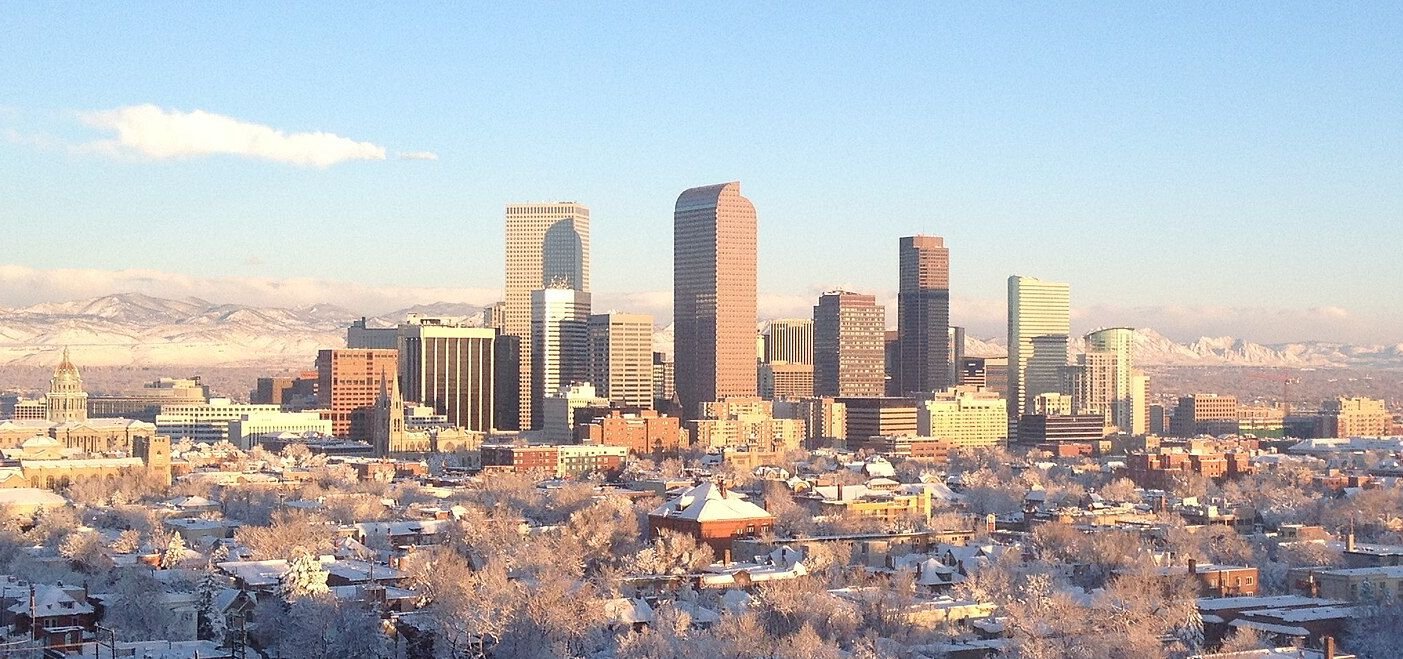
Denver, Colorado, occupies one of the most enviable geographic positions of any major American city. Sitting at exactly 5,280 feet above sea level – one mile high, as its famous nickname proclaims – Denver serves as the gateway between the Great Plains stretching endlessly to the east and the soaring peaks of the Rocky Mountains rising dramatically to the west. On clear days, which are plentiful given that Denver enjoys more annual sunshine than Miami or Los Angeles, the view of the Front Range from almost anywhere in the city is breathtaking – a jagged white-capped wall of mountains that reminds residents and visitors alike that extraordinary natural adventure is never more than an hour away.
But Denver is far more than a launching pad for mountain excursions. It is a dynamic, sophisticated, and rapidly evolving city with a world-class arts scene, an extraordinary culinary landscape, a booming craft beer culture, passionate sports fandom, beautifully maintained parks, and a collection of distinctive neighborhoods each with its own character and energy. The city has grown dramatically in recent decades, attracting young professionals, outdoor enthusiasts, entrepreneurs, and artists from across the country, and that influx of talent and ambition has transformed Denver into one of the most exciting and livable cities in the United States.
Whether you come to ski, hike, eat, drink, explore museums, attend concerts, or simply breathe the thin, clean mountain air, Denver delivers an experience that is genuinely unlike any other American city.
A Brief History
The story of Denver begins in the fall of 1858, when a small party of prospectors discovered gold at the confluence of Cherry Creek and the South Platte River. The find triggered a rush of settlers – the Pike’s Peak Gold Rush of 1859 – and within months, a rough collection of camps and supply depots had sprouted at the base of the mountains. The settlement was named after James W. Denver, the governor of the Kansas Territory, in the hope of winning his political favor.
The early years were wild and turbulent. Denver was a frontier boomtown in the fullest sense, populated by prospectors, gamblers, merchants, and opportunists. Fires burned the early wooden buildings, floods swept through the settlements along the creek, and disputes between competing camps were resolved with considerable violence. But Denver survived and grew, incorporated as a city in 1861, and quickly established itself as the commercial and cultural center of the Colorado Territory.
The arrival of the transcontinental railroad in the 1870s — after Denver’s civic leaders fought hard to ensure the lines passed through the city rather than bypassing it — transformed Denver from a regional outpost into a major city. Silver mining in the mountains to the west brought extraordinary wealth, and the late 19th century saw Denver build grand Victorian mansions, establish cultural institutions, and develop the infrastructure of a genuine metropolis.
Colorado achieved statehood in 1876, cementing Denver’s role as the state capital. The 20th century brought the familiar cycles of boom and bust tied to mineral extraction, agriculture, and eventually the energy industry. The oil shocks of the 1970s and 1980s drove tremendous growth followed by painful contraction. But Denver diversified its economy, investing in technology, aerospace, healthcare, finance, and tourism, and by the 1990s was experiencing a sustained renaissance that has continued through the present day.
The legalization of recreational marijuana in Colorado in 2012 added a new and widely discussed dimension to Denver’s economy and culture, drawing visitors and entrepreneurs from across the country and generating significant tax revenue that has funded public services and infrastructure.
Getting There and Getting Around
Denver International Airport (DEN) is one of the busiest airports in the United States and the largest by land area in the country. It serves as a major hub for United Airlines and Southwest Airlines and offers direct flights to hundreds of domestic destinations and dozens of international ones. The airport is distinctive for its enormous white tensile roof, designed to evoke the snow-capped peaks of the Rockies, and for the colorful and often whimsical public art installations throughout its terminals.
Getting from the airport to downtown is straightforward and affordable. The University of Colorado A Line commuter rail connects Denver International Airport directly to Denver Union Station in approximately 37 minutes and runs frequently throughout the day and evening. It is one of the most convenient airport rail connections of any American city and is highly recommended over the taxi or rideshare alternative, particularly during peak traffic hours.
Denver Union Station, the stunning Beaux-Arts train terminal built in 1914 and beautifully restored in 2014, serves as the hub of the Regional Transportation District (RTD) light rail and commuter rail network. From Union Station, light rail lines radiate across the metropolitan area, connecting Denver’s neighborhoods and inner suburbs efficiently and comfortably.
Within the central city, the free 16th Street Mall Shuttle runs the length of the pedestrian-friendly 16th Street corridor and connects the two ends of this central commercial and entertainment spine at no cost. The Downtown Denver B-Cycle bike share program offers affordable bicycle access throughout the city, and the network of protected bike lanes has expanded significantly in recent years. Rideshare services operate throughout the metro area.
For visitors planning day trips to the mountains, a rental car is practically essential, as public transit connections to mountain towns and ski resorts, while improving, remain limited.
When to Visit
Denver’s 300 days of annual sunshine make it an appealing destination in every season, but the character of a visit changes considerably depending on when you arrive.
Winter (December through February) is the peak season for skiers and snowboarders. The mountains receive abundant snowfall, and world-class ski resorts are within easy driving distance. Denver itself receives moderate snowfall that typically melts quickly thanks to the abundant sunshine, making city exploration comfortable even in the coldest months. The mountains can be reached via Interstate 70, though weekend traffic to the ski resorts can be severe – leaving before 7 a.m. is strongly advised.
Spring (March through May) is a transitional season in Denver, with mild temperatures in the city and heavy snowfall still possible in the mountains. Late spring brings blooming parks and gardens, fewer crowds at mountain destinations, and the particular freshness that comes after winter. March can bring some of Denver’s heaviest snowstorms, but they typically melt within days.
Summer (June through August) is the most popular season for outdoor enthusiasts. Hiking, mountain biking, whitewater rafting, camping, and fishing are all at their best. Denver’s high altitude means summer temperatures rarely exceed the low 90s, and the low humidity makes even warm days comfortable. Afternoon thunderstorms are common and can develop rapidly in the mountains, so early starts are advisable for mountain activities. Denver’s outdoor festivals, concerts, and events calendar is packed throughout the summer.
Fall (September through October) is arguably the most spectacular season in the Colorado Rockies. The aspen trees turn brilliant shades of gold and orange, painting the mountainsides in colors that draw visitors from across the country. Temperatures are mild, crowds diminish after the summer peak, and the clarity of the autumn light gives everything a particular vividness. This is a deeply beloved season among those who know Colorado well.
The Great Outdoors: Mountains, Parks, and Adventure
The defining feature of a visit to Denver for many travelers is the access it provides to some of the most spectacular mountain scenery and outdoor recreation in North America. The Rocky Mountains are not merely visible from Denver — they are genuinely accessible within an hour’s drive along Interstate 70, one of the most scenic highway corridors in the country.
Rocky Mountain National Park, located approximately 90 minutes from downtown Denver near the town of Estes Park, is one of the crown jewels of the American national park system. The park encompasses more than 415 square miles of alpine wilderness, including 77 mountain peaks above 12,000 feet, hundreds of miles of hiking trails, pristine mountain lakes, abundant wildlife including elk, moose, bighorn sheep, and black bears, and the spectacular Trail Ridge Road, the highest continuous paved highway in the United States. Entry requires timed entry permits during peak season, which must be reserved in advance through the National Park Service website.
Winter skiing and snowboarding are central to Colorado’s identity, and Denver’s proximity to world-class resorts is one of the city’s great assets. Breckenridge, Keystone, and Arapahoe Basin are the closest major ski areas, all accessible via a roughly 90-minute drive along Interstate 70. Vail and Beaver Creek, approximately two hours from Denver, offer some of the finest skiing in North America. Steamboat Springs, about three hours away, is famous for its distinctive “Champagne Powder” snow. Winter Park, the closest major resort at roughly 90 minutes, is accessible via the Ski Train from Denver Union Station on winter weekends, a tremendously enjoyable experience.
Clear Creek Canyon and the town of Idaho Springs, about 45 minutes west of Denver, offer whitewater rafting ranging from gentle family floats to challenging Class IV rapids. The canyon walls rise dramatically above the rushing creek, and the combination of beautiful scenery and physical excitement makes this one of the most popular day trips from Denver.
Garden of the Gods, just outside Colorado Springs about 90 minutes south of Denver, is a spectacular collection of dramatic red sandstone rock formations rising against a backdrop of snow-capped Pikes Peak. The formations are extraordinary — towering, twisted, and deeply colored — and the park is free to enter and explore. Colorado Springs itself, home to the United States Air Force Academy, the historic Broadmoor resort, and the Royal Gorge, is a worthwhile day trip destination.
Closer to Denver, the Red Rocks Park and Amphitheatre deserves its own extended description. This natural geological wonder, located just 15 miles west of downtown, consists of enormous red sandstone monoliths that create a natural performance venue of breathtaking beauty. The amphitheatre has hosted legendary concerts – from the Beatles in 1964 to U2’s classic 1983 recording to countless others – and attending a show here on a warm summer evening, with the twinkling lights of Denver spread across the plain below and the stars emerging overhead, is one of the great live music experiences available anywhere in the world. Even without a performance, the park’s hiking trails through the red rock formations are spectacular.
Denver’s own city parks are extraordinary. City Park, the largest in the city, houses the Denver Zoo and the Denver Museum of Nature and Science along its eastern edge while offering vast open lawns, a beautiful lake, and panoramic views of the Rockies. Washington Park, known to locals as Wash Park, is the most beloved neighborhood park in the city — a beautifully landscaped 165-acre expanse with two lakes, extensive running and cycling paths, tennis courts, and a wonderful flower garden that blooms spectacularly in summer.
The High Line Canal Trail is a remarkable 71-mile recreational trail that follows a historic irrigation canal through Denver and its suburbs, offering an unexpected green corridor through the urban landscape.
Denver’s Neighborhoods
Denver is a city of distinct and walkable neighborhoods, each with its own personality and appeal. Exploring them is one of the great pleasures of a Denver visit.
LoDo, or Lower Downtown, is the historic core of Denver and one of the most vibrant urban neighborhoods in the American West. Its streets are lined with beautifully restored late 19th and early 20th century brick warehouses and commercial buildings that now house restaurants, bars, galleries, hotels, and offices. Coors Field, home of the Colorado Rockies baseball team, anchors the northeastern edge of LoDo and has been a catalyst for neighborhood revitalization since it opened in 1995. Denver Union Station, at the heart of LoDo, has become a social hub as well as a transit center, with a collection of outstanding restaurants and bars filling its magnificent restored interior.
RiNo, the River North Art District, is Denver’s most creatively charged neighborhood. Located just north of downtown along the South Platte River, RiNo was a neglected industrial area that artists and entrepreneurs began colonizing in the early 2000s. Today it is one of the most vibrant arts districts in the country, with an extraordinary concentration of galleries, studios, craft breweries, innovative restaurants, and coffee roasters housed in repurposed warehouses and factories. The street art here — enormous, technically accomplished murals covering entire building facades — is world-class and constitutes an open-air museum in its own right.
Capitol Hill, surrounding the golden-domed Colorado State Capitol building, is one of Denver’s most architecturally rich neighborhoods. The Capitol itself is worth a visit — its dome is covered in gold leaf mined from Colorado mountains, and tours offer access to the building’s impressive interior and exterior observation deck with sweeping city and mountain views. The surrounding neighborhood contains Victorian mansions, the Molly Brown House Museum (home of the Titanic survivor and Denver social figure), and the Civic Center cultural campus.
The Highlands, across the South Platte River from downtown, is a collection of charming neighborhoods — Highland, West Highland, and LoHi — characterized by Victorian rowhouses, independent restaurants and boutiques, and the pedestrian-friendly Highland Bridge that connects them to LoDo. LoHi in particular has become one of Denver’s most appealing dining and drinking destinations. The views of downtown Denver from the Highlands are spectacular, particularly at sunset.
Cherry Creek North is Denver’s upscale shopping and dining district, with a walkable grid of galleries, boutiques, and some of the city’s finest restaurants. The Cherry Creek Shopping Center anchors the district, but it is the independent businesses of Cherry Creek North that give the neighborhood its character. The Cherry Creek Trail follows the creek for miles and connects this neighborhood to downtown and beyond.
Five Points, historically the heart of Denver’s African American community and once known as the “Harlem of the West” for its legendary jazz and blues scene, is a neighborhood of deep cultural significance currently experiencing revitalization and, with it, the complex challenges of gentrification. The Blair-Caldwell African American Research Library and the Five Points Jazz Festival in May celebrate the neighborhood’s rich cultural heritage.
Baker and South Broadway form another lively corridor of vintage shops, independent bars, music venues, and casual restaurants that attract a young, creative crowd. The stretch of South Broadway between roughly Alameda and Mississippi Avenues is dense with character and well worth an afternoon’s exploration.
Food and Drink
Denver’s culinary scene has matured remarkably over the past two decades, evolving from a meat-and-potatoes town into a genuinely sophisticated dining destination with a wide range of outstanding restaurants across every cuisine and price point.
The city’s culinary identity is rooted in its Western heritage — beef is taken seriously here, and steakhouses of the highest order are a staple. The Denver omelet, a hearty egg dish with ham, bell peppers, and onions, claims Denver as its birthplace, though the claim is disputed. Green chile, a beloved Colorado tradition with New Mexican roots, is a condiment and sauce that appears on everything from breakfast burritos to smothered fries, and Denver’s version — thicker and often featuring Hatch or Pueblo chiles — is fiercely defended by local devotees.
The breakfast burrito is possibly Denver’s most iconic food item. Filled with scrambled eggs, potatoes, cheese, and green or red chile sauce, wrapped in a large flour tortilla, this generous morning meal is available at taquerias, food trucks, and diners throughout the city and is best experienced at places like Santiago’s, a local chain with a devoted following, or any number of independent Mexican restaurants.
The fine dining scene has attracted national attention. Frasca Food and Wine in nearby Boulder, driven by the extraordinary culinary talent of chef Lachlan Mackinnon-Patterson and sommelier Bobby Stuckey, has earned James Beard Awards and national recognition for its refined Friulian Italian cuisine. In Denver proper, restaurants like Mizuna, Rioja, and Work and Class have long been celebrated for their seasonal, sophisticated cooking.
The food hall concept has found fertile ground in Denver. The Denver Central Market in RiNo, Avanti Food and Beverage in LoHi, and the Broadway Market in Baker all offer curated collections of independent food and drink vendors under one roof, providing an excellent way to sample the diversity of Denver’s food scene in a single visit.
Denver’s position on international trade routes and its diverse immigrant communities have produced outstanding ethnic dining options. Federal Boulevard on the west side of the city is a remarkable corridor of authentic Vietnamese, Mexican, Somali, and Ethiopian restaurants. Larimer Square, a beautifully restored block of 1870s buildings in LoDo, contains a concentration of acclaimed restaurants in a setting of great historic charm.
Denver’s craft beer scene is nothing short of legendary. Colorado is one of the most important craft brewing states in the country, and Denver serves as its capital. The city has more craft breweries per capita than almost any other American city, and the quality and variety are extraordinary. Great Divide Brewing Company, one of the foundational craft breweries of Colorado, has been producing award-winning beers since 1994 from its location just north of downtown. Odell Brewing, New Belgium Brewing (of Fat Tire fame, headquartered in Fort Collins but with a significant Denver presence), and Ratio Beerworks in RiNo are among the many outstanding options. The Denver Beer Trail map connects dozens of breweries and taprooms across the city, and brewery tours and tastings are a beloved visitor activity.
The Great American Beer Festival, held annually in Denver each October, is the most prestigious craft beer competition in the United States and draws breweries and beer enthusiasts from across the country. Attending, if you can secure tickets — they sell out quickly — is a singular experience for beer lovers.
Colorado’s cannabis industry, legal for recreational use since 2012, has generated its own tourism economy. Dispensaries operate throughout Denver, and cannabis tours, tasting experiences, and cannabis-friendly accommodations have emerged to serve curious visitors. Consumption is legal only on private property, not in public spaces.
Arts and Culture
Denver’s arts scene is richer and more diverse than many visitors expect, anchored by world-class institutions and enlivened by a thriving independent creative community.
The Denver Art Museum is one of the finest art museums in the American West. Its collection spans more than 70,000 works across virtually every artistic tradition, with particular strengths in Native American art — one of the most comprehensive collections in the world — as well as American Western art, pre-Columbian art, modern and contemporary art, and European masters. The museum occupies two landmark buildings: the original 1971 structure designed by Italian architect Gio Ponti and the striking titanium-clad Frederic C. Hamilton Building designed by Daniel Libeskind that opened in 2006.
The Denver Museum of Nature and Science, situated in City Park, is one of the largest natural history museums in the United States. Its collection includes outstanding exhibits on prehistoric life — Colorado has been an extraordinarily rich source of dinosaur fossils — Egyptian mummies, gems and minerals, space exploration, and the ecology of the American West. The museum also houses an IMAX theater and a planetarium.
The History Colorado Center, near the Capitol Hill neighborhood, tells the story of Colorado through imaginative and interactive exhibitions that cover everything from the Native American peoples who have lived here for thousands of years through the mining booms, the cattle era, the development of ski culture, and the challenges and opportunities of the present day. The museum takes an admirably honest approach to difficult chapters of Colorado history, including the Sand Creek Massacre of 1864 in which Colorado militia killed hundreds of peaceful Cheyenne and Arapaho people.
The Clyfford Still Museum, adjacent to the Denver Art Museum, is dedicated to the life and work of Abstract Expressionist painter Clyfford Still, who bequeathed the vast majority of his estate — some 94 percent of his life’s work — to the city of Denver. The collection provides an unparalleled opportunity to engage with one of the 20th century’s most important artists in extraordinary depth.
The performing arts are well represented in Denver. The Denver Center for the Performing Arts complex houses multiple theaters and is one of the largest performing arts complexes in the country, home to the Colorado Symphony Orchestra, Opera Colorado, Colorado Ballet, and the Denver Center Theatre Company. The Buell Theatre within the complex regularly hosts touring Broadway productions of the highest caliber.
Red Rocks Amphitheatre, already described as a hiking destination, deserves re-emphasis as a cultural institution. The concert calendar at Red Rocks runs from May through October and features artists across virtually every genre. The acoustic properties of the natural rock formation are renowned, and performers frequently describe Red Rocks as their favorite venue in the world.
Sports Culture
Denver is one of a small number of American cities that support franchises in all five major professional sports leagues, and the city’s sports culture is passionate, knowledgeable, and deeply woven into daily life.
The Denver Broncos of the NFL are the most beloved sports institution in Colorado. Mile High — officially Empower Field at Mile High — holds more than 76,000 fans and has been sold out for every home game for decades. The Broncos have won three Super Bowl championships, and the fan base is among the most devoted in professional football.
The Colorado Rockies play at Coors Field in LoDo, one of the most beautiful and fan-friendly ballparks in Major League Baseball. The park is famous for a humidor in which baseballs are stored to counteract the effects of Denver’s altitude and thin air on ball flight. Even for casual baseball fans, attending a summer evening game at Coors Field — with the Rocky Mountain backdrop and the lively surrounding neighborhood — is a thoroughly enjoyable experience.
The Denver Nuggets, winners of the NBA championship in 2023 behind the extraordinary play of center Nikola Jokić, have become one of the most exciting teams in professional basketball. The Colorado Avalanche are a two-time Stanley Cup champion franchise with a passionate fan base. Both teams play at Ball Arena in downtown Denver.
Colorado Rapids (MLS soccer) and Denver’s growing connection to international football culture round out the professional sports landscape.
Day Trips and Nearby Destinations
Denver’s central location makes it an outstanding base for exploring a wide radius of remarkable destinations.
Boulder, just 30 miles northwest of Denver, is a university city of extraordinary natural beauty, intellectual energy, and outdoor culture. The Flatirons — dramatic tilted slabs of red sandstone rising above the city — are one of the most photographed natural features in Colorado, and the network of hiking and climbing routes around them is world-class. Pearl Street Mall, Boulder’s pedestrian shopping district, is lined with outstanding restaurants, independent shops, street performers, and the unmistakable energy of a progressive college town. The University of Colorado campus is architecturally beautiful and worth exploring.
Estes Park, the gateway town to Rocky Mountain National Park, is a charming mountain village about 90 minutes from Denver. The Stanley Hotel, which inspired Stephen King’s novel The Shining, dominates the hillside above town and offers tours and accommodations in an atmosphere of Victorian grandeur and deliberate spookiness.
Georgetown and Idaho Springs are historic mining towns along Interstate 70 that retain much of their 19th-century architecture and offer good restaurants, unique shops, and excellent hiking access.
Colorado Springs, 90 minutes south, anchors a cluster of extraordinary attractions including Garden of the Gods, Pikes Peak (accessible by highway or the famous cog railway), the Cave of the Winds, and the United States Olympic and Paralympic Museum, a spectacular new facility celebrating American Olympic history.
Durango and Mesa Verde National Park, in the southwestern corner of Colorado, are a longer drive — about six hours — but reward the journey with the extraordinary cliff dwellings of the ancestral Puebloans at Mesa Verde and the spectacular mountain and desert scenery of the San Juan region.
Practical Tips for Visitors
Altitude awareness is essential. At one mile above sea level, Denver’s atmosphere contains roughly 17 percent less oxygen than at sea level. Many visitors experience symptoms of mild altitude sickness including headaches, fatigue, shortness of breath, and disturbed sleep during their first day or two. Staying well hydrated — alcohol dehydrates you more quickly at altitude — taking it easy on the first day, and avoiding strenuous exercise until acclimatized will help significantly. If you plan to go higher into the mountains, where altitudes of 10,000 to 14,000 feet are common, acclimatization becomes even more important.
Sunscreen is not optional. Denver’s altitude and abundant sunshine mean UV radiation is significantly more intense than at sea level. Sunburn happens quickly and unexpectedly even on relatively cool days. Apply SPF 30 or higher every day regardless of cloud cover.
Dress in layers. Denver’s weather is notoriously variable. A warm sunny morning can become a cold, windy afternoon, and afternoon thunderstorms are common in summer. Packing layers that can be added or removed gives you maximum flexibility.
Mountain driving requires preparation. If you plan to drive into the mountains in winter, check road conditions on Cotrip.org before setting out. Carrying chains or ensuring your rental car has appropriate tires is advisable. Interstate 70 through the mountains can close during severe storms.
Reserve popular restaurants in advance. Denver’s most celebrated restaurants fill up quickly, particularly on weekends. Making reservations several days ahead for dinner at well-regarded establishments is strongly recommended.
Where to Stay
Denver offers accommodation options across every category. The downtown and LoDo areas are the most convenient bases for visitors without a car, offering walkable access to restaurants, bars, the light rail network, and many major attractions.
The Crawford Hotel, located within the beautifully restored Denver Union Station, is one of the most atmospheric and uniquely Denver places to stay — sleeping in a former railway terminal of this grandeur, surrounded by outstanding dining and drinking options, is a quintessentially Denver experience.
The Oxford Hotel, Denver’s oldest hotel, has been welcoming guests since 1891 and retains its Victorian elegance while offering modern comforts. The Brown Palace Hotel, an iconic triangular building opened in 1892, is perhaps the grandest historic hotel in the Rocky Mountain West and worth a visit even for non-guests.
For visitors planning extensive mountain activities, staying in one of the mountain resort towns — Breckenridge, Vail, Steamboat Springs — rather than commuting from Denver each day may make more logistical sense, though it limits access to the city’s urban offerings.
Conclusion
Denver occupies a singular position in American geography and culture — a sophisticated, energetic, and rapidly evolving city planted at the foot of the most spectacular mountain range on the continent, within reach of skiing, hiking, rafting, and wildlife watching that would be the envy of any destination on earth.
It is a city that takes outdoor life seriously without taking itself too seriously, that has built a remarkable food and arts scene while maintaining a genuine friendliness and accessibility, and that rewards visitors whether they come for the powder snow of its mountain resorts, the green chile smothered burritos of its taquerias, the craft beer of its dozens of breweries, the live music echoing off the red rocks of its most famous amphitheatre, or simply the feeling — available every clear day from almost anywhere in the city — of standing in brilliant sunlight with the Rocky Mountains filling the western horizon, and understanding exactly why so many people, from so many places, have chosen to call this extraordinary city home.
Leave a Reply
You must be logged in to post a comment.