Tag: Texas Travel Guide

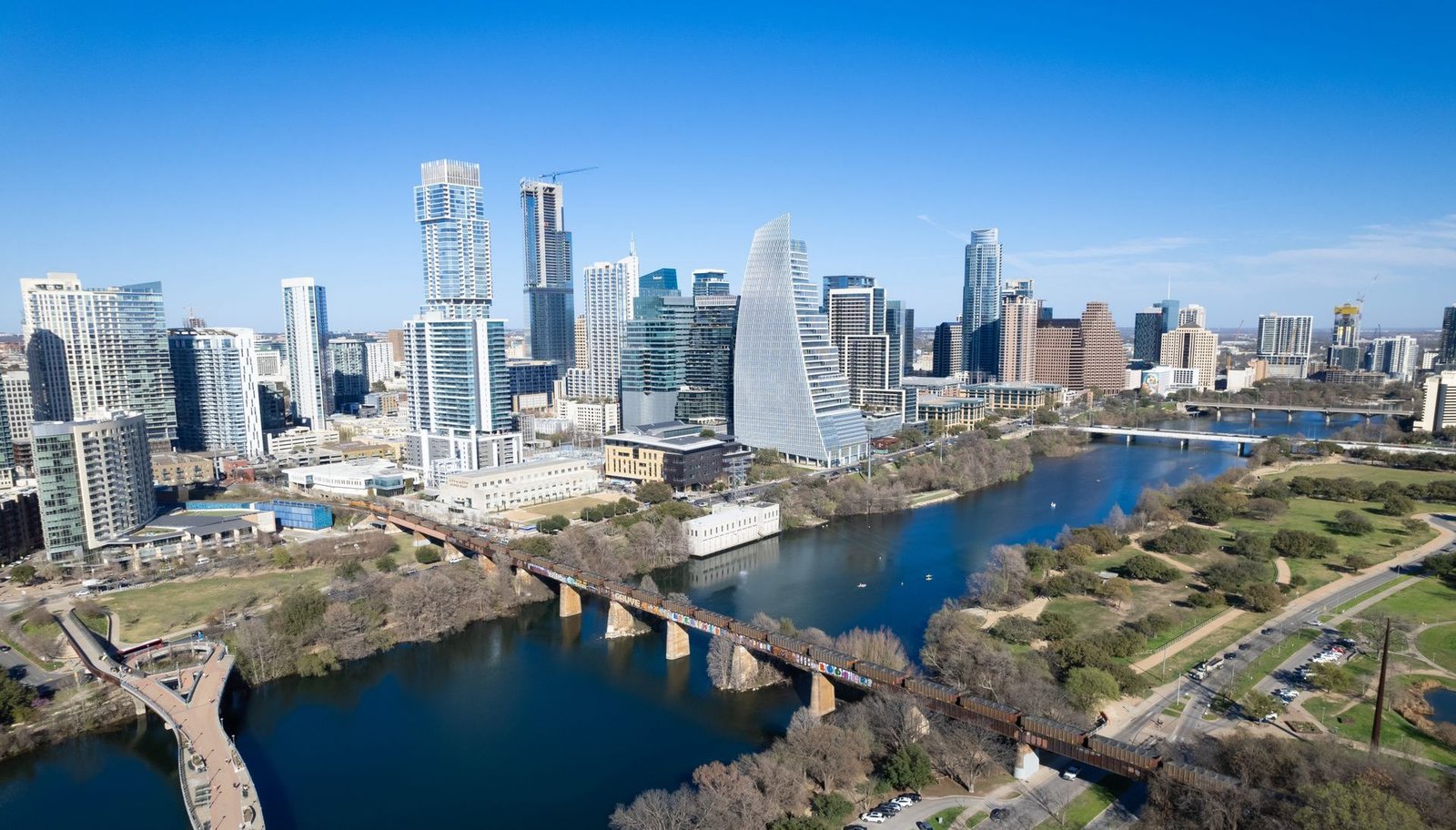
  • Austin, Texas: Green Spaces, Skyline Views, & Hill Country Hues

    Austin, Texas, is one of those rare cities that defies easy categorization. It is simultaneously a thriving tech hub, a college town, a political capital, a foodie paradise, and the self-proclaimed Live Music Capital of the World. Nestled in the heart of the Texas Hill Country along the banks of the Colorado River, Austin has grown from a quiet government seat into one of the most dynamic and fastest-growing cities in the United States. Whether you are drawn by the promise of toe-tapping blues on Sixth Street, the serenity of Barton Springs Pool, or the sizzling aroma of slow-smoked brisket, Austin delivers experiences that are impossible to forget.

    A Brief History
    Austin was founded in 1839 and named after Stephen F. Austin, one of the founding fathers of the Republic of Texas. It was chosen as the capital of the newly formed republic largely for its central location and the natural beauty of its surroundings. The city grew steadily through the 19th and early 20th centuries, anchored by state government and the University of Texas at Austin, which was established in 1883.

    The music scene began to take root in the 1960s and 1970s, when Austin became a gathering point for counterculture musicians and artists. Figures like Willie Nelson, Janis Joplin, and Stevie Ray Vaughan helped shape Austin’s identity as a city that marched to the beat of its own drum — literally and figuratively. The famous slogan “Keep Austin Weird,” born in the early 2000s, reflects the city’s long-standing embrace of individuality, creativity, and unconventional thinking.

    In recent decades, Austin has experienced explosive growth fueled by the technology industry. Companies like Dell, Apple, Tesla, Oracle, and dozens of startups have established major presences here, drawing tens of thousands of workers and transforming the city’s skyline and economy. Yet despite the rapid change, Austin has worked hard to preserve its cultural soul.

    Getting There and Getting Around
    Austin-Bergstrom International Airport (AUS) serves the city with direct flights from most major U.S. cities and a growing number of international destinations. The airport has undergone significant expansion to accommodate the city’s booming population, and travelers will find it modern, efficient, and relatively easy to navigate.

    Once in the city, getting around requires a bit of planning. Austin is car-centric, and having a rental car or using rideshare apps like Uber and Lyft is often the most practical option for visitors. However, the city has been steadily expanding its public transit options. Capital Metro operates bus and rail services, and the MetroRapid lines offer faster connections along key corridors. The city has also invested in bicycle infrastructure, and services like Bird and Lime offer electric scooter rentals throughout central Austin.
    Downtown Austin and its surrounding neighborhoods — including South Congress, East Austin, and South Lamar — are walkable once you arrive, making it easy to explore on foot.

    When to Visit
    Austin is a year-round destination, but timing your trip well can make a significant difference in your experience.
    Spring (March through May) is arguably the best time to visit. The weather is warm but not yet brutal, wildflowers bloom across the Hill Country, and the city comes alive with events. March brings the legendary South by Southwest (SXSW) festival, which transforms Austin into a global gathering point for music, film, technology, and ideas. If you plan to visit during SXSW, book accommodations many months in advance.

    Summer (June through August) is hot — genuinely hot, with temperatures routinely climbing above 100 degrees Fahrenheit. But Austinites embrace it, flocking to the city’s famous swimming holes and outdoor spaces. If you can handle the heat, summer has its own magic.

    Fall (September through November) brings relief from the heat and a packed calendar of events, including the Austin City Limits Music Festival, held over two weekends in October at Zilker Park. This is one of the most beloved music festivals in the country and draws hundreds of thousands of attendees.
    Winter (December through February) is mild by most standards, with temperatures often in the 50s and 60s. It is a quieter time to visit, ideal for those who want to explore the city without crowds.

    Music: The Heartbeat of Austin
    No trip to Austin is complete without immersing yourself in its legendary music scene. The city boasts more live music venues per capita than any other place in the United States, and the sounds spill out from bars, restaurants, rooftops, and street corners on any given night of the week.

    Sixth Street is the most iconic music corridor in Austin. The strip runs through downtown and splits into two distinct experiences: Lower Sixth, also known as “Dirty Sixth,” is the raucous, neon-lit bar scene where cover bands and touring acts play to enthusiastic crowds; and East Sixth, which has evolved into a more eclectic stretch of craft cocktail bars and independent music venues with a cooler, more local vibe.

    The Rainey Street Historic District offers another dimension of Austin nightlife. Originally a residential neighborhood of bungalow homes, it has been transformed into a street of bars and restaurants that manage to maintain a neighborhood feel even as they attract large crowds.

    For a deeper dive into Austin’s musical heritage, visit the Austin City Limits Live at the Moody Center, a premier concert venue, or catch a taping of the legendary Austin City Limits television program at KLRU, the nation’s longest-running music television series.
    The Continental Club on South Congress Avenue has been a cornerstone of Austin’s music scene since 1957. It is the kind of place where you can walk in on a Tuesday night and catch extraordinary talent in an intimate setting. Other beloved venues include Stubb’s Amphitheater, an outdoor stage and legendary BBQ joint, the historic Paramount Theatre, and the Antone’s Nightclub, long considered the home of Austin blues.

    Genres are wonderfully mixed here. On any given night, you might stumble from a honky-tonk playing classic country into a jazz club, then into a venue featuring indie rock or conjunto music. Austin’s music scene is genuinely democratic and joyfully unpredictable.

    Food and Drink: A Culinary Capital
    Austin’s food scene has grown into one of the most exciting in the country, built on a foundation of legendary barbecue and expanded by a wave of innovative chefs, food truck culture, and global influences.

    Barbecue is, of course, the cornerstone. Franklin Barbecue on East 11th Street has become internationally famous — the line begins forming hours before the doors open at 11 a.m., and the restaurant frequently sells out by early afternoon. The brisket here is widely considered among the finest in the world: deeply smoky, tender, and rich with fat and flavor. La Barbecue, Micklethwait Craft Meats, and Interstellar BBQ are other exceptional options that locals love.

    But Austin’s food culture extends far beyond smoked meat. The city’s food truck scene is legendary, with clusters of trailers parked at dedicated lots across the city. South Congress and East César Chávez are particularly rich hunting grounds for food trucks serving everything from Vietnamese banh mi to Korean tacos to artisanal doughnuts.
    Tex-Mex is a way of life in Austin. Restaurants like Matt’s El Rancho, Güero’s Taco Bar, and Veracruz All Natural serve the kind of hearty, flavorful food that Texans have built cultural rituals around. Breakfast tacos, in particular, are a beloved Austin institution — a warm flour tortilla filled with scrambled eggs, bacon or chorizo, cheese, and salsa is the definitive Austin morning meal.

    The restaurant scene has also attracted national and international attention for its fine dining. Uchi, a Japanese restaurant founded by chef Tyson Cole, has earned national acclaim and spawned a small empire of acclaimed restaurants. Comedor, focused on elevated Mexican cuisine, and Emmer & Rye, which mills its own grains and uses a hyper-seasonal approach to menu creation, are among the many restaurants that have placed Austin firmly on the culinary map.

    The craft beer and cocktail scene is equally impressive. Austin has dozens of local breweries, including Jester King, located on a farm outside the city and renowned for its farmhouse ales and wild fermentation, and Austin Beerworks, known for its approachable and well-crafted beers. The cocktail bar scene is sophisticated and inventive, with bartenders who take their craft as seriously as any chef.

    Outdoor Life and Natural Beauty
    Despite being a major city, Austin has an extraordinary relationship with the outdoors. The city is criss-crossed by trails, parks, and bodies of water that invite residents and visitors to spend time outside year-round.

    Barton Springs Pool is perhaps the most beloved outdoor destination in Austin. Fed by underground springs, this three-acre natural swimming pool maintains a temperature of around 68 degrees Fahrenheit throughout the year, making it refreshing in summer and surprisingly comfortable even in winter. It sits within the larger Zilker Metropolitan Park, a 351-acre green space along the Colorado River that also contains the Botanical Garden, the Austin Nature and Science Center, and vast open lawns perfect for picnicking and kite flying.

    The Barton Creek Greenbelt is a treasure for hikers, swimmers, and climbers. This 809-acre natural area follows Barton Creek through a series of limestone canyons, swimming holes, and trails. It is a remarkable piece of wilderness accessible from the heart of the city and beloved by locals as a place to escape the heat.

    Lady Bird Lake — actually a reservoir on the Colorado River — sits at the center of the city and is ringed by the popular Ann and Roy Butler Hike-and-Bike Trail, a 10-mile path that is one of the most used recreational trails in Texas. Kayaking, stand-up paddleboarding, and canoeing are popular on the lake, and the surrounding parkland is beautiful at any time of year.
    For those willing to venture beyond the city limits, the Texas Hill Country awaits within an hour’s drive. This landscape of rolling limestone hills, crystal-clear rivers, wildflower meadows, and charming small towns is one of the most beautiful regions in Texas. Hamilton Pool Preserve, with its stunning natural grotto and waterfall, is a must-visit, though it requires advance reservations. The towns of Fredericksburg, Wimberley, and Marble Falls each offer their own character, wineries, and natural attractions.

    Arts, Culture, and Museums
    Austin’s cultural life is rich and surprisingly deep for a city its size. The arts community ranges from world-class institutions to grassroots galleries and public murals that have become landmarks in their own right.

    The Blanton Museum of Art on the University of Texas campus houses one of the largest university art collections in the United States, with particular strengths in Latin American art, European paintings, and modern American works. Admission is free on certain days, making it accessible to all visitors.
    The Bullock Texas State History Museum is one of the finest state history museums in the country. Its collection traces the full story of Texas from prehistoric times through the present day, and the museum includes an IMAX theater and rotating special exhibitions.

    The Harry Ransom Center, also on the UT campus, is a remarkable humanities research library and museum with collections that include one of the earliest copies of the Gutenberg Bible, original manuscripts from authors like Ernest Hemingway and James Joyce, and an extraordinary photography archive.

    For contemporary and cutting-edge art, the Blanton is complemented by a vibrant network of independent galleries concentrated in East Austin and the Second Street District. The Austin Museum of Art and various alternative art spaces host rotating exhibitions that reflect the city’s experimental spirit.

    Public art is woven into Austin’s urban fabric. The “I Love You So Much” mural on South Congress Avenue is one of the most photographed spots in the city. The murals along East César Chávez Avenue celebrate Mexican American heritage and political history. And Graffiti Park, also known as Castle Hill or HOPE Outdoor Gallery, was a beloved institution for street art and urban expression before its location changed — its spirit lives on in new spaces around the city.

    Neighborhoods Worth Exploring
    South Congress Avenue, affectionately known as SoCo, is one of Austin’s most distinctive corridors. Lined with vintage boutiques, independent restaurants, music venues, and iconic storefronts, it captures the eclectic spirit that Austin has worked hard to preserve. The Hotel San José, a mid-century motel transformed into a design-forward boutique hotel, anchors the strip and is a destination in itself.

    East Austin was once a predominantly working-class and Latino neighborhood that has been dramatically transformed by gentrification over the past two decades. Today it is one of the city’s most vibrant areas, with a dense concentration of bars, restaurants, coffee shops, and music venues. The neighborhood retains pockets of its original character, and the tension between old and new Austin is palpable and worth reflecting on.

    South Lamar is a neighborhood of local businesses, independent cinemas, food trucks, and some of Austin’s most beloved institutions, including the Alamo Drafthouse Cinema, which was founded in Austin and revolutionized the moviegoing experience by combining food and drink service with a strict no-talking, no-phones policy.
    The Domain, in North Austin, is a master-planned mixed-use development that functions as a second downtown of sorts. It is home to high-end retail, restaurants, hotels, and the headquarters of several major tech companies. It offers a different, more polished face of modern Austin.

    Family-Friendly Attractions
    Austin is an excellent destination for families with children. In addition to the natural attractions already mentioned, the city offers several standout family destinations.
    The Austin Zoo, located southwest of downtown, is a rescue zoo that provides a home for animals that cannot survive in the wild. It is smaller and more intimate than traditional zoos, and children particularly enjoy the close encounters it allows.

    The Thinkery is Austin’s children’s museum, designed to inspire curiosity and hands-on learning through interactive exhibits focused on science, technology, engineering, art, and mathematics. It is an ideal rainy day destination for families with young children.

    Barton Creek Farmers Market, held on Saturdays at the Barton Creek Square parking area, is a wonderful family outing that introduces children to local producers, artisan foods, and the culture of farm-to-table eating that Austin champions.

    Practical Tips for Visitors
    Wear comfortable shoes. Austin is a walking and outdoor city, and you will cover significant ground whether you are strolling South Congress, hiking the Greenbelt, or navigating a music festival.

    Stay hydrated. The Texas heat is not to be underestimated, particularly from June through September. Carry water everywhere and seek shade regularly.
    Book accommodations and restaurants well in advance, especially during SXSW, Austin City Limits Music Festival, Formula One weekend at Circuit of the Americas (held in November), and University of Texas football season.

    Cash is still king at many food trucks and smaller music venues, so it is useful to carry some on hand even in an increasingly cashless world.
    Respect the music culture. Tipping musicians performing live is a deeply ingrained Austin tradition. Even free shows at bars are supported by the generosity of audiences who appreciate the talent on stage.

    Finally, embrace spontaneity. Some of the best Austin experiences happen when you follow your nose down an unfamiliar street, duck into a bar because the music sounds good, or strike up a conversation with a stranger at a food truck. The city rewards curiosity.

    Conclusion
    Austin, Texas, is a city that has never stopped evolving, yet somehow never loses its essential character. It is a place where world-class barbecue is eaten on picnic tables under pecan trees, where software engineers share bar stools with musicians and poets, where the natural beauty of the Hill Country begins just beyond the city limits, and where the music never really stops. It is a city that takes its pleasures seriously — its food, its sound, its open spaces, its creative freedom — and invites visitors to do the same. Whatever brings you to Austin, you are likely to leave already planning your return.

  • Texas: Feel the Friendship, Find the Adventure

    Texas is not merely a state — it is a world unto itself. The second-largest state in the United States by both area and population, Texas covers an area larger than France, encompassing an extraordinary range of landscapes, climates, cultures, and experiences. From the piney woods of the east to the Chihuahuan Desert of the west, from the Gulf Coast barrier islands to the rugged canyons of the Panhandle, from the neon-lit streets of Houston to the quiet ranches of the Hill Country, Texas defies easy description. It is a place of genuine pride, deep history, legendary hospitality, and a character so distinctive that Texans often seem to regard their state as a country of its own — and in many ways, they are not wrong.

    Why Visit Texas
    Texas receives over 75 million visitors a year, making it one of the most visited states in the nation. The reasons are as varied as the state itself. History runs deep here — from the Spanish missions of San Antonio to the Civil War battlefields of the east, from the cattle drives that shaped the American West to the space program that put humans on the Moon. The food culture is extraordinary, anchored by a barbecue tradition that is among the most celebrated in the world, and enriched by the profound influence of Mexican cuisine along the border and in cities throughout the state. The music scene, particularly in Austin, has earned Texas a permanent place in the story of American popular culture. And the natural landscapes — whether the dramatic canyons of Palo Duro, the crystal-clear swimming holes of the Hill Country, or the Gulf Coast beaches — offer outdoor experiences found nowhere else.

    North Texas
    The northern portion of Texas is dominated by the Dallas–Fort Worth Metroplex, one of the largest urban areas in the United States, and by the vast, flat plains that stretch toward the Panhandle.
    Dallas is a city of gleaming glass towers, world-class museums, and a restless ambition that has always defined it. The Dallas Arts District is the largest contiguous urban arts district in the United States, anchored by the Nasher Sculpture Center, the Dallas Museum of Art — one of the finest in the South — the Winspear Opera House, and the Wyly Theatre, both designed by the celebrated architectural firm Foster + Partners. The Perot Museum of Nature and Science is a dramatic, fortress-like building on the edge of downtown that is outstanding for families. Dealey Plaza, where President John F. Kennedy was assassinated on November 22, 1963, remains one of the most visited historical sites in Texas. The Sixth Floor Museum, housed in the former Texas School Book Depository overlooking the plaza, presents a thorough and moving account of Kennedy’s life, the assassination, and its aftermath.
    The neighborhoods of Dallas reward exploration. The Bishop Arts District in Oak Cliff is a walkable enclave of independent boutiques, galleries, and some of the best restaurants in the city. Deep Ellum, just east of downtown, is the historic heart of Dallas’s music and arts scene, its streets alive with live music venues, murals, and bars. Uptown is the city’s most walkable neighborhood, lined with restaurants and coffee shops along McKinney Avenue.

    Fort Worth, just 30 miles west of Dallas and often paired with it, has a character entirely its own — and arguably more authentically Texan. The Fort Worth Stockyards National Historic District preserves the legacy of the city’s cattle trading past. Twice daily, a herd of longhorn cattle is driven down Exchange Avenue in the world’s only remaining daily cattle drive — a tradition that draws visitors from around the world and somehow manages to remain genuinely charming rather than merely touristy. The Stockyards are also home to outstanding honky-tonk bars where live country and western music plays nightly. Fort Worth’s Cultural District contains a remarkable concentration of world-class museums within walking distance of each other: the Kimbell Art Museum, widely considered one of the finest small art museums in the world and housed in a masterpiece of architecture by Louis Kahn; the Amon Carter Museum of American Art; and the Modern Art Museum of Fort Worth, designed by Tadao Ando. Together they make Fort Worth a genuinely surprising destination for art lovers.

    The Texas Panhandle stretches across the top of the state in a vast, flat expanse of sky and grassland that many travelers overlook entirely — and that is precisely its appeal for those who seek it out. Amarillo is the regional hub, a city with a gritty, Route 66-era charm. Just south of Amarillo, Palo Duro Canyon State Park reveals one of the great geological surprises of the American interior. Called the “Grand Canyon of Texas,” Palo Duro is the second-largest canyon in the United States, plunging nearly 800 feet from the surrounding plains and stretching 120 miles in length. Its layered red, orange, and yellow rock walls are genuinely spectacular, and the park offers excellent hiking, mountain biking, and horseback riding.

    Central Texas
    Central Texas is the geographic and cultural heart of the state, home to the capital city, the beloved Hill Country, and some of Texas’s most iconic landscapes.
    Austin has undergone a transformation over the past two decades that few American cities can match. What was once a laid-back college town and state capital is now a booming technology hub and one of the most dynamic cities in the United States, while somehow retaining much of the eccentricity and music culture that made it famous in the first place. The city’s unofficial motto — “Keep Austin Weird” — reflects a genuine civic commitment to independent businesses, artistic experimentation, and an irreverent spirit.
    Sixth Street is the famous entertainment corridor, stretching through downtown with dozens of bars and live music venues that spill sound onto the sidewalk every night of the week. The Red River Cultural District, just a few blocks away, has a grittier, more authentic feel and is considered by many locals to be the true center of Austin’s music scene, with venues like Stubb’s Amphitheater — where outdoor concerts are held under the Texas stars — and the Continental Club. The South Congress Avenue corridor, known locally as SoCo, is lined with vintage shops, food trailers, and restaurants that capture Austin’s idiosyncratic personality. The South by Southwest festival, held every March, transforms Austin into arguably the most concentrated showcase of new music, film, and technology on Earth for ten days.

    The University of Texas campus anchors the northern edge of downtown and is home to the outstanding Blanton Museum of Art and the Lyndon Baines Johnson Presidential Library. Barton Springs Pool, a natural spring-fed swimming pool within Zilker Park, is one of Austin’s most beloved institutions — locals swim in its cool, clear water year-round.
    The Texas Hill Country spreads west and northwest of Austin across a landscape of rolling limestone hills, spring-fed rivers, wildflower meadows, and small towns of enormous charm. In spring, the roadsides explode with bluebonnets — the Texas state flower — along with Indian paintbrush, evening primrose, and dozens of other wildflower species, drawing visitors from across the state on weekend drives along routes like the Willow City Loop near Fredericksburg.

    Fredericksburg itself is the Hill Country’s most popular destination — a town with deep German heritage, settled by German immigrants in the 1840s, whose influence is still visible in the architecture, the sausage makers, and the bakeries. Today it is also surrounded by over 50 wineries and tasting rooms in what has become one of the most significant wine regions in Texas, producing excellent Tempranillo, Viognier, and Mourvèdre. The National Museum of the Pacific War, located in Fredericksburg in honor of Fleet Admiral Chester Nimitz — a local son — is one of the finest World War II museums in the United States.

    Bandera bills itself as the “Cowboy Capital of the World” and offers dude ranch experiences, trail rides, and honky-tonks in a genuinely Western setting. Wimberley is an artsy river town on Cypress Creek that draws weekend visitors to its boutiques and the famous Blue Hole swimming area. New Braunfels, founded by German settlers in 1845, is home to the Guadalupe and Comal rivers, both enormously popular for tubing in summer, and to Schlitterbahn, one of the most celebrated water parks in the country.
    San Marcos, between Austin and San Antonio, is a college town built around the headwaters of the San Marcos River, one of the clearest and most beautiful spring-fed waterways in Texas. Glass-bottom boat tours on Spring Lake at the Meadows Center reveal the underwater springs that give the river its extraordinary clarity, and the river itself is ideal for kayaking and tubing.

    South Texas and San Antonio
    San Antonio is one of the most historically rich and culturally layered cities in the United States. Founded as a Spanish mission settlement in 1718, it predates American independence by nearly 60 years, and that depth of history is visible and felt throughout the city.
    The Alamo, standing in the center of downtown, is the most visited historical site in Texas and one of the most iconic in the nation. The 1836 Battle of the Alamo — in which a small force of Texian defenders held the mission against a vastly larger Mexican army for 13 days before being overwhelmed — became the defining mythology of Texas independence. The site is smaller than most visitors expect, surrounded now by the modern city, but the reverence with which Texans regard it is unmistakable, and the museum within is thorough and affecting.

    The San Antonio Missions National Historical Park preserves four additional Spanish colonial missions south of downtown — Mission Concepción, Mission San José, Mission San Juan, and Mission Espada — all in various states of preservation and still serving as active Catholic parishes. Together with the Alamo, they form a UNESCO World Heritage Site, recognized as the best-preserved examples of Spanish colonial missions in North America. The missions are connected by a hiking and cycling trail that makes for an outstanding half-day excursion.
    The River Walk — Paseo del Río — is San Antonio’s most famous attraction and one of the great urban promenades in the United States. A network of stone-paved walkways runs along the San Antonio River one story below street level, lined with restaurants, bars, hotels, and gardens. It is liveliest at night, when the river is lit and the sound of mariachi music drifts across the water. The River Walk extends to the Pearl District to the north, a beautifully redeveloped former brewery complex that is now the city’s most vibrant food and culture destination, with outstanding restaurants, a weekend farmers market, and the Hotel Emma — one of the finest boutique hotels in Texas.

    San Antonio’s food scene is deeply shaped by its position as a majority-Hispanic city on the edge of the border region. Tex-Mex here is not a pale imitation of Mexican food but a distinct and venerable culinary tradition in its own right. Puffy tacos — a San Antonio invention, made with a deep-fried masa shell that puffs during cooking — are a must-try. The city’s Mexican bakeries, taquizas, and family-owned restaurants offer some of the best eating in Texas.
    The Rio Grande Valley and the border region stretching west toward Laredo and beyond is a world of profound cultural complexity — a place where the boundary between the United States and Mexico is, in human terms, almost arbitrary. The twin cities of Laredo and Nuevo Laredo, connected by international bridges, have been one continuous community for centuries, divided politically but united culturally. The region’s food, music, language, and daily life reflect a mestizo culture that is neither purely American nor purely Mexican but something entirely its own.

    East Texas
    East Texas is the most geographically distinct part of the state — a landscape of dense pine forests, red clay soil, bayous, and river bottoms that owes more to the American Deep South than to the Western imagery most people associate with Texas.
    The Piney Woods cover the northeastern corner of the state in a vast canopy of loblolly and shortleaf pine. Caddo Lake State Park is one of the most hauntingly beautiful places in Texas — a labyrinth of bayous, cypress swamps, and open water festooned with Spanish moss, shared with Louisiana and the only natural lake in Texas. Canoe and kayak rentals are available, and paddling through the cypress forests in early morning light is an experience of rare, eerie beauty.

    The city of Nacogdoches claims to be the oldest town in Texas, with a history stretching back to a Caddo Native American settlement and Spanish colonial presence. Tyler is known as the “Rose Capital of the World” for its rose-growing industry and hosts a Rose Festival each October.
    Galveston Island, on the Gulf Coast southeast of Houston, was the largest city in Texas before a catastrophic hurricane in 1900 — still the deadliest natural disaster in American history — reshaped both the island and the state’s urban geography. Today Galveston is a popular beach resort and one of the best-preserved Victorian cities in the United States. The Strand Historic District, the city’s commercial heart in the 19th century, is lined with ornate cast-iron-fronted buildings now housing restaurants, galleries, and shops. The beaches are warm and accessible, and the city’s history — including the remarkable story of the 1900 storm itself, told in moving detail at the Galveston Island Historic Pleasure Pier and the 1900 Storm exhibit at the Galveston County Museum — gives a beach visit an unusual depth.

    West Texas
    West Texas is the Texas that feels most foreign, most elemental, and, to many travelers, most unforgettable. This is big country in the truest sense — vast distances, enormous skies, and landscapes of almost geological severity.
    Big Bend National Park is the crown jewel of West Texas and one of the great undiscovered national parks in the United States, largely because of its remoteness. Situated in a great bend of the Rio Grande on the Mexican border, the park encompasses over 800,000 acres of Chihuahuan Desert, the dramatic Chisos Mountains, and some of the most spectacular river canyons in North America. Santa Elena Canyon, where the Rio Grande has cut a slot nearly 1,500 feet deep through solid limestone, is one of the most dramatic sights in Texas. The park’s remoteness — the nearest commercial airport is four hours away — keeps visitation relatively low, and the dark skies above Big Bend are extraordinary for stargazing; the park has one of the lowest levels of light pollution of any national park in the lower 48 states.

    Marfa is one of the most unexpected cultural destinations in the American West — a tiny former ranching and railroad town of fewer than 2,000 people that has become an internationally recognized center of contemporary art and a pilgrimage site for artists, architects, and creative people from around the world. The transformation began when minimalist artist Donald Judd moved here in the 1970s and began installing his large-scale permanent works in the town’s converted military buildings. The Chinati Foundation, which Judd established, now houses permanent large-scale installations by Judd, Dan Flavin, John Chamberlain, and other major artists in a vast former army base on the edge of town. Marfa’s small main street has excellent restaurants, a beloved bookstore, and a handful of exceptional hotels that somehow manage to feel both luxurious and remote. The mysterious Marfa Lights — unexplained glowing orbs seen on the desert horizon east of town — have been reported for over a century and add a note of wonderful strangeness to the place.

    El Paso sits at the far western tip of Texas, separated from the rest of the state by hundreds of miles of desert and sharing a border — and in many ways a single urban community — with Ciudad Juárez, Mexico. It is the most Western of Texas cities in feel and culture, with a strong Mexican-American identity and food culture. The Franklin Mountains State Park, the largest urban wilderness park in the United States, rises dramatically within the city itself, offering outstanding hiking and rock climbing. The El Paso Museum of Art has an impressive collection, and the city’s Mission Trail preserves Spanish colonial missions dating to the late 17th century.

    Houston and the Gulf Coast
    Houston is the largest city in Texas and the fourth largest in the United States — a massive, sprawling, diverse metropolis without zoning laws that has grown into one of the most cosmopolitan cities in the country. It is the energy capital of the world, home to more Fortune 500 companies than any city except New York, and also one of the most ethnically diverse cities in the United States, with significant communities from Vietnam, India, China, Nigeria, El Salvador, and dozens of other countries, all of which enrich its extraordinary food scene.
    The Houston Museum District contains 19 museums within a walkable area — an astonishing concentration for any city. The Museum of Fine Arts, Houston is one of the largest art museums in the United States, with a collection spanning 6,000 years. The Houston Museum of Natural Science is outstanding, particularly its Hall of Paleontology, which houses one of the finest dinosaur fossil collections in the world. The Menil Collection, a private museum of surrealist, modern, and Byzantine art assembled by the de Menil family, is one of the great small museums in the world — and it is free. The nearby Rothko Chapel, a non-denominational meditation space containing 14 large-scale paintings by Mark Rothko commissioned specifically for the space, is one of the most contemplative and moving art experiences in the United States.

    Space Center Houston, the official visitor center of NASA’s Johnson Space Center, offers one of the most fascinating and educational experiences in the state. Tram tours of the actual Johnson Space Center, including Mission Control, and exhibits of spacecraft, spacesuits, and lunar samples make this a must-visit for anyone even mildly interested in the space program.
    Houston’s restaurant scene is one of the most underrated in the United States. The city’s Vietnamese community along the Bellaire Boulevard corridor produces some of the best pho, banh mi, and Vietnamese seafood outside of Vietnam. The Tex-Mex is outstanding. And a new generation of chefs has put Houston on the national culinary map with creative restaurants drawing on the city’s multicultural population.

    Texas Barbecue
    No travel guide to Texas would be complete without serious attention to barbecue, which in Texas is not merely food but cultural institution, art form, and point of fierce civic pride. Texas barbecue is distinct from the barbecue traditions of the Carolinas, Kansas City, and Memphis — it is primarily about beef, specifically brisket, slow-smoked over post oak wood for 12 to 18 hours until the exterior forms a dark, peppery bark and the interior becomes tender enough to pull apart with the hands.
    The “barbecue belt” of Central Texas — including the towns of Lockhart, Luling, Taylor, and Llano — is considered the heartland of the tradition. Lockhart, in particular, is often called the “Barbecue Capital of Texas” and is home to four legendary establishments: Kreuz Market, Smitty’s Market, Black’s Barbecue (the oldest barbecue restaurant in Texas still operated by the same family), and Chisholm Trail Barbecue. In Austin, Franklin Barbecue achieved national and international fame and is considered by many food critics to be the finest barbecue restaurant in the world — the lines begin forming before dawn and the restaurant typically sells out by early afternoon. Louie Mueller Barbecue in Taylor, Snow’s BBQ in Lexington (open only on Saturday mornings), and Truth Barbeque in Houston are among the other establishments that serious barbecue travelers make genuine pilgrimages to visit.

    Practical Travel Information
    Getting Around
    Texas is enormous, and distances that look manageable on a map are often surprisingly long. Dallas to El Paso is over 600 miles. Houston to the Big Bend area is nearly 500 miles. A car is essential for exploring most of the state. The major cities — Dallas, Houston, San Antonio, and Austin — are connected by an excellent interstate highway system and by frequent, often inexpensive domestic flights. Amtrak’s Sunset Limited passes through Houston, San Antonio, and El Paso three times weekly on its route between New Orleans and Los Angeles, and the Texas Eagle runs between Chicago and San Antonio with connections to the Sunset Limited.

    Best Time to Visit
    Spring (March through May) and fall (September through November) are generally the finest times to visit most of Texas. Summers are brutal — temperatures above 100°F are common across much of the state from June through August, and the humidity in Houston and along the Gulf Coast can make the heat feel even more oppressive. Winter is mild in most of the state, though the Panhandle and West Texas can experience significant cold snaps. Wildflower season in the Hill Country peaks in March and April and is one of the great seasonal events in Texas travel.

    Food Beyond Barbecue
    Tex-Mex — the border-influenced cuisine of enchiladas, fajitas, queso, and margaritas that developed in Texas over generations — is as fundamental to the state’s food identity as barbecue, and debates about the finest practitioners are pursued with equal passion. Chicken-fried steak, a breaded and fried beef cutlet smothered in cream gravy, is another Texas staple of considerable cultural significance. Gulf Coast seafood — particularly the redfish, shrimp, oysters, and blue crabs of the Gulf — is excellent along the coast and in Houston. And the breakfast taco, a subject of intense debate between Austin and San Antonio partisans, is one of the most perfect portable meals ever devised.

    Music
    Texas has contributed disproportionately to the story of American music. The blues developed along the cotton fields of East Texas and the Dallas Deep Ellum district in the early 20th century. Western swing — a uniquely Texan fusion of country, jazz, and big band music — was pioneered by Bob Wills and His Texas Playboys. Country music legends Willie Nelson, Waylon Jennings, and George Strait are Texans. Townes Van Zandt, Lyle Lovett, and Stevie Ray Vaughan are Texans. Beyoncé is a Texan. The live music culture of Austin, where dozens of venues present live music seven nights a week across every genre, is one of the richest in the United States.

    A Few Final Thoughts
    Texas rewards the traveler who approaches it without preconceptions. The state that exists in the popular imagination — of cowboys, oil derricks, and ten-gallon hats — is real, but it is only one thread in a tapestry of extraordinary richness. The same state contains world-class art museums and ancient Spanish missions, a thriving Vietnamese food culture and a barbecue tradition of genuine genius, desert canyons of breathtaking scale and spring-fed rivers of crystalline clarity. Texans themselves are among the warmest and most genuinely hospitable people in the United States, possessed of a pride in their state that, once you have spent real time there, begins to seem entirely justified. Everything really is bigger in Texas — including the welcome.