Tag: US Travel Guide

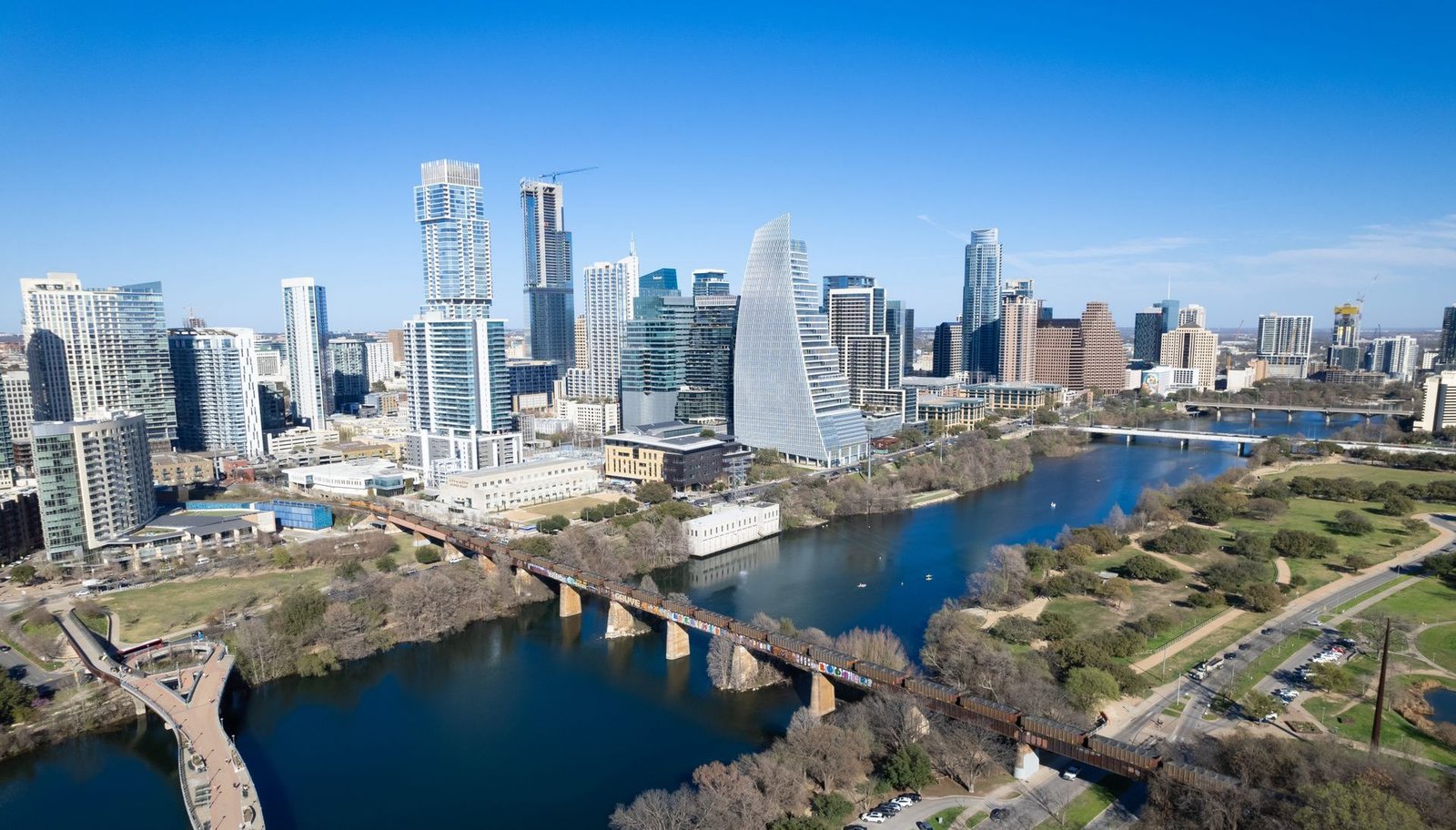
  • Austin, Texas: Green Spaces, Skyline Views, & Hill Country Hues

    Austin, Texas, is one of those rare cities that defies easy categorization. It is simultaneously a thriving tech hub, a college town, a political capital, a foodie paradise, and the self-proclaimed Live Music Capital of the World. Nestled in the heart of the Texas Hill Country along the banks of the Colorado River, Austin has grown from a quiet government seat into one of the most dynamic and fastest-growing cities in the United States. Whether you are drawn by the promise of toe-tapping blues on Sixth Street, the serenity of Barton Springs Pool, or the sizzling aroma of slow-smoked brisket, Austin delivers experiences that are impossible to forget.

    A Brief History
    Austin was founded in 1839 and named after Stephen F. Austin, one of the founding fathers of the Republic of Texas. It was chosen as the capital of the newly formed republic largely for its central location and the natural beauty of its surroundings. The city grew steadily through the 19th and early 20th centuries, anchored by state government and the University of Texas at Austin, which was established in 1883.

    The music scene began to take root in the 1960s and 1970s, when Austin became a gathering point for counterculture musicians and artists. Figures like Willie Nelson, Janis Joplin, and Stevie Ray Vaughan helped shape Austin’s identity as a city that marched to the beat of its own drum — literally and figuratively. The famous slogan “Keep Austin Weird,” born in the early 2000s, reflects the city’s long-standing embrace of individuality, creativity, and unconventional thinking.

    In recent decades, Austin has experienced explosive growth fueled by the technology industry. Companies like Dell, Apple, Tesla, Oracle, and dozens of startups have established major presences here, drawing tens of thousands of workers and transforming the city’s skyline and economy. Yet despite the rapid change, Austin has worked hard to preserve its cultural soul.

    Getting There and Getting Around
    Austin-Bergstrom International Airport (AUS) serves the city with direct flights from most major U.S. cities and a growing number of international destinations. The airport has undergone significant expansion to accommodate the city’s booming population, and travelers will find it modern, efficient, and relatively easy to navigate.

    Once in the city, getting around requires a bit of planning. Austin is car-centric, and having a rental car or using rideshare apps like Uber and Lyft is often the most practical option for visitors. However, the city has been steadily expanding its public transit options. Capital Metro operates bus and rail services, and the MetroRapid lines offer faster connections along key corridors. The city has also invested in bicycle infrastructure, and services like Bird and Lime offer electric scooter rentals throughout central Austin.
    Downtown Austin and its surrounding neighborhoods — including South Congress, East Austin, and South Lamar — are walkable once you arrive, making it easy to explore on foot.

    When to Visit
    Austin is a year-round destination, but timing your trip well can make a significant difference in your experience.
    Spring (March through May) is arguably the best time to visit. The weather is warm but not yet brutal, wildflowers bloom across the Hill Country, and the city comes alive with events. March brings the legendary South by Southwest (SXSW) festival, which transforms Austin into a global gathering point for music, film, technology, and ideas. If you plan to visit during SXSW, book accommodations many months in advance.

    Summer (June through August) is hot — genuinely hot, with temperatures routinely climbing above 100 degrees Fahrenheit. But Austinites embrace it, flocking to the city’s famous swimming holes and outdoor spaces. If you can handle the heat, summer has its own magic.

    Fall (September through November) brings relief from the heat and a packed calendar of events, including the Austin City Limits Music Festival, held over two weekends in October at Zilker Park. This is one of the most beloved music festivals in the country and draws hundreds of thousands of attendees.
    Winter (December through February) is mild by most standards, with temperatures often in the 50s and 60s. It is a quieter time to visit, ideal for those who want to explore the city without crowds.

    Music: The Heartbeat of Austin
    No trip to Austin is complete without immersing yourself in its legendary music scene. The city boasts more live music venues per capita than any other place in the United States, and the sounds spill out from bars, restaurants, rooftops, and street corners on any given night of the week.

    Sixth Street is the most iconic music corridor in Austin. The strip runs through downtown and splits into two distinct experiences: Lower Sixth, also known as “Dirty Sixth,” is the raucous, neon-lit bar scene where cover bands and touring acts play to enthusiastic crowds; and East Sixth, which has evolved into a more eclectic stretch of craft cocktail bars and independent music venues with a cooler, more local vibe.

    The Rainey Street Historic District offers another dimension of Austin nightlife. Originally a residential neighborhood of bungalow homes, it has been transformed into a street of bars and restaurants that manage to maintain a neighborhood feel even as they attract large crowds.

    For a deeper dive into Austin’s musical heritage, visit the Austin City Limits Live at the Moody Center, a premier concert venue, or catch a taping of the legendary Austin City Limits television program at KLRU, the nation’s longest-running music television series.
    The Continental Club on South Congress Avenue has been a cornerstone of Austin’s music scene since 1957. It is the kind of place where you can walk in on a Tuesday night and catch extraordinary talent in an intimate setting. Other beloved venues include Stubb’s Amphitheater, an outdoor stage and legendary BBQ joint, the historic Paramount Theatre, and the Antone’s Nightclub, long considered the home of Austin blues.

    Genres are wonderfully mixed here. On any given night, you might stumble from a honky-tonk playing classic country into a jazz club, then into a venue featuring indie rock or conjunto music. Austin’s music scene is genuinely democratic and joyfully unpredictable.

    Food and Drink: A Culinary Capital
    Austin’s food scene has grown into one of the most exciting in the country, built on a foundation of legendary barbecue and expanded by a wave of innovative chefs, food truck culture, and global influences.

    Barbecue is, of course, the cornerstone. Franklin Barbecue on East 11th Street has become internationally famous — the line begins forming hours before the doors open at 11 a.m., and the restaurant frequently sells out by early afternoon. The brisket here is widely considered among the finest in the world: deeply smoky, tender, and rich with fat and flavor. La Barbecue, Micklethwait Craft Meats, and Interstellar BBQ are other exceptional options that locals love.

    But Austin’s food culture extends far beyond smoked meat. The city’s food truck scene is legendary, with clusters of trailers parked at dedicated lots across the city. South Congress and East César Chávez are particularly rich hunting grounds for food trucks serving everything from Vietnamese banh mi to Korean tacos to artisanal doughnuts.
    Tex-Mex is a way of life in Austin. Restaurants like Matt’s El Rancho, Güero’s Taco Bar, and Veracruz All Natural serve the kind of hearty, flavorful food that Texans have built cultural rituals around. Breakfast tacos, in particular, are a beloved Austin institution — a warm flour tortilla filled with scrambled eggs, bacon or chorizo, cheese, and salsa is the definitive Austin morning meal.

    The restaurant scene has also attracted national and international attention for its fine dining. Uchi, a Japanese restaurant founded by chef Tyson Cole, has earned national acclaim and spawned a small empire of acclaimed restaurants. Comedor, focused on elevated Mexican cuisine, and Emmer & Rye, which mills its own grains and uses a hyper-seasonal approach to menu creation, are among the many restaurants that have placed Austin firmly on the culinary map.

    The craft beer and cocktail scene is equally impressive. Austin has dozens of local breweries, including Jester King, located on a farm outside the city and renowned for its farmhouse ales and wild fermentation, and Austin Beerworks, known for its approachable and well-crafted beers. The cocktail bar scene is sophisticated and inventive, with bartenders who take their craft as seriously as any chef.

    Outdoor Life and Natural Beauty
    Despite being a major city, Austin has an extraordinary relationship with the outdoors. The city is criss-crossed by trails, parks, and bodies of water that invite residents and visitors to spend time outside year-round.

    Barton Springs Pool is perhaps the most beloved outdoor destination in Austin. Fed by underground springs, this three-acre natural swimming pool maintains a temperature of around 68 degrees Fahrenheit throughout the year, making it refreshing in summer and surprisingly comfortable even in winter. It sits within the larger Zilker Metropolitan Park, a 351-acre green space along the Colorado River that also contains the Botanical Garden, the Austin Nature and Science Center, and vast open lawns perfect for picnicking and kite flying.

    The Barton Creek Greenbelt is a treasure for hikers, swimmers, and climbers. This 809-acre natural area follows Barton Creek through a series of limestone canyons, swimming holes, and trails. It is a remarkable piece of wilderness accessible from the heart of the city and beloved by locals as a place to escape the heat.

    Lady Bird Lake — actually a reservoir on the Colorado River — sits at the center of the city and is ringed by the popular Ann and Roy Butler Hike-and-Bike Trail, a 10-mile path that is one of the most used recreational trails in Texas. Kayaking, stand-up paddleboarding, and canoeing are popular on the lake, and the surrounding parkland is beautiful at any time of year.
    For those willing to venture beyond the city limits, the Texas Hill Country awaits within an hour’s drive. This landscape of rolling limestone hills, crystal-clear rivers, wildflower meadows, and charming small towns is one of the most beautiful regions in Texas. Hamilton Pool Preserve, with its stunning natural grotto and waterfall, is a must-visit, though it requires advance reservations. The towns of Fredericksburg, Wimberley, and Marble Falls each offer their own character, wineries, and natural attractions.

    Arts, Culture, and Museums
    Austin’s cultural life is rich and surprisingly deep for a city its size. The arts community ranges from world-class institutions to grassroots galleries and public murals that have become landmarks in their own right.

    The Blanton Museum of Art on the University of Texas campus houses one of the largest university art collections in the United States, with particular strengths in Latin American art, European paintings, and modern American works. Admission is free on certain days, making it accessible to all visitors.
    The Bullock Texas State History Museum is one of the finest state history museums in the country. Its collection traces the full story of Texas from prehistoric times through the present day, and the museum includes an IMAX theater and rotating special exhibitions.

    The Harry Ransom Center, also on the UT campus, is a remarkable humanities research library and museum with collections that include one of the earliest copies of the Gutenberg Bible, original manuscripts from authors like Ernest Hemingway and James Joyce, and an extraordinary photography archive.

    For contemporary and cutting-edge art, the Blanton is complemented by a vibrant network of independent galleries concentrated in East Austin and the Second Street District. The Austin Museum of Art and various alternative art spaces host rotating exhibitions that reflect the city’s experimental spirit.

    Public art is woven into Austin’s urban fabric. The “I Love You So Much” mural on South Congress Avenue is one of the most photographed spots in the city. The murals along East César Chávez Avenue celebrate Mexican American heritage and political history. And Graffiti Park, also known as Castle Hill or HOPE Outdoor Gallery, was a beloved institution for street art and urban expression before its location changed — its spirit lives on in new spaces around the city.

    Neighborhoods Worth Exploring
    South Congress Avenue, affectionately known as SoCo, is one of Austin’s most distinctive corridors. Lined with vintage boutiques, independent restaurants, music venues, and iconic storefronts, it captures the eclectic spirit that Austin has worked hard to preserve. The Hotel San José, a mid-century motel transformed into a design-forward boutique hotel, anchors the strip and is a destination in itself.

    East Austin was once a predominantly working-class and Latino neighborhood that has been dramatically transformed by gentrification over the past two decades. Today it is one of the city’s most vibrant areas, with a dense concentration of bars, restaurants, coffee shops, and music venues. The neighborhood retains pockets of its original character, and the tension between old and new Austin is palpable and worth reflecting on.

    South Lamar is a neighborhood of local businesses, independent cinemas, food trucks, and some of Austin’s most beloved institutions, including the Alamo Drafthouse Cinema, which was founded in Austin and revolutionized the moviegoing experience by combining food and drink service with a strict no-talking, no-phones policy.
    The Domain, in North Austin, is a master-planned mixed-use development that functions as a second downtown of sorts. It is home to high-end retail, restaurants, hotels, and the headquarters of several major tech companies. It offers a different, more polished face of modern Austin.

    Family-Friendly Attractions
    Austin is an excellent destination for families with children. In addition to the natural attractions already mentioned, the city offers several standout family destinations.
    The Austin Zoo, located southwest of downtown, is a rescue zoo that provides a home for animals that cannot survive in the wild. It is smaller and more intimate than traditional zoos, and children particularly enjoy the close encounters it allows.

    The Thinkery is Austin’s children’s museum, designed to inspire curiosity and hands-on learning through interactive exhibits focused on science, technology, engineering, art, and mathematics. It is an ideal rainy day destination for families with young children.

    Barton Creek Farmers Market, held on Saturdays at the Barton Creek Square parking area, is a wonderful family outing that introduces children to local producers, artisan foods, and the culture of farm-to-table eating that Austin champions.

    Practical Tips for Visitors
    Wear comfortable shoes. Austin is a walking and outdoor city, and you will cover significant ground whether you are strolling South Congress, hiking the Greenbelt, or navigating a music festival.

    Stay hydrated. The Texas heat is not to be underestimated, particularly from June through September. Carry water everywhere and seek shade regularly.
    Book accommodations and restaurants well in advance, especially during SXSW, Austin City Limits Music Festival, Formula One weekend at Circuit of the Americas (held in November), and University of Texas football season.

    Cash is still king at many food trucks and smaller music venues, so it is useful to carry some on hand even in an increasingly cashless world.
    Respect the music culture. Tipping musicians performing live is a deeply ingrained Austin tradition. Even free shows at bars are supported by the generosity of audiences who appreciate the talent on stage.

    Finally, embrace spontaneity. Some of the best Austin experiences happen when you follow your nose down an unfamiliar street, duck into a bar because the music sounds good, or strike up a conversation with a stranger at a food truck. The city rewards curiosity.

    Conclusion
    Austin, Texas, is a city that has never stopped evolving, yet somehow never loses its essential character. It is a place where world-class barbecue is eaten on picnic tables under pecan trees, where software engineers share bar stools with musicians and poets, where the natural beauty of the Hill Country begins just beyond the city limits, and where the music never really stops. It is a city that takes its pleasures seriously — its food, its sound, its open spaces, its creative freedom — and invites visitors to do the same. Whatever brings you to Austin, you are likely to leave already planning your return.

  • Texas: Feel the Friendship, Find the Adventure

    Texas is not merely a state — it is a world unto itself. The second-largest state in the United States by both area and population, Texas covers an area larger than France, encompassing an extraordinary range of landscapes, climates, cultures, and experiences. From the piney woods of the east to the Chihuahuan Desert of the west, from the Gulf Coast barrier islands to the rugged canyons of the Panhandle, from the neon-lit streets of Houston to the quiet ranches of the Hill Country, Texas defies easy description. It is a place of genuine pride, deep history, legendary hospitality, and a character so distinctive that Texans often seem to regard their state as a country of its own — and in many ways, they are not wrong.

    Why Visit Texas
    Texas receives over 75 million visitors a year, making it one of the most visited states in the nation. The reasons are as varied as the state itself. History runs deep here — from the Spanish missions of San Antonio to the Civil War battlefields of the east, from the cattle drives that shaped the American West to the space program that put humans on the Moon. The food culture is extraordinary, anchored by a barbecue tradition that is among the most celebrated in the world, and enriched by the profound influence of Mexican cuisine along the border and in cities throughout the state. The music scene, particularly in Austin, has earned Texas a permanent place in the story of American popular culture. And the natural landscapes — whether the dramatic canyons of Palo Duro, the crystal-clear swimming holes of the Hill Country, or the Gulf Coast beaches — offer outdoor experiences found nowhere else.

    North Texas
    The northern portion of Texas is dominated by the Dallas–Fort Worth Metroplex, one of the largest urban areas in the United States, and by the vast, flat plains that stretch toward the Panhandle.
    Dallas is a city of gleaming glass towers, world-class museums, and a restless ambition that has always defined it. The Dallas Arts District is the largest contiguous urban arts district in the United States, anchored by the Nasher Sculpture Center, the Dallas Museum of Art — one of the finest in the South — the Winspear Opera House, and the Wyly Theatre, both designed by the celebrated architectural firm Foster + Partners. The Perot Museum of Nature and Science is a dramatic, fortress-like building on the edge of downtown that is outstanding for families. Dealey Plaza, where President John F. Kennedy was assassinated on November 22, 1963, remains one of the most visited historical sites in Texas. The Sixth Floor Museum, housed in the former Texas School Book Depository overlooking the plaza, presents a thorough and moving account of Kennedy’s life, the assassination, and its aftermath.
    The neighborhoods of Dallas reward exploration. The Bishop Arts District in Oak Cliff is a walkable enclave of independent boutiques, galleries, and some of the best restaurants in the city. Deep Ellum, just east of downtown, is the historic heart of Dallas’s music and arts scene, its streets alive with live music venues, murals, and bars. Uptown is the city’s most walkable neighborhood, lined with restaurants and coffee shops along McKinney Avenue.

    Fort Worth, just 30 miles west of Dallas and often paired with it, has a character entirely its own — and arguably more authentically Texan. The Fort Worth Stockyards National Historic District preserves the legacy of the city’s cattle trading past. Twice daily, a herd of longhorn cattle is driven down Exchange Avenue in the world’s only remaining daily cattle drive — a tradition that draws visitors from around the world and somehow manages to remain genuinely charming rather than merely touristy. The Stockyards are also home to outstanding honky-tonk bars where live country and western music plays nightly. Fort Worth’s Cultural District contains a remarkable concentration of world-class museums within walking distance of each other: the Kimbell Art Museum, widely considered one of the finest small art museums in the world and housed in a masterpiece of architecture by Louis Kahn; the Amon Carter Museum of American Art; and the Modern Art Museum of Fort Worth, designed by Tadao Ando. Together they make Fort Worth a genuinely surprising destination for art lovers.

    The Texas Panhandle stretches across the top of the state in a vast, flat expanse of sky and grassland that many travelers overlook entirely — and that is precisely its appeal for those who seek it out. Amarillo is the regional hub, a city with a gritty, Route 66-era charm. Just south of Amarillo, Palo Duro Canyon State Park reveals one of the great geological surprises of the American interior. Called the “Grand Canyon of Texas,” Palo Duro is the second-largest canyon in the United States, plunging nearly 800 feet from the surrounding plains and stretching 120 miles in length. Its layered red, orange, and yellow rock walls are genuinely spectacular, and the park offers excellent hiking, mountain biking, and horseback riding.

    Central Texas
    Central Texas is the geographic and cultural heart of the state, home to the capital city, the beloved Hill Country, and some of Texas’s most iconic landscapes.
    Austin has undergone a transformation over the past two decades that few American cities can match. What was once a laid-back college town and state capital is now a booming technology hub and one of the most dynamic cities in the United States, while somehow retaining much of the eccentricity and music culture that made it famous in the first place. The city’s unofficial motto — “Keep Austin Weird” — reflects a genuine civic commitment to independent businesses, artistic experimentation, and an irreverent spirit.
    Sixth Street is the famous entertainment corridor, stretching through downtown with dozens of bars and live music venues that spill sound onto the sidewalk every night of the week. The Red River Cultural District, just a few blocks away, has a grittier, more authentic feel and is considered by many locals to be the true center of Austin’s music scene, with venues like Stubb’s Amphitheater — where outdoor concerts are held under the Texas stars — and the Continental Club. The South Congress Avenue corridor, known locally as SoCo, is lined with vintage shops, food trailers, and restaurants that capture Austin’s idiosyncratic personality. The South by Southwest festival, held every March, transforms Austin into arguably the most concentrated showcase of new music, film, and technology on Earth for ten days.

    The University of Texas campus anchors the northern edge of downtown and is home to the outstanding Blanton Museum of Art and the Lyndon Baines Johnson Presidential Library. Barton Springs Pool, a natural spring-fed swimming pool within Zilker Park, is one of Austin’s most beloved institutions — locals swim in its cool, clear water year-round.
    The Texas Hill Country spreads west and northwest of Austin across a landscape of rolling limestone hills, spring-fed rivers, wildflower meadows, and small towns of enormous charm. In spring, the roadsides explode with bluebonnets — the Texas state flower — along with Indian paintbrush, evening primrose, and dozens of other wildflower species, drawing visitors from across the state on weekend drives along routes like the Willow City Loop near Fredericksburg.

    Fredericksburg itself is the Hill Country’s most popular destination — a town with deep German heritage, settled by German immigrants in the 1840s, whose influence is still visible in the architecture, the sausage makers, and the bakeries. Today it is also surrounded by over 50 wineries and tasting rooms in what has become one of the most significant wine regions in Texas, producing excellent Tempranillo, Viognier, and Mourvèdre. The National Museum of the Pacific War, located in Fredericksburg in honor of Fleet Admiral Chester Nimitz — a local son — is one of the finest World War II museums in the United States.

    Bandera bills itself as the “Cowboy Capital of the World” and offers dude ranch experiences, trail rides, and honky-tonks in a genuinely Western setting. Wimberley is an artsy river town on Cypress Creek that draws weekend visitors to its boutiques and the famous Blue Hole swimming area. New Braunfels, founded by German settlers in 1845, is home to the Guadalupe and Comal rivers, both enormously popular for tubing in summer, and to Schlitterbahn, one of the most celebrated water parks in the country.
    San Marcos, between Austin and San Antonio, is a college town built around the headwaters of the San Marcos River, one of the clearest and most beautiful spring-fed waterways in Texas. Glass-bottom boat tours on Spring Lake at the Meadows Center reveal the underwater springs that give the river its extraordinary clarity, and the river itself is ideal for kayaking and tubing.

    South Texas and San Antonio
    San Antonio is one of the most historically rich and culturally layered cities in the United States. Founded as a Spanish mission settlement in 1718, it predates American independence by nearly 60 years, and that depth of history is visible and felt throughout the city.
    The Alamo, standing in the center of downtown, is the most visited historical site in Texas and one of the most iconic in the nation. The 1836 Battle of the Alamo — in which a small force of Texian defenders held the mission against a vastly larger Mexican army for 13 days before being overwhelmed — became the defining mythology of Texas independence. The site is smaller than most visitors expect, surrounded now by the modern city, but the reverence with which Texans regard it is unmistakable, and the museum within is thorough and affecting.

    The San Antonio Missions National Historical Park preserves four additional Spanish colonial missions south of downtown — Mission Concepción, Mission San José, Mission San Juan, and Mission Espada — all in various states of preservation and still serving as active Catholic parishes. Together with the Alamo, they form a UNESCO World Heritage Site, recognized as the best-preserved examples of Spanish colonial missions in North America. The missions are connected by a hiking and cycling trail that makes for an outstanding half-day excursion.
    The River Walk — Paseo del Río — is San Antonio’s most famous attraction and one of the great urban promenades in the United States. A network of stone-paved walkways runs along the San Antonio River one story below street level, lined with restaurants, bars, hotels, and gardens. It is liveliest at night, when the river is lit and the sound of mariachi music drifts across the water. The River Walk extends to the Pearl District to the north, a beautifully redeveloped former brewery complex that is now the city’s most vibrant food and culture destination, with outstanding restaurants, a weekend farmers market, and the Hotel Emma — one of the finest boutique hotels in Texas.

    San Antonio’s food scene is deeply shaped by its position as a majority-Hispanic city on the edge of the border region. Tex-Mex here is not a pale imitation of Mexican food but a distinct and venerable culinary tradition in its own right. Puffy tacos — a San Antonio invention, made with a deep-fried masa shell that puffs during cooking — are a must-try. The city’s Mexican bakeries, taquizas, and family-owned restaurants offer some of the best eating in Texas.
    The Rio Grande Valley and the border region stretching west toward Laredo and beyond is a world of profound cultural complexity — a place where the boundary between the United States and Mexico is, in human terms, almost arbitrary. The twin cities of Laredo and Nuevo Laredo, connected by international bridges, have been one continuous community for centuries, divided politically but united culturally. The region’s food, music, language, and daily life reflect a mestizo culture that is neither purely American nor purely Mexican but something entirely its own.

    East Texas
    East Texas is the most geographically distinct part of the state — a landscape of dense pine forests, red clay soil, bayous, and river bottoms that owes more to the American Deep South than to the Western imagery most people associate with Texas.
    The Piney Woods cover the northeastern corner of the state in a vast canopy of loblolly and shortleaf pine. Caddo Lake State Park is one of the most hauntingly beautiful places in Texas — a labyrinth of bayous, cypress swamps, and open water festooned with Spanish moss, shared with Louisiana and the only natural lake in Texas. Canoe and kayak rentals are available, and paddling through the cypress forests in early morning light is an experience of rare, eerie beauty.

    The city of Nacogdoches claims to be the oldest town in Texas, with a history stretching back to a Caddo Native American settlement and Spanish colonial presence. Tyler is known as the “Rose Capital of the World” for its rose-growing industry and hosts a Rose Festival each October.
    Galveston Island, on the Gulf Coast southeast of Houston, was the largest city in Texas before a catastrophic hurricane in 1900 — still the deadliest natural disaster in American history — reshaped both the island and the state’s urban geography. Today Galveston is a popular beach resort and one of the best-preserved Victorian cities in the United States. The Strand Historic District, the city’s commercial heart in the 19th century, is lined with ornate cast-iron-fronted buildings now housing restaurants, galleries, and shops. The beaches are warm and accessible, and the city’s history — including the remarkable story of the 1900 storm itself, told in moving detail at the Galveston Island Historic Pleasure Pier and the 1900 Storm exhibit at the Galveston County Museum — gives a beach visit an unusual depth.

    West Texas
    West Texas is the Texas that feels most foreign, most elemental, and, to many travelers, most unforgettable. This is big country in the truest sense — vast distances, enormous skies, and landscapes of almost geological severity.
    Big Bend National Park is the crown jewel of West Texas and one of the great undiscovered national parks in the United States, largely because of its remoteness. Situated in a great bend of the Rio Grande on the Mexican border, the park encompasses over 800,000 acres of Chihuahuan Desert, the dramatic Chisos Mountains, and some of the most spectacular river canyons in North America. Santa Elena Canyon, where the Rio Grande has cut a slot nearly 1,500 feet deep through solid limestone, is one of the most dramatic sights in Texas. The park’s remoteness — the nearest commercial airport is four hours away — keeps visitation relatively low, and the dark skies above Big Bend are extraordinary for stargazing; the park has one of the lowest levels of light pollution of any national park in the lower 48 states.

    Marfa is one of the most unexpected cultural destinations in the American West — a tiny former ranching and railroad town of fewer than 2,000 people that has become an internationally recognized center of contemporary art and a pilgrimage site for artists, architects, and creative people from around the world. The transformation began when minimalist artist Donald Judd moved here in the 1970s and began installing his large-scale permanent works in the town’s converted military buildings. The Chinati Foundation, which Judd established, now houses permanent large-scale installations by Judd, Dan Flavin, John Chamberlain, and other major artists in a vast former army base on the edge of town. Marfa’s small main street has excellent restaurants, a beloved bookstore, and a handful of exceptional hotels that somehow manage to feel both luxurious and remote. The mysterious Marfa Lights — unexplained glowing orbs seen on the desert horizon east of town — have been reported for over a century and add a note of wonderful strangeness to the place.

    El Paso sits at the far western tip of Texas, separated from the rest of the state by hundreds of miles of desert and sharing a border — and in many ways a single urban community — with Ciudad Juárez, Mexico. It is the most Western of Texas cities in feel and culture, with a strong Mexican-American identity and food culture. The Franklin Mountains State Park, the largest urban wilderness park in the United States, rises dramatically within the city itself, offering outstanding hiking and rock climbing. The El Paso Museum of Art has an impressive collection, and the city’s Mission Trail preserves Spanish colonial missions dating to the late 17th century.

    Houston and the Gulf Coast
    Houston is the largest city in Texas and the fourth largest in the United States — a massive, sprawling, diverse metropolis without zoning laws that has grown into one of the most cosmopolitan cities in the country. It is the energy capital of the world, home to more Fortune 500 companies than any city except New York, and also one of the most ethnically diverse cities in the United States, with significant communities from Vietnam, India, China, Nigeria, El Salvador, and dozens of other countries, all of which enrich its extraordinary food scene.
    The Houston Museum District contains 19 museums within a walkable area — an astonishing concentration for any city. The Museum of Fine Arts, Houston is one of the largest art museums in the United States, with a collection spanning 6,000 years. The Houston Museum of Natural Science is outstanding, particularly its Hall of Paleontology, which houses one of the finest dinosaur fossil collections in the world. The Menil Collection, a private museum of surrealist, modern, and Byzantine art assembled by the de Menil family, is one of the great small museums in the world — and it is free. The nearby Rothko Chapel, a non-denominational meditation space containing 14 large-scale paintings by Mark Rothko commissioned specifically for the space, is one of the most contemplative and moving art experiences in the United States.

    Space Center Houston, the official visitor center of NASA’s Johnson Space Center, offers one of the most fascinating and educational experiences in the state. Tram tours of the actual Johnson Space Center, including Mission Control, and exhibits of spacecraft, spacesuits, and lunar samples make this a must-visit for anyone even mildly interested in the space program.
    Houston’s restaurant scene is one of the most underrated in the United States. The city’s Vietnamese community along the Bellaire Boulevard corridor produces some of the best pho, banh mi, and Vietnamese seafood outside of Vietnam. The Tex-Mex is outstanding. And a new generation of chefs has put Houston on the national culinary map with creative restaurants drawing on the city’s multicultural population.

    Texas Barbecue
    No travel guide to Texas would be complete without serious attention to barbecue, which in Texas is not merely food but cultural institution, art form, and point of fierce civic pride. Texas barbecue is distinct from the barbecue traditions of the Carolinas, Kansas City, and Memphis — it is primarily about beef, specifically brisket, slow-smoked over post oak wood for 12 to 18 hours until the exterior forms a dark, peppery bark and the interior becomes tender enough to pull apart with the hands.
    The “barbecue belt” of Central Texas — including the towns of Lockhart, Luling, Taylor, and Llano — is considered the heartland of the tradition. Lockhart, in particular, is often called the “Barbecue Capital of Texas” and is home to four legendary establishments: Kreuz Market, Smitty’s Market, Black’s Barbecue (the oldest barbecue restaurant in Texas still operated by the same family), and Chisholm Trail Barbecue. In Austin, Franklin Barbecue achieved national and international fame and is considered by many food critics to be the finest barbecue restaurant in the world — the lines begin forming before dawn and the restaurant typically sells out by early afternoon. Louie Mueller Barbecue in Taylor, Snow’s BBQ in Lexington (open only on Saturday mornings), and Truth Barbeque in Houston are among the other establishments that serious barbecue travelers make genuine pilgrimages to visit.

    Practical Travel Information
    Getting Around
    Texas is enormous, and distances that look manageable on a map are often surprisingly long. Dallas to El Paso is over 600 miles. Houston to the Big Bend area is nearly 500 miles. A car is essential for exploring most of the state. The major cities — Dallas, Houston, San Antonio, and Austin — are connected by an excellent interstate highway system and by frequent, often inexpensive domestic flights. Amtrak’s Sunset Limited passes through Houston, San Antonio, and El Paso three times weekly on its route between New Orleans and Los Angeles, and the Texas Eagle runs between Chicago and San Antonio with connections to the Sunset Limited.

    Best Time to Visit
    Spring (March through May) and fall (September through November) are generally the finest times to visit most of Texas. Summers are brutal — temperatures above 100°F are common across much of the state from June through August, and the humidity in Houston and along the Gulf Coast can make the heat feel even more oppressive. Winter is mild in most of the state, though the Panhandle and West Texas can experience significant cold snaps. Wildflower season in the Hill Country peaks in March and April and is one of the great seasonal events in Texas travel.

    Food Beyond Barbecue
    Tex-Mex — the border-influenced cuisine of enchiladas, fajitas, queso, and margaritas that developed in Texas over generations — is as fundamental to the state’s food identity as barbecue, and debates about the finest practitioners are pursued with equal passion. Chicken-fried steak, a breaded and fried beef cutlet smothered in cream gravy, is another Texas staple of considerable cultural significance. Gulf Coast seafood — particularly the redfish, shrimp, oysters, and blue crabs of the Gulf — is excellent along the coast and in Houston. And the breakfast taco, a subject of intense debate between Austin and San Antonio partisans, is one of the most perfect portable meals ever devised.

    Music
    Texas has contributed disproportionately to the story of American music. The blues developed along the cotton fields of East Texas and the Dallas Deep Ellum district in the early 20th century. Western swing — a uniquely Texan fusion of country, jazz, and big band music — was pioneered by Bob Wills and His Texas Playboys. Country music legends Willie Nelson, Waylon Jennings, and George Strait are Texans. Townes Van Zandt, Lyle Lovett, and Stevie Ray Vaughan are Texans. Beyoncé is a Texan. The live music culture of Austin, where dozens of venues present live music seven nights a week across every genre, is one of the richest in the United States.

    A Few Final Thoughts
    Texas rewards the traveler who approaches it without preconceptions. The state that exists in the popular imagination — of cowboys, oil derricks, and ten-gallon hats — is real, but it is only one thread in a tapestry of extraordinary richness. The same state contains world-class art museums and ancient Spanish missions, a thriving Vietnamese food culture and a barbecue tradition of genuine genius, desert canyons of breathtaking scale and spring-fed rivers of crystalline clarity. Texans themselves are among the warmest and most genuinely hospitable people in the United States, possessed of a pride in their state that, once you have spent real time there, begins to seem entirely justified. Everything really is bigger in Texas — including the welcome.

  • Orlando, Florida: Where the Magic Meets the Green

    Orlando, Florida: Where the Magic Meets the Green

    There is a reason Orlando, Florida welcomes more than 75 million visitors every year, making it one of the most visited cities on the entire planet. Nestled in the heart of Central Florida, Orlando has transformed itself over the past half-century from a quiet citrus-farming town into the undisputed entertainment capital of the world. The name alone conjures images of fairy-tale castles, roaring roller coasters, waving wizards, and the infectious laughter of children experiencing magic for the very first time.

    But Orlando is far more than theme parks. It is a city of stunning natural beauty, world-class dining, vibrant arts and culture, championship golf, luxury spas, and a nightlife scene that rivals any major American city. It sits amid a landscape of more than a thousand freshwater lakes, surrounded by subtropical wilderness teeming with wildlife. It has grown into a genuine metropolitan area of nearly 3 million people, with sophisticated neighborhoods, a thriving tech and innovation sector, and a culinary scene that has earned national attention.

    Whether you are bringing your family for a first encounter with Mickey Mouse, planning a romantic escape, attending a convention at the Orange County Convention Center — one of the largest in the nation — or simply seeking sun, warmth, and adventure, Orlando has something extraordinary waiting for you.
    This guide will walk you through everything you need to know to plan the perfect Orlando trip.

    GETTING THERE
    Orlando is one of the best-connected cities in the United States for air travel. Orlando International Airport (MCO) is consistently ranked among the busiest airports in the country, serving over 50 million passengers a year. Located just south of downtown Orlando, it offers direct flights from hundreds of domestic cities and dozens of international destinations, with major carriers including American, Delta, Southwest, United, and Spirit, as well as international airlines connecting Orlando to the United Kingdom, Canada, Latin America, and beyond.

    The airport itself is a destination-worthy facility, recently expanded with a stunning new Terminal C that features shops, restaurants, and art installations. Ground transportation from MCO is plentiful — Uber, Lyft, and taxis are immediately available outside baggage claim, while the major theme park resorts offer their own shuttle services for guests. Disney’s Magical Express, though it ended its complimentary service in recent years, has been replaced by third-party and paid shuttle options. The SunRail commuter train connects to the broader Orlando area, though most visitors opt for car rentals or rideshares for flexibility.

    Orlando Sanford International Airport (SFB), located about 30 miles north of the city, is a smaller alternative used primarily by budget carriers like Allegiant Air and some international charter flights. It offers a quieter, less congested arrival experience, though it requires more planning for onward transportation.

    By car, Orlando sits at the confluence of several major interstate highways. Interstate 4 runs diagonally through the heart of the city, connecting Tampa to the west with Daytona Beach to the east. The Florida Turnpike connects Orlando to Miami in the south and to the I-75 corridor to the north. Driving in Orlando is a way of life for locals, and having a car gives visitors maximum flexibility, especially when navigating between the various resort areas spread across the region.

    Amtrak serves Orlando with its Silver Star and Silver Meteor routes connecting the city to New York, Washington D.C., and Miami, though journey times are long. Brightline, Florida’s private intercity rail service, has announced plans to extend its Miami-to-Orlando route to Orlando International Airport, which will represent a significant improvement in regional connectivity.

    GETTING AROUND
    Orlando is a sprawling, car-dependent metropolitan area, and most visitors find that renting a car provides the most freedom and convenience. All major car rental companies operate out of Orlando International Airport, and the Rental Car Center connected to the airport terminals makes the process smooth. Gas prices in Florida are generally among the lower ones in the United States.

    That said, within the major resort corridors, getting around without a car is entirely possible. The Walt Disney World Resort operates one of the most extensive private transportation systems in the world — a fleet of buses, the iconic monorail, Disney Skyliner gondolas, and water taxis connect all Disney hotels, theme parks, and the Disney Springs shopping district completely free of charge for resort guests.

    Universal Orlando Resort offers complimentary water taxi service between its on-site hotels and easy walking access to its theme parks. SeaWorld and other attractions on International Drive are served by the I-Ride Trolley, an inexpensive and convenient bus service that runs the length of the International Drive entertainment corridor.
    Ride-sharing through Uber and Lyft is extremely popular throughout Orlando and is an affordable alternative to taxis, especially for short hops between nearby attractions.
    For those staying on or near International Drive, many hotels, restaurants, shopping centers, and attractions are walkable or bikeable, and rental scooters are available through services

    like Lime and Bird.
    Downtown Orlando is served by the LYMMO bus rapid transit system, which operates free of charge within the downtown core and connects the major downtown neighborhoods.

    WHERE TO STAY
    Orlando’s accommodation landscape is as diverse as its attractions, spanning everything from ultra-luxury resort hotels to budget motels, vacation home rentals, and everything in between.
    On-Site Theme Park Hotels
    Staying on-site at Walt Disney World, Universal Orlando, or SeaWorld offers significant advantages — convenient transportation, early park entry benefits, the ability to walk or ride back to your room during the midday heat, and an immersive themed experience that extends beyond the parks themselves.

    Walt Disney World operates over 25 resort hotels ranging from Value resorts like the Disney’s All-Star Movies Resort (affordable and colorful, beloved by families) to Moderate options like Disney’s Coronado Springs Resort and Deluxe properties like Disney’s Grand Floridian Resort & Spa, a Victorian masterpiece on the shores of Seven Seas Lagoon that is among the finest resort experiences in Florida. The Disney Skyliner gondola system connects several Epcot-area hotels to Hollywood Studios and Epcot in a scenic and uniquely Disney way.

    Universal Orlando’s on-site hotels, managed in partnership with Loews Hotels, are widely regarded as some of the best theme park resort hotels in the world. The Hard Rock Hotel, Portofino Bay Hotel (modeled after the Italian Riviera), and Royal Pacific Resort all offer Express Pass benefits that let guests skip the regular lines at Universal’s parks — an invaluable perk during busy periods. The newer Aventura Hotel and Cabana Bay Beach Resort offer more affordable options with a retro-Florida aesthetic.

    International Drive
    International Drive — universally known as I-Drive — is a roughly eight-mile commercial corridor running through the heart of Orlando’s tourist district. It is lined with hotels at every price point, from major chains like Marriott, Hilton, Hyatt, and Wyndham to independent boutique properties. Staying on I-Drive puts you within easy reach of Universal Orlando, SeaWorld, the Orange County Convention Center, and a dense concentration of restaurants, entertainment venues, and shops.
    The Rosen Hotels chain, a locally owned Orlando institution founded by entrepreneur Harris Rosen, operates several excellent properties on I-Drive known for exceptional value and quality.

    Lake Buena Vista and Kissimmee
    The areas immediately surrounding Disney World — particularly Lake Buena Vista and the town of Kissimmee to the south — are packed with hotels, vacation home rental communities, and condo resorts. Kissimmee in particular offers some of the best value for large families, with spacious vacation homes featuring private pools, full kitchens, and multiple bedrooms available through platforms like Airbnb and VRBO at rates that can be more economical than multiple hotel rooms.

    Downtown Orlando
    For visitors interested in experiencing Orlando as a real city rather than purely a resort destination, downtown offers boutique hotels, stylish rooftop bars, the Dr. Phillips Center for the Performing Arts, and the Amway Center sports arena. The Grand Bohemian Hotel Orlando, an Autograph Collection property, is a landmark of downtown luxury, celebrated for its exceptional art collection and the Grand Bohemian Gallery within the hotel.

    THE THEME PARKS
    Orlando’s theme parks are the reason most people come, and they deserve thorough exploration.
    Walt Disney World Resort
    Walt Disney World is the most visited theme park resort in the world, and it is almost impossible to overstate its scale. Opened in October 1971, the resort covers approximately 25,000 acres — roughly twice the size of Manhattan — and encompasses four major theme parks, two water parks, a shopping and entertainment district, a sports complex, and more than two dozen resort hotels.

    Magic Kingdom is the heart of it all. Cinderella Castle at the center of the park is the most photographed structure in the world after the Eiffel Tower. The park is organized into themed lands — Main Street U.S.A., Adventureland, Frontierland, Liberty Square, Fantasyland, and Tomorrowland — each with its own atmosphere, rides, and character interactions. Highlights include the iconic Pirates of the Caribbean boat ride, the Haunted Mansion, the endlessly charming “it’s a small world,” Space Mountain, and the spectacular nighttime fireworks spectacular over the castle. Magic Kingdom is the park Walt Disney himself envisioned, and walking down Main Street U.S.A. toward the castle for the first time is one of the most genuinely emotional experiences in tourism.

    EPCOT, which opened in 1982 as an “Experimental Prototype Community of Tomorrow,” has evolved from its original educational concept into a festival-driven park with a beloved World Showcase. The circular lagoon is ringed by eleven pavilions representing countries from around the globe — Mexico, Norway, China, Germany, Italy, the United States, Japan, Morocco, France, the United Kingdom, and Canada — each with architecture, food, shops, and entertainment specific to its nation. EPCOT’s festivals — the International Flower & Garden Festival in spring, the International Food & Wine Festival in fall, and the Festival of the Arts in winter — draw massive crowds and are highlights of the Walt Disney World calendar. Major attractions include Guardians of the Galaxy: Cosmic Rewind, Remy’s Ratatouille Adventure, Frozen Ever After, and the Soarin’ Around the World flight simulation.

    Disney’s Hollywood Studios celebrates the golden age of Hollywood and the art of storytelling. Its two crown jewels are Star Wars: Galaxy’s Edge — a fully immersive 14-acre land set on the planet Batuu, complete with the Millennium Falcon ride and the thrilling Rise of the Resistance attraction — and Toy Story Land, which shrinks guests down to the size of a toy for whimsical adventures. The Twilight Zone Tower of Terror and Rock ‘n’ Roller Coaster remain beloved classics, and the Indiana Jones Epic Stunt Spectacular is a theatrical masterpiece.

    Disney’s Animal Kingdom is the largest Disney theme park in the world by acreage, with a living zoological collection at its heart. The park’s centerpiece, the Tree of Life — a 145-foot artificial baobab tree intricately carved with 325 animal figures — is one of the most remarkable pieces of themed architecture ever created. Pandora: The World of Avatar offers two extraordinary attractions, including the jaw-dropping Avatar Flight of Passage, consistently rated among the best theme park rides in the world. The Kilimanjaro Safaris attraction takes guests on a genuine open-air safari through a carefully managed African savanna habitat where free-roaming animals — elephants, giraffes, lions, hippos, rhinos, zebras — move through the landscape without barriers.

    Disney also operates two water parks — Typhoon Lagoon and Blizzard Beach — and Disney Springs, a sprawling open-air shopping, dining, and entertainment complex with over 150 restaurants, shops, and venues, including a House of Blues, a Cirque du Soleil theater, and outposts of celebrity chef restaurants.

    Universal Orlando Resort
    Universal Orlando is the most thrilling and technically innovative theme park destination in Orlando, and arguably in the world. Built on the strength of intellectual property from Universal Pictures and partnerships with major entertainment franchises, Universal’s two main parks — Universal Studios Florida and Universal’s Islands of Adventure — are packed with world-class attractions.

    The Wizarding World of Harry Potter is the crown achievement of theme park design in the modern era. Split between both parks, it recreates Diagon Alley in Universal Studios and Hogsmeade Village in Islands of Adventure with stunning fidelity. Guests can drink Butterbeer, ride inside a fire-breathing dragon, shop for wands at Ollivanders, and experience Harry Potter and the Forbidden Journey — a groundbreaking ride through the world of the films. The Hogwarts Express connects both areas and is itself an attraction, with different experiences depending on which direction you travel.

    Universal Studios Florida features the Despicable Me Minion Mayhem simulator, the Hollywood Rip Ride Rockit coaster, Revenge of the Mummy, a fully immersive Springfield area themed to The Simpsons, and the spectacular Illumination’s Villain-Con Minion Blast. Epic Universe, Universal’s massive new fourth gate theme park, opened in 2025 and represents the largest single expansion in Orlando theme park history, adding enormous new lands including a Nintendo-themed world, a Ministry of Magic Harry Potter area, and much more.

    Islands of Adventure consistently ranks among the best theme parks in the world. In addition to Hogsmeade, it features Marvel Super Hero Island, Jurassic World, Skull Island: Reign of Kong, the classic Dr. Seuss Landing, and the Jurassic World Velocicoaster — widely regarded as one of the finest roller coasters ever built, with a top speed of 70 mph and multiple inversions.
    Volcano Bay, Universal’s water theme park, offers a stunning tropical setting built around a towering volcano centerpiece and features an innovative virtual queue system that eliminates waiting in traditional lines.

    SeaWorld Orlando
    SeaWorld has undergone a significant transformation in recent years, shifting its emphasis toward thrill rides and conservation while navigating the public conversation surrounding marine animal care. Today, SeaWorld Orlando offers some of the best roller coasters in Central Florida — Mako, a hypercoaster that is the tallest, fastest, and longest coaster in Orlando; Manta, which launches riders in a flying position; and Ice Breaker, a launch coaster with the steepest reverse angle in North America.
    The park’s animal presentations and exhibits cover dolphins, sea turtles, manatees, and other marine and aquatic species, with a focus on wildlife rescue and conservation messaging. Orca Encounter showcases orca behavior in an educational context. SeaWorld’s parent company also operates Aquatica, a water park adjacent to SeaWorld, and has taken over Busch Gardens Tampa, located about an hour west on I-4.

    LEGOLAND Florida Resort
    Located about 45 minutes southwest of Orlando in Winter Haven, LEGOLAND Florida is built on the grounds of the former Cypress Gardens, one of Florida’s oldest attractions. It is specifically designed for families with children between the ages of 2 and 12, featuring rides, shows, building activities, and environments entirely themed around LEGO. The resort also includes a water park and hotel. It is a wonderful choice for families with younger children who may find the larger parks overwhelming.

    Icon Park
    Located on International Drive, Icon Park is an open-air entertainment complex rather than a traditional theme park. Its centerpiece is the ICON Orlando 360 observation wheel — at 400 feet, one of the tallest observation wheels in the United States — which offers panoramic views of the entire region. The complex also features Madame Tussauds wax museum, SEA LIFE Orlando Aquarium, the Museum of Illusions, and several restaurants and entertainment venues. It is a great option for evenings or half-days between major park visits.

    NATURAL ATTRACTIONS AND OUTDOOR ACTIVITIES
    Beyond the constructed worlds of the theme parks, Orlando’s natural landscape is strikingly beautiful and often overlooked by visitors.
    The Florida Everglades begin only a few hours south by car, but Central Florida itself is a landscape of extraordinary ecological richness. The region sits atop the Florida aquifer system and is laced with clear-water springs that maintain a constant 72 degrees year-round.

    Wekiwa Springs State Park, just north of Orlando, offers crystal-clear spring-fed swimming, kayaking, canoeing, and hiking trails through subtropical forest. Blue Spring State Park in Orange City, about 45 minutes north, is the winter gathering spot for hundreds of West Indian manatees seeking the warm spring waters — visiting between November and March is one of the most extraordinary wildlife encounters in the state.

    Shingle Creek, which flows through Kissimmee south of Orlando, is considered the headwaters of the Everglades ecosystem. Airboat tours and kayaking excursions through Shingle Creek and the surrounding wetlands offer encounters with alligators, herons, roseate spoonbills, osprey, and other Florida wildlife in their natural habitat.

    The Canaveral National Seashore and Kennedy Space Center, about an hour east of Orlando on Florida’s Space Coast, offers a completely different kind of wonder. Kennedy Space Center Visitor Complex tells the story of America’s space program with stunning authenticity — you can see actual rockets, meet NASA astronauts, and witness live rocket launches from SpaceX and other operators that have made Cape Canaveral the most active launch site in the world. The nearby Cocoa Beach is Florida’s closest Atlantic Ocean beach to Orlando, about 60 miles east.

    Lake Tohopekaliga (affectionately known as Lake Toho) in Kissimmee is famous for world-class bass fishing and bald eagle sightings. The Chain of Lakes throughout Orange and Osceola Counties provides endless opportunities for boating, paddleboarding, and waterfront dining.

    Bok Tower Gardens in Lake Wales, about 90 minutes southwest of Orlando, is one of Florida’s hidden treasures — a serene hilltop sanctuary with flowering gardens, reflecting pools, and a 205-foot Gothic and Art Deco singing tower carillon that rings across the surrounding landscape. It was dedicated by President Calvin Coolidge in 1929 and has been a National Historic Landmark ever since.

    FOOD AND DINING
    Orlando’s culinary scene has matured dramatically over the past decade, evolving well beyond the theme park food courts and chain restaurant buffets that once defined dining here.
    The city now boasts a genuine farm-to-table movement anchored by the fertile agricultural lands of Central Florida, where citrus, strawberries, tomatoes, and a wide variety of produce are grown year-round. James Beard Award nominations have come to Orlando chefs, and neighborhoods like Mills 50, Thornton Park, and the Milk District have developed vibrant independent restaurant scenes.

    Within the theme parks themselves, dining has been elevated to an art form. Disney’s EPCOT World Showcase is quite literally a global food tour, with authentic cuisine from its eleven represented nations served in table-service restaurants staffed by cultural representatives from those countries. Le Cellier Steakhouse in the Canada Pavilion, Teppan Edo in the Japan Pavilion, and Chefs de France in the France Pavilion are among the most beloved. Disney Springs is home to outposts of celebrity chef concepts including Wolfgang Puck, Morimoto, and Jaleo by José Andrés.

    Universal CityWalk, the entertainment district connecting Universal’s two parks, features the Cowfish, a beloved mashup of burger and sushi concepts; Vivo Italian Kitchen; and the NBC Sports Grill & Brew. The Toothsome Chocolate Emporium & Savory Feast Kitchen is a steampunk-themed dessert palace that must be seen to be believed.
    Beyond the resort corridors, Orlando’s most exciting restaurant scene is found in the neighborhoods. The Mills 50 district along Mills Avenue is a United Nations of dining — Vietnamese pho shops, Korean barbecue, Taiwanese tea houses, Ethiopian cuisine, and innovative American restaurants share streets in one of the most culinarily diverse zip codes in Florida. The Noodle Exchange and Pig Floyd’s Urban Barbakoa are beloved local institutions.

    The Hourglass District on the south side of the city has become a hub for chef-driven independent restaurants. The East End Market in Audubon Park is a curated indoor food hall featuring local farmers, artisan producers, and specialty food concepts that beautifully represents the local food movement.
    For breakfast and brunch, Olaf Brewing’s morning menu, The Ravenous Pig in Winter Park — widely considered the founding restaurant of Orlando’s modern culinary awakening — and the Pharmacy in the Dr. Phillips area are consistently celebrated.

    Winter Park, an elegant suburb just north of downtown Orlando accessible by SunRail, is home to some of the region’s finest dining along Park Avenue, a charming pedestrian shopping street. The city of Winter Park also houses the Charles Hosmer Morse Museum of American Art, which holds the world’s most comprehensive collection of works by Louis Comfort Tiffany, including entire rooms transplanted from his estate on Long Island.

    ARTS, CULTURE, AND ENTERTAINMENT
    Orlando’s arts and cultural scene is one of its best-kept secrets.
    The Dr. Phillips Center for the Performing Arts, opened in 2014 and recently expanded, is a world-class performing arts venue in downtown Orlando that hosts Broadway touring productions, orchestral performances, dance, and comedy. The Orlando Philharmonic Orchestra, the Orlando Ballet, and the Southern Ballet Theatre all call the city home.

    The Orange County Regional History Center in downtown Orlando tells the story of Central Florida’s evolution from indigenous Timucua settlements through the cattle-ranching era, the citrus economy, and the transformation wrought by Walt Disney’s arrival in the 1960s and 70s. It is a surprisingly rich museum for a region often assumed to have no history.
    The Cornell Fine Arts Museum at Rollins College in Winter Park holds one of the finest small art collections in the southeastern United States, spanning Old Masters to contemporary works. Rollins College itself, founded in 1885, is the oldest recognized college in Florida and one of the most beautiful campuses in the country.

    The Orlando Museum of Art and the Mennello Museum of American Art in Loch Haven Park round out the city’s fine arts offerings. The Dr. Phillips Performing Arts Center and Camping World Stadium host major concerts, festivals, and sporting events.

    The nightlife scene along Orange Avenue in downtown Orlando, on Mills Avenue in Mills 50, and throughout the Thornton Park and Ivanhoe Village neighborhoods offers craft cocktail bars, live music venues, rooftop lounges, and dance clubs that attract a diverse, energetic crowd. The Independent Bar, Will’s Pub, and The Beacham are local institutions. The Orlando Improv comedy club has hosted virtually every major comedian working today.

    OMNI Orlando Resort at ChampionsGate, the Rosen Centre Hotel, and the Gaylord Palms Resort host major conventions, trade shows, and corporate events throughout the year, making Orlando one of the premier meetings and events destinations in North America.

    GOLF
    Orlando is legitimately one of the finest golf destinations in the United States. The subtropical climate, relatively flat terrain, and the massive tourism economy have driven the development of hundreds of courses throughout Central Florida, from accessible public tracks to championship venues that have hosted PGA Tour events.

    The Bay Hill Club and Lodge, designed by Dick Wilson and long associated with the late Arnold Palmer, hosts the Arnold Palmer Invitational annually on the PGA Tour. Orange County National, one of the top-rated public golf facilities in America, features multiple courses on a sprawling property and is consistently ranked among the best golf values in the country. The Grand Cypress Resort offers courses designed by Jack Nicklaus in a stunning lakeside setting. Reunion Resort near Kissimmee features three courses designed by Jack Nicklaus, Tom Watson, and Arnold Palmer respectively — an extraordinary collection on one property.

    Golf at Disney World takes place at Disney’s Lake Buena Vista Golf Course and the Tranquilo Golf Club at Four Seasons Resort Orlando, which is among the region’s finest.

    SHOPPING
    Orlando is a shopaholic’s paradise, drawing visitors — particularly international travelers taking advantage of favorable exchange rates — for serious retail therapy.
    Premium Outlets operates two massive outlet malls in the region — Orlando International Premium Outlets on I-Drive and Orlando Vineland Premium Outlets near Disney World — both featuring hundreds of designer and brand-name stores at significant discounts. Coach, Michael Kors, Kate Spade, Ralph Lauren, Saks Fifth Avenue Off 5th, and dozens of other brands are represented.
    The Mall at Millenia is Orlando’s premier upscale shopping mall, featuring Bloomingdale’s, Macy’s, Neiman Marcus, and over 150 specialty retailers including Apple, Tiffany & Co., Louis Vuitton, and Burberry.

    Florida Mall on South Orange Blossom Trail is one of the largest malls in Florida, with a vast selection of stores across all price points and a significant international shopper base.
    Park Avenue in Winter Park offers an entirely different shopping experience — an outdoor, tree-lined pedestrian street of independent boutiques, jewelry stores, art galleries, and specialty shops interspersed with sidewalk cafés and fine dining restaurants.

    Disney Springs alone could occupy an entire shopping afternoon, with its mix of Disney-branded merchandise, Disney-owned retail concepts, and independent retailers spread across a beautiful lakeside open-air complex.

    PRACTICAL TIPS FOR VISITORS
    Weather and When to Go
    Orlando’s climate is subtropical — warm and humid for most of the year. Summers (June through September) are hot and humid, with temperatures regularly in the low to mid-90s Fahrenheit and an almost daily afternoon thunderstorm that typically passes quickly. The summer heat can be intense in the parks, and staying hydrated is essential. Summer is also, paradoxically, the busiest season because American families are on school break.

    The best times to visit for a combination of pleasant weather, manageable crowds, and reasonable prices are early January through mid-February (after the holiday rush subsides), September (when children are back in school and crowds thin dramatically), and November before Thanksgiving. Spring — particularly March and April — brings beautiful weather but coincides with spring break, making parks extraordinarily crowded.

    Winter (December through February) is mild and lovely by any standard outside of Florida — temperatures typically range from the low 60s to the mid-70s Fahrenheit — though Floridians themselves consider anything below 65 to be cold. Occasional cold fronts can push temperatures into the 40s at night, but these are short-lived.
    Hurricane season runs officially from June through November, with peak activity in August and September. The theme parks and hotels have extensive protocols for tropical weather, and Orlando’s inland location means it rarely takes direct hits from major storms, though tropical weather systems do occasionally bring heavy rain.

    Park Planning
    The major theme parks require significant advance planning to maximize your experience. Walt Disney World’s Lightning Lane system (the paid queue skip service that replaced the former FastPass system) and dining reservations can — and often should — be booked 60 days in advance. Universal’s Express Pass is sold separately and provides unlimited skip-the-line access at most attractions; the version included with Deluxe hotel stays is one of the great values in Orlando theme park planning.

    Arriving at the parks at rope drop — the official opening time — is the single most effective strategy for experiencing popular attractions with minimal wait times. The busiest periods in any park are typically from mid-morning through late afternoon, and wait times often drop significantly in the evening hours.
    Comfortable, broken-in walking shoes are absolutely essential. Visitors commonly walk 10 to 15 miles per day in the parks. Lightweight, breathable clothing and sunscreen are critical. A small backpack or day bag with water, snacks, ponchos for afternoon rain, and a portable battery charger for your phone is strongly recommended.

    Budgeting
    Orlando can be expensive, particularly when factoring in theme park admission prices, which have risen significantly in recent years. A single-day ticket to Walt Disney World now starts above $100 per person and can exceed $180 on peak days under the tiered pricing system. Multi-day tickets offer significant per-day savings, and the Disney Bundle packages that combine park tickets with hotel stays often represent good overall value.

    Universal offers similar tiered pricing, with multi-day and park-to-park tickets providing better value for extended stays. Annual pass programs at both resorts are worth considering for families who plan to visit multiple times per year.

    Dining costs within the parks add up quickly. Taking advantage of the Disney Dining Plan, bringing permitted outside snacks into the parks, and selecting counter-service meals over table service at lunch are effective strategies for managing food costs. Eating dinner outside the parks — on I-Drive, in Kissimmee, or at the variety of restaurants near the resort areas — is generally more economical and often of higher quality.

    CONCLUSION
    Orlando is a city of deliberate joy. Everything about it has been designed, planned, and continuously refined to maximize human delight — from the carefully themed streetscapes of the resort corridors to the meticulously landscaped grounds of the world’s greatest theme parks. And yet, beneath and beyond all of that careful curation, Orlando is also a real, living city with natural beauty, cultural depth, and a community of people who have built genuine lives and institutions in the warm Florida sunshine.

    It is a place where a child can meet their favorite princess and be rendered speechless by wonder. Where a thrill-seeker can ride a roller coaster so perfectly engineered it borders on transcendence. Where a couple can enjoy a candlelit dinner of extraordinary cuisine and then stroll by a lake under a sky full of stars. Where a nature lover can kayak through ancient cypress swamps in the morning and watch a rocket launch from Cape Canaveral in the afternoon.

    Orlando asks only one thing of its visitors — a willingness to be amazed. And in that, at least, it will never disappoint.
    Welcome to Orlando. The magic is very much real.

  • Las Vegas, Nevada: Where Endless Hospitality Meets the Great Outdoors

    There is no city on Earth quite like Las Vegas. Rising improbably from the scorched floor of the Mojave Desert in southern Nevada, Las Vegas is one of the most audacious, extravagant, and genuinely thrilling human constructions ever assembled. It is a city that was built on a single, magnificent promise — that here, in this unlikely place, anything is possible. That the ordinary rules of life are temporarily suspended. That the night never has to end, the lights never have to dim, and the party never has to stop.

    Las Vegas welcomes approximately 40 million visitors every year, drawn by the world’s greatest concentration of resort hotels, the most spectacular live entertainment on the planet, a casino gaming industry of staggering scale, restaurants helmed by virtually every celebrated chef in America, nightclubs that define the global standard for excess and excitement, and a surrounding natural landscape of breathtaking, almost otherworldly beauty.

    It is a city of contradictions. It is simultaneously the most artificial place in America and one of the most authentically human — a place where fortunes are won and lost, where marriages begin on a whim and end the same way, where international superstars perform nightly residencies and where a retired schoolteacher from Ohio discovers, at 68 years old, that she loves playing craps. It is gaudy and gorgeous, excessive and exciting, exhausting and exhilarating, all at once.

    The Las Vegas Strip — a four-mile stretch of Las Vegas Boulevard South in the unincorporated communities of Paradise and Winchester — is the beating heart of it all, home to the greatest concentration of luxury resort hotels in the world. But Las Vegas extends far beyond the Strip. Downtown Las Vegas, the surrounding neighborhoods, and the extraordinary natural wonders within a few hours’ drive all add depth and dimension to a city that rewards exploration far beyond its famous neon surface.
    This guide covers everything you need to know to experience Las Vegas at its fullest and finest.

    GETTING THERE
    Harry Reid International Airport (LAS), located just a few miles south of the Strip, is one of the busiest airports in the United States and among the most conveniently positioned major airports in the country relative to its city’s main attractions. More than 50 million passengers pass through annually, served by virtually every major domestic carrier and an increasing number of international airlines connecting Las Vegas to the United Kingdom, Canada, Mexico, Germany, Japan, and beyond.

    The airport’s proximity to the Strip is one of its great assets — on a clear run, you can be checked into your hotel room within 30 minutes of landing. Taxis, rideshares through Uber and Lyft, hotel shuttles, and the Las Vegas Monorail all provide convenient connections. Many of the major Strip resorts operate their own shuttle services for guests. The recently expanded Terminal 3 handles international arrivals and the larger domestic carriers with modern efficiency.

    Driving to Las Vegas is a beloved tradition for visitors from Southern California, the Southwest, and beyond. Interstate 15 connects Las Vegas to Los Angeles — approximately 270 miles southwest — making it the most popular weekend road trip destination for Angelenos, who make the journey in roughly four hours under normal conditions. The drive through the Mojave Desert on I-15, particularly the descent into the Las Vegas Valley from the high desert near Jean, Nevada — when the lights of the city first appear spread across the valley floor — is one of the most cinematic arrival experiences in American travel.

    From the north, US Route 95 connects Las Vegas to Reno, Nevada, and the Pacific Northwest. From the east, US 93 links Las Vegas to Phoenix and Arizona. From the southeast, Interstate 11 now provides improved highway connectivity.

    Amtrak does not currently serve Las Vegas directly, though various motorcoach bus services connect the city to Los Angeles, Phoenix, Salt Lake City, and other regional hubs. Greyhound, FlixBus, and Megabus all operate routes to Las Vegas.

    GETTING AROUND
    The Las Vegas Strip is simultaneously very walkable and deceptively large. The hotels along the Strip are massive — among the largest buildings in the world by square footage — and walking from one end of the Strip to the other takes the better part of an hour at a brisk pace. Distances between resorts that appear close on a map are routinely much longer on foot due to the sheer scale of the properties.

    That said, walking the Strip is an experience in itself and highly recommended at least once, particularly at night when the lights, signage, and street performance scene are at their most spectacular. Most of the major resort properties are also connected by indoor air-conditioned walkways, moving sidewalks, and covered pedestrian bridges over the major intersections, making it possible to move between resorts while staying largely out of the desert heat.
    The Las Vegas Monorail runs along the eastern side of the Strip, connecting MGM Grand at the southern end to the Sahara Hotel at the northern end with seven stations. It is fast, air-conditioned, and an efficient way to cover the Strip’s length without dealing with road traffic. However, it does not serve the western side of the Strip or extend to the airport, limiting its utility somewhat.

    The Las Vegas Strip Trolley is a bus service that runs the length of Las Vegas Boulevard and extends downtown, offering a low-cost alternative for those without a car. The Regional Transportation Commission (RTC) operates a broader public bus network covering the entire Las Vegas Valley, including the Deuce on the Strip — a double-decker bus service that runs 24 hours a day along the Strip and downtown corridor.

    Taxis are plentiful at every major resort’s taxi stand, though ridesharing through Uber and Lyft has largely become the preferred option for most visitors, offering greater transparency on pricing and wait times. However, be aware that during peak times — particularly after major concerts, sporting events, or on weekend nights — surge pricing can make rideshares significantly more expensive.

    Renting a car is worthwhile primarily for visitors who plan to explore beyond the Strip — particularly for day trips to the Grand Canyon, Red Rock Canyon, Valley of Fire, or other natural attractions in the region.
    The new Las Vegas Loop, developed by Elon Musk’s The Boring Company, operates a network of underground tunnels beneath the Las Vegas Convention Center using Tesla vehicles, and has been expanding to connect additional venues in the resort corridor. It offers a novel, if polarizing, transportation experience.

    WHERE TO STAY
    Las Vegas has more hotel rooms than virtually any city on Earth — over 150,000 rooms in the greater metro area alone — and the resort hotels along the Strip represent some of the most spectacular accommodation experiences available anywhere in the world.

    The Strip’s Iconic Resorts
    The Bellagio, operated by MGM Resorts, remains the gold standard of Las Vegas luxury. Its famous dancing fountains — the most visited attraction in Nevada — choreograph jets of water up to 460 feet in the air to music ranging from classical to pop, performing every 30 minutes in the afternoon and every 15 minutes in the evening. The Bellagio’s interior is celebrated for the Dale Chihuly glass sculpture “Fiori di Como” adorning the lobby ceiling — 2,000 hand-blown glass flowers in an explosion of color that serves as one of the finest pieces of public art in Las Vegas. The hotel’s casino, spa, gallery of fine art, and collection of restaurants that include Le Cirque, Picasso, and Prime Steakhouse make it one of the most complete resort experiences in the city.

    The Venetian and The Palazzo, now operated together as a unified mega-resort by Las Vegas Sands, represent the apex of Las Vegas themed architecture. The Venetian’s recreation of Venice — with painted sky ceilings, replica canals navigated by singing gondoliers, St. Mark’s Square, the Rialto Bridge, and the Doge’s Palace — is executed with extraordinary attention to detail. The all-suite property offers some of the most spacious standard accommodations on the Strip, and the Canyon Ranch Spa within the complex is among the finest in the city.

    Caesars Palace, opened in 1966, is the most iconic resort in Las Vegas history. The Roman Empire theme — marble columns, toga-clad cocktail servers, statues of Julius Caesar, and the magnificent Forum Shops mall designed as an ancient Roman marketplace with a painted sky ceiling that transitions from dawn to dusk — has been endlessly imitated but never bettered. The hotel has hosted some of the most famous moments in Las Vegas history, from Evel Knievel’s fountain jump to Muhammad Ali’s fights to decades of headline residencies. Its Bacchanal Buffet is one of the most celebrated in the city.

    The ARIA Resort & Casino at CityCenter is Las Vegas’s most architecturally sophisticated modern resort — a sleek, curvilinear tower of glass and steel designed by Pelli Clarke & Partners that rises 61 stories and houses an extraordinary collection of contemporary art throughout its public spaces. ARIA represents a more refined, design-conscious vision of Las Vegas luxury, with its technology-forward rooms (automated lighting, temperature, and curtains controlled from the bedside), multiple celebrity chef restaurants, and a casino floor that is one of the most elegant in the city.

    The Wynn Las Vegas and its sister property Encore, developed by casino magnate Steve Wynn and now operated by Wynn Resorts, consistently rank among the finest luxury hotel experiences not just in Las Vegas but in the entire world. Steve Wynn’s obsessive attention to detail — the floral arrangements alone are legendary — pervades every element of both properties. The lakefront suites at Encore, the Wynn Golf Club (the only golf course on the Strip), the nightclub Encore Beach Club, and the restaurants including SW Steakhouse and Lakeside are all exceptional.

    MGM Grand, with over 6,800 rooms, is one of the largest hotels in the world and a city unto itself, with a massive casino floor, multiple entertainment venues including the MGM Grand Garden Arena (host to major boxing matches and concerts), and the Hakkasan nightclub and restaurant — one of the most celebrated in the city.

    Park MGM, formerly the Monte Carlo, has been reimagined as a more lifestyle-oriented resort with a partnership with NoMad Hotels at its upper floors. The NoMad Library Bar is one of the most beautiful drinking spaces in Las Vegas. Eataly — the celebrated Italian food market and restaurant complex — occupies a dramatic space within the resort.
    New York-New York Hotel and Casino recreates the Manhattan skyline in miniature along the Strip, complete with a Statue of Liberty, the Brooklyn Bridge, and a roller coaster that wraps around the exterior of the building. It is unabashedly kitschy and enormously fun.

    The Cosmopolitan of Las Vegas is one of the Strip’s most stylish and design-conscious resorts, with a young, fashionable energy and one of the city’s best collections of bars and restaurants, including the Secret Pizza Place on the third floor — an unlisted, deliberately hidden gem that has become one of the most beloved dining secrets in the city.
    The Resorts World Las Vegas, which opened in 2021, is the first entirely new resort to be built on the Strip in over a decade. Developed by the Malaysian Genting Group, the $4.3 billion property brings a fresh energy to the northern Strip with three hotel brands — Las Vegas Hilton, Conrad Las Vegas, and Crockfords Las Vegas — and an enormous entertainment venue that has hosted major residencies.

    Off-Strip Options
    The Palms Casino Resort, Red Rock Casino in Summerlin, Green Valley Ranch in Henderson, and the Station Casinos properties scattered throughout the Las Vegas Valley offer excellent value and a more local, neighborhood-oriented experience away from the tourist intensity of the Strip.

    Downtown Las Vegas
    The D Las Vegas, Golden Nugget, El Cortez, and the Plaza Hotel & Casino anchor the downtown Fremont Street Experience hotel scene. The Golden Nugget in particular is a genuinely lovely resort with a pool complex that features a three-story water slide passing through a 200,000-gallon shark tank — one of the most memorable pool experiences in the city.

    CASINOS AND GAMING
    Las Vegas was built on gambling, and despite the diversification of its entertainment economy, the casino remains the cultural and architectural core of every major resort on the Strip. Walking onto a Las Vegas casino floor for the first time is a sensory experience like few others — the constant chiming of slot machines, the quiet intensity around the table game pits, the smell of recycled air and possibility, the absence of clocks and natural light, and the carefully calibrated lighting designed to keep you comfortable and engaged at any hour of the day or night.

    The games themselves span an enormous range of complexity and house advantage. Slot machines — the most prevalent game on any casino floor — require no skill and offer the casino its highest percentage edge on average, though the variety of themes, bonus features, and jackpot sizes makes them the most popular attraction for casual players. Video poker, played correctly with optimal strategy, offers some of the best odds for solo players.

    Table games offer more social engagement and, in many cases, better odds for informed players. Blackjack, played with basic strategy, reduces the house edge to less than one percent at many Strip casinos. Craps, with its bets on the Pass Line backed with maximum odds, offers similarly favorable odds and generates the most communal energy of any table game — a hot craps table is one of the most exciting social experiences a casino has to offer. Baccarat has grown enormously in popularity, particularly among high-limit players, due to its simplicity and relatively low house edge. Roulette, while offering worse odds than blackjack or craps, remains beloved for its simplicity and the romantic image it carries.

    Poker has a unique place in Las Vegas gaming culture. Unlike other casino games where you play against the house, poker pits players against each other, with the casino taking a small percentage of each pot as its fee. The Bellagio Poker Room, ARIA Poker Room, and the Venetian Poker Room are among the finest facilities in the world and regularly attract professional players and enthusiasts of all levels. The World Series of Poker, held annually at Bally’s Las Vegas (formerly at the Rio), is the most prestigious poker tournament series in the world, drawing thousands of participants from across the globe each summer.

    High-roller culture in Las Vegas is extraordinary. The major resorts maintain private high-limit gaming salons where minimum bets that would be considered insane in any other context are simply the starting point. Comps — complimentary rooms, meals, entertainment tickets, and services — are extended to significant gamblers by casino hosts who cultivate relationships with their most valuable players. The mythology of the Las Vegas high roller — arriving by private jet, being whisked to a villa suite, playing baccarat for hundreds of thousands of dollars a hand — is not entirely fictional.

    Sports betting has exploded in Las Vegas since the arrival of major professional sports franchises in the city. The sportsbooks at the major resorts are magnificent facilities — stadium-seating theaters with enormous screens showing simultaneous games from every major sport, table service for food and drinks, and the ability to bet on virtually any game, match, or sporting event in the world. The William Hill Race & Sports Book at Caesars Palace and the BetMGM Sportsbook at the MGM Grand are among the most impressive facilities of their kind.

    ENTERTAINMENT
    Las Vegas entertainment is in a class of its own. The city’s capacity to attract and sustain the biggest names in music, comedy, magic, and performance — in long-term residencies rather than one-off concerts — has created a permanent entertainment ecosystem unmatched anywhere on Earth.
    Residencies

    The Las Vegas residency has evolved from its origins in the Rat Pack era and Elvis Presley’s legendary run at the International Hotel (now Westgate Las Vegas) into the dominant format for major artists seeking to perform on their own terms. In recent years, Adele, Celine Dion, Bruno Mars, Katy Perry, Jennifer Lopez, Usher, Maroon 5, Lady Gaga, and dozens of other global superstars have held residencies at various Strip venues. Buying tickets to a Las Vegas residency show is one of the most reliably excellent live entertainment experiences in the world — the production values are extraordinary, the venues are purpose-built for intimacy and acoustics, and the artists are performing night after night in a settled, polished format that differs markedly from the arena concert experience.

    Cirque du Soleil
    Las Vegas has been the global home of Cirque du Soleil since 1993, when Mystère opened at Treasure Island. The company currently operates multiple shows simultaneously across the Strip — O at the Bellagio, which takes place entirely in, on, and above a 1.5-million-gallon pool of water and is widely considered among the greatest theatrical productions ever staged; Mystère at Treasure Island, the company’s longest-running Las Vegas production; Mad Apple at New York-New York, a more adult-oriented show blending circus arts with comedy, dance, and New York City themes; and the Beatles LOVE at the Mirage, a joyful celebration of the Fab Four’s music using the original master recordings in a custom-built theater designed in collaboration with George Harrison and Yoko Ono. Cirque du Soleil shows require advance booking, particularly for O, which sells out regularly.

    Magic and Illusion
    Las Vegas has a long and celebrated relationship with the art of magic. Penn & Teller have held a residency at the Rio for decades, performing their brilliantly deconstructionist brand of magic and comedy that is unlike any other show in the city. David Copperfield performs at the MGM Grand, offering a grand theatrical magic show that is the product of a lifetime of refinement. Criss Angel’s MINDFREAK at the Luxor blends magic with rock aesthetics and spectacle. For comedy magic, Mat Franco at LINQ Hotel is a celebrated option.

    Comedy
    The Las Vegas comedy scene is excellent. Brad Garrett’s Comedy Club at the ARIA, the Laugh Factory at the Tropicana, and various headliner engagements at the major showrooms bring some of the best working comedians in America through the city on a regular basis. Stand-up comedy has always been a natural fit for Las Vegas, and the quality of the circuit performers who cycle through the comedy clubs is consistently high.

    Production Shows and Other Entertainment
    Blue Man Group at the Luxor has been a Las Vegas institution for years, offering its unique blend of percussion, visual comedy, and audience interaction. Thunder from Down Under at the Excalibur has been delighting bachelorette parties for decades. The Tournament of Kings dinner show, also at the Excalibur, offers medieval jousting and feasting in a surprisingly enjoyable theatrical format.

    The Las Vegas Philharmonic, Nevada Ballet Theatre, and the Smith Center for the Performing Arts in downtown Las Vegas bring classical music, ballet, opera, and Broadway touring productions to the city, rounding out the entertainment offerings for those seeking alternatives to the Strip’s commercial spectacles.

    NIGHTLIFE
    Las Vegas nightlife is legendary, and for good reason. The city’s nightclubs, day clubs, pool parties, bars, and lounges operate on a scale and at a level of investment that simply does not exist anywhere else.

    The major nightclubs — Hakkasan at MGM Grand, Omnia at Caesars Palace, XS at Encore, Drai’s at the Cromwell, and Marquee at the Cosmopolitan — are massive, multi-room facilities with production values that rival stadium concerts. International superstar DJs command residency fees in the millions of dollars at these venues, drawing enormous crowds of international visitors. The light shows, sound systems, and theatrical production elements deployed at the best Las Vegas nightclubs are genuinely astonishing.

    The day club and pool party scene is equally remarkable. Wet Republic at MGM Grand, Encore Beach Club, and Daylight at Mandalay Bay transform Las Vegas resort pool areas into outdoor festivals with DJ performances, private cabanas, bottle service, and thousands of guests — an entertainment format that Las Vegas essentially invented and continues to define.

    For those seeking a more relaxed drinking experience, the options are equally compelling. The Chandelier Bar at the Cosmopolitan — a three-story bar literally constructed inside a giant chandelier — is one of the most beautiful drinking spaces in the world. The Vesper Bar at the Cosmopolitan, the Parasol Up/Parasol Down bars at the Wynn, and the Skybar atop the Waldorf Astoria (the non-gaming hotel at the top of the CityCenter complex) offer more intimate and sophisticated cocktail experiences.

    Fremont Street downtown has its own nightlife character — rawer, louder, more unfiltered, and genuinely fun. The outdoor bars along the Fremont East Entertainment District and the live music stages under the Fremont Street Experience canopy create an open-air party atmosphere that feels distinctly different from the polished excess of the Strip.

    FOOD AND DINING
    Las Vegas has transformed itself into one of the great dining destinations in the world. The concentration of celebrity chef restaurants here is extraordinary — virtually every major American culinary figure has a presence on the Strip.

    Joel Robuchon at the MGM Grand, named for the French chef who held more Michelin stars simultaneously than any other chef in history, was long considered the finest restaurant in Las Vegas and one of the best in the United States. The restaurant continues to operate to the highest standards following Chef Robuchon’s passing in 2018. Guy Savoy at Caesars Palace offers a similarly elevated French fine dining experience.

    Gordon Ramsay operates multiple concepts across the Strip — Gordon Ramsay Hell’s Kitchen at Caesars Palace, Gordon Ramsay Fish & Chips at The LINQ, and Gordon Ramsay Pub & Grill at Caesars. Wolfgang Puck’s Spago at the Bellagio remains a Strip classic. José Andrés operates multiple concepts including é by José Andrés — a tiny, intimate tasting counter inside the Jaleo restaurant at the Cosmopolitan that is one of the most exclusive dining experiences in the city, with only eight seats and a nightly avant-garde tasting menu.
    Carbone at ARIA brought the celebrated New York Italian-American restaurant to Las Vegas to enormous acclaim. Nobu, the Japanese-Peruvian fusion concept, operates at Nobu Hotel at Caesars Palace. Joël Robuchon’s rival Pierre Gagnaire’s concepts, Bobby Flay’s Mesa Grill, Tom Colicchio’s Heritage Steak, and Daniel Boulud’s DB Brasserie all add to a dining landscape of almost incomprehensible star power.

    The Las Vegas steakhouse is a category unto itself. CUT by Wolfgang Puck at the Palazzo, STK at the Cosmopolitan, SW Steakhouse at Wynn, and the classic Las Vegas experience of the Golden Steer Steakhouse — a legendary off-Strip institution that opened in 1958 and retains the ambiance of old Las Vegas, where the booths are still pointed out as where Frank Sinatra, Dean Martin, and the Rat Pack used to hold court — all make their case for the finest beef in the city.

    For more casual and value-oriented eating, the Las Vegas buffet remains an institution, though the format has been refined significantly. Bacchanal Buffet at Caesars Palace is a genuine culinary destination, with over 500 dishes prepared daily using high-quality ingredients. The Wicked Spoon at the Cosmopolitan reinvented the buffet model with individual plated portions rather than traditional serving trays.

    The Cosmopolitan’s secret dining gem — the Secret Pizza Place, found by navigating unmarked elevator banks to the third floor — serves perfectly executed New York-style pizza in a tiny, retro space that requires dedication to find and rewards the effort handsomely.
    For those venturing off the Strip, Las Vegas has a growing independent restaurant scene. The Arts District downtown, the Summerlin neighborhood to the west, and the Henderson suburb to the southeast all have dining corridors with acclaimed independent restaurants. Lotus of Siam on East Sahara Avenue is universally considered one of the finest Thai restaurants in the United States and is a genuine destination for food lovers visiting Las Vegas.

    SHOPPING
    Las Vegas shopping has evolved from souvenir stands and gift shops into a genuinely world-class retail experience.
    The Forum Shops at Caesars Palace set the template for experiential retail in Las Vegas — its recreation of an ancient Roman street with a painted sky ceiling that cycles from dawn to dusk, animatronic statues, and a spiral escalator that was the first in the United States remains one of the most visited shopping malls in the world. Tenants include Versace, Gucci, Louis Vuitton, Prada, Harry Winston, and a vast array of luxury and contemporary brands.

    The Grand Canal Shoppes at The Venetian and Palazzo extends the Venetian Italian theme through a recreation of Venetian streets and canals, with gondoliers serenading shoppers in the canal below while they browse luxury boutiques. The Shops at Crystals at CityCenter is arguably the most architecturally striking mall in the city, designed by Daniel Libeskind with a crystalline geometric exterior and housing the highest concentration of luxury flagship stores in Las Vegas — Hermès, Prada, Tom Ford, Louis Vuitton, and others all occupy extraordinary purpose-built spaces.

    The LINQ Promenade is an open-air shopping and entertainment district anchored by the High Roller observation wheel, with a mix of restaurants, bars, boutiques, and entertainment venues designed to feel more like an outdoor urban neighborhood than a traditional mall. Fashion Show Mall on the Strip is a traditional large-format mall with Nordstrom, Macy’s, Dillard’s, and a wide range of mid-market retailers.

    For outlet shopping, Las Vegas Premium Outlets — with locations both north and south of the Strip — offer significant discounts on designer and brand-name merchandise and draw enormous numbers of international visitors seeking value on American goods.

    NATURAL WONDERS AND DAY TRIPS
    One of Las Vegas’s greatest and most underappreciated assets is its location — within striking distance of some of the most spectacular natural landscapes in North America.
    Red Rock Canyon National Conservation Area sits just 17 miles west of the Strip and offers a stunning introduction to the Mojave Desert landscape. The 13-mile scenic drive loops through formations of ancient Aztec sandstone in shades of red, orange, and cream, with numerous hiking trails ranging from easy walks to challenging technical climbs. The Calico Hills area is particularly photogenic. Sunrise and sunset light the canyon in extraordinary colors. It is entirely possible to hike in Red Rock Canyon in the morning and be back at a casino poker table by afternoon.

    Valley of Fire State Park, Nevada’s oldest state park, lies about an hour northeast of Las Vegas and contains the most spectacular concentration of red sandstone formations in the state. Ancient petroglyphs left by the Ancestral Puebloans, petrified wood 225 million years old, and formations with names like Elephant Rock and the Beehives make it one of the most remarkable geological landscapes in the American Southwest. The park appears in numerous films and television productions and looks almost impossibly beautiful.

    Hoover Dam, located about 30 miles southeast of Las Vegas on the Nevada-Arizona border, is one of the great engineering achievements of the 20th century. Completed in 1935 during the Great Depression, the 726-foot concrete arch-gravity dam on the Colorado River created Lake Mead — the largest reservoir in the United States by volume — and provides hydroelectric power to millions of people across the Southwest. Guided tours descend into the dam’s interior, and the visitor center tells the remarkable story of its construction.
    Lake Mead National Recreation Area encompasses the reservoir created by Hoover Dam and offers boating, fishing, swimming, kayaking, and camping in a striking desert lake landscape. The sight of a massive blue lake surrounded by ochre desert mountains is genuinely surreal and beautiful.

    The Grand Canyon South Rim is approximately four hours by car from Las Vegas and is accessible by a wide variety of organized tours — helicopter flights from Las Vegas landing on the canyon floor, small plane tours, and motorcoach excursions all operate regularly. A day trip to the Grand Canyon from Las Vegas is entirely feasible and constitutes one of the most dramatic single-day experiences available to any traveler anywhere in the world. The West Rim of the Grand Canyon, closer to Las Vegas at about two and a half hours, is home to the Skywalk — a horseshoe-shaped glass bridge extending 70 feet beyond the canyon rim 4,000 feet above the Colorado River.

    Zion National Park in southern Utah, approximately two and a half hours north of Las Vegas, is one of the most magnificent national parks in the United States. Its soaring sandstone cliffs in shades of cream, pink, and red, carved by the Virgin River, create a landscape of almost cathedral-like grandeur. The Angels Landing hike — a challenging ascent to a narrow ridgeline with sheer drop-offs on both sides — is one of the most thrilling hikes in America. The Narrows, where hikers wade through the Virgin River between 1,000-foot canyon walls that narrow to as little as 20 feet, is utterly unique. Zion is absolutely worth an overnight trip, though a long day from Las Vegas is possible.

    Bryce Canyon National Park, Death Valley National Park, and Joshua Tree National Park are all within a half-day’s drive and round out one of the most extraordinary concentrations of natural wonders accessible from any major American city.

    SPORTS
    Las Vegas transformed into a genuine major league sports city with astonishing speed in the late 2010s and early 2020s.
    The Vegas Golden Knights, the NHL expansion franchise that began play in the 2017-18 season, became one of the most remarkable stories in professional sports history — reaching the Stanley Cup Final in their very first season of existence and winning the Stanley Cup in 2023. The passion of Las Vegas hockey fans has surprised observers and thrilled the league, and games at T-Mobile Arena are among the most electric sporting events in the city.

    The Las Vegas Raiders relocated from Oakland in 2020 into Allegiant Stadium — a stunning, $1.9 billion, 65,000-seat domed stadium immediately adjacent to the southern end of the Strip. The stadium’s design, with its smoked glass exterior that glows at night like a black gem, is genuinely one of the most beautiful sports venues ever constructed. Seeing an NFL game at Allegiant Stadium, with the Las Vegas skyline visible through the transparent end zone panels, is an unforgettable experience.

    The Las Vegas Aces of the WNBA have emerged as one of the dominant franchises in women’s basketball, winning back-to-back championships in 2022 and 2023 and boasting a passionate, growing fan base. The Oakland A’s Major League Baseball franchise relocated to Las Vegas in 2025, currently playing at a temporary facility while a new ballpark is constructed near the Strip.
    Formula 1 returned to Las Vegas in dramatic fashion with the Las Vegas Grand Prix, which debuted in November 2023 on a purpose-built street circuit that runs along and around the Strip, turning the heart of the entertainment district into a Formula 1 race track. The event is now an annual fixture on the F1 calendar and one of the most talked-about sporting events in the world.

    Boxing has a long and storied relationship with Las Vegas. The MGM Grand Garden Arena, T-Mobile Arena, and Allegiant Stadium have hosted many of the most significant boxing matches of the modern era, and the city continues to attract major fights. UFC events at the T-Mobile Arena and the promotion’s headquarters — the UFC Performance Institute — in Las Vegas make the city the global capital of mixed martial arts as well.

    PRACTICAL TIPS FOR VISITORS
    Weather and When to Go
    Las Vegas sits in the Mojave Desert at an elevation of approximately 2,000 feet, and the weather reflects this geography in extreme terms. Summer (June through August) is brutally, genuinely dangerously hot — daytime temperatures regularly exceed 105 degrees Fahrenheit and can reach 115 or higher. The heat is dry rather than humid, which makes it more bearable than equivalent temperatures in a coastal climate, but it is not to be underestimated. Staying hydrated, wearing sunscreen, and avoiding prolonged outdoor exposure during peak afternoon hours (noon to 4 p.m.) in summer is essential.

    Spring (March through May) and fall (September through November) are the ideal seasons for visiting Las Vegas. Temperatures in these shoulder seasons range from a comfortable 70s and 80s Fahrenheit during the day to cool but pleasant evenings. The desert is stunning in spring, with wildflowers blooming in the surrounding mountains, and the fall light on the red rock landscapes is extraordinary.

    Winter in Las Vegas is mild and lovely by most standards — daytime temperatures typically range from the mid-50s to the low 60s, with cold but rarely freezing nights. Occasional rain and even light snow are possible in December and January. Winter is increasingly busy around the holiday period and New Year’s Eve, when the Strip’s fireworks celebration is one of the largest in the world.
    New Year’s Eve in Las Vegas is the single busiest and most expensive night of the year. Hotels charge premium rates, the Strip is closed to vehicle traffic and becomes a massive outdoor party, and fireworks are launched from multiple resort rooftops simultaneously. It is an extraordinary experience, but requires planning far in advance and a budget adjusted accordingly.

    Staying Safe
    Las Vegas is generally a safe city for tourists, but the combination of alcohol, sleep deprivation, cash, and the unique social atmosphere of the Strip requires common sense. Keep your casino winnings secured rather than carrying large amounts of cash openly. Be aware of your alcohol consumption — the famous free drinks offered to casino gamblers are designed to encourage longer play, not your well-being. Watch your belongings carefully in crowded areas, particularly on Fremont Street and in busy casino floors.
    The desert heat is the most serious safety consideration for outdoor activities. Always carry water, wear sunscreen, and respect the extreme temperatures, especially if you are hiking in Red Rock Canyon or Valley of Fire during summer months.

    Money and Tipping
    Tipping is expected at essentially every service interaction in Las Vegas. Cocktail servers on casino floors expect a dollar or two per drink (even for the “free” drinks offered to gamblers). Dealers at table games appreciate occasional tips, either as a bet placed for them or a direct gratuity. Hotel housekeeping, restaurant servers (18 to 20 percent), bellhops, and taxi or rideshare drivers all expect appropriate tips. Las Vegas has an enormous service industry workforce, and tipping is both a courtesy and an economic necessity for those workers.
    ATMs are plentiful on every casino floor, but carry significant surcharges — typically between $5 and $10 per transaction. Getting cash from your bank before arrival or using the ATM network at your hotel rather than the casino floor machines can reduce these fees.
    Sleep (Or the Lack Thereof)

    Las Vegas is explicitly designed to make you forget about sleep. Casinos have no clocks, the lights never dim, and the energy of the Strip is constant at any hour of the day or night. This is part of the appeal — the sense that the party can always continue — but visitors who fail to build in adequate rest often find their experience diminished. Giving yourself permission to sleep in, take an afternoon break from the casino floor, or simply sit quietly by a pool is not a defeat — it is how you sustain the energy to actually enjoy a multi-day Las Vegas visit.

    CONCLUSION
    Las Vegas is a city that asks a fundamental question of its visitors: what do you want? And then it proceeds to provide it, in quantities that border on the obscene, at a scale that borders on the impossible, with an enthusiasm that never quite sleeps.

    It is a place where a first-time visitor can walk onto a casino floor and win five hundred dollars on a lucky pull and feel, for one electric moment, that the world is full of infinite possibility. Where a couple celebrating a milestone anniversary can dine at a restaurant helmed by one of the world’s greatest chefs, see a Cirque du Soleil performance that leaves them genuinely speechless, and dance until 4 a.m. in a nightclub that seems to exist in an entirely different dimension from their ordinary lives. Where a solo traveler can find, in the beautiful strangeness of a city that belongs to no one and everyone simultaneously, a kind of freedom that is difficult to articulate but impossible to forget.

    And just beyond the neon — a 20-minute drive in any direction — the desert asserts itself with a grandeur and silence that puts all of human construction in humbling perspective. The red rocks glow in the morning light. The stars burn with extraordinary brilliance above the darkened desert sky. The Colorado River moves through its ancient canyons with complete indifference to the spectacle being assembled nearby.

    Las Vegas contains multitudes. It is the most human of cities — greedy and generous, desperate and delightful, false and, in its own particular way, absolutely real. Come with open eyes, a flexible itinerary, comfortable shoes, and a budget you are genuinely prepared to spend, and Las Vegas will give you stories you will be telling for the rest of your life.
    Welcome to Las Vegas. What happens here stays here — except for the memories, which tend to follow you home.

  • Miami, Florida: Vibrant streets, turquoise seas, and endless hospitality

    There is a moment that happens to almost every first-time visitor to Miami — usually somewhere along the causeway crossing Biscayne Bay toward South Beach, with the glittering Atlantic ahead and the downtown skyline rising behind, the air thick and warm and carrying the faint salt of the sea — when the city reveals itself as something genuinely extraordinary. Not just a beach destination. Not just a party town. Not just a collection of Art Deco facades and neon signs and rooftop bars. Something larger and stranger and more beautiful than any of those things alone.

    Miami is one of the most fascinating cities in the United States — a place that occupies a unique position at the intersection of North America, Latin America, and the Caribbean, shaped by wave after wave of immigrant communities who have arrived here over a century and built something that exists nowhere else on Earth. It is simultaneously an American city and a Latin city, a gateway to the Americas and a destination in its own right, a subtropical paradise and a global financial center, a capital of art and design and a capital of pleasure.

    The numbers alone suggest its scale and significance. Greater Miami is home to approximately 6.2 million people, making it the largest metropolitan area in Florida and the eighth largest in the United States. Miami International Airport is one of the busiest in the country for international travel, connecting the city directly to over 100 international destinations. The Port of Miami is the busiest cruise port in the world. The city’s art fair, Art Basel Miami Beach, is the most important contemporary art event in the Western Hemisphere. And Miami Beach’s ocean-facing strip of Art Deco architecture is the largest collection of Art Deco buildings in the world.

    But statistics capture nothing of what makes Miami genuinely special. What makes Miami special is the light — that extraordinary, saturated, tropical light that makes everything look slightly more vivid than it does anywhere else. The music — salsa and reggaeton and Miami bass and electronic music pouring simultaneously from cars and restaurants and open-air bars at every hour of the day. The food — Cuban sandwiches and Haitian griot and Peruvian ceviche and Jamaican jerk chicken and Israeli mezze and Japanese omakase, all within a few miles of each other. The warmth — of the climate, yes, but also of the people, who bring a Latin exuberance and generosity of spirit to daily life that transforms the experience of being here.
    Miami is a city that lives outdoors. It is a city that dresses up to go out. It is a city that takes its coffee standing at a ventanita window, its music loud and its sunsets seriously. It is, in the best possible sense, a city that is entirely, unapologetically itself.
    This guide will take you through everything you need to know to experience it fully.

    GETTING THERE
    Miami International Airport (MIA) is the primary gateway to the city and one of the most important airports in the Americas. Located approximately eight miles northwest of downtown Miami, it handles over 50 million passengers annually and serves as the largest hub for American Airlines, which operates an extraordinary number of routes connecting Miami to domestic destinations and to Latin America, the Caribbean, and Europe. Among major American airports, MIA consistently ranks first or second in the number of international passengers processed annually, reflecting Miami’s role as the de facto gateway between the United States and Latin America.

    The airport’s international terminal connects passengers from across the globe, with direct services from virtually every major Latin American city, the Caribbean islands, major European hubs including London, Madrid, Paris, Frankfurt, and Amsterdam, and a growing number of routes to Asia and the Middle East. For domestic travelers, Miami is connected to virtually every major American city with multiple daily departures.

    Ground transportation from MIA is convenient. The Miami International Airport Metrorail Station, connected to the terminal by the MIA Mover automated people mover, provides a direct rail connection to downtown Miami and the broader Metrorail network. The journey from the airport to downtown Brickell takes approximately 15 minutes by rail. Taxis and rideshares through Uber and Lyft are readily available outside the baggage claim areas. The SuperShuttle shared van service and hotel shuttle services provide additional options. Rental car facilities are located in the adjacent Miami Intermodal Center, connected to the terminal by the MIA Mover.

    Fort Lauderdale-Hollywood International Airport (FLL), located approximately 30 miles north of Miami in Broward County, is an important secondary airport for the Miami area. It is heavily used by low-cost carriers including Spirit, Frontier, and Southwest, and often offers significantly cheaper fares than MIA for the same destinations. The trade-off is the additional journey time to Miami proper — typically 35 to 45 minutes by car under normal traffic conditions, though the drive can be considerably longer during peak hours on I-95 or I-595.
    Palm Beach International Airport (PBI), about 70 miles north of Miami, is a third option used primarily by travelers headed to Palm Beach County rather than Miami, though it serves as an alternative for budget-conscious travelers willing to make the longer drive south.

    Amtrak serves Miami at the Miami Central Station, which opened in 2018 as the anchor of the massive MiamiCentral mixed-use transit hub in downtown. The Silver Star and Silver Meteor routes connect Miami to Orlando, Jacksonville, Savannah, Washington D.C., Philadelphia, New York, and Boston — a long but scenic journey up the Eastern Seaboard. Brightline, Florida’s private intercity passenger rail service, operates high-speed trains between Miami and Orlando, with stops in Fort Lauderdale, Boca Raton, West Palm Beach, and Aventura. The Brightline service has dramatically improved intercity rail travel in Florida and is the first new private passenger railroad in the United States in over a century.

    By car, Miami sits at the southern terminus of Interstate 95, which runs north along the eastern seaboard all the way to Maine. The Florida Turnpike connects Miami to Orlando and the rest of central and northern Florida. US Route 1 (the Overseas Highway) extends south from Miami through the Florida Keys to Key West, one of the most scenic drives in the United States. Interstate 75, known locally as Alligator Alley in its western segment, cuts across the Everglades to connect Miami with Naples and the Gulf Coast of Florida.

    GETTING AROUND
    Miami is, like most of South Florida, a city shaped substantially around the automobile, and renting a car provides maximum flexibility for visitors who want to explore beyond a single neighborhood. The city’s expressway system — I-95, I-395, I-195, the Dolphin Expressway (SR 836), and the Airport Expressway — moves traffic efficiently between the major zones, though rush hour congestion on I-95 in particular can be severe in both directions.
    That said, Miami has invested significantly in its public transportation infrastructure, and for visitors staying in or near the major tourist corridors, car-free travel is increasingly practical.

    The Miami Metrorail is an elevated heavy rail system with two lines serving the greater Miami area. The Orange Line runs from Palmetto in the northwest through the airport, downtown, and Brickell, with an extension to Dadeland South in the southern suburbs. It is particularly useful for connections between the airport and downtown. The Green Line branches from the system and serves additional neighborhoods. The system is clean, reliable, and air-conditioned — a significant virtue in the Miami heat.

    The Miami Metromover is a free automated people mover system that circulates through downtown Miami and the Brickell financial district, connecting the major office buildings, hotels, museums, and transit hubs. It is genuinely useful for navigating downtown without a car and provides elevated views of Biscayne Bay and the downtown skyline.
    The Miami Beach area is served by the South Beach Local bus (the SBL), an inexpensive circulator that runs through the Art Deco District and along Washington Avenue and Collins Avenue. The City of Miami Beach also operates the Beach Trolley service, which runs several routes connecting South Beach with Mid-Beach and North Beach. Dedicated bicycle lanes on several key streets and the Citi Bike Miami bike-share program make cycling a viable option in the relatively flat terrain of Miami Beach.

    The Venetian and MacArthur Causeways connecting mainland Miami to Miami Beach carry significant traffic. The Julia Tuttle Causeway connects to Mid-Beach. The 79th Street Causeway reaches North Beach. During peak periods — Friday and Saturday evenings, major events, holiday weekends — crossing the causeways by car can involve significant delays, making transit or rideshare a smarter choice for evening outings to South Beach.

    Ridesharing through Uber and Lyft is extremely popular throughout Miami and is particularly useful for evenings out when parking in South Beach or Wynwood is difficult and potentially expensive. Water taxis operated by various private operators offer scenic crossings of Biscayne Bay between downtown Miami and Miami Beach, combining transportation with sightseeing.
    Cycling is excellent within Miami Beach and along the extensive network of dedicated paths in Coconut Grove, Key Biscayne, and the broader waterfront areas. The terrain is uniformly flat, distances within neighborhoods are manageable, and the weather is conducive to outdoor cycling for most of the year.

    WHERE TO STAY
    Miami’s accommodation landscape is one of the most varied and glamorous in the United States, with extraordinary concentrations of design hotels in South Beach and luxury resort properties throughout the metro area.
    South Beach
    South Beach is the most popular area for first-time visitors and offers the highest concentration of hotels in the city, ranging from iconic luxury properties to boutique design hotels to budget-oriented options.

    The Fontainebleau Miami Beach is the most historically significant and architecturally celebrated hotel in Miami. Designed by Morris Lapidus and opened in 1954, it defined the Miami Modern (MiMo) architectural style with its sweeping curved facade, kidney-shaped pool, and exuberant interior spaces. The property has hosted presidents, celebrities, and cultural figures throughout its seven-decade history and has appeared in James Bond films, Scarface, and countless other productions. Its enormous pool complex, nightclub LIV — one of the most celebrated in the world — and roster of restaurants make it a self-contained resort experience.

    The Setai Miami Beach, occupying a pair of buildings that include a beautifully restored 1936 Art Deco tower, is widely regarded as the finest hotel in South Beach and one of the best in Florida — a place of extraordinary elegance, three temperature-distinct pools reflecting the tones of the ocean, and impeccable service. The Eden Roc Miami Beach, another Morris Lapidus masterpiece from 1955, was fully renovated in recent years and combines mid-century modern architecture with contemporary luxury.

    The 1 Hotel South Beach brings a nature-inspired, sustainability-focused luxury aesthetic to a South Beach landmark, with living walls of plants, reclaimed wood finishes, and spectacular ocean views. The Faena Hotel Miami Beach, opened in 2015 at the northern end of the Art Deco District, is perhaps the most theatrical hotel in the city — a collaboration between developer Alan Faena and director Baz Luhrmann that produced an environment of surreal, maximalist opulence anchored by a gilded woolly mammoth skeleton in the ballroom and a roster of extraordinary restaurants and performance spaces.

    For smaller boutique properties, the Art Deco District along Collins Avenue and Ocean Drive is lined with lovingly restored 1930s hotels that have been converted into stylish boutique properties. The Delano South Beach remains a design hotel icon — its all-white interiors and rippling curtains, designed by Philippe Starck in 1995, were enormously influential on hotel design globally. The National Hotel, the Raleigh, the Betsy, and the Catalina are among the other distinguished mid-scale Art Deco boutique options.

    Mid-Beach and North Beach
    Mid-Beach, roughly between 23rd and 63rd Streets on Miami Beach, has seen significant new hotel development in recent years. The Nobu Hotel Miami Beach, the W South Beach, and the Loews Miami Beach Hotel are all well-regarded options in this area, which offers slightly more space and slightly less intensity than the South Beach core.

    Brickell and Downtown Miami
    The Brickell neighborhood — Miami’s financial district on the mainland, connected to South Beach by the MacArthur Causeway — has developed rapidly into a sophisticated urban neighborhood with its own strong hotel offerings. The East Miami Hotel in the Brickell City Centre complex, the Kimpton EPIC Hotel with its rooftop pool overlooking Biscayne Bay, and the Four Seasons Hotel Miami all offer excellent Brickell-based options for visitors whose primary interest is the city’s business, arts, or restaurant scenes rather than the beach.

    Coral Gables
    The Biltmore Hotel Coral Gables, opened in 1926 in a historic Mediterranean Revival building that served as a military hospital during World War II, is one of the great historic hotels of Florida. Its enormous free-form pool — at one time the largest hotel pool in the world — its 18-hole golf course, and its ornate Spanish-Moorish architecture make it one of the most distinctive accommodation experiences in the Miami area.

    Coconut Grove
    The Mayfair Hotel & Spa and several smaller boutique properties in Coconut Grove offer a more intimate, village-like atmosphere in one of Miami’s most beautiful and historically significant neighborhoods.

    Key Biscayne
    The Ritz-Carlton Key Biscayne, located on this barrier island just south of Miami Beach, offers a genuine resort experience — beachfront, lush tropical landscaping, multiple pools, and a sense of remove from the urban intensity of South Beach — that appeals to families and travelers seeking relaxation over nightlife.

    THE ART DECO HISTORIC DISTRICT
    No visit to Miami is complete without a thorough exploration of the Art Deco Historic District, the most concentrated and celebrated collection of Art Deco architecture in the world. Located in the southern portion of Miami Beach, the district encompasses roughly one square mile of low-rise buildings constructed primarily between 1923 and 1943, constituting over 800 historic structures that together were added to the National Register of Historic Places in 1979 in one of the first such listings of 20th-century architecture in the United States.
    The Art Deco style as expressed in Miami Beach is a specific regional variant sometimes called Tropical Deco or Streamline Moderne — characterized by flat roofs with decorative parapets, horizontal racing stripes called “eyebrows” over windows that provide shade, porthole windows, nautical motifs, pastel color palettes applied to stucco exteriors, and a generally optimistic exuberance that reflects both the aesthetic spirit of the late 1930s and the particular character of a resort town on the edge of the tropics.

    Ocean Drive, running along the eastern edge of South Beach parallel to the beach, is the most famous street in the district and one of the most photographed streetscapes in the world. The buildings along its western side — the Leslie, the Carlyle, the Cardozo (owned for many years by Gloria Estefan), the Clevelander, the Park Central — present their decorative facades to the wide sidewalk cafés and then to the beach and ocean beyond, creating a theatrical outdoor living room where the boundary between public and private dissolves in the most Miami of ways. The street was memorably used as the backdrop for the television series Miami Vice, which along with the work of preservationist Barbara Capitman in the 1970s and 1980s is largely responsible for the district’s rescue from demolition and its subsequent transformation into the globally recognized landmark it is today.

    Collins Avenue, running parallel to and one block west of Ocean Drive, has a slightly less tourism-heavy concentration of Art Deco buildings along its length, with many hotels that were renovated more quietly and serve a more mixed clientele. Washington Avenue, another block west, was historically the commercial spine of South Beach and retains a grittier, more authentic character than the tourist-polished Ocean Drive, with Jewish delis, bodegas, and independent businesses mixed among the nightclubs and restaurants.

    The Art Deco Welcome Center on Ocean Drive, operated by the Miami Design Preservation League, offers self-guided audio tours and scheduled walking tours led by knowledgeable docents who illuminate the architectural history, the preservation story, and the fascinating social history of the district in compelling depth.

    The nightly illumination of Ocean Drive — the neon signs and façade lighting that comes alive after dark and turns the streetscape into a glowing, saturated spectacle — is one of the most purely pleasurable sights in Miami and should be experienced at least once by every visitor, ideally on foot with a drink in hand and nowhere particular to be.

    NEIGHBORHOODS TO EXPLORE
    Wynwood
    Wynwood, a former warehouse district north of downtown Miami, has undergone one of the most dramatic creative transformations of any urban neighborhood in the United States over the past 15 years. Beginning in the mid-2000s, when developer Tony Goldman began commissioning murals on the exterior walls of the neighborhood’s industrial buildings, Wynwood evolved from a neglected light-industrial area into the global capital of street art — and subsequently into one of the most visited art districts in the world.

    The Wynwood Walls, an outdoor museum of large-scale murals by internationally recognized street artists, is the centerpiece of the district and one of Miami’s most visited attractions. The walls have featured works by Shepard Fairey, Os Gemeos, Kenny Scharf, Futura, RETNA, and dozens of other major figures in contemporary street art, and are refreshed periodically to keep the collection evolving. The surrounding streets of Wynwood extend the gallery experience outward — virtually every available exterior wall in the neighborhood has been treated as a canvas, creating an immersive outdoor art experience that stretches for blocks in every direction.

    Beyond the art, Wynwood has developed a robust ecosystem of galleries, studios, restaurants, breweries, cocktail bars, boutique shops, and creative offices. The Wynwood Brewing Company, J. Wakefield Brewing, and Boxelder craft beer bar have helped establish the neighborhood as a destination for craft beer enthusiasts. The food scene spans everything from wood-fired pizza to Venezuelan arepas to Korean fusion. The neighborhood is most alive on the second Saturday of each month during Wynwood Art Walk, when galleries open simultaneously for evening events and the streets fill with an eclectic crowd of art lovers, tourists, and Miami creatives.

    Little Havana
    Little Havana, stretching along SW 8th Street (Calle Ocho) west of downtown Miami, is the cultural heart of Miami’s Cuban-American community and one of the most important Cuban communities outside of Cuba itself. The neighborhood’s identity was forged by the waves of Cuban exiles who arrived in Miami beginning in the 1960s following Fidel Castro’s revolution, and their cultural imprint remains profound and visible on every block.

    Domino Park — officially Máximo Gómez Park — at the corner of Calle Ocho and SW 15th Avenue is perhaps the most iconic gathering place in Little Havana. Elderly Cuban men sit at concrete tables playing dominoes with intense concentration, as they have for decades, while observers watch and the rhythms of the neighborhood swirl around them. It is a scene of genuine, unrehearsed cultural vitality.

    The restaurants and cafeterias of Calle Ocho serve some of the finest Cuban food in the world outside of Havana — ropa vieja (shredded braised beef), lechón asado (slow-roasted pork), picadillo, black beans and rice, maduros (sweet fried plantains), and the indispensable Cuban sandwich (ham, roasted pork, Swiss cheese, pickles, and mustard pressed in Cuban bread). Versailles Restaurant, a Little Havana institution since 1971, is the most famous Cuban restaurant in Miami and one of the most famous in the world — a gathering place for the Cuban exile community that has hosted presidents, celebrities, and every Miami politician of significance.

    The ventanita — the little window — is a uniquely Miami institution found throughout Little Havana and Cuban neighborhoods across the city. Small counter windows dispensing café cubano (strong, sweetened espresso served in a tiny cup), cortadito (espresso cut with steamed milk), and café con leche are on virtually every other block. The ritual of standing at a ventanita with a small plastic cup of coffee and striking up a conversation with a stranger is one of the most authentically Miamian experiences available.
    The Calle Ocho Festival, held each March, is one of the largest street festivals in the United States — a mile-long outdoor party celebrating Latin music, food, and culture that transforms the neighborhood and draws hundreds of thousands of visitors.

    Coral Gables
    Coral Gables is one of the most beautiful planned communities in the United States — a city unto itself within the Miami metro area, developed in the 1920s by George Merrick according to a Mediterranean Revival vision that produced wide boulevards, entrance gates of coral rock and keystone, decorative plazas, and hundreds of homes built to strict architectural standards. The result is a neighborhood of extraordinary coherence and beauty — orange trees lining the streets, bougainvillea cascading over coral rock walls, and a sense of unhurried elegance that feels like a world apart from the frenetic energy of South Beach.

    The Venetian Pool, carved from a coral rock quarry in 1923, is one of the most extraordinary public swimming pools in the world — a freshwater pool of 820,000 gallons fed by artesian wells and landscaped with caves, waterfalls, a bridge, and a loggia of remarkable architectural beauty. Swimming in the Venetian Pool on a hot Miami afternoon is an experience of almost surreal loveliness.

    Miracle Mile, the retail spine of Coral Gables, is lined with boutiques, restaurants, and bridal shops along a beautifully maintained pedestrian-friendly corridor. The Actors’ Playhouse at the Miracle Theatre, housed in a wonderfully preserved 1948 Art Deco movie palace, is one of the finest regional theaters in Florida.
    The University of Miami anchors the southern edge of Coral Gables, bringing intellectual energy and a substantial student population to the neighborhood. The Lowe Art Museum on the UM campus holds an impressive collection of art including a notable Pre-Columbian collection and works by Picasso, Gauguin, and Monet.

    Coconut Grove
    Coconut Grove — “The Grove” to Miamians — is Miami’s oldest neighborhood, a bohemian village of banyan tree-lined streets, waterfront parks, galleries, bookshops, and outdoor cafés that predate the city of Miami itself. The neighborhood was settled in the late 19th century by Bahamian immigrants, New England intellectuals, and adventurers drawn to the subtropical wilderness of Biscayne Bay, and it retains something of that independent, free-spirited character even as it has gentrified significantly in recent decades.

    Peacock Park along the bayfront, the walking trails through the hammock forests of the neighborhood, and the pleasure of cycling or walking through streets canopied by enormous fig trees make the Grove one of the most physically beautiful neighborhoods in Miami. Cococwalk, a recently renovated open-air shopping and dining complex, anchors the commercial core. The Barnacle Historic State Park preserves the 1891 home of Ralph Munroe, one of Coconut Grove’s founding figures, in a setting of extraordinary natural beauty on the bay.
    The marinas and yacht clubs of Coconut Grove reflect the neighborhood’s deep connection to Biscayne Bay and the sailing culture that has thrived here for over a century. Dinner Key Marina is one of the largest in Florida.

    Brickell
    Brickell, Miami’s financial district along Brickell Avenue south of downtown, has transformed in the past decade from a daytime-only office corridor into one of the city’s most vibrant urban neighborhoods. The Brickell City Centre, a massive mixed-use development featuring luxury retail, restaurants, offices, hotels, and residences connected to the Metrorail and Metromover, has become a genuine urban hub. Mary Brickell Village and the streets surrounding it are packed with restaurants, bars, and nightlife options that serve the dense residential population living in the gleaming high-rise towers that have risen throughout the neighborhood.

    Design District
    The Miami Design District, located north of downtown and east of Wynwood, is a neighborhood that has been developed over the past two decades into one of the world’s premier luxury retail and design destinations. Every major European luxury fashion house has a presence here — Louis Vuitton, Hermès, Chanel, Dior, Prada, Gucci, Celine, Bottega Veneta, and dozens of others occupy architecturally significant flagship stores designed by internationally recognized architects. The Palm Court at the center of the district is anchored by a spectacular Buckminster Fuller-inspired geodesic dome installation and surrounded by cultural programming, art installations, and outdoor dining.

    The Design District also houses the Institute of Contemporary Art Miami (ICA Miami), a nonprofit museum offering free admission that presents ambitious exhibitions of contemporary art in a beautiful purpose-built building designed by Aranguren + Gallegos Arquitectos.

    BEACHES
    Miami’s beaches are among the finest urban beaches in the world — wide, sandy, well-maintained, and backed by one of the most dramatic beachfront architectural environments anywhere.
    South Beach, stretching from South Pointe Park at the southern tip of Miami Beach north to approximately 23rd Street, is the most famous beach in Miami and one of the most photographed stretches of sand in the world. The beach itself is genuinely excellent — the sand is white and fine, the water a stunning shade of turquoise green in the shallows transitioning to deep blue further out, the waves generally mild enough for swimming.

    The beach is wide enough to accommodate the substantial crowds that descend on weekends and holidays without feeling impossibly crowded. The backdrop — the Art Deco buildings along Ocean Drive, the palms, the lifeguard stands painted in tropical colors — is one of the most cinematic beachscapes on Earth.
    Lummus Park, the strip of parkland between Ocean Drive and the beach, is the social heart of South Beach’s outdoor life — a perpetual gathering place for sunbathers, volleyball players, rollerbladers, dog walkers, and people-watchers of every description. The beach is serviced by numerous concession stands, restrooms, and outdoor showers.

    Mid-Beach (roughly 23rd to 63rd Streets) and North Beach (63rd Street north to the Surfside neighborhood line) offer slightly less crowded and more residential alternatives to South Beach. The beaches here are equally beautiful, the infrastructure equally good, and the atmosphere considerably more relaxed. North Beach in particular has been undergoing a quiet renaissance, with interesting independent restaurants and a community of artists and young families who have been priced out of South Beach.

    South Pointe Park, at the very southern tip of Miami Beach, is a beautifully designed waterfront park with a pier from which you can watch cruise ships departing Government Cut — the main shipping channel between the Port of Miami and the Atlantic. The park’s lawn areas, playground, and waterfront views make it a popular gathering spot for local families and a pleasant alternative to the more crowded main beach sections.

    Key Biscayne, reached by the Rickenbacker Causeway from the mainland southeast of downtown, contains two exceptional parks. Crandon Park on the northern portion of the island offers a wide, beautiful beach backed by tropical forest, picnic areas, and a restored vintage amusement park carousel. Bill Baggs Cape Florida State Park at the southern tip of the island preserves a natural barrier island landscape of sea grape, mangrove, and pine hammock, with a historic lighthouse (the oldest standing structure in Miami-Dade County, built in 1825) and a quieter, wilder beach experience than the managed shores of Miami Beach proper.

    Haulover Beach, north of Bal Harbour and connected to Miami Beach via Collins Avenue, has a section that is clothing-optional — the largest legal nude beach in Florida — and attracts a diverse, body-positive crowd. The non-clothing-optional sections of Haulover are also excellent and frequently less crowded than South Beach.

    ART BASEL AND THE ARTS SCENE
    Miami has established itself as one of the most important cities in the world for contemporary art, and the annual Art Basel Miami Beach fair is the central event in that story.
    Art Basel Miami Beach, held each December in the Miami Beach Convention Center, is the American edition of the prestigious Swiss art fair and is widely regarded as the most important contemporary art event in the Western Hemisphere. Over 250 of the world’s leading galleries participate, presenting works spanning painting, sculpture, installation, photography, film, and digital art from thousands of artists. The fair draws collectors, curators, critics, artists, and art enthusiasts from every corner of the globe, transforming Miami Beach for one week each December into a global art capital.

    Art Basel week is also one of the great social events of the Miami calendar — a week in which the city’s already considerable capacity for parties, openings, performances, and cultural programming is amplified to an extraordinary degree by the influx of art world figures, collectors, and celebrities. Satellite fairs — including Art Miami, NADA Miami, Untitled Art Fair, Scope Miami Beach, and dozens of others — spread throughout the city and its surroundings, turning the entire metro area into a sprawling art destination.

    Beyond Art Basel week, Miami’s permanent art scene is substantial and growing. The Pérez Art Museum Miami (PAMM), designed by Herzog & de Meuron and located on Biscayne Bay in Museum Park downtown, is the city’s premier museum of modern and contemporary art, with a collection and exhibition program of international significance. The building itself — elevated on concrete pillars above the bayfront, with hanging gardens of tropical plants and terraces overlooking the water — is one of the finest pieces of contemporary architecture in Florida. The adjacent Phillip and Patricia Frost Museum of Science, also in Museum Park, houses a world-class natural history and science museum with a spectacular three-level aquarium at its center.

    The Bass Museum of Art in South Beach, housed in a 1930 Art Deco building with a contemporary expansion, presents a strong collection of European and international art alongside ambitious temporary exhibitions. The Margulies Collection at the Warehouse, a private collection of extraordinary depth and breadth open to the public in Wynwood, is one of the finest private contemporary art collections in the United States.

    The performing arts in Miami are anchored by the Adrienne Arsht Center for the Performing Arts of Miami-Dade County — a stunning complex designed by Cesar Pelli that opened in 2006 and is one of the largest performing arts centers in the United States. The Arsht Center is home to the Florida Grand Opera, Miami City Ballet, and the New World Symphony, and presents Broadway touring productions, major concert performances, and international arts programming throughout the year.

    The New World Symphony, an orchestral academy founded by conductor Michael Tilson Thomas and housed in a spectacular Frank Gehry-designed building in South Beach, presents free outdoor concert broadcasts projected onto the exterior wall of its building on selected evenings — one of the most beloved free cultural events in Miami.

    FOOD AND DINING
    Miami’s food scene is one of the most exciting and diverse in the United States, reflecting the extraordinary cultural richness of a city that is simultaneously American, Cuban, Latin American, Caribbean, and international.

    Cuban food is the foundation of Miami’s culinary identity, and understanding it is essential to understanding the city. The Cuban sandwich — pressed Cuban bread filled with roasted pork, ham, Swiss cheese, pickles, and mustard — is Miami’s iconic food, found everywhere from gas station counters to high-end restaurants, and the debate over who makes the best version is conducted with genuine passion. Versailles on Calle Ocho is the most famous Cuban restaurant in the world, and for good reason — the food is excellent, the portions enormous, and the experience of eating among the Cuban exile community in a dining room that has witnessed decades of Miami history is genuinely moving. El Cristo, La Carreta, and Islas Canarias are other celebrated Cuban dining institutions.

    The Haitian community in Miami has contributed a rich culinary tradition that remains relatively undiscovered by mainstream food tourism despite being extraordinary. Haitian griot — fried pork marinated in citrus and spices — with rice and beans, pikliz (spicy pickled vegetables), and plantains at restaurants in Little Haiti and the areas north of downtown is some of the most flavorful food in the city.

    Peruvian cuisine has made an enormous impact on the Miami dining scene, reflecting a large and dynamic Peruvian community. Ceviche — raw fish marinated in lime juice and seasoned with ají amarillo, red onion, and cilantro — is perhaps Peru’s greatest culinary contribution, and Miami’s Peruvian restaurants serve versions of exceptional quality. Ceviche 105 in Little Havana is one of the most beloved Peruvian restaurants in the city, serving an extraordinary variety of ceviches and tiraditos alongside classic Peruvian dishes.

    Seafood is magnificent throughout Miami, reflecting access to the waters of the Atlantic, Biscayne Bay, and the Gulf. Stone crab claws — available from mid-October through May from the stone crab fishery in the Florida Keys and Gulf of Mexico — are a Miami seasonal obsession. Joe’s Stone Crab in South Beach, which has been serving stone crab claws since 1913, is one of the most famous restaurants in Florida and essentially invented the stone crab dining tradition. The wait for a table without a reservation can be substantial, but the experience is worth it. Garcia’s Seafood Grille and Fish Market on the Miami River is a beloved, unpretentious local institution for fresh local seafood in a waterfront setting.

    The high-end dining scene in Miami is genuinely world-class. Zuma Miami at the EPIC Hotel in Brickell, the Miami outpost of the internationally celebrated Japanese izakaya concept, is consistently regarded as one of the finest restaurants in the city. Quinto La Huella at the Faena Hotel brings the beloved Uruguayan parrilla tradition to Miami with extraordinary beef and wood-fire cooking. The Surf Club Restaurant at the Four Seasons Surfside, from Thomas Keller — one of the greatest chefs in America — brings the legendary Keller sensibility to a historic oceanfront club setting. Mandolin Aegean Bistro in the Design District is a beloved garden restaurant serving Greek and Turkish meze that has become one of the most popular dining experiences in Miami for its food, atmosphere, and beautiful outdoor space.

    The breakfast and brunch culture in Miami is enthusiastic and well-developed. Eating House in Coral Gables, Michael’s Genuine Food & Drink in the Design District, and Greenstreet Cafe in Coconut Grove are among the city’s most beloved morning and midday destinations. The smoothie and açaí bowl culture of South Beach reflects the city’s health-conscious beach culture, with numerous juice bars and healthy café concepts throughout the beach communities.

    The food hall format has taken root in Miami with considerable success. Time Out Market Miami at Bayside in downtown presents a curated selection of Miami’s best restaurant concepts in a lively, communal setting. The Citadel in the Little River neighborhood brings together local food vendors, live music, and community programming in a beautifully converted Art Deco building.

    NIGHTLIFE
    Miami’s nightlife is legendary throughout the world, and with good reason. The city has one of the most vibrant, diverse, and sheer-volume-of-options nightlife scenes in the United States — a function of its warm climate, its Latin cultural energy, its tourist economy, and its position as a gathering point for creative and wealthy people from across the Americas and Europe.
    South Beach’s nightclub scene centers on a handful of mega-clubs that operate at a scale and level of investment that rivals anything in Las Vegas or Ibiza. LIV at the Fontainebleau is consistently ranked among the best nightclubs in the world — a cavernous, theatrically designed space with a resident roster of international DJ talent, regular celebrity appearances, and an energy that must be experienced to be understood. Admission is selective and often expensive, with table service required for premium positioning. Story on Washington Avenue is another major player in the South Beach club scene, with an enormous main room and a booking policy that brings major DJs and performers regularly.

    The rooftop bar scene in Miami is exceptional. The Broken Shaker at the Freehand Miami hotel is one of the most celebrated craft cocktail bars in the city — a beautiful, lush outdoor space of mismatched furniture, tropical plants, and creative cocktails that has won national awards and attracted a devoted following. The Sugar bar at the EAST Miami hotel in Brickell offers spectacular rooftop views of the downtown skyline over treetop-level plantings. The Watr at the 1 Hotel South Beach and the Goodtime Hotel’s rooftop pool bar are among the most fashionable outdoor drinking destinations on the beach.

    The Wynwood and Brickell neighborhoods have developed distinct nightlife cultures that contrast productively with the South Beach mega-club experience. Wynwood’s bars and music venues — Wood Tavern, Gramps, Shots Miami, and others — tend toward a more art-focused, indie-music-oriented crowd that reflects the neighborhood’s creative identity. Brickell’s nightlife is more polished and corporate-adjacent, with upscale cocktail bars and lounges catering to the financial district crowd.

    Live music in Miami reflects the city’s extraordinary musical heritage. The Latin music tradition — rooted in Cuban son and bolero, subsequently diversified through Colombian cumbia, Puerto Rican salsa, Dominican merengue, and the Miami-specific sounds of freestyle and Miami bass — permeates the city’s musical landscape. Ball & Chain on Calle Ocho in Little Havana, a beautiful restored bar that was a jazz club in the 1930s and 1940s, presents live salsa, jazz, and Latin music nightly in one of the most atmospheric rooms in Miami. Hoy Como Ayer, also in Little Havana, is a beloved intimate venue for traditional Cuban music and dancing.

    The LGBTQ+ nightlife scene in South Beach, centered on the blocks around Espanola Way and the bars of Washington Avenue, is one of the most vibrant in Florida and draws visitors from across the southeastern United States.

    NATURAL WONDERS AND OUTDOOR ACTIVITIES
    Miami’s natural setting is one of its most extraordinary and underappreciated assets.
    The Florida Everglades, the largest subtropical wilderness in the United States, begin at the western edge of Miami-Dade County. Everglades National Park — a UNESCO World Heritage Site, International Biosphere Reserve, and Wetland of International Importance — encompasses 1.5 million acres of sawgrass prairie, mangrove forest, cypress swamp, and coastal estuary that constitute the only subtropical preserve in North America. The park’s Royal Palm area, Anhinga Trail, and Gumbo Limbo Trail are accessible to day visitors from Miami in approximately 45 minutes and offer extraordinary wildlife encounters — anhingas drying their wings on cypress branches, alligators sunning on the trail margins, roseate spoonbills wading in the shallows, and the rare Florida panther moving through the shadows of the pine flatwoods.

    Airboat tours through the Everglades — operating from several facilities along the Tamiami Trail (US 41) at the northern edge of the park — are one of the most thrilling and distinctively Floridian experiences available to Miami visitors. The flat-bottomed boats powered by giant aircraft propellers can skim across the sawgrass prairie at considerable speed, covering ground that is inaccessible by any other means and bringing visitors into contact with the alligators, wading birds, and extraordinary plant life of the Glades.

    The Florida Keys, accessible via US Route 1 (the Overseas Highway) south of Miami, constitute one of the most unique and beautiful island chains in the world. The 113-mile drive from Florida City through 42 bridges over open water to Key West — including the famous Seven Mile Bridge — is one of the great road trips in America, passing through a landscape of improbable beauty where the highway seems to float on the surface of the sea. Key Largo, the nearest Key to Miami, is the gateway to the Florida Reef — the third largest barrier reef system in the world and the only living coral barrier reef in the continental United States — offering world-class snorkeling and scuba diving in waters of extraordinary clarity and marine life diversity. John Pennekamp Coral Reef State Park in Key Largo is the premier destination for reef exploration.

    Biscayne National Park, immediately south of Miami and largely underwater, protects the northern portion of the Florida Reef along with mangrove coastline, sea grass beds, and the northernmost Florida Keys. The park is 95 percent water and is best explored by snorkeling, scuba diving, glass-bottom boat tours, or kayaking through the mangrove tunnels of its coastal fringe.
    Water sports are central to Miami life. Paddleboarding on the calm waters of Biscayne Bay, kayaking through the mangroves of Oleta River State Park in North Miami, sailing out of the marinas of Coconut Grove or Miami Beach, kitesurfing in the consistent winds at Hobie Beach on the Rickenbacker Causeway, and deep-sea fishing in the Gulf Stream waters just offshore are all excellent options for the water-oriented visitor.

    Virginia Key, the small island adjacent to Key Biscayne on the Rickenbacker Causeway, is home to the Deering Estate — a beautifully preserved historic estate with natural hammock and coastal prairie environments — and the Virginia Key Beach Park, a historic stretch of shoreline that was designated as Miami’s “colored beach” during the era of racial segregation and is now a park of both natural beauty and historical significance.

    SPORTS
    Miami is a genuine major-league sports city with passionate fan bases and strong franchises across multiple sports.
    The Miami Marlins play Major League Baseball at loanDepot Park in the Little Havana neighborhood — a beautiful retractable-roof stadium that replaced the old Sun Life Stadium in 2012 and is notable for its striking exterior design, its extraordinary aquarium tanks installed behind home plate, and its capacity to host games in the Miami heat and rain with the roof closed.
    The Miami Heat are one of the most celebrated franchises in the NBA, with a history that includes six Finals appearances and three championships — and the legacy of LeBron James’s four seasons in Miami alongside Dwyane Wade and Chris Bosh. The Heat play at Kaseya Center (formerly FTX Arena, formerly AmericanAirlines Arena) on the downtown waterfront, with Biscayne Bay visible beyond the arena floor. Miami Heat games carry an energy and fashion consciousness that reflects the broader Miami cultural ethos.

    The Miami Dolphins, the oldest professional sports franchise in Florida, play at Hard Rock Stadium in Miami Gardens — the same facility that hosts the Formula 1 Miami Grand Prix each May, the annual Orange Bowl college football game, and major concerts. The Dolphins were the only NFL team to complete a perfect season, going 17-0 in 1972 under coach Don Shula, a record that has never been equaled.

    Inter Miami CF, co-owned by David Beckham, brought major league soccer to Miami and generated enormous global attention when Argentine superstar Lionel Messi joined the club in 2023. The arrival of Messi transformed Inter Miami from a struggling expansion franchise into one of the most followed clubs in the world and sparked an unprecedented surge of interest in soccer throughout South Florida.
    The Miami Open, held each March at the Hard Rock Stadium tennis complex in Miami Gardens, is one of the most prestigious tennis tournaments in the world — a Masters 1000 event for men and a Premier Mandatory event for women that draws the world’s top players for two weeks of competition and attracts enormous crowds.

    PRACTICAL TIPS FOR VISITORS
    Weather and When to Go
    Miami’s climate is tropical — warm and humid year-round, with a distinct wet season from May through October and a dry season from November through April. The dry season, corresponding roughly to the winter months in the Northern Hemisphere, is generally considered the ideal time to visit. Temperatures from December through March are magnificent — warm, sunny days in the mid-70s to low 80s Fahrenheit with low humidity and clear blue skies. This is peak season, and hotel rates, flight prices, and crowds all reflect its popularity.

    Summer in Miami is hot, humid, and wet. Temperatures regularly reach the upper 80s to low 90s Fahrenheit with humidity that makes it feel significantly warmer. Afternoon thunderstorms — often violent, with lightning and heavy rain — are a near-daily occurrence from May through September. The storms typically pass quickly, and mornings are often beautiful. The heat is real but manageable with appropriate hydration, sunscreen, and strategic timing of outdoor activities.

    Hurricane season runs from June 1 through November 30, with peak activity in August and September. Miami has been directly struck by major hurricanes — most recently Hurricane Irma in 2017 — and the possibility of tropical weather disrupting a visit must be factored into summer and fall travel plans. Travel insurance is strongly recommended for Miami visits during hurricane season.
    Art Basel week in December and the winter holiday period through New Year’s are the most expensive and crowded times to visit. Hotel rates during Art Basel can be extraordinary — planning and booking far in advance is essential.

    Language
    Miami is effectively a bilingual city. Spanish is spoken natively by a substantial portion of the population, and in many neighborhoods — particularly Little Havana, Hialeah, and significant portions of the city — Spanish is the primary language of daily life. English is universally understood in tourist areas, hotels, and restaurants, but having even a basic familiarity with Spanish is genuinely useful and appreciated by locals. Portuguese is also widely spoken in the Brazilian community, and Haitian Creole is common in Little Haiti and other Haitian-American communities.

    Sun and Heat Safety
    The Miami sun is extremely powerful year-round, and visitors consistently underestimate it. High-SPF sunscreen applied generously and frequently, quality sunglasses, and a hat are essential for any outdoor time. The combination of sun, heat, and humidity can lead to dehydration quickly — drinking water consistently throughout the day, well beyond when you feel thirsty, is important. The hottest and most dangerous hours are typically between noon and 4 p.m.

    Getting Into Nightclubs
    South Beach’s major nightclubs are selective about admission, particularly for men. Arriving with a group of women, or as a mixed group, significantly improves the likelihood of admission. Booking a table in advance through the club’s reservation system guarantees entry but involves a minimum spend commitment that can be substantial. Dressing well — the Miami standard for nightclub attire is fashionable and stylish — is important at the major venues. Lines can be long on Friday and Saturday nights, and arriving earlier (11 p.m. rather than 1 a.m.) often results in easier entry.

    Tipping
    Standard American tipping culture applies throughout Miami. Restaurant servers expect 18 to 20 percent, and many restaurants in tourist areas automatically add a service charge to bills — check before adding an additional tip. Bartenders expect a dollar or two per drink. Valet parking, hotel services, and rideshare drivers all appreciate appropriate gratuities.

    Safety
    Miami is generally a safe city for tourists in the main visitor areas of South Beach, Brickell, Coconut Grove, Wynwood, Coral Gables, and the beach communities. Standard urban awareness applies — keep valuables secured on the beach (theft from unattended bags is the most common crime affecting tourists), be aware of your surroundings in less familiar neighborhoods, and exercise appropriate caution late at night in areas you are unfamiliar with.

    CONCLUSION
    Miami is a city that does not ask for your approval. It does not moderate itself for comfort or domesticate its energy for easy consumption. It is hot and loud and beautiful and excessive and complicated and alive in a way that few cities anywhere in the world manage to be. It smells of salt water and gardenias and frying plantains and the specific perfume of tropical rain on warm asphalt. It sounds like reggaeton from a passing car and the crack of dominoes on a park table and the roar of a crowd at a Heat game and the laughter rising from an outdoor bar at midnight.

    It is a city built by people who came from somewhere else — from Cuba and Haiti and Colombia and Venezuela and Brazil and Nicaragua and Jamaica and Argentina and Israel and all the other places whose cultures have layered here into something new and singular. It carries the weight of that history and the energy of those arrivals — the hunger and hope that have characterized every wave of immigration — in its music and its food and its architecture and its street life.

    And beneath and beyond all the human construction, the natural world presses in. The bay glitters. The reef breathes in its slow, ancient rhythm. The Everglades, vast and indifferent and irreplaceable, extend westward toward the horizon. The Atlantic rolls in from the east with the same patient power it has always had, washing the famous shore clean again each morning.
    Miami rewards everyone who comes to it with curiosity and openness. It will feed you extraordinarily well. It will show you art that changes how you see the world. It will give you a night that you will remember for decades. And if you are lucky — if you come at the right moment, in the right light, in the right company — it will reveal itself as something genuinely rare: a city that is fully, irrepressibly, magnificently itself.
    Welcome to Miami. The Magic City is ready for you.