Author: TN

  • Most Visited Towns in the United States

    The United States is home to thousands of towns and smaller communities that attract visitors from across the country and around the world. Beyond its famous metropolitan destinations such as New York, Los Angeles, Miami, and Chicago, America has an extraordinary collection of historic towns, seaside resorts, mountain villages, lakeside communities, island destinations, and picturesque rural settlements.

    Many of these towns are among the country’s most attractive holiday destinations. Some are famous for their colonial architecture and historical heritage, others for spectacular beaches, mountain scenery, national parks, outdoor adventures, shopping, festivals, and traditional American culture.

    From the elegant coastal communities of New England and the historic streets of the American South to the mountain towns of Colorado, the desert settlements of Arizona, and the tropical islands of Florida and Hawaii, smaller American destinations offer a different perspective on the country’s tourism industry.

    Unlike major cities, many American towns have preserved their original character, traditional architecture, local businesses, historic town centres, and distinctive regional lifestyles. They are particularly attractive to visitors looking for quieter holidays, scenic road trips, cultural experiences, and opportunities to explore the natural environment.

    This guide presents 30 of the most popular and internationally recognised tourist towns and smaller destinations in the United States, explaining their attractions, tourism experiences, regional identities, and reasons for their popularity.

    An important distinction: There is no single official nationwide ranking of the most visited American towns. Visitor statistics are not consistently published for every municipality, and some destinations count visitors across wider resort or metropolitan areas. The following is therefore an editorial selection of prominent and frequently visited tourism towns, not a strict numerical ranking based on identical visitor-counting methods.

    1. The 30 Most Popular Tourist Towns in the United States

    The following selection covers coastal resorts, historic settlements, mountain communities, island destinations, and towns associated with America’s national parks. It includes several destinations recognised in recent American small-town travel rankings.

    No.Town / destinationStateBest known for
    1Bar HarborMaineAcadia National Park and coastal scenery
    2SedonaArizonaRed rock formations and outdoor tourism
    3JacksonWyomingYellowstone and Grand Teton region
    4Key WestFloridaTropical island atmosphere and beaches
    5St. AugustineFloridaSpanish colonial history
    6Cape MayNew JerseyVictorian architecture and seaside holidays
    7MontereyCaliforniaPacific coastline and marine attractions
    8Carmel-by-the-SeaCaliforniaPicturesque village and artistic culture
    9NantucketMassachusettsHistoric island and beaches
    10Martha’s VineyardMassachusettsCoastal villages and summer resorts
    11TellurideColoradoMountain scenery and skiing
    12BreckenridgeColoradoSki resorts and historic mining heritage
    13LeavenworthWashingtonBavarian-inspired architecture
    14MoabUtahArches and Canyonlands national parks
    15TaosNew MexicoPueblo heritage and artistic culture
    16WilliamsburgVirginiaColonial American history
    17GalenaIllinoisHistoric architecture and heritage tourism
    18StoweVermontMountain tourism and autumn foliage
    19Cannon BeachOregonBeaches and Haystack Rock
    20NewportRhode IslandHistoric mansions and sailing
    21Lake PlacidNew YorkOlympic heritage and Adirondack Mountains
    22Jackson Hole / Teton VillageWyomingMountain resorts and wildlife
    23FredericksburgTexasGerman heritage and wine tourism
    24BransonMissouriLive entertainment and family attractions
    25Pigeon ForgeTennesseeDollywood and Great Smoky Mountains
    26GatlinburgTennesseeMountain tourism and national parks
    27Hilton Head IslandSouth CarolinaBeaches, golf, and luxury resorts
    28Traverse CityMichiganLake Michigan, wineries, and beaches
    29Lake GenevaWisconsinLakeside holidays and historic estates
    30SolvangCaliforniaDanish architecture and European atmosphere

    The list also reflects destinations highlighted by U.S. News, National Geographic, and Travel + Leisure, although those publications use different selection criteria and are not rankings of actual visitor totals.

    2. Detailed Guide to the Most Visited Tourist Towns

    1. Bar Harbor – Maine

    Bar Harbor is one of the most recognisable small-town tourism destinations in the northeastern United States. Located on Mount Desert Island along the coast of Maine, it is famous for its picturesque harbour, traditional New England architecture, seafood restaurants, and spectacular coastal landscapes.

    The town is particularly important as the principal tourism gateway to Acadia National Park, one of the most visited national parks in the northeastern United States.

    During the summer season, Bar Harbor attracts visitors interested in hiking, sailing, whale watching, photography, cycling, and coastal exploration. Its population increases considerably during the tourist season, when hotels, restaurants, boat operators, and local businesses become especially busy.

    Top tourist attractions:

    • Acadia National Park: Famous for granite mountains, forests, lakes, and rugged Atlantic coastline.
    • Cadillac Mountain: Offers spectacular panoramic views.
    • Bar Island: Accessible by a natural sandbar during low tide.
    • Shore Path: A scenic coastal walking route.
    • Abbe Museum: Dedicated to the history and culture of the Wabanaki peoples.

    Tourism experiences: Whale-watching excursions, lobster cruises, kayaking, hiking, sailing, cycling, seafood restaurants, and scenic coastal drives.

    Best time to visit: June to October, with autumn particularly attractive for colourful foliage.

    Bar Harbor was ranked first in U.S. News’ 2026 Best Small Towns to Visit in the USA selection.

    2. Sedona – Arizona

    Sedona is one of America’s most famous destinations for nature tourism, outdoor recreation, photography, and wellness holidays.

    Situated in northern Arizona, the town is surrounded by spectacular red sandstone formations, desert landscapes, canyons, and forested mountains. Its unusual geological scenery gives the destination an instantly recognisable appearance.

    Sedona has also developed a reputation as a centre for spiritual retreats, meditation, wellness tourism, alternative therapies, and artistic communities.

    Top tourist attractions:

    • Cathedral Rock: One of the region’s most famous natural landmarks.
    • Bell Rock: A popular destination for hiking and photography.
    • Chapel of the Holy Cross: A remarkable modern religious building integrated into the red rocks.
    • Oak Creek Canyon: A scenic canyon with forests, streams, and hiking opportunities.
    • Red Rock State Park: Offers trails and beautiful desert landscapes.

    Tourism experiences: Jeep tours, mountain biking, hiking, photography, wellness retreats, art galleries, stargazing, and scenic drives.

    Best time to visit: March to May and September to November.

    3. Jackson – Wyoming

    Jackson, commonly associated with the wider Jackson Hole region, is one of the most famous mountain tourism destinations in the United States.

    Located in western Wyoming, the town is surrounded by dramatic mountain landscapes and is an important gateway to Grand Teton National Park and Yellowstone National Park.

    Its Western-style town centre, wooden buildings, local art galleries, outdoor shops, and traditional American mountain atmosphere make it a particularly distinctive destination.

    Top tourist attractions:

    • Grand Teton National Park: Famous for its dramatic mountain peaks and lakes.
    • Jackson Town Square: Known for its distinctive elk-antler arches.
    • National Museum of Wildlife Art: Features wildlife-inspired art collections.
    • Jackson Hole Mountain Resort: A major skiing and mountain recreation destination.
    • National Elk Refuge: An important wildlife habitat.

    Tourism experiences: Wildlife observation, skiing, rafting, hiking, horseback riding, fishing, photography, and national park excursions.

    Best time to visit: June to September for hiking and wildlife, and December to March for winter sports.

    4. Key West – Florida

    Key West is the southernmost major inhabited island destination in the continental United States. Located at the end of the Florida Keys, it is famous for tropical weather, colourful historic houses, beautiful sunsets, boating, fishing, and relaxed island living.

    The town has a distinctive cultural identity influenced by Caribbean, Cuban, Bahamian, and American traditions.

    Key West is also associated with writer Ernest Hemingway, whose former residence is now one of its most popular cultural attractions.

    Top tourist attractions:

    • Duval Street: The principal entertainment and shopping street.
    • Ernest Hemingway Home and Museum: A historic house associated with the writer.
    • Mallory Square: Famous for its sunset celebrations.
    • Southernmost Point Buoy: A popular photography location.
    • Fort Zachary Taylor Historic State Park: Combines military history and beach recreation.

    Tourism experiences: Snorkelling, diving, sailing, sunset cruises, sport fishing, kayaking, cycling, and waterfront dining.

    Best time to visit: December to April, when the weather is generally warm and dry.

    5. St. Augustine – Florida

    St. Augustine is one of the most historically important tourist destinations in the United States. Founded by Spanish settlers in 1565, it is widely recognised as the oldest continuously inhabited European-established city in the continental United States.

    The town is famous for its Spanish colonial architecture, historic fortifications, narrow streets, traditional shops, museums, and nearby Atlantic beaches.

    Its combination of history and seaside tourism makes it especially attractive for couples, families, and visitors interested in America’s colonial past.

    Top tourist attractions:

    • Castillo de San Marcos: A historic Spanish stone fortress.
    • St. George Street: A pedestrian street filled with shops and historic buildings.
    • Flagler College: A remarkable architectural landmark.
    • St. Augustine Lighthouse and Maritime Museum: Offers maritime history and panoramic views.
    • Fountain of Youth Archaeological Park: An attraction associated with early Spanish exploration.

    Tourism experiences: Historical walking tours, museums, horse-drawn carriage rides, beach holidays, boat excursions, and cultural festivals.

    Best time to visit: March to May and October to November.

    6. Cape May – New Jersey

    Cape May is one of America’s most charming seaside towns. Located at the southern tip of New Jersey, it is famous for its Victorian architecture, sandy beaches, historic hotels, independent shops, and traditional coastal atmosphere.

    The town is particularly popular during summer, when visitors arrive for beach holidays, family vacations, romantic weekends, and outdoor recreation.

    Cape May is also an important destination for birdwatching because of its position along major migratory routes.

    Top tourist attractions:

    • Cape May Historic District: Famous for its collection of Victorian houses.
    • Cape May Lighthouse: A historic coastal landmark.
    • Washington Street Mall: A pedestrian shopping district.
    • Cape May Beach: A popular seaside destination.
    • Cape May County Park and Zoo: A family-friendly wildlife attraction.

    Tourism experiences: Beach holidays, birdwatching, whale watching, historic accommodation, cycling, shopping, and seafood dining.

    Best time to visit: May to September.

    7. Monterey – California

    Monterey is a beautiful coastal destination on California’s central coastline. It is famous for its marine environment, historic fishing heritage, oceanfront attractions, scenic drives, and access to the spectacular landscapes of the Monterey Peninsula.

    The town’s maritime heritage and natural environment make it particularly attractive to families, nature lovers, and visitors interested in marine wildlife.

    Top tourist attractions:

    • Monterey Bay Aquarium: An internationally recognised marine research and public aquarium.
    • Cannery Row: A historic waterfront district.
    • Old Fisherman’s Wharf: Known for restaurants, boat trips, and maritime heritage.
    • 17-Mile Drive: A scenic coastal driving route.
    • Point Lobos State Natural Reserve: A spectacular coastal nature reserve.

    Tourism experiences: Whale watching, kayaking, diving, cycling, coastal walking, wildlife observation, and seafood dining.

    Best time to visit: April to October.

    8. Carmel-by-the-Sea – California

    Carmel-by-the-Sea is a picturesque coastal village renowned for its artistic heritage, European-inspired architecture, independent boutiques, galleries, and beautiful Pacific coastline.

    The town has a distinctive atmosphere, with small cottages, landscaped gardens, intimate restaurants, and charming streets. It has long attracted artists, writers, photographers, and visitors seeking an elegant coastal getaway.

    Top tourist attractions:

    • Carmel Beach: A beautiful white-sand beach.
    • Carmel Mission Basilica: A historic Spanish mission.
    • Ocean Avenue: The main shopping and dining street.
    • Tor House and Hawk Tower: The former home of poet Robinson Jeffers.
    • Point Lobos: A nearby coastal nature reserve.

    Tourism experiences: Art galleries, wine tasting, beach walks, fine dining, photography, scenic drives, and boutique shopping.

    Best time to visit: April to October.

    9. Nantucket – Massachusetts

    Nantucket is an island destination off the coast of Massachusetts, known for its historic whaling heritage, traditional architecture, beaches, sailing culture, and upscale summer tourism.

    The island’s historic town centre contains beautifully preserved houses, cobblestone streets, boutique shops, and maritime museums.

    Its peaceful atmosphere and coastal scenery make it particularly popular with affluent holidaymakers and visitors looking for a traditional New England island experience.

    Top tourist attractions:

    • Nantucket Whaling Museum: Documents the island’s historic whaling industry.
    • Brant Point Lighthouse: One of the island’s most recognisable landmarks.
    • Siasconset: A picturesque village with traditional cottages.
    • Cisco Beach: Popular for surfing and seaside recreation.
    • Great Point Lighthouse: A scenic lighthouse in a protected coastal environment.

    Tourism experiences: Sailing, cycling, beach holidays, seafood dining, historic tours, and boating.

    Best time to visit: June to September.

    10. Martha’s Vineyard – Massachusetts

    Martha’s Vineyard is a famous island holiday destination located south of Cape Cod, Massachusetts. It is known for its charming coastal communities, beaches, historic lighthouses, colourful cottages, and traditional New England architecture.

    The island consists of several distinctive communities, including Edgartown, Oak Bluffs, Vineyard Haven, and West Tisbury.

    Top tourist attractions:

    • Edgartown: Famous for elegant historic houses and harbour views.
    • Oak Bluffs: Known for its colourful Gingerbread Cottages.
    • Aquinnah Cliffs: Spectacular coastal cliffs.
    • Gay Head Lighthouse: A historic lighthouse overlooking the Atlantic.
    • South Beach: A popular beach destination.

    Tourism experiences: Cycling, sailing, beach holidays, lighthouse visits, local seafood, fishing, and scenic coastal exploration.

    Best time to visit: June to September.

    11. Telluride – Colorado

    Telluride is a spectacular mountain town in southwestern Colorado, surrounded by the dramatic peaks of the San Juan Mountains. Originally established as a mining settlement, it has evolved into one of America’s most prestigious mountain holiday destinations.

    The town is famous for skiing, mountain festivals, historic architecture, and spectacular alpine landscapes.

    Top tourist attractions:

    • Telluride Ski Resort: A major skiing and snowboarding destination.
    • Bridal Veil Falls: A spectacular waterfall.
    • Telluride Historic District: Features preserved mining-era buildings.
    • Mountain Village: A resort community connected to Telluride by gondola.
    • San Juan Mountains: An exceptional landscape for outdoor recreation.

    Tourism experiences: Skiing, snowboarding, mountain biking, hiking, photography, festivals, and scenic gondola rides.

    Best time to visit: December to March for skiing and June to September for summer activities.

    12. Breckenridge – Colorado

    Breckenridge is one of Colorado’s most popular mountain resort towns. Located in the Rocky Mountains, it combines historic mining heritage with modern tourism facilities, ski resorts, restaurants, shopping, and outdoor activities.

    The town has preserved much of its Victorian-era architecture, creating an attractive historic centre surrounded by spectacular alpine scenery.

    Top tourist attractions:

    • Breckenridge Ski Resort: A major winter sports destination.
    • Main Street Breckenridge: Historic buildings, shops, galleries, and restaurants.
    • Boreas Pass: A scenic mountain route.
    • Isak Heartstone: A famous wooden troll sculpture.
    • Blue River: Popular for fishing and outdoor recreation.

    Tourism experiences: Skiing, snowboarding, hiking, mountain biking, fishing, festivals, and mountain photography.

    Best time to visit: December to March for winter sports and June to September for outdoor holidays.

    13. Leavenworth – Washington

    Leavenworth is one of America’s most unusual and recognisable themed tourism towns. Located in the Cascade Mountains of Washington State, it has adopted a Bavarian architectural identity, with traditional German-inspired buildings, decorative facades, restaurants, festivals, and shops.

    The town is particularly famous for its Christmas celebrations, when streets are illuminated with thousands of seasonal lights.

    Top tourist attractions:

    • Front Street Park: The central gathering area.
    • Leavenworth Nutcracker Museum: A museum dedicated to nutcracker collections.
    • Waterfront Park: A scenic riverside park.
    • Icicle Creek: Popular for outdoor recreation.
    • Lake Wenatchee State Park: A beautiful nearby lake destination.

    Tourism experiences: Christmas markets, seasonal festivals, hiking, river rafting, cycling, mountain activities, and Bavarian-inspired dining.

    Best time to visit: December for Christmas tourism and June to September for outdoor activities.

    14. Moab – Utah

    Moab is one of America’s most important adventure tourism destinations. Located in southeastern Utah, it is surrounded by dramatic red rock landscapes, sandstone formations, desert plateaus, and deep canyons.

    The town is an important gateway to two internationally recognised national parks: Arches and Canyonlands.

    Top tourist attractions:

    • Arches National Park: Famous for its natural sandstone arches.
    • Delicate Arch: One of the most recognisable natural landmarks in America.
    • Canyonlands National Park: Known for its enormous canyons and dramatic landscapes.
    • Dead Horse Point State Park: Offers panoramic canyon views.
    • Colorado River: A popular destination for rafting and kayaking.

    Tourism experiences: Four-wheel-drive excursions, mountain biking, hiking, rafting, camping, photography, and stargazing.

    Best time to visit: March to May and September to November.

    15. Taos – New Mexico

    Taos is a historic town in northern New Mexico, internationally recognised for its Native American heritage, adobe architecture, artistic communities, and distinctive Southwestern culture.

    The town and surrounding region combine Native American, Spanish colonial, Mexican, and Anglo-American influences.

    Its location near the Sangre de Cristo Mountains makes it an attractive destination for skiing, hiking, cultural tourism, and artistic exploration.

    Top tourist attractions:

    • Taos Pueblo: A UNESCO World Heritage Site and living Indigenous community.
    • Rio Grande Gorge Bridge: A spectacular bridge overlooking a deep canyon.
    • Taos Plaza: The historic centre of the town.
    • Millicent Rogers Museum: Dedicated to Southwestern art and cultural heritage.
    • Taos Ski Valley: A mountain resort for winter sports.

    Tourism experiences: Art galleries, Indigenous cultural experiences, hiking, skiing, photography, historical tours, and traditional Southwestern cuisine.

    Best time to visit: May to October for sightseeing and December to March for skiing.

    16. Williamsburg – Virginia

    Williamsburg is one of the most important historical tourism destinations in the United States. Located in southeastern Virginia, it is famous for Colonial Williamsburg, a living-history museum that recreates aspects of life in an eighteenth-century American colonial town.

    The destination provides an opportunity to understand the political, social, economic, and cultural environment that existed before American independence.

    Top tourist attractions:

    • Colonial Williamsburg: A large historic living-history attraction.
    • Governor’s Palace: A reconstructed colonial governor’s residence.
    • Jamestown Settlement: A museum exploring early English settlement in America.
    • Yorktown Battlefield: The site of the decisive American Revolutionary War victory.
    • Busch Gardens Williamsburg: A major theme park.

    Tourism experiences: Historical reenactments, museum visits, colonial architecture, family entertainment, and educational tours.

    Best time to visit: April to June and September to October.

    17. Galena – Illinois

    Galena is a charming historic town in northwestern Illinois, known for its nineteenth-century architecture, heritage tourism, boutique shops, and rolling countryside.

    During the nineteenth century, Galena was an important centre for lead mining and river trade. Its historic district remains remarkably well preserved, with many buildings reflecting the town’s prosperous commercial past.

    The town is also associated with Ulysses S. Grant, the eighteenth president of the United States.

    Top tourist attractions:

    • Main Street Galena: Historic shops, restaurants, and buildings.
    • Ulysses S. Grant Home: The former residence of the American president.
    • Belvedere Mansion: A historic nineteenth-century mansion.
    • Galena River Trail: A recreational trail.
    • Dowling House: One of the town’s historic buildings.

    Tourism experiences: Historic walking tours, antique shopping, wine tasting, countryside drives, cycling, and seasonal festivals.

    Best time to visit: May to October, especially during autumn.

    18. Stowe – Vermont

    Stowe is one of the most attractive mountain tourism towns in New England. Located in northern Vermont, it is famous for its traditional village atmosphere, mountain scenery, skiing, covered bridges, and spectacular autumn foliage.

    The town attracts visitors throughout the year, with winter tourism focused on skiing and snowboarding, while summer and autumn are popular for hiking, cycling, and scenic drives.

    Top tourist attractions:

    • Stowe Mountain Resort: A major skiing and mountain recreation destination.
    • Mount Mansfield: Vermont’s highest mountain.
    • Trapp Family Lodge: A mountain resort associated with the von Trapp family.
    • Smugglers’ Notch: A spectacular mountain pass.
    • Stowe Recreation Path: A popular walking and cycling route.

    Tourism experiences: Skiing, snowboarding, hiking, cycling, maple syrup experiences, photography, and autumn foliage tours.

    Best time to visit: September and October for autumn scenery; December to March for winter sports.

    19. Cannon Beach – Oregon

    Cannon Beach is one of the most photographed coastal destinations in the Pacific Northwest. Located on the northern Oregon coast, it is famous for its long sandy beaches, dramatic sea stacks, forests, galleries, and picturesque small-town atmosphere.

    Its most recognisable natural landmark is Haystack Rock, an enormous sea stack rising from the Pacific Ocean near the shoreline.

    Top tourist attractions:

    • Haystack Rock: A spectacular coastal rock formation.
    • Ecola State Park: Offers panoramic coastal views and hiking trails.
    • Hug Point State Recreation Site: Known for caves, waterfalls, and scenic beaches.
    • Cannon Beach Downtown: Independent shops, art galleries, and restaurants.
    • Tolovana Beach State Recreation Site: A popular beach access area.

    Tourism experiences: Beach walks, photography, surfing, wildlife observation, art galleries, coastal hiking, and seafood dining.

    Best time to visit: June to September, although winter is attractive for dramatic coastal scenery.

    20. Newport – Rhode Island

    Newport is one of America’s most famous historic coastal destinations. Located on Aquidneck Island in Rhode Island, it is renowned for its historic mansions, sailing heritage, waterfront restaurants, beautiful beaches, and maritime culture.

    During the late nineteenth and early twentieth centuries, Newport became a major summer retreat for some of America’s wealthiest families.

    Today, its historic estates and coastal attractions make it one of New England’s most recognisable tourism destinations.

    Top tourist attractions:

    • The Breakers: A spectacular Vanderbilt family mansion.
    • Cliff Walk: A scenic coastal walking route.
    • Newport Mansions: A collection of historic luxury residences.
    • International Tennis Hall of Fame: Dedicated to tennis history.
    • Newport Harbor: Famous for sailing and maritime activities.

    Tourism experiences: Sailing, mansion tours, coastal walks, fine dining, beach holidays, and historic architecture.

    Best time to visit: May to October.

    21. Lake Placid – New York

    Lake Placid is a famous mountain village in the Adirondack region of New York. It achieved international recognition through its hosting of the Winter Olympic Games in 1932 and 1980.

    Surrounded by forests, lakes, and mountains, the village offers year-round outdoor recreation.

    Top tourist attractions:

    • Mirror Lake: A beautiful lake in the centre of the village.
    • Lake Placid Olympic Center: A historic Olympic sports venue.
    • Olympic Jumping Complex: A landmark of winter sports.
    • Whiteface Mountain: A major skiing and hiking destination.
    • High Falls Gorge: A scenic natural attraction.

    Tourism experiences: Skiing, hiking, kayaking, fishing, boating, mountain cycling, and Olympic heritage tours.

    Best time to visit: December to March for winter sports and June to September for outdoor recreation.

    22. Jackson Hole – Wyoming

    Jackson Hole is a spectacular mountain valley in western Wyoming. Although it is often discussed together with the town of Jackson, the wider destination includes several communities, resorts, and outdoor recreation areas.

    Its tourism industry is based on skiing, wildlife, luxury accommodation, fishing, hiking, and access to major national parks.

    Top tourist attractions:

    • Teton Village: A major ski resort destination.
    • Snake River: Popular for rafting and fishing.
    • Grand Teton National Park: Famous for mountain scenery.
    • National Elk Refuge: A major wildlife habitat.
    • Mormon Row Historic District: Known for historic homesteads and mountain views.

    Tourism experiences: Wildlife safaris, horseback riding, skiing, rafting, hiking, photography, and luxury mountain holidays.

    Best time to visit: June to September and December to March.

    23. Fredericksburg – Texas

    Fredericksburg is a historic town in the Texas Hill Country, famous for its German heritage, wineries, boutique accommodation, restaurants, and traditional architecture.

    Founded by German immigrants in the nineteenth century, the town has retained much of its cultural identity through its food, festivals, historic buildings, and local traditions.

    It is now one of Texas’s most popular weekend destinations.

    Top tourist attractions:

    • Main Street Fredericksburg: Historic shops, galleries, and restaurants.
    • National Museum of the Pacific War: A major Second World War museum.
    • Enchanted Rock State Natural Area: A spectacular granite dome.
    • Pioneer Museum: Dedicated to German-Texan heritage.
    • Luckenbach: Famous for its country music atmosphere.

    Tourism experiences: Wine tourism, historic walking tours, cycling, local cuisine, festivals, shopping, and countryside excursions.

    Best time to visit: March to May and September to November.

    24. Branson – Missouri

    Branson is a major entertainment and family tourism destination in the Ozarks region of Missouri.

    The town is internationally recognised for its live music performances, theatrical shows, amusement parks, lake resorts, and family attractions.

    Branson has developed a particularly strong reputation for country music and traditional American entertainment.

    Top tourist attractions:

    • Silver Dollar City: A major theme park with an Ozarks-inspired setting.
    • Table Rock Lake: Popular for boating, fishing, and water sports.
    • Branson Landing: A waterfront shopping and entertainment area.
    • Titanic Museum Attraction: A museum dedicated to the Titanic.
    • Dolly Parton’s Stampede: A dinner show and entertainment attraction.

    Tourism experiences: Live music, theatre, theme parks, fishing, boating, shopping, and family entertainment.

    Best time to visit: April to October, with the Christmas season also popular.

    25. Pigeon Forge – Tennessee

    Pigeon Forge is one of the most important family holiday destinations in the southeastern United States. Located near the Great Smoky Mountains, it is famous for amusement parks, family entertainment, mountain accommodation, shopping, and outdoor attractions.

    The town is particularly associated with Dolly Parton and the Dollywood entertainment complex.

    Top tourist attractions:

    • Dollywood: A major theme park and entertainment destination.
    • The Island in Pigeon Forge: A shopping and entertainment complex.
    • Titanic Museum Attraction: A popular maritime history attraction.
    • Alcatraz East Crime Museum: A museum exploring criminal justice history.
    • Great Smoky Mountains National Park: A major natural attraction nearby.

    Tourism experiences: Theme parks, mountain cabins, hiking, live entertainment, shopping, family activities, and scenic drives.

    Best time to visit: April to October and December for seasonal celebrations.

    26. Gatlinburg – Tennessee

    Gatlinburg is a popular mountain tourism town located at the entrance to Great Smoky Mountains National Park. It is famous for mountain scenery, outdoor attractions, traditional craft shops, family entertainment, and cabin accommodation.

    Its proximity to one of America’s most visited national parks makes it an important destination for nature tourism.

    Top tourist attractions:

    • Great Smoky Mountains National Park: Famous for forests, mountains, and biodiversity.
    • Gatlinburg SkyPark: Features the SkyBridge and mountain views.
    • Anakeesta: A mountain adventure park.
    • Ober Mountain: A mountain recreation resort.
    • Ripley’s Aquarium of the Smokies: A popular family attraction.

    Tourism experiences: Hiking, mountain photography, wildlife observation, skiing, family attractions, scenic drives, and cabin holidays.

    Best time to visit: April to October, with October especially popular for autumn foliage.

    27. Hilton Head Island – South Carolina

    Hilton Head Island is one of the most popular upscale coastal holiday destinations in the southeastern United States.

    Located on the Atlantic coast of South Carolina, it is famous for its beaches, golf courses, marinas, cycling routes, luxury accommodation, and natural landscapes.

    The island is particularly attractive to families, golfers, couples, and visitors seeking a relaxed seaside holiday.

    Top tourist attractions:

    • Coligny Beach Park: One of the island’s best-known beach areas.
    • Harbour Town Lighthouse: A famous island landmark.
    • Sea Pines Forest Preserve: A protected natural area.
    • Coastal Discovery Museum: Dedicated to regional ecology and cultural history.
    • Daufuskie Island: A nearby destination known for its history and quiet coastal environment.

    Tourism experiences: Golf, cycling, boating, kayaking, fishing, beach holidays, wildlife observation, and luxury resorts.

    Best time to visit: March to May and September to October.

    28. Traverse City – Michigan

    Traverse City is one of the most popular holiday destinations in northern Michigan. Located along Grand Traverse Bay, it is known for its freshwater beaches, cherry orchards, wineries, sailing, and access to the beautiful landscapes of Lake Michigan.

    The town is especially famous for its National Cherry Festival, which celebrates the region’s agricultural heritage.

    Top tourist attractions:

    • Sleeping Bear Dunes National Lakeshore: Famous for its enormous sand dunes and freshwater scenery.
    • Grand Traverse Bay: A popular destination for boating and swimming.
    • Old Mission Peninsula: Known for vineyards and scenic drives.
    • Mission Point Lighthouse: A historic lighthouse.
    • Traverse City State Park: A popular lakeside recreation area.

    Tourism experiences: Wine tourism, sailing, kayaking, cycling, fishing, beach holidays, and agricultural festivals.

    Best time to visit: June to September.

    29. Lake Geneva – Wisconsin

    Lake Geneva is a well-known lakeside resort town in southeastern Wisconsin. Located on the shores of Geneva Lake, it has long been associated with summer holidays, historic estates, boating, golf, and luxury accommodation.

    The town became a popular retreat for wealthy Chicago residents during the late nineteenth century, and several historic mansions still surround the lake.

    Top tourist attractions:

    • Geneva Lake Shore Path: A scenic walking route around the lake.
    • Black Point Estate and Gardens: A historic lakeside mansion.
    • Big Foot Beach State Park: A natural recreation area.
    • Geneva Lake: The centre of the town’s tourism industry.
    • Riviera Ballroom: A historic waterfront landmark.

    Tourism experiences: Boat cruises, swimming, fishing, cycling, golf, spa holidays, and historic mansion visits.

    Best time to visit: May to September, with winter offering seasonal recreational activities.

    30. Solvang – California

    Solvang is one of the most distinctive small towns in California. Located in the Santa Ynez Valley, it was founded by Danish immigrants in 1911 and has developed a tourism identity based on Danish architecture, Scandinavian traditions, bakeries, restaurants, and cultural festivals.

    Its European-inspired streets, windmills, decorative buildings, and Danish food make it a popular destination for domestic and international visitors.

    Top tourist attractions:

    • Solvang Windmills: Iconic Danish-inspired architectural landmarks.
    • Elverhøj Museum of History and Art: Dedicated to Danish-American culture.
    • Old Mission Santa Inés: A historic Spanish mission.
    • Hans Christian Andersen Museum: Celebrates the famous Danish writer.
    • Santa Ynez Valley: Famous for vineyards and scenic countryside.

    Tourism experiences: Danish bakeries, wine tasting, cultural festivals, cycling, boutique shopping, and countryside exploration.

    Best time to visit: March to November, although the Christmas season is also particularly attractive.

    3. Other Notable Small Towns Worth Visiting

    Beyond the 30 destinations described above, the United States has many other towns with important tourism industries and distinctive local identities.

    Mystic – Connecticut

    Famous for Mystic Seaport Museum, historic ships, maritime heritage, and its aquarium.

    Annapolis – Maryland

    Known for colonial architecture, sailing, waterfront restaurants, and the United States Naval Academy.

    Destin – Florida

    A famous Gulf Coast beach destination with white sand, emerald waters, fishing, and water sports.

    Whitefish – Montana

    A gateway to Glacier National Park, with skiing, mountain scenery, and lakeside activities.

    Park City – Utah

    Famous for luxury ski resorts, mountain tourism, and the Sundance Film Festival’s historic association with the area.

    Mackinac Island – Michigan

    A unique car-free island famous for horse-drawn carriages, Victorian architecture, and historic hotels.

    Ocean City – Maryland

    A major family holiday destination featuring a long beach, amusement attractions, and a traditional boardwalk.

    Asheville – North Carolina

    Famous for the Biltmore Estate, Blue Ridge Mountains, breweries, art galleries, and outdoor recreation.

    Ketchum – Idaho

    A gateway to Sun Valley, known for skiing, hiking, fishing, and mountain resorts.

    Hood River – Oregon

    Popular for windsurfing, kayaking, fruit orchards, wineries, and the Columbia River Gorge.

    4. The Best American Towns by Tourism Category

    Different towns appeal to different types of travellers. The following comparison helps identify destinations according to their principal attractions.

    Tourism categoryRecommended towns
    Historic townsSt. Augustine, Williamsburg, Galena, Taos
    Beach destinationsKey West, Cape May, Cannon Beach, Hilton Head
    Island holidaysNantucket, Martha’s Vineyard, Mackinac Island
    Mountain destinationsTelluride, Jackson, Breckenridge, Stowe
    Nature and adventureMoab, Sedona, Bar Harbor, Gatlinburg
    Romantic holidaysCarmel, Cape May, Newport, Lake Geneva
    Family holidaysBranson, Pigeon Forge, Gatlinburg, Solvang
    Winter tourismStowe, Breckenridge, Telluride, Lake Placid
    Cultural tourismTaos, Williamsburg, Solvang, Galena
    Wine tourismFredericksburg, Traverse City, Solvang
    Luxury holidaysNantucket, Hilton Head, Jackson, Newport
    Water sportsKey West, Traverse City, Lake Geneva, Destin
    European atmosphereSolvang, Leavenworth, Galena
    National park gatewaysBar Harbor, Moab, Jackson, Gatlinburg

    5. The Most Beautiful Coastal Towns in the United States

    Coastal tourism is one of the most important segments of the American travel industry. The country has thousands of kilometres of Atlantic, Pacific, Gulf of Mexico, and island coastlines, with numerous small communities developed around beaches and maritime activities.

    Some of the most attractive coastal towns include:

    1. Bar Harbor, Maine – rugged Atlantic coastline and Acadia National Park.
    2. Cape May, New Jersey – Victorian seaside architecture.
    3. Carmel-by-the-Sea, California – beautiful Pacific beaches.
    4. Cannon Beach, Oregon – spectacular sea stacks and coastal landscapes.
    5. Nantucket, Massachusetts – traditional New England island scenery.
    6. Key West, Florida – tropical beaches and Caribbean atmosphere.
    7. Newport, Rhode Island – sailing and historic waterfront estates.
    8. Hilton Head Island, South Carolina – luxury beach and golf resorts.
    9. Monterey, California – marine wildlife and coastal scenery.
    10. Destin, Florida – white-sand beaches and emerald-green waters.

    6. The Best Mountain Towns in the United States

    Mountain tourism is another important part of America’s travel industry. The Rocky Mountains, Appalachian Mountains, Sierra Nevada, Cascade Range, and other mountain systems provide opportunities for winter sports, summer holidays, hiking, wildlife observation, and scenic driving.

    Important mountain towns include:

    • Jackson, Wyoming – Grand Teton and Yellowstone access.
    • Telluride, Colorado – skiing and mountain festivals.
    • Breckenridge, Colorado – winter sports and historic mining heritage.
    • Stowe, Vermont – skiing and autumn foliage.
    • Sedona, Arizona – red rock scenery and outdoor adventures.
    • Lake Placid, New York – Olympic heritage and Adirondack scenery.
    • Gatlinburg, Tennessee – Great Smoky Mountains access.
    • Whitefish, Montana – Glacier National Park access.
    • Park City, Utah – ski resorts and luxury mountain accommodation.
    • Taos, New Mexico – mountain scenery and cultural heritage.

    7. Best Time to Visit American Tourist Towns

    The best time to visit depends on the region, climate, and type of holiday.

    SeasonMonthsRecommended destinations
    SpringMarch–MaySedona, St. Augustine, Williamsburg, Moab
    SummerJune–AugustBar Harbor, Nantucket, Cape May, Traverse City
    AutumnSeptember–NovemberStowe, Galena, Jackson, Lake Placid
    WinterDecember–FebruaryBreckenridge, Telluride, Stowe, Leavenworth, Key West

    Spring: An excellent season for desert destinations, historical towns, national parks, and outdoor activities.

    Summer: The principal holiday season for coastal communities, islands, and lakeside resorts.

    Autumn: Particularly attractive in New England, the Appalachian region, and mountain destinations where forests develop spectacular autumn colours.

    Winter: The main season for skiing and snowboarding in Colorado, Vermont, Wyoming, and other mountain regions. Florida and the southern United States are also popular winter holiday destinations.

    8. Transportation and Road Trips Between American Towns

    Car rental is one of the most convenient ways to explore many American tourist towns. Smaller destinations often have limited public transportation, and some of the country’s most beautiful attractions are located outside urban centres.

    The United States has an extensive highway network, with scenic routes connecting coastal communities, mountain villages, national parks, and historic towns.

    Recommended road trips:

    Road tripSuggested destinations
    Florida KeysMiami – Key Largo – Islamorada – Marathon – Key West
    California CoastMonterey – Carmel – Big Sur – Santa Barbara
    New England CoastBoston – Portsmouth – Kennebunkport – Bar Harbor
    Colorado MountainsDenver – Breckenridge – Vail – Telluride
    Utah National ParksSalt Lake City – Moab – Arches – Canyonlands
    Tennessee MountainsNashville – Gatlinburg – Pigeon Forge
    Wyoming National ParksJackson – Grand Teton – Yellowstone
    Texas Hill CountryAustin – Fredericksburg – Luckenbach – San Antonio

    Some island destinations, including Nantucket, Martha’s Vineyard, and Mackinac Island, require special transportation arrangements such as ferries or local shuttle services.

    9. Tourism Accommodation in American Small Towns

    Accommodation is an important part of the tourism experience in America’s smaller destinations. Unlike major metropolitan areas, where international hotel chains dominate much of the accommodation market, many towns offer distinctive locally operated establishments.

    The principal accommodation categories include:

    Boutique hotels: Particularly common in historic towns such as Cape May, Newport, Carmel, and St. Augustine.

    Bed and breakfasts: Traditional accommodation in historic houses, often providing personalised hospitality.

    Mountain lodges: Popular in Jackson, Telluride, Breckenridge, Stowe, and Gatlinburg.

    Beach resorts: Common in Key West, Hilton Head, Cape May, and coastal Florida.

    Holiday cabins: Particularly popular in the Smoky Mountains, Colorado, Wyoming, and other mountain regions.

    Luxury resorts: Found in destinations such as Nantucket, Jackson, Lake Geneva, and Hilton Head Island.

    Camping and RV accommodation: Particularly important near national parks, lakes, forests, and outdoor recreation areas.

    10. Why Small Town Tourism Is Important to the American Economy

    Tourism in smaller American communities contributes significantly to local economies, employment, entrepreneurship, and regional development.

    Although large metropolitan destinations receive considerable international attention, smaller towns generate substantial economic activity through accommodation, restaurants, transportation, recreation, retail, and cultural attractions.

    The principal economic benefits include:

    1. Employment: Hotels, restaurants, tour operators, museums, and recreational businesses create local jobs.
    2. Small business development: Independent shops, galleries, cafés, and family-owned accommodation benefit from visitor spending.
    3. Heritage preservation: Tourism can help finance the maintenance of historic buildings, museums, and cultural landmarks.
    4. Infrastructure development: Visitor demand encourages investment in roads, public spaces, transport facilities, and recreational infrastructure.
    5. Agricultural tourism: Wine regions, farms, orchards, and food producers benefit from tourism-related activities.
    6. Regional economic diversification: Tourism provides additional income opportunities in communities with limited industrial or commercial activity.

    However, popular small towns also face challenges, including seasonal employment, housing affordability, environmental pressure, traffic congestion, and the management of large visitor numbers.

    Sustainable tourism planning is therefore important to preserving the character and natural environment that make these places attractive in the first place.

    11. Discovering America’s Most Beautiful Tourist Towns

    The United States offers far more than its famous metropolitan destinations. Its smaller towns and coastal communities provide some of the country’s most memorable travel experiences, combining natural beauty, historic architecture, cultural traditions, outdoor recreation, and distinctive regional lifestyles.

    Bar Harbor and Cape May demonstrate the charm of New England and the northeastern coastline. Sedona and Moab reveal the spectacular landscapes of the American Southwest. Jackson, Telluride, and Breckenridge represent the country’s mountain tourism industry, while Key West and Hilton Head Island illustrate the appeal of tropical and subtropical coastal holidays.

    Historic destinations such as St. Augustine, Williamsburg, Galena, and Taos offer opportunities to explore the country’s diverse historical and cultural heritage. Meanwhile, Leavenworth and Solvang provide unusual European-inspired environments within the American landscape.

    For international travellers, these towns are excellent additions to itineraries that already include major cities such as New York, Miami, Los Angeles, San Francisco, and Chicago.

    Whether visitors are interested in beaches, mountains, historic settlements, national parks, wine regions, family entertainment, or romantic weekend escapes, America’s smaller destinations provide an enormous variety of travel opportunities.

    Exploring these towns is also an excellent way to discover the regional identities, traditions, landscapes, and local communities that make the United States such a diverse tourism destination.
  • Top 10 Tourist Attractions in New York City

    New York City is one of the world’s most popular urban destinations, offering an extraordinary combination of historic landmarks, museums, parks, observation decks, entertainment venues and cultural attractions. For a first-time visitor, the following ten attractions provide a strong introduction to the city’s history, architecture and culture.

    1. Statue of Liberty

    Statue of Liberty

    The Statue of Liberty is one of the most recognizable symbols of the United States and one of New York City’s most important tourist attractions. Located on Liberty Island in New York Harbor, the monumental statue was a gift from France to the United States and was dedicated in 1886.

    Visitors can take a ferry to Liberty Island and explore the grounds around the statue. Depending on ticket availability, visitors can also enter the pedestal or climb to the crown.

    The nearby Ellis Island National Museum of Immigration can be included in the same ferry trip, making this an excellent attraction for visitors interested in American immigration history.

    Highlights:

    • Statue of Liberty
    • Liberty Island
    • Statue pedestal
    • Crown access
    • New York Harbor views
    • Ellis Island

    2. Central Park

    Central Park

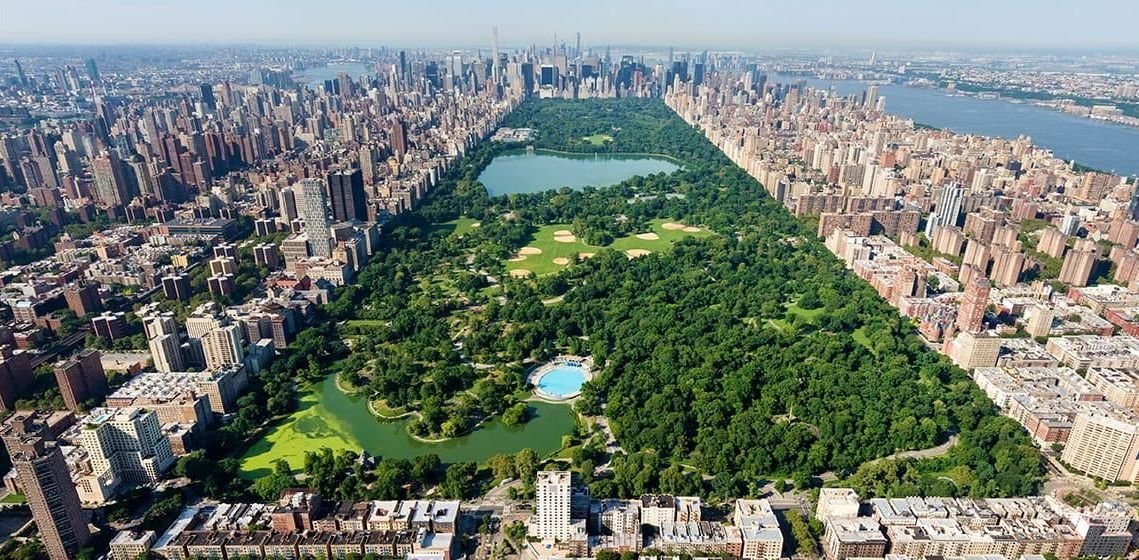
    Central Park is one of the world’s most famous urban parks. Covering approximately 843 acres, it stretches across Manhattan from 59th Street to 110th Street.

    The park offers a remarkable contrast to the surrounding skyscrapers and contains lakes, gardens, wooded areas, bridges, lawns, playgrounds and cultural landmarks.

    Some of the most famous places inside the park include Bethesda Terrace, Bethesda Fountain, Bow Bridge, The Mall, the Great Lawn, Belvedere Castle, Strawberry Fields and the Jacqueline Kennedy Onassis Reservoir.

    Visitors can walk, cycle, picnic, row boats, photograph the landscape or simply relax.

    Highlights:

    • Bethesda Terrace
    • Bow Bridge
    • The Mall
    • Great Lawn
    • Central Park Zoo
    • Belvedere Castle
    • Strawberry Fields

    3. Times Square

    Times Square

    Known as the **”Crossroads of the World,” Times Square is one of the most recognizable places in New York.

    The area is famous for enormous digital billboards, Broadway theaters, restaurants, shops and its constantly moving crowds.

    Times Square is particularly impressive after dark, when its electronic advertising screens illuminate the surrounding buildings.

    It is also the location of New York City’s world-famous New Year’s Eve Ball Drop.

    Highlights:

    • Giant digital billboards
    • Broadway theaters
    • Times Square pedestrian plazas
    • One Times Square
    • New Year’s Eve celebration
    • Restaurants and shopping
    • Street performers

    4. Empire State Building

    Empire State Building

    The Empire State Building is one of the most famous skyscrapers in the world.

    Completed in 1931, the Art Deco skyscraper became an immediate symbol of New York City and remains one of Manhattan’s most popular attractions.

    Visitors can go to observation decks on the upper floors for panoramic views across Manhattan and the surrounding metropolitan area.

    The building is particularly impressive at sunset and after dark, when the city lights stretch across the horizon.

    Highlights:

    • 86th-floor observation deck
    • 102nd-floor observation deck
    • Manhattan skyline views
    • Art Deco architecture
    • Nighttime illumination

    5. Brooklyn Bridge

    Brooklyn Bridge

    The Brooklyn Bridge is one of New York City’s most historic bridges and an outstanding location for walking and photography.

    Completed in 1883, it connects Manhattan and Brooklyn across the East River.

    The elevated pedestrian promenade provides views of:

    • Manhattan skyline
    • East River
    • Brooklyn
    • Statue of Liberty
    • Brooklyn Bridge Park

    Walking across the bridge is one of the classic New York experiences.

    A particularly attractive time to visit is early morning or around sunset.


    6. One World Trade Center and the 9/11 Memorial

    One World Trade Center

    Lower Manhattan is home to One World Trade Center, the tallest building in the Western Hemisphere, and the 9/11 Memorial & Museum.

    The One World Observatory provides panoramic views from high above Lower Manhattan.

    Nearby, the 9/11 Memorial occupies the footprints of the former World Trade Center towers. Two large reflecting pools mark the locations of the original towers, with the names of those who died in the attacks inscribed around them.

    The nearby museum documents the history and consequences of the September 11 attacks.

    Highlights:

    • One World Observatory
    • 9/11 Memorial
    • 9/11 Memorial Museum
    • Oculus
    • Lower Manhattan skyline

    7. Metropolitan Museum of Art

    Metropolitan Museum of Art

    The Metropolitan Museum of Art, usually known simply as the Met, is one of the world’s great art museums.

    Located on Fifth Avenue beside Central Park, the museum contains an enormous collection representing thousands of years of human history and artistic achievement.

    Its collections include:

    • Ancient Egyptian art
    • Greek and Roman art
    • European paintings
    • Asian art
    • Islamic art
    • American art
    • Sculpture
    • Decorative arts
    • Costumes and textiles
    • Musical instruments

    The museum is large enough that seeing everything in one visit is unrealistic. Visitors should select the collections that interest them most.


    8. Rockefeller Center

    Rockefeller Center

    Rockefeller Center is a large complex of Art Deco buildings in Midtown Manhattan.

    It is particularly famous for 30 Rockefeller Plaza, Radio City Music Hall, its seasonal Christmas tree and the Top of the Rock observation deck.

    Top of the Rock provides excellent views of Manhattan, including a particularly famous view toward the Empire State Building.

    The complex is also close to Fifth Avenue, St. Patrick’s Cathedral and Central Park.

    Highlights:

    • Top of the Rock
    • Radio City Music Hall
    • Rockefeller Plaza
    • Christmas tree
    • Ice skating rink
    • NBC Studios
    • Art Deco architecture

    9. Broadway and the Theater District

    Broadway Theatre District

    Broadway is synonymous with New York’s theater culture.

    The Broadway theater district is concentrated around Times Square and Midtown Manhattan and features some of the world’s most famous theatrical productions.

    Visitors can choose from musicals, dramas, comedies and family-oriented productions.

    Seeing a Broadway show is particularly popular for first-time visitors because the experience combines New York’s entertainment history with the atmosphere of the Theater District.

    Highlights:

    • Broadway musicals
    • Broadway plays
    • Historic theaters
    • Times Square
    • Theater District restaurants
    • TKTS ticket opportunities

    10. Grand Central Terminal

    Grand Central Terminal

    Grand Central Terminal is one of New York City’s most impressive historic buildings.

    Opened in 1913, the Beaux-Arts terminal is famous for its monumental Main Concourse, enormous arched windows and astronomical ceiling mural.

    Although it remains a functioning transportation hub, it is also a major tourist attraction.

    Visitors can explore the Main Concourse, see the famous four-faced clock, discover the Whispering Gallery and explore restaurants and shops throughout the complex.

    Highlights:

    • Main Concourse
    • Celestial ceiling
    • Four-faced clock
    • Whispering Gallery
    • Vanderbilt Hall
    • Historic architecture

    Top 10 New York Attractions at a Glance

    #AttractionBest Known For
    1Statue of LibertyAmerican symbol and harbor views
    2Central ParkNature, recreation and scenery
    3Times SquareBillboards, entertainment and Broadway
    4Empire State BuildingIconic skyscraper and observation deck
    5Brooklyn BridgeHistoric architecture and skyline views
    6One World Trade Center & 9/11 MemorialSkyline, history and remembrance
    7Metropolitan Museum of ArtWorld-class art collections
    8Rockefeller CenterTop of the Rock and Art Deco architecture
    9BroadwayTheater and musical performances
    10Grand Central TerminalHistoric architecture and transportation

    How to Visit These Attractions

    These ten attractions can be grouped geographically, making sightseeing easier.

    Midtown Manhattan

    • Times Square
    • Empire State Building
    • Rockefeller Center
    • Broadway
    • Grand Central Terminal

    These attractions are relatively close together and can be explored over one or two days.

    Central Park and Museum Mile

    • Central Park
    • Metropolitan Museum of Art

    These can easily be combined into a full day, particularly for visitors interested in art and architecture.

    Lower Manhattan

    • Statue of Liberty
    • One World Trade Center
    • 9/11 Memorial

    A Lower Manhattan itinerary can also include the Financial District, Wall Street and Battery Park.

    Brooklyn and the East River

    • Brooklyn Bridge

    The bridge can be combined with Brooklyn Bridge Park, DUMBO and the Brooklyn waterfront.


    Best Attractions for Different Interests

    InterestAttractions
    HistoryStatue of Liberty, 9/11 Memorial, Grand Central Terminal
    ArchitectureEmpire State Building, Rockefeller Center, Brooklyn Bridge
    MuseumsMetropolitan Museum of Art
    NatureCentral Park
    EntertainmentBroadway, Times Square
    PhotographyBrooklyn Bridge, Central Park, Empire State Building
    FamiliesCentral Park, Times Square, Statue of Liberty
    City viewsEmpire State Building, Top of the Rock, One World Observatory
    ShoppingTimes Square, Fifth Avenue, Rockefeller Center
    New York’s history and identityStatue of Liberty, Central Park, Times Square, Grand Central Terminal

    New York City has far more than ten attractions, but these landmarks provide a strong introduction to the city. Together they showcase the different sides of New York: history, architecture, culture, entertainment, art, nature and spectacular city views.

    For a first visit, combining Central Park and the Metropolitan Museum of Art, Times Square, Broadway and Rockefeller Center, and Lower Manhattan with the Statue of Liberty and 9/11 Memorial can create a comprehensive New York sightseeing experience.

  • Guide to New York City’s Central Park

    Guide to New York City’s Central Park

    Central Park is one of the world’s most famous urban parks and one of the most important landmarks in New York City. Located in the heart of Manhattan, the park provides a vast green landscape surrounded by skyscrapers, museums, residential neighborhoods, hotels and some of the city’s most recognizable attractions.

    Covering approximately 843 acres (341 hectares), Central Park stretches from 59th Street to 110th Street and from Fifth Avenue to Eighth Avenue. It is not simply a large lawn or recreational area: the park contains lakes, ponds, wooded areas, gardens, bridges, historic structures, sports facilities, walking paths, playgrounds, a zoo and numerous cultural landmarks.

    Central Park is a place where visitors can walk, cycle, relax, photograph scenery, enjoy nature, visit attractions, have a picnic or simply escape the intensity of Manhattan.


    Where Is Central Park?

    Central Park is located in Manhattan, New York City, between:

    • Fifth Avenue – east
    • Eighth Avenue/Central Park West – west
    • 59th Street – south
    • 110th Street – north

    The park is bordered by some of Manhattan’s most famous neighborhoods, including the Upper East Side, Upper West Side and Harlem.

    Its central location makes it easy to combine with other attractions.

    Nearby attractions include:

    • Metropolitan Museum of Art
    • American Museum of Natural History
    • Rockefeller Center
    • Fifth Avenue
    • Columbus Circle
    • Lincoln Center
    • Times Square
    • Carnegie Hall
    • Guggenheim Museum
    • Museum of Modern Art

    History of Central Park

    Central Park was created during the 19th century as New York City’s population expanded rapidly.

    Before the park was developed, this part of Manhattan contained a mixture of rocky terrain, farms, homes, roads and small settlements.

    City leaders increasingly recognized the need for a large public park where residents could enjoy fresh air, recreation and nature.

    In 1857, the city held a competition to select a design for the park.

    The winning proposal was the Greensward Plan, created by landscape architect Frederick Law Olmsted and architect Calvert Vaux.

    Their design was revolutionary for its time.

    Rather than simply creating a rectangular open field, Olmsted and Vaux designed a complex landscape containing:

    • Meadows
    • Woodlands
    • Lakes
    • Bridges
    • Curving roads
    • Walking paths
    • Gardens
    • Recreational spaces
    • Scenic viewpoints

    Construction began in the 1850s, and Central Park gradually became one of the most ambitious urban landscape projects of the era.


    Frederick Law Olmsted and Calvert Vaux

    The designers of Central Park were Frederick Law Olmsted and Calvert Vaux.

    Olmsted is particularly important in the history of American landscape architecture. His approach emphasized the psychological and social benefits of accessible public landscapes.

    Central Park was designed to give New Yorkers the impression of escaping the dense city.

    Although the park is surrounded by skyscrapers, many areas were deliberately designed so that buildings would disappear from view or become less visually dominant.

    This principle remains one of the most impressive aspects of Central Park today.


    The Landscape of Central Park

    Central Park is carefully designed but often feels like a natural landscape.

    It contains several distinct environments.

    The Great Lawn

    The Great Lawn is one of the park’s best-known open spaces.

    Located around the middle of the park, it provides a huge recreational area where visitors can:

    • Relax
    • Have picnics
    • Play sports
    • Read
    • Sunbathe
    • Watch performances
    • Enjoy views of Manhattan’s skyline

    The Great Lawn is especially popular during warm weather.


    Bethesda Terrace and Bethesda Fountain

    Bethesda Terrace is one of Central Park’s most famous architectural landmarks.

    Located near the center of the park, the terrace overlooks the lake and Bethesda Fountain.

    The centerpiece is the famous Angel of the Waters statue.

    The fountain was designed by Emma Stebbins and dedicated in 1873. The statue represents the purification of water and became one of the most recognizable sculptures in Central Park.

    The terrace itself is also famous for its decorated arcade.

    Visitors often stop here for photographs, especially because the location combines architecture, water, trees and skyline views.


    The Mall

    The Mall is a broad tree-lined promenade leading toward Bethesda Terrace.

    It is one of the most photographed locations in the park.

    The pathway is particularly beautiful during autumn, when the trees surrounding the promenade turn yellow, orange and brown.

    The Mall has historically been associated with public gatherings, musicians, artists and leisurely walks.


    Bow Bridge

    Bow Bridge is one of the most romantic and recognizable bridges in Central Park.

    The elegant cast-iron bridge crosses the lake and provides excellent views of:

    • The Lake
    • Manhattan skyscrapers
    • Trees
    • Boating activity
    • Central Park’s surrounding landscape

    It has become particularly popular for wedding photographs and engagement photography.


    The Lake

    The Lake is one of Central Park’s most scenic bodies of water.

    Visitors can rent rowboats and explore the water while enjoying views of the park and Manhattan skyline.

    The Lake is especially beautiful in spring and autumn.

    The combination of water, trees, bridges and skyscrapers creates one of Central Park’s signature landscapes.


    Conservatory Water

    Located on the eastern side of Central Park, Conservatory Water is a popular destination for families.

    The water is famous for model sailboats, particularly during warmer months.

    The area is also surrounded by sculptures and gardens and provides a quieter experience than some of the park’s larger attractions.


    Strawberry Fields

    Strawberry Fields is a memorial to John Lennon, the former member of The Beatles who lived nearby at the Dakota apartment building.

    The memorial includes the famous “Imagine” mosaic, created in tribute to Lennon.

    Located near Central Park West and 72nd Street, Strawberry Fields attracts Beatles fans and visitors from around the world.

    It is one of the more peaceful and reflective areas of Central Park.


    The Dakota

    The Dakota is located immediately outside Central Park West, close to Strawberry Fields.

    This historic residential building is famous for its distinctive architecture and association with John Lennon.

    Visitors cannot generally enter the private residential building, but its exterior is a popular stop for people exploring Strawberry Fields and the Upper West Side.


    Central Park Zoo

    The Central Park Zoo is located near Fifth Avenue on the eastern side of the park.

    The zoo is home to a variety of animals and provides an attraction particularly suitable for families.

    It is relatively small compared with some major metropolitan zoos, making it possible to combine a visit with other Central Park attractions.


    Belvedere Castle

    Belvedere Castle is one of the most unusual structures in Central Park.

    Built in the 19th century, the small stone castle sits on Vista Rock, one of the highest points in the park.

    From its elevated position, visitors can obtain impressive views of:

    • Central Park
    • Turtle Pond
    • The Great Lawn
    • Surrounding Manhattan buildings

    The castle is also associated with weather observation and has historically housed meteorological equipment.


    Shakespeare Garden

    Located near Belvedere Castle, Shakespeare Garden is a landscaped garden inspired by plants mentioned in the works of William Shakespeare.

    It provides a quieter experience than the park’s major promenades and is particularly attractive during spring and summer.


    The Ramble

    The Ramble is a wooded area near the Lake.

    Its winding paths, trees, rocks and naturalistic landscape create the impression of being far away from Manhattan.

    Birdwatchers particularly appreciate the area because Central Park is an important stopover for migratory birds.


    Conservatory Garden

    At the northern end of Central Park, the Conservatory Garden provides a more formal garden environment.

    It is divided into three distinct sections:

    • French Garden
    • Italian Garden
    • English Garden

    The garden is particularly attractive during spring, when flowers are in bloom.

    Compared with the heavily visited southern areas of Central Park, this northern attraction can provide a quieter sightseeing experience.


    Jacqueline Kennedy Onassis Reservoir

    The Jacqueline Kennedy Onassis Reservoir occupies a large area between approximately 86th and 96th Streets.

    It is famous for its walking and running path and spectacular views of Manhattan’s skyline.

    The reservoir is especially popular among runners and walkers.

    During spring, visitors can also see flowering trees around sections of the path.


    The Metropolitan Museum of Art

    The Metropolitan Museum of Art, commonly called the Met, sits along Fifth Avenue on the eastern edge of Central Park.

    It is one of the world’s major art museums.

    Its collections cover thousands of years of art and include:

    • Ancient Egyptian art
    • Greek and Roman art
    • European paintings
    • Asian art
    • Islamic art
    • American art
    • Sculpture
    • Decorative arts
    • Costumes
    • Musical instruments

    A visit to Central Park can easily be combined with a visit to the Met.


    American Museum of Natural History

    On the western side of Central Park is the American Museum of Natural History.

    It is particularly famous for exhibitions concerning:

    • Dinosaurs
    • Human evolution
    • Space
    • Animals
    • Earth sciences
    • Anthropology
    • Biodiversity

    Families can easily combine the museum with a walk through Central Park.


    Activities in Central Park

    Central Park offers an unusually large number of recreational activities.

    Walking

    Walking is the easiest way to experience the park.

    Because the park is enormous, visitors should choose a particular area rather than attempting to see everything in a short period.

    Cycling

    Cycling is another popular way to explore Central Park.

    The park has designated cycling routes, while many internal pedestrian paths have restrictions.

    Running

    Central Park is one of New York’s most famous running destinations.

    The loop around the park is approximately 6 miles (9.7 km).

    Rowing

    Rowboats can be rented seasonally at the Loeb Boathouse area.

    Horse Carriages

    Horse-drawn carriage rides have long been associated with Central Park and remain a recognizable tourist activity.

    Picnicking

    The park contains numerous excellent picnic locations.

    Popular areas include:

    • Sheep Meadow
    • Great Lawn
    • Conservatory Garden surroundings
    • Areas around the Lake

    Photography

    Central Park is one of New York’s best locations for photography because it combines nature and skyscrapers.


    Sheep Meadow

    Sheep Meadow is a large open lawn in the southern portion of Central Park.

    It provides excellent views toward the Manhattan skyline and is particularly popular during warm weather.

    It is an ideal place to relax after exploring Midtown Manhattan.


    Central Park in the Four Seasons

    Spring

    Spring is one of the most attractive times to visit Central Park.

    Visitors can enjoy:

    • Cherry blossoms
    • Flowering gardens
    • Fresh green foliage
    • Pleasant walking temperatures

    The Conservatory Garden and areas around the Reservoir are particularly attractive during this season.

    Summer

    Summer brings the greatest amount of outdoor activity.

    Central Park becomes a major recreational space for New Yorkers and tourists.

    Expect:

    • Picnics
    • Cycling
    • Running
    • Outdoor performances
    • Boating
    • Sunbathing
    • Family activities

    Autumn

    Autumn is arguably one of the most visually spectacular periods.

    The park’s trees turn various shades of:

    • Yellow
    • Orange
    • Red
    • Brown

    The Mall, Bow Bridge, The Lake and the Reservoir are especially popular for autumn photography.

    Winter

    Winter transforms Central Park into a completely different landscape.

    Snow can create beautiful scenery around:

    • Bethesda Terrace
    • The Lake
    • Bow Bridge
    • The Mall
    • The Reservoir

    The park is also home to Wollman Rink, where visitors can ice skate during the winter season.


    Central Park in Films and Popular Culture

    Central Park has appeared in countless films, television programs, photographs and music videos.

    Its combination of natural scenery and Manhattan architecture makes it one of the most recognizable filming locations in the world.

    The park has frequently been used as a setting for:

    • Romantic scenes
    • Family films
    • Crime dramas
    • Comedies
    • Christmas movies
    • Television series
    • Music videos

    As a result, many international visitors recognize Central Park before ever visiting New York.


    Central Park and Wildlife

    Central Park is not simply landscaped scenery.

    It supports a surprisingly diverse range of wildlife.

    Visitors may encounter:

    • Squirrels
    • Ducks
    • Geese
    • Turtles
    • Birds
    • Fish
    • Hawks
    • Owls
    • Other migratory birds

    The park’s location along the Atlantic Flyway makes it particularly significant for bird migration.

    Birdwatching is especially popular around The Ramble, The Lake and the Reservoir.


    Central Park for Families

    Central Park is one of the city’s best destinations for families.

    Children can enjoy:

    • Playgrounds
    • The Central Park Zoo
    • Model boats
    • Horse-drawn carriages
    • Open lawns
    • Wildlife
    • Ice skating
    • Walking trails
    • Children’s performances

    Families can also combine the park with the nearby American Museum of Natural History.


    Central Park for Couples

    Central Park is one of New York’s most popular romantic destinations.

    Popular locations for couples include:

    • Bow Bridge
    • Bethesda Fountain
    • The Lake
    • Conservatory Garden
    • Strawberry Fields
    • The Mall
    • Sheep Meadow

    The park is frequently used for engagement photographs, wedding photography and proposals.


    Central Park for Photographers

    Central Park offers an extraordinary variety of photographic opportunities.

    Landscape photography

    The Lake, Reservoir and Great Lawn provide open views.

    Architecture

    Bethesda Terrace and Belvedere Castle offer historic architectural subjects.

    Wildlife

    The Ramble and Reservoir are particularly interesting for bird photography.

    Cityscape

    The park’s skyline views provide opportunities to photograph Manhattan from an unusual perspective.

    Seasonal photography

    Each season dramatically changes the appearance of the park.


    How Long Should You Spend in Central Park?

    Because Central Park is so large, the amount of time required depends on what you want to see.

    Visit lengthSuggested experience
    1 hourSouthern Central Park and Bethesda area
    2 hoursBethesda Terrace + The Mall + Bow Bridge + Lake
    3–4 hoursMajor landmarks in the southern and central sections
    Half dayCentral Park + museum
    Full dayExtensive park exploration + museum + dining

    For first-time visitors, 2–4 hours is a useful starting point.

    Trying to walk through the entire park without a plan can be tiring.


    Central Park Walking Route for First-Time Visitors

    A practical sightseeing route could begin near 59th Street.

    Suggested route:

    1. Columbus Circle

    Begin at the southwestern corner.

    ↓

    2. Sheep Meadow

    Walk north into the park.

    ↓

    3. The Mall

    Continue toward Bethesda Terrace.

    ↓

    4. Bethesda Terrace and Fountain

    Spend time exploring the terrace and arcade.

    ↓

    5. The Lake

    Walk toward the water.

    ↓

    6. Bow Bridge

    Cross the famous bridge.

    ↓

    7. The Ramble

    Explore the wooded area.

    ↓

    8. Belvedere Castle

    Continue toward the castle.

    ↓

    9. Great Lawn

    Finish around the central section.

    This route covers several of Central Park’s most famous landmarks without requiring visitors to explore the entire 843-acre park.


    Transportation to Central Park

    Central Park is surrounded by subway stations.

    Visitors can reach different sections using various subway lines depending on their destination.

    For example:

    • 59th Street–Columbus Circle is convenient for the southwestern corner.
    • 72nd Street provides access to the west side and Strawberry Fields.
    • 86th Street provides access to central areas.
    • 96th Street provides access to the Reservoir.
    • 110th Street provides access to the northern part of the park.

    Buses also operate along several streets bordering Central Park.


    Best Time to Visit Central Park

    There is no single best time for everyone.

    Early morning

    Ideal for:

    • Runners
    • Photographers
    • Quiet walks
    • Wildlife observation

    Midday

    Good for:

    • Families
    • Museums
    • Picnics
    • General sightseeing

    Late afternoon

    Excellent for:

    • Photography
    • Walking
    • Relaxation
    • Combining the park with a museum visit

    Autumn

    Particularly attractive for foliage photography.

    Spring

    Excellent for flowers and gardens.


    Practical Tips for Visiting Central Park

    Wear comfortable shoes

    The park is enormous, and walking distances can quickly become longer than expected.

    Bring water

    Especially during warm weather.

    Plan your route

    Central Park contains hundreds of paths and landmarks. A map can help you avoid wasting time.

    Don’t underestimate distances

    A location that appears close on a map may take considerably longer to reach on foot.

    Combine the park with a museum

    The Metropolitan Museum of Art and American Museum of Natural History are both directly adjacent to the park.

    Visit different sections

    The southern portion is generally more heavily visited, while northern areas can feel quieter.

    Respect wildlife

    Do not feed animals or disturb birds and other wildlife.

    Check seasonal attractions

    Activities such as boating and ice skating operate according to seasonal schedules.


    Central Park and New York City’s Skyline

    One of the most remarkable things about Central Park is the contrast between nature and architecture.

    From many locations inside the park, visitors can look through trees and across open lawns toward some of the world’s most recognizable skyscrapers.

    This juxtaposition is one of the reasons Central Park has become such an iconic urban landscape.

    The park demonstrates that a major modern city does not have to be completely dominated by buildings.


    Central Park Visitor Information at a Glance

    CategoryInformation
    LocationManhattan, New York City
    SizeApproximately 843 acres
    LengthAbout 2.5 miles
    WidthAbout 0.5 miles
    Opened19th century
    DesignersFrederick Law Olmsted and Calvert Vaux
    Famous landmarksBethesda Terrace, Bow Bridge, The Mall, Belvedere Castle
    Museums nearbyMetropolitan Museum of Art, American Museum of Natural History
    ActivitiesWalking, cycling, running, boating, picnicking
    Family attractionsCentral Park Zoo, playgrounds, model boats
    Best seasonsSpring and autumn for scenery
    Winter attractionIce skating
    Recommended visit2–4 hours or longer

    Central Park is much more than a green space in the middle of Manhattan. It is an extraordinary example of landscape design, a recreational center for millions of New Yorkers and visitors, a wildlife habitat, a cultural landmark and one of the most recognizable symbols of New York City.

    Its combination of lakes, forests, gardens, lawns, bridges, historic buildings, sculptures and spectacular views of Manhattan’s skyline makes it different from almost any other major city park.

    For first-time visitors, the area around Bethesda Terrace, The Mall, The Lake and Bow Bridge provides an excellent introduction. Those with more time can continue toward Belvedere Castle, the Great Lawn, the Reservoir and the northern sections of the park.

    Central Park is also particularly easy to incorporate into a larger New York itinerary. A visitor can spend the morning exploring the park, visit the Metropolitan Museum of Art in the afternoon, walk down Fifth Avenue, and finish the day around Rockefeller Center or Times Square.

    In many ways, Central Park provides the perfect contrast to Manhattan’s skyscrapers: a vast landscape of nature and open space at the center of one of the world’s great cities.

  • Most Visited Cities in the United States

    Most Visited Cities in the United States

    The United States is one of the world’s most diverse travel destinations, attracting millions of domestic and international visitors every year. From the iconic skyscrapers of New York City and the entertainment capital of Las Vegas to the sun-drenched beaches of Miami, the historic streets of Boston, and the spectacular coastal scenery of San Francisco, American cities offer an extraordinary range of experiences.

    The country’s tourism appeal comes from its geographical diversity, cultural influences, entertainment industries, national landmarks, shopping districts, sporting events, museums, restaurants, and world-famous natural attractions. Visitors can explore historic American cities, experience vibrant metropolitan lifestyles, enjoy tropical beaches, discover national parks, or travel through destinations associated with music, cinema, and popular culture.

    Some cities are particularly popular with international tourists, while others attract enormous numbers of domestic travellers. Consequently, there is no single definitive ranking of the most visited American cities: rankings differ depending on whether they measure international arrivals, domestic overnight visitors, total tourism trips, or hotel stays.

    This guide explores 20 of the most popular and frequently visited cities in the United States, highlighting their tourism attractions, cultural identities, entertainment opportunities, and reasons for their international popularity.

    1. The 20 Most Visited Cities in the United States

    The following ranking uses comparable 2024 overseas visitor data from the National Travel and Tourism Office (NTTO), rather than mixing international arrivals with total domestic and international tourism figures. It provides a useful indication of the cities most popular with international travellers.

    RankCityStateOverseas visitors (2024)
    1New York CityNew York9.53 million
    2MiamiFlorida5.16 million
    3Los AngelesCalifornia4.43 million
    4OrlandoFlorida3.93 million
    5Las VegasNevada2.59 million
    6San FranciscoCalifornia2.41 million
    7Washington, D.C.District of Columbia1.76 million
    8HonoluluHawaii1.49 million
    9BostonMassachusetts1.39 million
    10ChicagoIllinois1.37 million
    11HoustonTexas956,000
    12AtlantaGeorgia900,000
    13Fort LauderdaleFlorida861,000
    14San DiegoCalifornia830,000
    15DallasTexas795,000
    16SeattleWashington749,000
    17Santa AnaCalifornia629,000
    18FlagstaffArizona615,000
    19TampaFlorida482,000
    20PhiladelphiaPennsylvania471,000

    Source: 2024 overseas visitor estimates compiled from NTTO data. Figures represent overseas visitors, not all domestic and international visitors combined. The metropolitan-area definitions and visitor-counting methodology matter when comparing cities.

    2. Detailed Guide to America’s Most Popular Tourist Cities

    1. New York City – New York

    New York City is the most internationally visited city in the United States and one of the world’s leading centres for tourism, finance, culture, entertainment, fashion, and international business.

    Often called The Big Apple, New York is famous for its extraordinary skyline, iconic landmarks, diverse neighbourhoods, world-class museums, Broadway theatres, luxury shopping streets, and multicultural atmosphere.

    The city consists of five boroughs: Manhattan, Brooklyn, Queens, the Bronx, and Staten Island. Each has its own character, attractions, and cultural identity.

    Top tourist attractions:

    • Statue of Liberty: One of America’s most recognisable national symbols.
    • Times Square: Famous for its illuminated advertising screens, theatres, and entertainment.
    • Central Park: A vast green space offering walking paths, lakes, gardens, and recreational activities.
    • Empire State Building: An iconic skyscraper with observation decks.
    • Brooklyn Bridge: A historic bridge connecting Manhattan and Brooklyn.
    • Metropolitan Museum of Art: One of the world’s most important art museums.
    • Broadway: The centre of American musical theatre.

    Tourism experiences: Visitors can enjoy Broadway performances, sightseeing cruises, rooftop restaurants, shopping along Fifth Avenue, international cuisine, art galleries, sporting events, and neighbourhood exploration.

    Best time to visit: April to June and September to November are particularly attractive periods for sightseeing. December is popular for Christmas decorations, seasonal shopping, and festive events.

    New York’s tourism industry is enormous. The city recorded approximately 65 million total visitors in 2025, including 52.4 million domestic and 12.5 million international visitors.

    2. Miami – Florida

    Miami is one of America’s leading international tourism destinations, attracting visitors with tropical weather, beautiful beaches, luxury hotels, cruise terminals, nightlife, shopping, and Latin American cultural influences.

    Located in southeastern Florida, Miami is particularly popular with visitors from Latin America, Europe, and the Caribbean. Its multicultural identity is reflected in its architecture, restaurants, music, and everyday lifestyle.

    Top tourist attractions:

    • South Beach: Famous for its beaches, Art Deco architecture, and nightlife.
    • Ocean Drive: A historic boulevard lined with colourful buildings, restaurants, and hotels.
    • Wynwood Walls: A popular destination for street art and contemporary culture.
    • Little Havana: Known for Cuban culture, traditional food, music, and Calle Ocho.
    • Bayside Marketplace: A waterfront shopping and entertainment complex.
    • Vizcaya Museum and Gardens: A historic estate with European-inspired architecture and gardens.

    Tourism experiences: Beach holidays, yacht excursions, cruise departures, luxury shopping, Cuban cuisine, nightlife, water sports, and boat tours around Biscayne Bay.

    Miami also serves as an important gateway to the Florida Keys, the Everglades, and the Caribbean.

    Best time to visit: December to April, when the weather is generally warm and relatively dry.

    3. Los Angeles – California

    Los Angeles is one of the world’s most recognisable entertainment destinations. Known as the home of Hollywood, the city attracts tourists interested in cinema, television, celebrity culture, beaches, shopping, music, sports, and contemporary art.

    Located in Southern California, Los Angeles is a vast metropolitan destination with numerous neighbourhoods and surrounding coastal communities.

    Top tourist attractions:

    • Hollywood Walk of Fame: Famous for stars honouring celebrities from the entertainment industry.
    • Hollywood Sign: The internationally recognised symbol of Hollywood.
    • Universal Studios Hollywood: A major film studio and theme park.
    • Griffith Observatory: Offers panoramic views of Los Angeles and the Hollywood Sign.
    • Santa Monica Pier: A famous seaside entertainment destination.
    • Getty Center: A major cultural institution featuring art collections and gardens.
    • Beverly Hills: Known for luxury shopping, elegant residences, and Rodeo Drive.

    Tourism experiences: Film studio tours, celebrity neighbourhood sightseeing, beach holidays, shopping, surfing, museums, concerts, and sporting events.

    Los Angeles is also an important starting point for road trips along the Pacific Coast Highway and excursions to destinations such as Malibu, Palm Springs, and San Diego.

    Best time to visit: March to May and September to November, when temperatures are generally comfortable and visitor conditions are favourable.

    4. Orlando – Florida

    Orlando is one of the world’s most important family tourism destinations and a major centre of the international theme park industry.

    Unlike many American cities whose tourism is based primarily on historic landmarks or cultural attractions, Orlando has built its international reputation around amusement parks, entertainment resorts, shopping, and family holidays.

    The wider Orlando destination welcomed a record 76.7 million visitors in 2025, making it one of the busiest tourism destinations in the United States by total visitor numbers.

    Top tourist attractions:

    • Walt Disney World Resort: A vast entertainment complex containing multiple theme parks and resort hotels.
    • Universal Orlando Resort: Famous for movie-themed attractions, rides, and entertainment.
    • SeaWorld Orlando: A marine-themed amusement park.
    • Discovery Cove: A resort-style experience featuring aquatic activities.
    • ICON Park: An entertainment and dining complex featuring The Wheel.
    • Lake Eola Park: A scenic urban park in downtown Orlando.

    Tourism experiences: Theme park holidays, family entertainment, water parks, shopping outlets, golf courses, luxury resorts, and organised excursions.

    Best time to visit: March to May and October to early December are popular periods. Summer is also busy, although it is hot, humid, and often rainy.

    5. Las Vegas – Nevada

    Las Vegas is internationally famous for entertainment, spectacular hotels, casinos, concerts, nightlife, shopping, and luxury resorts.

    Situated in the Mojave Desert, Las Vegas has transformed itself into one of the world’s most recognisable leisure and convention destinations.

    Its central entertainment district, the Las Vegas Strip, features enormous resort complexes, themed hotels, shopping centres, restaurants, and attractions.

    Top tourist attractions:

    • Las Vegas Strip: The city’s principal entertainment boulevard.
    • Bellagio Fountains: Famous for choreographed water and music performances.
    • Sphere: A distinctive entertainment venue with immersive audiovisual experiences.
    • Fremont Street Experience: A pedestrian entertainment area with a large LED canopy.
    • The Venetian Resort: A themed resort featuring Venetian-inspired architecture and canals.
    • Red Rock Canyon: A spectacular natural landscape outside the city.

    Tourism experiences: Live performances, international concerts, luxury dining, nightlife, casino entertainment, conventions, helicopter tours, and excursions to the Grand Canyon.

    Best time to visit: March to May and September to November. Summer temperatures can become extremely high.

    6. San Francisco – California

    San Francisco is one of America’s most picturesque urban destinations. Located on the northern California coast, it is famous for its hills, historic cable cars, Victorian houses, waterfront districts, technology industry, and distinctive cultural atmosphere.

    The city’s compact central districts make it particularly attractive for sightseeing, walking tours, and short city breaks.

    Top tourist attractions:

    • Golden Gate Bridge: One of the world’s most recognisable bridges.
    • Alcatraz Island: A former federal prison and historic attraction.
    • Fisherman’s Wharf: A lively waterfront district with restaurants and attractions.
    • Chinatown: One of the oldest and best-known Chinese neighbourhoods in North America.
    • Lombard Street: Famous for its steep, winding section.
    • Golden Gate Park: A large urban park containing gardens, museums, and recreational facilities.

    Tourism experiences: Bay cruises, cable car rides, cycling, wine-country excursions, waterfront dining, museum visits, and sightseeing tours.

    San Francisco is also a convenient base for visiting Napa Valley, Sonoma County, and the coastal landscapes of Northern California.

    Best time to visit: September and October are particularly attractive, although spring and summer also bring considerable tourism.

    7. Washington, D.C. – District of Columbia

    Washington, D.C., the capital of the United States, is one of the country’s most important destinations for historical, political, educational, and cultural tourism.

    The city is internationally recognised for its national monuments, government buildings, memorials, museums, and important historical institutions.

    Unlike many American destinations where entertainment and shopping dominate tourism, Washington offers a particularly rich concentration of educational and cultural attractions.

    Top tourist attractions:

    • White House: The official residence and workplace of the US president.
    • United States Capitol: The seat of the US Congress.
    • Lincoln Memorial: A major national monument dedicated to Abraham Lincoln.
    • Washington Monument: An iconic obelisk honouring George Washington.
    • National Mall: A historic public area surrounded by important monuments and museums.
    • Smithsonian National Air and Space Museum: One of the world’s best-known aviation and space museums.
    • National Gallery of Art: A major art museum with extensive collections.

    Tourism experiences: Historical walking tours, museum visits, monument sightseeing, river cruises, educational excursions, and seasonal festivals.

    Best time to visit: March to May and September to November. Spring is especially popular because of the National Cherry Blossom Festival.

    8. Honolulu – Hawaii

    Honolulu is the capital and principal tourism gateway of Hawaii. Located on the island of Oahu, it combines tropical beaches, volcanic scenery, Polynesian cultural traditions, luxury resorts, and American urban infrastructure.

    The city is especially popular with visitors seeking beach holidays, water sports, outdoor adventures, and a tropical island atmosphere.

    Top tourist attractions:

    • Waikiki Beach: One of the most famous beaches in the Pacific.
    • Diamond Head: A volcanic crater offering spectacular hiking opportunities.
    • Pearl Harbor National Memorial: A historic site associated with the Second World War.
    • Iolani Palace: The former royal residence of the Hawaiian monarchy.
    • Hanauma Bay: A renowned marine conservation area.
    • Manoa Falls: A scenic waterfall surrounded by tropical vegetation.

    Tourism experiences: Surfing, snorkelling, diving, hiking, traditional Hawaiian cultural performances, boat excursions, and scenic coastal drives.

    Best time to visit: April to June and September to November are attractive periods for avoiding some of the busiest holiday seasons.

    9. Boston – Massachusetts

    Boston is one of the oldest and most historically significant cities in the United States. It played a central role in the American Revolution and remains an important destination for history, education, healthcare, business, and cultural tourism.

    The city’s historic neighbourhoods, universities, waterfront, museums, and distinctive New England atmosphere attract visitors throughout the year.

    Top tourist attractions:

    • Freedom Trail: A historic walking route connecting important American Revolutionary sites.
    • Boston Common: One of America’s oldest public parks.
    • Faneuil Hall Marketplace: A historic marketplace with shops, restaurants, and entertainment.
    • Harvard University: One of the world’s most prestigious universities.
    • Museum of Fine Arts Boston: A major art museum.
    • New England Aquarium: A popular marine attraction.

    Tourism experiences: Historical walking tours, university visits, harbour cruises, seafood restaurants, museums, shopping, and professional sports events.

    Best time to visit: May to October, with autumn particularly attractive for New England foliage.

    10. Chicago – Illinois

    Chicago is one of the most important cultural, commercial, and architectural destinations in the United States.

    Located on the southwestern shore of Lake Michigan, the city is famous for its impressive skyscrapers, architectural heritage, museums, jazz and blues traditions, sporting culture, and distinctive food scene.

    Chicago has played a major role in the development of modern American architecture and remains an important centre for international conferences and business tourism.

    Top tourist attractions:

    • Millennium Park: Home to the famous Cloud Gate sculpture, commonly known as The Bean.
    • Navy Pier: A waterfront entertainment complex.
    • Willis Tower: A famous skyscraper featuring the Skydeck observation attraction.
    • Art Institute of Chicago: One of America’s leading art museums.
    • Field Museum: A major natural history museum.
    • Chicago Riverwalk: A popular waterfront pedestrian area.

    Tourism experiences: Architecture cruises, museum visits, jazz and blues concerts, lakefront recreation, shopping, and food tours featuring Chicago-style deep-dish pizza.

    Best time to visit: May to October, when the weather is generally suitable for outdoor activities.

    11. Houston – Texas

    Houston is one of the largest cities in the United States and an important centre for energy, medicine, aerospace, technology, international business, and cultural tourism.

    The city is particularly famous for its association with American space exploration through NASA’s Johnson Space Center.

    Top tourist attractions:

    • Space Center Houston: The official visitor centre of NASA’s Johnson Space Center.
    • Houston Museum of Natural Science: A major science and natural history museum.
    • Houston Museum District: A concentration of museums and cultural institutions.
    • Hermann Park: A major urban park.
    • Buffalo Bayou Park: A scenic green space with walking and cycling paths.

    Tourism experiences: Space exploration exhibitions, museum visits, professional sports, international cuisine, shopping, and cultural festivals.

    Best time to visit: February to April and October to November, when temperatures are generally more comfortable.

    12. Atlanta – Georgia

    Atlanta is a major economic, cultural, and transportation centre in the southeastern United States. It is known for its civil rights history, music industry, film production, international airport, professional sports, and modern urban attractions.

    The city has also become increasingly recognised through its television and film industries.

    Top tourist attractions:

    • Georgia Aquarium: One of the world’s major public aquariums.
    • World of Coca-Cola: A museum dedicated to the internationally recognised beverage brand.
    • Martin Luther King Jr. National Historical Park: A significant civil rights heritage destination.
    • Centennial Olympic Park: A legacy of the 1996 Summer Olympic Games.
    • Atlanta Botanical Garden: A popular botanical attraction.
    • High Museum of Art: A leading art museum in the southeastern United States.

    Tourism experiences: Historical tours, music and film experiences, museums, shopping, sporting events, and food tourism.

    Best time to visit: March to May and September to November.

    13. Fort Lauderdale – Florida

    Fort Lauderdale is a coastal destination famous for its beaches, boating culture, luxury waterfront properties, canals, shopping, and cruise tourism.

    Sometimes called the Venice of America, the city has an extensive network of navigable waterways and is an important centre for the international yachting industry.

    Top tourist attractions:

    • Fort Lauderdale Beach: A popular Atlantic coastline destination.
    • Las Olas Boulevard: Known for shopping, restaurants, and galleries.
    • Bonnet House Museum and Gardens: A historic estate surrounded by tropical gardens.
    • Hugh Taylor Birch State Park: A natural area offering outdoor recreation.
    • Riverwalk Fort Lauderdale: A waterfront district with cultural and recreational attractions.

    Tourism experiences: Yacht charters, canal cruises, beach holidays, fishing, diving, luxury accommodation, and shopping.

    Best time to visit: December to April.

    14. San Diego – California

    San Diego is one of California’s most attractive coastal destinations. It combines pleasant weather, Pacific beaches, historic architecture, family attractions, a strong food culture, and proximity to the Mexican border.

    Its relaxed lifestyle and extensive coastline make it particularly popular for family holidays and outdoor tourism.

    Top tourist attractions:

    • San Diego Zoo: An internationally recognised zoological attraction.
    • Balboa Park: A cultural complex containing museums, gardens, and historic buildings.
    • La Jolla Cove: Famous for coastal scenery and marine wildlife.
    • USS Midway Museum: A museum aboard a historic aircraft carrier.
    • Coronado Beach: A popular sandy beach near the historic Hotel del Coronado.

    Tourism experiences: Surfing, sailing, whale watching, family attractions, cycling, seafood dining, and beach holidays.

    Best time to visit: March to November.

    15. Dallas – Texas

    Dallas is an important business, shopping, sports, and cultural destination in northern Texas. Together with nearby Fort Worth, it forms part of the large Dallas–Fort Worth metropolitan region.

    The city is known for its modern skyline, business districts, museums, professional sports, shopping centres, and distinctive Texan identity.

    Top tourist attractions:

    • Dealey Plaza: A historic location associated with the assassination of President John F. Kennedy.
    • The Sixth Floor Museum: A museum documenting the Kennedy assassination and its historical context.
    • Reunion Tower: An observation tower offering panoramic city views.
    • Dallas Museum of Art: A major art institution.
    • Klyde Warren Park: An urban park built over a major roadway.

    Tourism experiences: Shopping, museums, sporting events, entertainment, restaurants, and excursions to Fort Worth’s historic Stockyards.

    Best time to visit: March to May and September to November.

    16. Seattle – Washington

    Seattle is a major Pacific Northwest destination known for its waterfront, coffee culture, technology industry, music heritage, natural surroundings, and modern architecture.

    Surrounded by mountains, forests, and waterways, Seattle is particularly attractive to travellers interested in combining city tourism with outdoor exploration.

    Top tourist attractions:

    • Space Needle: The city’s most recognisable landmark.
    • Pike Place Market: A historic public market famous for seafood, local products, and independent businesses.
    • Chihuly Garden and Glass: An exhibition dedicated to glass art.
    • Museum of Pop Culture: A museum exploring music, science fiction, and popular culture.
    • Seattle Waterfront: A scenic area with restaurants, piers, and maritime attractions.

    Tourism experiences: Coffee tours, harbour cruises, museums, hiking, kayaking, seafood restaurants, and excursions to Mount Rainier National Park.

    Best time to visit: June to September, when the weather is generally drier.

    17. Santa Ana – California

    Santa Ana is located in Orange County in Southern California. Although it is less internationally famous than nearby Los Angeles or Anaheim, it is an important urban destination with cultural attractions, historic architecture, shopping, and access to the wider Orange County tourism region.

    Its location makes it convenient for visitors exploring Southern California’s beaches, theme parks, and coastal communities.

    Top tourist attractions:

    • Bowers Museum: A museum featuring international art and cultural collections.
    • Downtown Santa Ana: Known for restaurants, galleries, entertainment, and historic buildings.
    • Discovery Cube Orange County: A science museum offering interactive exhibitions.
    • Santa Ana Zoo: A family-friendly zoological attraction.

    Tourism experiences: Cultural tourism, shopping, Mexican-American cuisine, family attractions, and excursions to nearby Orange County beaches and Anaheim.

    Best time to visit: March to November.

    18. Flagstaff – Arizona

    Flagstaff is a smaller destination than most cities on this list, but it occupies an important position in American nature and adventure tourism.

    Located in northern Arizona, the city is surrounded by forests, mountains, volcanic landscapes, and historic sites. It also serves as one of the principal gateways to the Grand Canyon.

    Its location along historic Route 66 makes it attractive to road-trippers and visitors exploring the American Southwest.

    Top tourist attractions:

    • Grand Canyon National Park: One of the world’s most famous natural landmarks.
    • Walnut Canyon National Monument: Known for ancient cliff dwellings.
    • Lowell Observatory: A historic astronomical research and visitor attraction.
    • Historic Route 66: A historic American highway route.
    • Arizona Snowbowl: A mountain resort offering seasonal outdoor activities.

    Tourism experiences: Grand Canyon excursions, hiking, skiing, mountain biking, stargazing, camping, and scenic road trips.

    Best time to visit: May to October for hiking and sightseeing; winter for snow-related activities.

    19. Tampa – Florida

    Tampa is a major tourism destination on Florida’s Gulf Coast. The city offers a combination of waterfront attractions, theme parks, cultural districts, professional sports, cruise tourism, and access to nearby beaches.

    Tampa’s historic Ybor City district reflects the city’s Cuban, Spanish, and Italian immigrant heritage.

    Top tourist attractions:

    • Busch Gardens Tampa Bay: A major theme park with roller coasters and wildlife attractions.
    • Tampa Riverwalk: A waterfront pedestrian route connecting several attractions.
    • The Florida Aquarium: A popular marine attraction.
    • Ybor City: Famous for its cigar-making history and cultural heritage.
    • Tampa Museum of Art: A cultural attraction featuring modern and classical art.

    Tourism experiences: Theme parks, cruises, waterfront dining, cultural tourism, baseball, American football, and excursions to Clearwater Beach and St. Petersburg.

    Best time to visit: November to April.

    20. Philadelphia – Pennsylvania

    Philadelphia is one of the most historically significant cities in the United States. As the birthplace of American independence and the location of the signing of the Declaration of Independence, it attracts visitors interested in American history, architecture, culture, and education.

    The city combines colonial-era buildings with modern skyscrapers, major museums, public parks, sports facilities, and an internationally recognised food culture.

    Top tourist attractions:

    • Independence Hall: The historic building where the Declaration of Independence and US Constitution were debated and adopted.
    • Liberty Bell: An important symbol of American independence.
    • Philadelphia Museum of Art: A major art museum.
    • Reading Terminal Market: A historic indoor food market.
    • Eastern State Penitentiary: A historic former prison and museum.
    • Benjamin Franklin Parkway: A grand boulevard connecting important cultural attractions.

    Tourism experiences: Historical walking tours, museums, art exhibitions, food tours, professional sports, and shopping.

    Best time to visit: April to June and September to October.

    3. Other Important Tourist Destinations in the United States

    Although the 20 cities above provide a useful international tourism ranking, several other American destinations are extremely popular with domestic travellers and international holidaymakers.

    These destinations are particularly important for regional tourism, entertainment, nature, cultural experiences, and family holidays.

    21. New Orleans – Louisiana

    Famous for jazz, blues, Creole cuisine, Mardi Gras, historic French Quarter architecture, and Mississippi River cruises.

    22. Nashville – Tennessee

    Known as Music City, Nashville attracts visitors through country music, live performances, recording studios, and musical heritage.

    23. Anaheim – California

    A major family holiday destination, best known for Disneyland Resort, convention facilities, and entertainment.

    24. Phoenix – Arizona

    Popular for desert landscapes, golf resorts, hiking, luxury accommodation, and outdoor recreation.

    25. Charleston – South Carolina

    An attractive historic coastal city known for colonial architecture, gardens, Southern cuisine, and waterfront scenery.

    26. Savannah – Georgia

    Famous for its historic squares, oak-lined streets, historic houses, riverfront, and Southern charm.

    27. Portland – Oregon

    Attracts visitors through its food culture, independent shops, gardens, coffee houses, and proximity to natural attractions.

    28. St. Petersburg – Florida

    A popular Gulf Coast destination known for beaches, art museums, waterfront attractions, and sunshine.

    4. America’s Most Important Tourism Regions

    American tourism is not concentrated exclusively in large cities. Several regions have developed internationally recognised tourism industries based on beaches, national parks, mountains, historical attractions, and entertainment.

    Florida

    Miami, Orlando, Tampa, Fort Lauderdale, Key West, Naples, Clearwater, and the Florida Keys offer beaches, theme parks, cruises, nature, and luxury resorts.

    California

    Los Angeles, San Francisco, San Diego, Sacramento, Santa Barbara, Monterey, and Napa Valley combine urban tourism, coastal scenery, wine tourism, and outdoor activities.

    Hawaii

    Honolulu, Maui, Kauai, and the Big Island attract visitors through beaches, volcanic landscapes, tropical forests, surfing, and Polynesian culture.

    American Southwest

    Las Vegas, Flagstaff, Phoenix, Sedona, Page, and the Grand Canyon region offer desert adventures, geological landscapes, scenic drives, and outdoor recreation.

    New England

    Boston, Portland, Providence, Newport, Salem, and the landscapes of Vermont and New Hampshire are known for colonial heritage, autumn colours, coastal towns, and historic architecture.

    Pacific Northwest

    Seattle, Portland, Olympic National Park, Mount Rainier, and the Columbia River Gorge offer forests, mountains, waterfalls, and outdoor adventures.

    5. Most Famous Natural Attractions Near American Cities

    Many international visitors combine metropolitan sightseeing with excursions to America’s national parks, beaches, mountains, and natural landmarks.

    Some of the country’s most important natural tourism destinations include:

    Natural attractionState / regionNearby tourism gateway
    Grand CanyonArizonaFlagstaff, Las Vegas
    Yellowstone National ParkWyoming, Montana, IdahoJackson, Bozeman
    Yosemite National ParkCaliforniaSan Francisco, Fresno
    Niagara FallsNew YorkBuffalo
    Monument ValleyArizona, UtahFlagstaff
    Great Smoky MountainsTennessee, North CarolinaGatlinburg, Asheville
    Everglades National ParkFloridaMiami, Naples
    Zion National ParkUtahLas Vegas, St. George
    Death Valley National ParkCalifornia, NevadaLas Vegas
    Rocky Mountain National ParkColoradoDenver, Estes Park

    These destinations are particularly attractive for road trips, photography, camping, hiking, wildlife observation, and adventure tourism.

    6. The Best American Cities for Different Types of Tourism

    Not every traveller visits the United States for the same reason. Some prefer shopping and entertainment, while others are interested in history, architecture, beaches, or nature.

    The following comparison helps identify destinations according to their principal tourism characteristics.

    Tourism categoryRecommended cities
    ShoppingNew York, Miami, Los Angeles, Chicago
    Family holidaysOrlando, Anaheim, San Diego, Tampa
    BeachesMiami, Honolulu, San Diego, Fort Lauderdale
    History and heritageBoston, Philadelphia, Washington, D.C., New Orleans
    Entertainment and nightlifeLas Vegas, New York, Miami, Nashville
    ArchitectureChicago, New York, San Francisco
    Museums and artNew York, Washington, D.C., Chicago, Boston
    Music tourismNashville, New Orleans, Memphis, Austin
    Luxury tourismMiami, Las Vegas, Los Angeles, Honolulu
    Nature and adventureFlagstaff, Seattle, Denver, Phoenix
    Business tourismNew York, Chicago, Atlanta, Houston, San Francisco
    Food tourismNew York, New Orleans, Chicago, Miami, San Francisco

    7. Best Time to Visit the United States

    The United States has several climatic zones, so the ideal time to travel depends on the destinations and activities included in an itinerary.

    SeasonMonthsPopular destinations
    SpringMarch–MayWashington, D.C., New York, Boston, California
    SummerJune–AugustHawaii, California, New York, Seattle, national parks
    AutumnSeptember–NovemberBoston, Chicago, New York, New England
    WinterDecember–FebruaryMiami, Orlando, Honolulu, Las Vegas, Southern California

    Spring: An excellent season for exploring major cities, historic districts, gardens, and cultural attractions. Washington, D.C., is especially popular during the cherry blossom season.

    Summer: The main holiday season for many domestic travellers. Coastal destinations, national parks, and family attractions experience significant demand.

    Autumn: One of the most attractive seasons for visiting the northeastern United States. New England is particularly famous for its autumn foliage.

    Winter: Florida and Hawaii are popular destinations for travellers seeking warmer temperatures. New York and Chicago also attract visitors for Christmas celebrations, shopping, and winter entertainment.

    8. Transportation Between the Most Visited American Cities

    The United States has an extensive transportation network connecting its principal tourism destinations. However, distances between cities can be considerable, making transportation planning an important part of any itinerary.

    Air travel

    Domestic flights are often the fastest way to travel between distant cities. Major airports include:

    • John F. Kennedy International Airport (JFK) – New York.
    • Los Angeles International Airport (LAX) – Los Angeles.
    • Miami International Airport (MIA) – Miami.
    • Orlando International Airport (MCO) – Orlando.
    • Harry Reid International Airport (LAS) – Las Vegas.
    • San Francisco International Airport (SFO) – San Francisco.
    • O’Hare International Airport (ORD) – Chicago.
    • Hartsfield-Jackson Atlanta International Airport (ATL) – Atlanta.

    Car rental and road trips

    Renting a car is particularly useful for exploring California, Florida, Arizona, Nevada, and the national parks.

    Popular driving routes include:

    • Los Angeles – San Diego.
    • Los Angeles – San Francisco.
    • Miami – Key West.
    • Miami – Orlando.
    • Las Vegas – Grand Canyon.
    • San Francisco – Yosemite National Park.
    • Boston – New York – Philadelphia – Washington, D.C.

    Rail transportation

    Amtrak operates passenger railway services connecting many major American cities. Rail travel is particularly useful along the Northeast Corridor, linking Boston, New York, Philadelphia, Baltimore, and Washington, D.C.

    Public transportation

    Major cities such as New York, Chicago, Boston, Washington, D.C., and San Francisco have extensive public transportation networks, including subway, metro, commuter rail, and bus services.

    9. How Many Days Should You Spend in America’s Most Visited Cities?

    The ideal length of stay depends on the size of the city, the number of attractions, and whether visitors plan to explore surrounding destinations.

    CitySuggested stay
    New York City5–7 days
    Miami3–5 days
    Los Angeles4–6 days
    Orlando5–7 days
    Las Vegas3–4 days
    San Francisco3–4 days
    Washington, D.C.3–4 days
    Honolulu5–7 days
    Boston2–4 days
    Chicago3–4 days
    Houston2–3 days
    Atlanta2–3 days
    Fort Lauderdale2–3 days
    San Diego3–5 days
    Dallas2–3 days
    Seattle3–4 days
    Philadelphia2–3 days

    These are suggested sightseeing durations, not minimum requirements. Visitors planning extensive excursions, theme park holidays, or national park road trips should allow additional time.

    10. Suggested Multi-City Tourism Itineraries

    For international visitors, combining several destinations in one journey is often an excellent way to experience different aspects of American culture and geography.

    Itinerary 1: America’s East Coast

    • New York City – 5 days.
    • Philadelphia – 2 days.
    • Washington, D.C. – 3 days.
    • Boston – 3 days.

    This itinerary combines American history, architecture, museums, shopping, and major metropolitan attractions.

    Itinerary 2: Florida and the Southeast

    • Miami – 4 days.
    • Key West – 2 days.
    • Fort Lauderdale – 2 days.
    • Orlando – 5 days.
    • Tampa – 2 days.

    This journey is ideal for beaches, theme parks, cruise tourism, family holidays, and coastal road trips.

    Itinerary 3: California and the Pacific Coast

    • Los Angeles – 4 days.
    • San Diego – 3 days.
    • Santa Barbara – 1–2 days.
    • Big Sur and Monterey – 2 days.
    • San Francisco – 4 days.

    This itinerary combines major cities, Pacific coastline, beaches, national parks, and scenic driving routes.

    Itinerary 4: The American Southwest

    • Las Vegas – 3 days.
    • Grand Canyon – 2 days.
    • Flagstaff – 1–2 days.
    • Sedona – 2 days.
    • Monument Valley – 1–2 days.

    This route is especially attractive for nature tourism, photography, desert landscapes, hiking, and adventure travel.

    11. Why the United States Is One of the World’s Leading Tourism Destinations

    The international popularity of American cities is supported by several major advantages.

    1. Cultural diversity

    American cities are home to communities with origins from all over the world. This creates a remarkable variety of languages, cuisines, festivals, traditions, and cultural experiences.

    2. Entertainment and popular culture

    Hollywood, Broadway, Las Vegas, Nashville, New Orleans, and other entertainment centres have helped establish the United States as a global destination for music, film, theatre, and nightlife.

    3. Shopping and luxury tourism

    New York, Miami, Los Angeles, Las Vegas, and Chicago offer extensive shopping opportunities, ranging from international luxury brands to independent boutiques and large shopping malls.

    4. Historical heritage

    The United States has numerous destinations associated with independence, political development, immigration, civil rights, industrialisation, and important historical events.

    5. Natural diversity

    From tropical beaches and desert landscapes to forests, mountains, glaciers, and national parks, the country offers extraordinary geographical diversity.

    6. International connectivity

    Major airports connect American cities with Europe, Asia, Latin America, Africa, and other international markets, supporting both leisure and business tourism.

    7. Accommodation and tourism infrastructure

    The country has a broad accommodation industry, including international hotel chains, luxury resorts, boutique hotels, motels, holiday apartments, and budget accommodation.

    12. The Best Cities to Visit in the United States

    The United States offers one of the world’s most varied urban tourism experiences. Its most visited destinations represent different aspects of American history, culture, lifestyle, entertainment, and geography.

    New York City stands out as the leading international tourism destination, with its iconic skyline, museums, theatres, shopping districts, and multicultural atmosphere. Miami and Los Angeles attract visitors through beaches, entertainment, luxury tourism, and international lifestyles. Orlando has established itself as one of the world’s most important family holiday destinations, while Las Vegas is internationally recognised for its entertainment and resort industry.

    San Francisco, Boston, Washington, D.C., Chicago, and Philadelphia offer a different experience through architecture, history, museums, and cultural attractions. Meanwhile, Honolulu, San Diego, Fort Lauderdale, and Tampa demonstrate the importance of coastal and beach tourism in the American travel industry.

    Beyond these major metropolitan destinations, cities such as New Orleans, Nashville, Charleston, Savannah, Phoenix, and Anaheim add further diversity to the country’s tourism landscape.

    Whether travelling for business, shopping, entertainment, history, family holidays, nature, or adventure, the United States provides an extensive collection of destinations capable of accommodating almost every type of traveller.

    For international visitors, exploring several American cities in one journey is an excellent way to discover the country’s remarkable geographical scale and cultural diversity.

  • Vermont: Where the Green Mountains meet the good life

    Vermont: Where the Green Mountains meet the good life

    Vermont is one of the most enchanting destinations in North America. Tucked into the northeastern corner of the United States, this small but captivating state has earned a devoted following among travelers who return year after year, season after season. With its rolling green hills, covered wooden bridges, white-steepled churches, maple syrup farms, world-class ski resorts, and fiery autumn foliage, Vermont offers something rare in the modern world: an authentic sense of place. It is a state that has resisted the homogenizing forces of mass development and chain commerce, choosing instead to protect its landscapes, traditions, and independent character.

    Vermont is the second least populated state in the country, but what it lacks in numbers it more than makes up for in beauty, culture, and charm. Whether you are an outdoor adventurer, a foodie, a history buff, a leaf-peeper, or someone who simply wants to sit on a farmhouse porch and watch the hills turn gold in the afternoon light, Vermont has a way of getting under your skin and staying there.

    A BRIEF HISTORY
    Vermont’s history is as independent-minded as the state itself. Before European settlement, the region was home to the Western Abenaki people, who lived in close relationship with the forests and waterways for thousands of years. French explorer Samuel de Champlain arrived in 1609 and gave his name to the magnificent lake that forms much of Vermont’s western border.

    The colonial period was marked by fierce disputes between New Hampshire and New York over who had the right to grant land in the territory. Out of this conflict emerged the famous Green Mountain Boys, led by the legendary Ethan Allen. This militia of Vermont settlers resisted New York’s authority and famously captured Fort Ticonderoga from the British in 1775, one of the first American victories of the Revolutionary War.

    Vermont declared itself an independent republic in 1777 and operated as such for fourteen years, with its own constitution, postal service, and currency. It was the first republic in the Western Hemisphere to explicitly prohibit adult slavery. In 1791, Vermont became the fourteenth state admitted to the Union, the first state to join after the original thirteen colonies.

    This fiercely independent heritage still echoes through Vermont’s culture today, from its progressive politics to its preference for locally owned businesses and family farms over corporate development.

    GEOGRAPHY AND LANDSCAPE
    Vermont covers about 9,600 square miles, making it one of the smaller states in the nation, yet its geographical diversity is remarkable. The Green Mountains run like a spine down the center of the state, with peaks including Mount Mansfield, the highest point at 4,393 feet, and Camel’s Hump, one of Vermont’s most iconic and recognizable summits. These mountains give the state its name, derived from the French “Verts Monts,” meaning green mountains.

    To the west, the Champlain Valley opens up into gentler, broader farmland along the shores of Lake Champlain, a massive freshwater lake stretching 120 miles and shared with New York and the Canadian province of Quebec. The valley’s fertile soils support some of the most productive farming in the state.

    To the east, the Connecticut River forms Vermont’s entire border with New Hampshire, and the northeastern region known as the Northeast Kingdom is one of the most remote and unspoiled areas in all of New England, a land of deep forests, pristine lakes, and tiny villages that seem frozen in another century.

    Vermont’s rivers, including the Winooski, the Lamoille, the White, and the Black, carve through valleys and provide habitat for trout, salmon, and other wildlife. The state has thousands of lakes and ponds, and its forests cover more than 75 percent of its land area.

    GETTING THERE AND GETTING AROUND
    Burlington International Airport is Vermont’s primary commercial airport, offering direct flights to major hubs including New York, Philadelphia, Washington D.C., and other northeastern cities. Several regional airports, including those in Rutland and Stowe, accommodate smaller aircraft and charter flights.

    Amtrak serves Vermont with two routes. The Vermonter runs from Washington D.C. through New York City and up through Massachusetts and Connecticut into Vermont, with stops at Brattleboro, Bellows Falls, Windsor, White River Junction, Randolph, Montpelier/Barre, Waterbury, Essex Junction, and St. Albans. The Ethan Allen Express connects New York City with Rutland.

    By car is perhaps the most popular and rewarding way to arrive and explore Vermont. Interstate 89 cuts diagonally from the New Hampshire border near White River Junction northwest to Burlington and up toward the Canadian border. Interstate 91 runs along the Connecticut River on the eastern side of the state. Route 7 is a beloved scenic drive along the western corridor, passing through charming towns like Manchester, Middlebury, and Burlington.

    Once in Vermont, a car is essentially necessary for most travel, as public transit is limited outside of Burlington. The state’s back roads are part of its charm, and many of the best destinations, farms, inns, and views require venturing off the main highways onto winding country lanes.

    WHEN TO VISIT
    Vermont is a four-season destination, and every time of year offers its own distinct pleasures.

    Spring, from roughly March through May, is known locally as mud season, and that name is apt. The snowmelt turns dirt roads into rivers of mud, and the landscape can look brown and tired. However, late spring brings sugar season, when maple sap runs and sugar houses fire up their evaporators to make syrup. The hillsides erupt in wildflowers and the first green haze of new leaves appears on the trees. Sugar season typically runs from mid-February through mid-April, depending on temperatures.

    Summer, from June through August, transforms Vermont into a lush paradise. The hills are deeply, richly green. Farmers markets overflow with fresh produce. Swimming holes and lakes beckon. Hiking trails are at their most accessible. Outdoor music festivals, art shows, and agricultural fairs fill the calendar. The weather is generally mild and pleasant, with daytime temperatures typically ranging from the high 60s to the mid-80s Fahrenheit, though it can occasionally get warmer. Summer is a wonderful but busy time to visit, and lodging in popular areas books up quickly.

    Autumn, from mid-September through late October, is Vermont’s most celebrated season. The foliage display is world-famous, as the sugar maple, birch, beech, and ash trees explode into a symphony of red, orange, gold, and burgundy that has to be seen to be believed. Foliage season is Vermont’s busiest tourist period, and for good reason. Peak color typically arrives in the northern and higher elevations during the first two weeks of October and works its way south and downhill through the rest of the month. Plan well in advance, because inns and hotels fill months ahead.

    Winter, from November through March, draws skiers, snowboarders, snowshoers, ice skaters, and anyone who appreciates the magic of a snowy Vermont village. The ski resorts are world-class, and the state’s covered bridges and historic downtowns look impossibly picturesque draped in white. Vermont winters are cold and snowy by national standards, with temperatures often dipping well below freezing, but the infrastructure for winter recreation and the warmth of the culture make it a genuinely wonderful season to visit.

    SKI RESORTS AND WINTER RECREATION
    Vermont is the ski capital of the eastern United States, home to more than twenty ski areas ranging from small, family-oriented hills to major destination resorts. A few stand out as must-visit destinations for any serious winter traveler.

    Stowe Mountain Resort is perhaps the most famous and iconic ski destination in Vermont, and indeed in all of New England. Situated on the slopes of Mount Mansfield, Vermont’s highest peak, Stowe offers 485 skiable acres, 116 trails, and a vertical drop of 2,360 feet. The resort has a classic, European-alpine feel, and the town of Stowe that surrounds it is one of the most charming and sophisticated in the state, with excellent restaurants, boutique shops, a renowned arts scene, and luxurious lodging options.

    Killington Resort, known as “the Beast of the East,” is the largest ski resort in the eastern United States by any measure. With six interconnected mountain peaks, more than 1,500 acres of terrain, 155 trails, and one of the longest ski seasons in the country (often running from October to May), Killington is a powerhouse. It attracts serious skiers and a lively après-ski crowd and has recently been the site of World Cup ski racing events.

    Mad River Glen is something of a legend among serious skiers. It is one of only two ski areas in the country that is owned by a cooperative of skiers, and it has stubbornly maintained its old-school character. The resort famously bans snowboards and relies on single-chair lifts and ungroomed terrain. Its motto is “ski it if you can,” and the steep, bumpy, tree-filled runs live up to that challenge.

    Sugarbush Resort in the Mad River Valley is another beloved destination, with two mountain complexes offering diverse terrain, beautiful scenery, and a welcoming community feel. Okemo, Smugglers’ Notch, Jay Peak, and Mount Snow are other notable Vermont ski areas, each with its own personality and strengths.

    Beyond skiing and snowboarding, Vermont offers snowshoeing, cross-country skiing and skate skiing on extensive groomed trail networks, ice fishing on frozen lakes, snowmobiling on hundreds of miles of designated trails, and the simple pleasure of exploring snow-covered villages on foot.

    OUTDOOR ACTIVITIES IN WARMER SEASONS
    When the snow melts, Vermont becomes an outdoor playground of a different kind. The hiking opportunities alone could fill a lifetime of weekends.

    The Long Trail is Vermont’s crown jewel for hikers. Completed in 1931, it is the oldest long-distance hiking trail in the United States, running 273 miles from the Massachusetts border in the south all the way to the Canadian border in the north, traversing the spine of the Green Mountains the entire way. The trail passes over more than a dozen peaks above 4,000 feet, through pristine wilderness, and across some of the most magnificent landscapes in New England. Day hikes and multi-day backpacking trips are both popular options.

    The Appalachian Trail shares a path with the Long Trail for about 100 miles in the southern portion of Vermont before branching off eastward into New Hampshire.

    Mountain biking has become enormously popular in Vermont, with the Kingdom Trails network in East Burke considered one of the best mountain biking destinations in the entire country. The trails wind through forests and farmland with a variety of difficulty levels and an astonishing total distance of over 100 miles.

    Cycling on the state’s back roads is a beloved pastime, and Vermont’s rolling terrain makes it challenging in the best possible way. The Lamoille Valley Rail Trail, stretching 93 miles across northern Vermont, is a converted rail trail that offers cycling, walking, and snowmobiling through some of the state’s most beautiful countryside.

    Kayaking and canoeing are wonderful ways to experience Vermont’s waterways. Lake Champlain offers open-water paddling with spectacular views of the Green Mountains to the east and the Adirondacks to the west. The Connecticut River, the upper reaches of the Winooski, and countless ponds and smaller lakes offer calmer, more intimate paddling experiences.

    Fishing is a serious pursuit in Vermont, with the state’s cold, clear rivers and lakes providing excellent habitat for brook, brown, and rainbow trout, as well as bass, walleye, and other species. Fly fishing on rivers like the Battenkill, which runs through the Manchester area, is world-renowned.

    Rock climbing, swimming in natural holes and rivers, wildlife watching, horseback riding, golf on courses that take full advantage of the mountain scenery, and simply walking through covered bridges and along village greens round out the outdoor offerings.

    FOOD AND DRINK
    Vermont has developed a food culture that punches well above its weight for a state of its size. The emphasis on local, seasonal, artisanal, and farm-to-table food was part of Vermont’s identity long before those terms became fashionable buzzwords.

    Maple syrup is perhaps Vermont’s most iconic product, and Vermont produces more maple syrup than any other state in the country, accounting for roughly half of the national supply. Vermont maple syrup is graded into four flavor categories: Golden with Delicate Taste, Amber with Rich Taste, Dark with Robust Taste, and Very Dark with Strong Taste. Sugar houses throughout the state welcome visitors during sugaring season, and many farms offer tours of their operations. Real Vermont maple syrup poured over fresh pancakes on a cold morning is one of the simple but profound pleasures of visiting the state.

    Vermont cheese has achieved national and international acclaim. The state has more artisan cheese makers per capita than any other state, producing everything from fresh chèvre to aged cheddars to bloomy rind cheeses that rival anything from Europe. Cabot Creamery, a farmer-owned cooperative, is perhaps the most well-known producer, famous for its sharp and extra-sharp cheddars. But dozens of smaller creameries and farms produce extraordinary cheeses under names like Jasper Hill Farm, Shelburne Farms, Vermont Creamery, and many others.

    Vermont’s craft beer scene is extraordinary and has been at the forefront of the American craft brewing renaissance. The state is home to well over 60 breweries for its population, producing some of the most sought-after beers in the country. The Alchemist, a small brewery in Stowe, is the maker of Heady Topper, a double IPA that has been consistently rated among the best beers in the world and was instrumental in popularizing the now hugely influential “hazy IPA” or “New England IPA” style. Hill Farmstead Brewery in Greensboro Bend has also been rated repeatedly as one of the best breweries on the planet. Long Trail, Magic Hat, Switchback, and Lawson’s Finest Liquids are other beloved Vermont breweries.

    Vermont also has a growing craft spirits scene, with distilleries producing locally sourced whiskeys, vodkas, gins, and aquavits. Vermont Hard Cider, made from the state’s abundant apple orchards, is another growing category.

    The farm-to-table dining scene in Vermont is robust and genuine. Restaurants in Burlington, Stowe, Woodstock, Manchester, Middlebury, and other towns regularly feature menus built around ingredients from nearby farms, including grass-fed beef, heritage-breed pork, pasture-raised poultry, fresh vegetables, and locally foraged mushrooms and wild greens. Burlington in particular has a dining scene that would be impressive in a city ten times its size.

    Other Vermont food traditions and products worth seeking out include apple cider and cider donuts from farm stands in the fall, fresh-pressed apple juice, local honey, farmstead eggs, Ben and Jerry’s ice cream (founded in Burlington and still manufacturing in Waterbury), and the uniquely Vermont snack known as “creemees,” a soft-serve ice cream made with a higher butterfat content than typical soft serve and often flavored with maple.

    TOWNS AND CITIES WORTH EXPLORING
    Burlington is Vermont’s largest city, with a population of about 45,000, and it is a genuinely vibrant and livable place. Situated on a hillside sloping down to Lake Champlain, with the Adirondack Mountains visible across the water in New York State, Burlington has exceptional natural beauty as its backdrop. The Church Street Marketplace is a pedestrian shopping and dining district at the heart of downtown that is lively year-round. The University of Vermont brings a youthful energy and cultural vitality to the city. The waterfront has been beautifully developed with parks, a bike path, marinas, and venues for outdoor events. Burlington’s restaurant, bar, music, and arts scenes are all exceptional by any standard.

    Montpelier is the state capital and the smallest state capital in the United States by population, with fewer than 8,000 residents. What it lacks in size it makes up for in charm and character. The gold-domed State House is a beautiful landmark, and the compact downtown is full of independent bookstores, cafes, galleries, and restaurants. The culinary school New England Culinary Institute was based here for many years and helped foster a remarkable concentration of excellent food culture.

    Stowe is one of Vermont’s premier resort towns, built around the base of Mount Mansfield. Even in the summer and fall, when skiing is not the draw, Stowe is a beautiful and sophisticated destination with excellent restaurants, galleries, spas, and outdoor activities. The Stowe Recreation Path is a beloved multi-use trail that runs through the village and along the West Branch River.

    Woodstock is often called the prettiest small town in America, and it is hard to argue with that assessment. Its immaculate village green, surrounded by Federal and Georgian architecture, its covered bridge, its upscale shops and inns, and the looming presence of Mount Tom all combine to create a tableau of New England perfection. The Billings Farm and Museum on the edge of town is a working farm and museum of Vermont’s agricultural heritage that is well worth a visit.

    Manchester has been a resort destination since the 19th century, when wealthy vacationers came to escape the summer heat of New York and Boston. Today it is known for upscale outlet shopping, the Orvis flagship store and fly-fishing school, the historic Equinox resort, and easy access to excellent hiking and outdoor recreation in the surrounding mountains.

    Brattleboro is a funky, artsy, progressive town in the southeastern corner of Vermont where the Connecticut River and Whetstone Brook converge. It has a lively arts scene, excellent independent restaurants and cafes, a thriving farmers market, and a character that is distinctly its own. The town has a strong literary tradition and a history of welcoming artists and free thinkers.

    Middlebury is a gracious college town in the Champlain Valley, home to Middlebury College and a charming downtown of limestone and marble buildings, independent shops, galleries, and restaurants. It is a lovely base for exploring the Champlain Valley and the western slopes of the Green Mountains.

    The Northeast Kingdom, encompassing Essex, Orleans, and Caledonia counties in the northeastern corner of the state, is less visited than other parts of Vermont but deeply rewarding for those who seek it out. The towns of St. Johnsbury, Lyndonville, Newport, and Burke are gateways to an area of extraordinary natural beauty, with pristine lakes, dense forests, and a rugged, unspoiled character. St. Johnsbury has the remarkable Athenaeum, a Victorian-era library and art gallery of unusual quality for a small town, and the fascinating Fairbanks Museum and Planetarium.

    COVERED BRIDGES
    Vermont has more than 100 historic covered wooden bridges, more per square mile than any other state. These beloved structures, built primarily in the 19th century, were covered not for romantic reasons but for practical ones: the roof protected the structural timbers from weather, greatly extending the bridge’s lifespan. Today they are among the state’s most photographed and cherished landmarks.

    The town of Montgomery in the Northeast Kingdom has seven covered bridges within its boundaries, more than any other town in the state. The Quechee Gorge area, the Mad River Valley, and the area around Middlebury are also rich in covered bridges. Many Vermont villages have organized self-guided covered bridge tours that make for a wonderful way to spend an afternoon exploring the countryside.

    ARTS AND CULTURE
    Vermont has a cultural life that far exceeds what one might expect from its small population. This is partly a reflection of the many artists, writers, musicians, and intellectuals who have chosen to make their homes here, drawn by the landscape, the quality of life, and the creative community.

    The Shelburne Museum, just south of Burlington, is one of the great folk art and Americana museums in the United States. Its 45 acres contain 39 buildings, including authentic historic structures relocated from across New England, and house an extraordinary collection of American folk art, paintings, decorative arts, and objects of everyday life. A highlight is the Ticonderoga, a restored 19th-century steamship that once sailed on Lake Champlain.

    The Vermont Arts Council and numerous local arts organizations support a thriving scene of galleries, studios, theater companies, dance troupes, and music ensembles throughout the state. Burlington’s Flynn Center for the Performing Arts is the state’s premier venue for touring theatrical, musical, and dance performances.

    The Bread Loaf Writers’ Conference, held each August at a campus in Ripton owned by Middlebury College, is one of the oldest and most prestigious writers’ conferences in the country, dating back to 1926. Robert Frost had a long association with Middlebury College and the surrounding area, and his former home at the Homer Noble Farm in Ripton is preserved as a literary landmark.

    Music fills Vermont’s summer, with outdoor concerts, festivals, and performances happening across the state. The Vermont Jazz Center in Brattleboro, the Champlain Valley Folk Festival in Burlington, the Discover Jazz Festival in Burlington, and the Green Mountain Bluegrass and Roots Festival are among the many annual music events that draw performers and audiences from across the region and the country.

    FARMS AND AGRICULTURAL TOURISM
    Vermont is, at its heart, a farming state, and agricultural tourism, or agritourism, is a growing and deeply rewarding way to experience what makes Vermont Vermont. The working landscape of barns, silos, pastures, and orchards is as much a part of the scenery as the mountains and forests.

    Many Vermont farms welcome visitors for tours, stays, and seasonal experiences. You can tour dairy farms and learn how farmstead cheese is made, visit sheep farms during lambing season, pick your own apples and pumpkins in the fall, cut your own Christmas tree in December, and visit working sugar houses during the late winter sugaring season.

    The NOFA Vermont (Northeast Organic Farming Association) Farm & Food Guide lists dozens of farms open to visitors, and the Vermont Fresh Network connects visitors with farm dinners, farm stays, and opportunities to purchase directly from producers.

    Farm stays, where guests stay on working farms and participate in or observe farm life, are a wonderful option for families and anyone wanting a deeper connection to Vermont’s agricultural heritage.

    FAIRS AND FESTIVALS
    Vermont’s calendar is packed with agricultural fairs, craft festivals, cultural events, and seasonal celebrations that provide wonderful opportunities to connect with the state’s communities and traditions.

    The Vermont State Fair, held in Rutland each September, is one of the oldest state fairs in the country, dating to 1846. It features livestock shows, agricultural exhibits, midway rides, live music, demolition derbies, and all the classic pleasures of a traditional American state fair.

    The Stowe Foliage Arts Festival, held in early October, is one of the premier outdoor arts and crafts shows in the region, featuring the work of hundreds of juried artists against the backdrop of peak fall foliage.

    The Vermont Brewers Festival in Burlington, held each July, celebrates the state’s extraordinary craft brewing scene with tastings from dozens of breweries. The Vermont Cheesemakers Festival showcases the state’s artisan cheese producers.

    Town meeting day, held on the first Tuesday of March, is a uniquely Vermont tradition in which voters gather in town halls across the state to vote on local budgets, elect local officials, and debate community matters in a form of direct democracy that dates back to the earliest days of the republic. Attending a town meeting, if the timing works out, offers a rare glimpse into one of America’s oldest democratic traditions still practiced in its original form.

    WHERE TO STAY
    Vermont offers a remarkable range of accommodations suited to every taste and budget.

    Country inns and bed and breakfasts are the quintessential Vermont lodging experience. These range from simple, cozy guestrooms in 19th-century farmhouses to luxurious retreats with fine dining, spa services, and impeccably decorated rooms. The Woodstock Inn and Resort, the Equinox in Manchester, the Twin Farms in Barnard, and the Pitcher Inn in Warren are among the most celebrated and luxurious options.

    Ski resort lodging, from slope-side condominiums to full-service hotels, is abundant in areas like Stowe, Killington, and Sugarbush. These range from basic and affordable to extravagant.

    Vacation rental homes and cabins are popular throughout the state, particularly for families and groups who want the convenience of a kitchen and living space. Vermont’s rental inventory includes everything from tiny lakeside camps to sprawling farmhouses with mountain views.

    Camping is a wonderful way to experience Vermont’s natural beauty. The state operates a network of campgrounds in its state parks, many of them situated in beautiful forest settings near ponds, rivers, or mountain trailheads. Green Mountain National Forest also offers backcountry camping and established campgrounds. Glamping options, including yurts, treehouses, and luxury tents, have also proliferated in recent years for those who want the outdoor experience with a bit more comfort.

    PRACTICAL TIPS FOR VISITORS
    Vermont operates on Eastern Time. The state sales tax is 6 percent, with an additional 9 percent meals and rooms tax on restaurant meals and lodging.

    Cell phone coverage is good in towns and along major highways but can be spotty or nonexistent in rural areas, particularly in the Northeast Kingdom and higher elevations. This is part of Vermont’s charm, but plan accordingly.

    Cash is still useful in Vermont, as some small farms, sugar houses, and farm stands operate on a cash-only basis. Many farmers markets have card readers now, but it is wise to have some on hand.

    Vermont’s back roads are beautiful but can be narrow, winding, and unpaved. A GPS is helpful, but physical maps are also a good backup, and it is worth embracing the idea that getting a little lost on a Vermont back road is rarely a bad thing.

    Wildlife is abundant. Deer are common everywhere, and moose are frequently seen, particularly in the Northeast Kingdom and along wetland edges in early morning and evening. Bear sightings are not unusual. Drive carefully at dawn and dusk, particularly in wooded areas and near wetlands.

    Vermonters are known for being friendly but reserved with strangers at first. The stereotype of the laconic, dry-humored Vermonter is not entirely without basis. Politeness and patience are rewarded, and genuine connections with local people are one of the great pleasures of spending time in the state.

    Tipping customs follow standard American norms, with 18 to 20 percent being standard at restaurants and tip jars being common at coffee shops, farm stands, and other casual establishments.

    Vermont is a strongly pro-environment state, and visitors are expected to practice Leave No Trace principles in natural areas, pack out their trash, stay on marked trails, and respect private property. Many of the state’s most beloved natural areas are on private land that is voluntarily open to the public; treating that land with care is essential to keeping it accessible.

    CONCLUSION
    Vermont is a place that rewards those who pay attention. It is a state of subtleties, where the pleasure is often found not in grand spectacles but in quiet moments: the smell of wood smoke from a farmhouse chimney on a cold morning, the sound of a brook running under a covered bridge, the particular quality of autumn light on a hillside of maples at peak color, the taste of a fresh cider donut from a farm stand in October, the view from a mountain summit after a long climb.

    It is also a state of genuine substance, with a rich history, a strong and resilient culture, extraordinary natural beauty, excellent food and drink, world-class outdoor recreation, and a quality of life that draws people back again and again, and often persuades them to stay.

    Whatever brings you to Vermont, whether it is the skiing, the foliage, the cheese, the beer, the hiking, the history, the quiet, or simply the need to be somewhere that feels real and rooted and unhurried, the Green Mountain State is likely to give you more than you expected and leave you planning your return before you have even made it home.