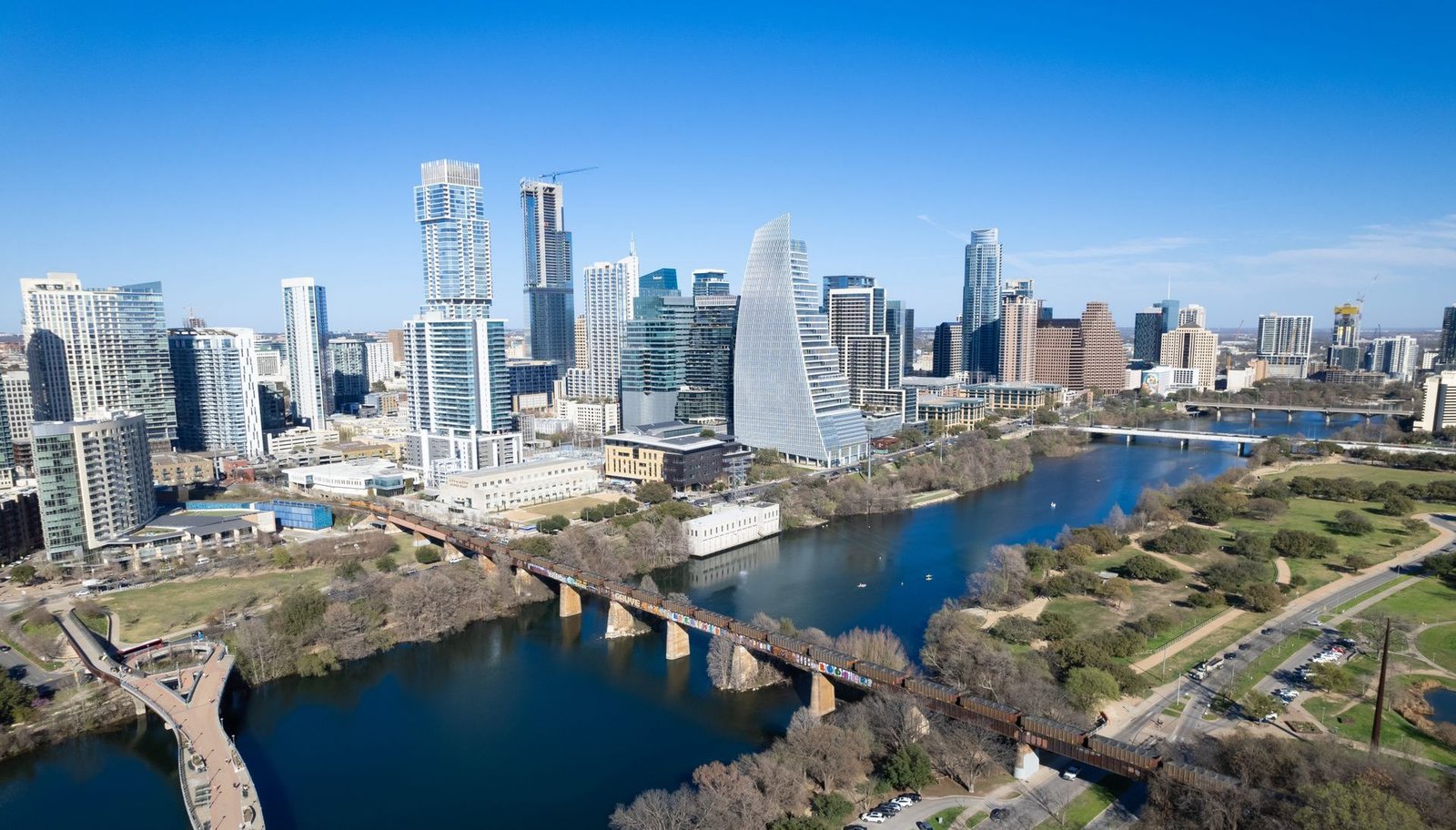
San Francisco is one of the most beloved and romanticized cities in the United States, a place that inspires fierce devotion in those who live there and lingering affection in virtually everyone who visits. Perched on a peninsula at the edge of the Pacific, shaped by earthquake and fire, built on the dreams of gold rush adventurers and reinvented repeatedly by waves of immigrants, artists, activists, and technologists, San Francisco is a city of extraordinary beauty, intellectual energy, cultural richness, and almost implausible physical drama. Its forty-seven hills, its bay, its fogs, its bridges, its neighborhoods packed with Victorian painted ladies and modern glass towers, its cable cars climbing impossible grades, its street art and its symphony orchestras, its farmers markets and its Michelin-starred restaurants, all of it compressed into just forty-seven square miles make it one of the most stimulating and rewarding destinations in the world.
It is also a city of profound contradictions. San Francisco is one of the wealthiest cities in the United States, home to the fortunes generated by the technology industry that has transformed global society, and yet it struggles with some of the most visible and heartbreaking inequality and homelessness of any American city. It celebrates radical individual freedom and progressive politics while simultaneously being one of the most expensive and difficult cities in the country to actually live in. It is cosmopolitan and parochial, welcoming and insular, endlessly innovative and fiercely resistant to change. These contradictions are not bugs but features, and they give the city a complexity and an intellectual texture that distinguishes it from more comfortable or more straightforward destinations.
Visitors who come expecting a postcard will find one readily available, because San Francisco genuinely is one of the most photogenic cities on Earth. But visitors who go deeper will find something much more interesting, a city in perpetual conversation with itself about what it is and what it wants to be, animated by a history of resistance and reinvention that gives its neighborhoods, its institutions, and its people a distinctive spirit unlike anywhere else in America.
Getting There
San Francisco International Airport, known as SFO, is the primary gateway for most visitors and one of the busiest airports on the West Coast. It is located about fourteen miles south of downtown San Francisco in unincorporated San Mateo County and handles flights from cities throughout North America, Europe, Asia, Latin America, and beyond. All major US airlines serve SFO, and it is a hub for United Airlines with particularly strong transpacific connections to Japan, China, South Korea, and other Asian destinations. The international terminal at SFO is one of the finest in the country, with excellent dining and retail options.
Oakland International Airport, across the bay in the East Bay, serves as a practical alternative particularly for budget carriers including Southwest Airlines. It is a smaller and generally less congested airport, and BART rapid transit connects it directly to downtown San Francisco via the Coliseum station in about thirty to forty minutes depending on traffic and connections. San Jose International Airport is another alternative serving the South Bay, roughly an hour from downtown San Francisco by car or about ninety minutes by Caltrain and BART.
From SFO, BART is the most convenient and affordable ground transportation option for most visitors, with a direct connection from the airport’s international terminal through a dedicated AirTrain link to the main BART stations, with trains running directly into downtown San Francisco’s Montgomery and Powell Street stations in about thirty minutes. Taxis, rideshares, and shuttles are all available but significantly more expensive and subject to traffic delays.
Amtrak serves the Bay Area via the Capitol Corridor and San Joaquin routes, arriving at the Emeryville station in the East Bay with connecting bus service to downtown San Francisco, and via the Coast Starlight, which terminates at the San Jose station. The California Zephyr arrives in the East Bay at Emeryville from Chicago. For visitors coming from Los Angeles by rail, the Pacific Surfliner serves a beautiful coastal route to San Jose with connecting service north to San Francisco.
Getting Around
San Francisco is the rare American city where leaving the car behind is not merely possible but actively preferable. The city’s compact geography, excellent public transit system, robust ride-share availability, and in many neighborhoods genuinely good walkability make car ownership a burden rather than a benefit within the city limits. Parking is expensive, scarce, and regulated, and driving in San Francisco’s hilly, congested streets can be stressful for those unfamiliar with the geography.
The San Francisco Municipal Railway, universally known as Muni, operates the city’s extensive public transit network including buses, light rail streetcars, historic streetcars on the F-Market line, and the iconic cable cars. The Clipper card, available at machines throughout the system, provides convenient tap-to-pay access across Muni, BART, and other Bay Area transit agencies. The MuniMobile app allows for ticket purchase and card management on a smartphone.
BART, the Bay Area Rapid Transit system, is the regional rapid transit network connecting San Francisco to Oakland, Berkeley, the East Bay suburbs, the Peninsula, San Jose, and the San Francisco airport. Within San Francisco it stops at Civic Center, Powell Street, Montgomery Street, Embarcadero, Balboa Park, Glen Park, and several other stations. It is the fastest option for trips between downtown San Francisco and the airport or the East Bay.
The cable cars are an iconic San Francisco institution and a genuine working transit system, not merely a tourist attraction, though they are heavily patronized by visitors. Three lines operate, the Powell-Hyde and Powell-Mason lines connecting Powell Street downtown to Fisherman’s Wharf, and the California Street line running through the Financial District and up Nob Hill. The queues at the Powell Street turntable can be long during peak tourist hours, and the California Street line is typically less crowded. Riding a cable car up and over the steep hills of the city is one of the quintessential San Francisco experiences and worth the wait and the modest fare.
The historic F-Market streetcar line runs vintage streetcars from various cities and transit systems along Market Street and out to Fisherman’s Wharf, offering a charming and genuinely useful transit option for that corridor. Rideshare services operate throughout the city and are generally reliable and well-priced. Cycling has become increasingly viable as the city has expanded its protected bike lane network, and Bay Wheels bike share stations are distributed throughout the city and across the bay.
Neighborhoods Worth Exploring
Union Square and the Financial District
Union Square is the commercial heart of San Francisco, a large public plaza surrounded by major department stores, luxury hotels, theaters, and galleries. The square itself is an active public space with frequent programming, art installations, and the beloved ice skating rink that appears in winter. The surrounding streets, particularly Grant Avenue, Post Street, and Geary Street, are lined with flagship retail from major American and international brands. The neighboring Tenderloin district, just north and west, is one of the most economically distressed neighborhoods in the city and presents a jarring contrast.
The Financial District east of Union Square is dominated by office towers and the elevated Salesforce Tower, the tallest building in San Francisco, but it also contains several architectural landmarks, the Ferry Building at its eastern edge, and the Embarcadero waterfront promenade. The Transamerica Pyramid, the city’s most distinctive skyscraper, anchors the northwestern corner of the Financial District.
Fisherman’s Wharf and the Northern Waterfront
Fisherman’s Wharf is one of San Francisco’s most visited and most polarizing neighborhoods, undeniably touristy in its commercial presentation but also genuinely rooted in the city’s Italian-American fishing heritage and possessed of a beautiful waterfront setting. The actual working fishing fleet still operates from the piers, and fresh Dungeness crab and clam chowder served in a sourdough bread bowl remain authentic local traditions. Pier 39 is the most intensely commercial section, with shops, restaurants, street performers, and the famous sea lion colony that has occupied the K-Dock since 1989 and numbers in the hundreds. Watching the barking, jostling, and sunbathing sea lions is a genuinely entertaining free attraction.
Ghirardelli Square, the beautifully converted former chocolate factory at the western edge of the waterfront, now houses restaurants, shops, and of course the Ghirardelli Chocolate Experience where sundaes and hot chocolate are served with the gravity they deserve. The Musée Mécanique at Pier 45 is a wonderful free museum of antique coin-operated arcade machines and mechanical amusements still in working condition.
The Embarcadero and Ferry Building
The Embarcadero is the wide waterfront boulevard running along the eastern edge of San Francisco from Fisherman’s Wharf south to the ballpark, and it is one of the finest urban promenades on the West Coast. The Ferry Building at the foot of Market Street is the city’s most celebrated food destination, a beautifully restored Beaux-Arts terminal building whose interior marketplace is filled with some of the finest artisan food producers and vendors in Northern California. Acme Bread, Blue Bottle Coffee, Cowgirl Creamery, Hog Island Oyster Company, Recchiuti Confections, and dozens of other acclaimed producers maintain permanent stalls inside. The Ferry Building Marketplace Farmers Market, held Tuesday, Thursday, and Saturday mornings on the plaza outside, is one of the great farmers markets in America and a showcase for the extraordinary agricultural abundance of the Bay Area and Central Valley.
The Embarcadero promenade itself is wonderful for walking and cycling, with views of the bay, the Bay Bridge, Treasure Island, and the hills of the East Bay. The waterfront piers south of the Ferry Building include the Exploratorium, one of the finest science museums in the world, occupying the entire Pier 15 and engaging visitors of all ages in hands-on exploration of the phenomena of perception, science, art, and human experience.
North Beach and Telegraph Hill
North Beach is San Francisco’s Italian-American neighborhood and the historic home of the Beat Generation literary movement of the 1950s. City Lights Booksellers and Publishers, founded by poet Lawrence Ferlinghetti in 1953, remains an active independent bookstore and small press and is perhaps the most storied literary landmark in San Francisco. Its Poetry Room upstairs and its carefully curated shelves of literature, politics, philosophy, and poetry represent a living archive of the city’s intellectual life.
The neighborhood’s cafes, restaurants, and bars along Columbus Avenue, Grant Avenue, and Vallejo Street preserve a genuine Italian-American character. Vesuvio Cafe next door to City Lights is a historic Beat-era bar still serving a literary crowd. Caffe Trieste on Vallejo Street has been pouring espresso since 1956 and claims to be the first espresso cafe on the West Coast. The excellent focaccia and pastries of Liguria Bakery, open since 1911, and the family-style Italian dinners at venerable restaurants along Columbus are among the neighborhood’s greatest pleasures.
Telegraph Hill rises dramatically above North Beach and is topped by Coit Tower, a fluted concrete column completed in 1933 and decorated inside with extraordinary Depression-era murals commissioned under the New Deal. The hike up the Greenwich Street or Filbert Street steps, through wild gardens clinging to the steep hillside, is one of the most rewarding urban walks in San Francisco, made famous by the feral parrots, a flock of cherry-headed conures that has lived on Telegraph Hill for decades and was immortalized in the documentary The Wild Parrots of Telegraph Hill.
Chinatown
San Francisco’s Chinatown is the oldest in North America, established in 1848, and remains one of the most densely populated urban neighborhoods in the United States. The neighborhood centers on Grant Avenue and Stockton Street between Bush Street and Broadway, and it is simultaneously a genuine residential and commercial community for its tens of thousands of Chinese-American residents and one of the most popular tourist destinations in the city.
The Dragon’s Gate on Grant Avenue at Bush Street marks the formal entrance to the neighborhood. The streets within are packed with markets, herbalists, restaurants, temples, and shops selling everything from fresh produce and live seafood to jade jewelry and tourist souvenirs. The Golden Gate Fortune Cookie Factory on Ross Alley is a tiny operation where visitors can watch fortune cookies being hand-folded and purchase fresh cookies at the source. The Buddha’s Universal Church and the Tin How Temple, a Taoist temple on the top floor of a Waverly Place building, are important places of worship that welcome respectful visitors.
The best way to experience Chinatown is through eating, and the neighborhood offers excellent dim sum, roast duck, noodle soups, Hong Kong milk tea, and fresh baked goods at prices that reflect a community feeding itself rather than performing for tourists.
The Mission District
The Mission is one of the most culturally vital and culinarily exciting neighborhoods in San Francisco, a historic Latino community that has been at the center of the city’s ongoing debates about gentrification, displacement, and the changing character of urban neighborhoods. Despite the pressures of rising rents and changing demographics, the Mission retains a powerful Latino cultural identity expressed in its murals, its taquerias, its community organizations, and its street life.
The murals of Balmy Alley and Clarion Alley are among the most important concentrations of community mural art in the United States, covering garage doors, walls, and fences with politically charged and visually stunning works that have been updated and renewed over decades. The Mission Dolores, the oldest intact building in San Francisco, is a small and beautifully austere adobe mission church completed in 1791, the sixth of the California missions established by the Franciscan order along El Camino Real. The adjacent basilica, built in 1913, is more ornate and more used for active parish worship.
Valencia Street is the main artery of the neighborhood’s gentrified commercial scene, lined with excellent independent restaurants, bars, bookstores, and design shops. The taco truck and taqueria culture of the Mission represents some of the finest and most authentic Mexican food on the West Coast, and a Mission super burrito, bulging with rice, beans, meat, sour cream, guacamole, and salsa in a grilled flour tortilla, is one of the canonical San Francisco food experiences.
Dolores Park, a large and beautifully situated park on a hillside with stunning views of downtown, is the social heart of the Mission and one of the most lively and democratic public spaces in San Francisco, packed on weekends with a cross-section of the city’s residents.
The Castro
The Castro is the heart of San Francisco’s LGBTQ community, one of the most famous and historically significant gay neighborhoods in the world. The community that coalesced here in the 1970s, around figures including Harvey Milk, the first openly gay elected official in California, created a model of urban gay life and political activism that reverberated globally. The assassination of Harvey Milk and Mayor George Moscone in 1978 at City Hall was a pivotal moment in LGBTQ history, and the neighborhood has never forgotten either the tragedy or the courage that preceded it.
The Castro Theatre, a magnificently preserved 1922 Spanish Colonial Revival movie palace on Castro Street, is the neighborhood’s architectural and cultural crown jewel, hosting film festivals, classic film screenings, and live performances with a Wurlitzer organ. The Names Project AIDS Memorial Quilt originated in the Castro and is now maintained in Atlanta, but the neighborhood’s memory of the AIDS crisis and the community that organized around it is profound and ever-present.
The commercial strip along Castro Street is lined with bars, restaurants, shops, and the iconic Twin Peaks bar, one of the first gay bars in the country to install street-facing windows, a deliberate statement of visibility. The GLBT Historical Society Museum on 18th Street is a small but significant institution documenting the history of the community.
Haight-Ashbury
Haight-Ashbury is the neighborhood where the 1960s counterculture reached its most vivid public expression, where the Summer of Love of 1967 brought tens of thousands of young people to the streets of San Francisco in a brief and luminous moment of idealism, music, and social experiment. The intersection of Haight and Ashbury Streets, marked by a popular street sign, remains a pilgrimage site for those drawn to that history.
The neighborhood today is a mix of vintage clothing stores, independent shops, cafes, music venues, and Victorian residential architecture, with a lingering bohemian atmosphere. Amoeba Music on Haight Street is one of the last great independent record stores in America, a vast warehouse of new and used vinyl, CDs, and music ephemera. Bound Together Books is a collectively run anarchist bookshop that has been open since 1976. Haight Street itself, particularly the stretch between Masonic and Stanyan, is best experienced on foot, browsing the shops and absorbing the mix of locals and visitors drawn by history and atmosphere.
Golden Gate Park, at the western end of the Haight-Ashbury neighborhood, is the park most associated with the Summer of Love, and the meadows of its eastern section were the site of many of the period’s legendary free concerts.
SoMa, the Mission Bay, and the Dogpatch
South of Market, commonly known as SoMa, is a large and diverse district south of Market Street encompassing everything from the Moscone Convention Center and major museums to nightclubs, tech offices, and the Chase Center arena. The San Francisco Museum of Modern Art, SFMOMA, anchors the northern edge of SoMa on Third Street and is one of the finest modern and contemporary art museums in the United States, with a collection spanning painting, sculpture, photography, media arts, and design across ten floors of a dramatically expanded building reopened in 2016.
The California Academy of Sciences, though located in Golden Gate Park, and the nearby Contemporary Jewish Museum, the Museum of the African Diaspora, and the Children’s Creativity Museum cluster in the SoMa and Yerba Buena area to form a genuinely impressive cultural district.
Mission Bay and the Dogpatch, further south along the waterfront, are rapidly developing neighborhoods where biotech campuses, the UCSF Medical Center, the Chase Center, and a growing residential population have transformed what were once industrial wastelands into dynamic urban districts. The Dogpatch retains some of its industrial character alongside craft breweries, design studios, and excellent restaurants.
Major Attractions
Golden Gate Bridge
The Golden Gate Bridge is the most iconic structure in San Francisco and one of the most recognized landmarks in the world. Completed in 1937 after four years of construction across one of the most challenging stretches of water on the Pacific Coast, it spans 4,200 feet across the Golden Gate strait connecting San Francisco Bay to the Pacific Ocean and is painted in the distinctive International Orange color chosen by consulting architect Irving Morrow both for visibility in the bay’s frequent fog and for aesthetic harmony with the surrounding landscape.
Walking or cycling across the bridge is the most rewarding way to experience it.
The pedestrian path on the east side of the bridge offers astonishing views of the bay, the city skyline, Alcatraz, and Marin County across the water, and is accessible from the southern visitor plaza. The drive across is also spectacular, though parking on the Marin side at Vista Point offers the most photographed and beloved view of the bridge with the city behind it. The Battery Spencer overlook on the Marin Headlands, reached via a short drive from the north anchorage, offers perhaps the most dramatic elevated view of the bridge, particularly at sunset or when the fog is rolling through the strait below.
The Roundhouse Welcome Center at the southern plaza contains exhibits on the bridge’s history and engineering. Guided tours of the bridge are available.
Alcatraz
Alcatraz Island sits in the middle of San Francisco Bay, visible from almost every point along the northern waterfront, and its silhouette of cellhouse, lighthouse, and rocky shoreline has become as iconic as the bridge itself. The island served as a federal penitentiary from 1934 to 1963, housing some of the most notorious criminals in American history including Al Capone, Robert Stroud the Birdman of Alcatraz, and Machine Gun Kelly in conditions of strict discipline and deliberate isolation. Before and after its penitentiary years it was a military fortress and later the site of a nineteen-month occupation by Native American activists beginning in 1969, an event of major significance in the American Indian civil rights movement.
Alcatraz is now administered by the National Park Service as part of the Golden Gate National Recreation Area, and ferry access from Pier 33 near the Embarcadero is operated by Alcatraz City Cruises. The audio tour of the cellhouse, narrated by former guards and inmates, is one of the finest audio tours at any historic site in the United States and transforms the experience of walking the corridors and cells from mere sightseeing into something genuinely haunting and thought-provoking. Day tours sell out weeks in advance during peak season, and night tours, which are more atmospheric and even more popular, require reservations even further in advance. Booking as early as possible is essential.
Golden Gate Park
Golden Gate Park is one of the finest urban parks in the United States, a vast rectangle of green three miles long and half a mile wide that stretches from the Panhandle neighborhood west to the Pacific Ocean. It was created beginning in the 1870s from bare sand dunes through an extraordinary feat of landscape engineering and horticultural ambition and today encompasses meadows, forests, lakes, gardens, meadows, and world-class cultural institutions within its 1,017 acres.
The California Academy of Sciences is one of the most extraordinary natural history and science museums in the world, housed in a stunning LEED Platinum certified building designed by Renzo Piano and featuring a living roof of native plants. Under one roof it contains a planetarium, a natural history museum, a four-story rainforest habitat, and a coral reef aquarium in a single unified and beautifully designed building. The de Young Museum is the city’s fine arts museum, housed in a distinctive copper-clad building designed by Herzog and de Meuron, with a permanent collection spanning American art from the 17th century to the present, international contemporary art, and textiles and arts from Africa, Oceania, and the Americas. The tower of the de Young offers free panoramic views of the park, the city, and the bay.
The Japanese Tea Garden is the oldest public Japanese garden in the United States, established in 1894, and is a beautifully maintained landscape of pagodas, arched bridges, stone lanterns, koi ponds, and carefully pruned trees. The San Francisco Botanical Garden within the park spans 55 acres and contains over 8,000 plant species from around the world. The Conservatory of Flowers, a magnificent Victorian greenhouse dating to 1878, houses extraordinary tropical plants and rotating exhibitions. Stow Lake, the largest lake in the park, offers rowboat and pedal boat rentals from a boathouse on its shores.
Muir Woods National Monument
Muir Woods is a magnificent old-growth coast redwood forest in a sheltered valley of the Marin Headlands, about twelve miles north of the Golden Gate Bridge, and is one of the most deeply impressive natural environments easily accessible from any major American city. The tallest trees in the grove reach nearly 260 feet, and the oldest are over 1,000 years old. The experience of standing among them, in the cathedral quiet of the fern-lined canyon with the light filtering down through the ancient canopy, is one of profound and immediate humility.
Access to Muir Woods requires advance shuttle reservations or parking reservations, as the monument’s narrow access road and limited parking cannot accommodate the demand of the millions who wish to visit. The Muir Woods Shuttle operates from Sausalito and Marin City and is the recommended approach. A short walk from the monument connects to Mount Tamalpais State Park, with trails climbing through chaparral and oak woodland to panoramic summit views.
The Marin Headlands
The Marin Headlands, the rugged coastal hills immediately north of the Golden Gate Bridge, are part of the Golden Gate National Recreation Area and offer some of the finest hiking and coastal scenery accessible from any major American city. Trails wind along clifftops high above the Pacific, through former military installations now being reclaimed by native vegetation, and out to isolated beaches where harbor seals haul out on rocky shores. The Rodeo Lagoon area at the heart of the Headlands has particularly good birding.
The views of San Francisco from the Headlands trails and overlooks are among the finest available anywhere, particularly from the Miwok Trail and the coastal battery overlooks north of Point Bonita Lighthouse. Point Bonita itself, at the southern tip of the Headlands, is accessible via a short trail through a hand-dug tunnel and across a suspension bridge to a lighthouse at the edge of the continent.
Food and Dining
San Francisco has one of the most sophisticated and celebrated food cultures in the United States, a reflection of its extraordinary geographic position at the intersection of Pacific fisheries, California agriculture, and some of the most diverse and talented immigrant communities in the country.
The farm-to-table ethos that has become a cliché in restaurant culture generally was pioneered in the Bay Area, largely through the influence of Alice Waters and Chez Panisse across the bay in Berkeley, and it remains genuinely alive in the city’s best restaurants, which build menus around seasonal ingredients sourced from the farmers, ranchers, and fishermen who supply the Ferry Building market.
Sourdough bread is the most iconic San Francisco food, its distinctive tang derived from the wild yeast and bacteria cultures that have thrived in the city’s cool, fog-laden air for over a century. The Boudin Bakery at Fisherman’s Wharf is the most famous commercial producer and offers tours of its baking facility. Tartine Bakery in the Mission is the most critically acclaimed contemporary sourdough bakery, and the lines for its afternoon bread releases are a daily ritual of the neighborhood.
Dungeness crab is the quintessential San Francisco seafood, available fresh from October through June and served everywhere from sidewalk crab stands at Fisherman’s Wharf to the city’s finest restaurants. Crab cioppino, the Italian-American fisherman’s stew invented in San Francisco, is one of the great local dishes and worth seeking out at an old-school North Beach restaurant.
The Mission burrito, as described earlier, is another canonical San Francisco food experience. Chinese dim sum, available in extraordinary abundance and quality in the Richmond District as well as Chinatown, is another essential eating experience. Japantown and the Outer Sunset have excellent Japanese ramen, izakaya, and sushi options. The Tenderloin has an outstanding concentration of Vietnamese, Burmese, Lao, and Thai restaurants serving the communities that have made that neighborhood their home.
The fine dining scene is distinguished and extensive. San Francisco has produced some of the most influential chefs and restaurants in American culinary history, and it currently maintains more Michelin-starred restaurants per capita than virtually any other American city. The wine country of Napa and Sonoma immediately to the north means that the wine programs at the city’s better restaurants are exceptional, and the local craft beer, spirits, and cocktail culture are equally sophisticated.
Blue Bottle Coffee, founded in Oakland and now an internationally recognized brand, traces its roots to the Bay Area’s obsessive coffee culture, and the city’s independent coffee shops and roasters remain among the best in the country.
Arts and Culture
San Francisco’s arts scene is one of the finest in the United States and reflects the city’s particular combination of wealth, intellectual sophistication, social progressivism, and creative talent.
The San Francisco Symphony, under the long and celebrated tenure of Music Director Michael Tilson Thomas and now with Esa-Pekka Salonen at the helm, is one of the great orchestras in the world, performing at the magnificent Louise M. Davies Symphony Hall in the Civic Center complex. The San Francisco Opera, one of the largest opera companies in the United States, performs at the War Memorial Opera House, a stunning Beaux-Arts building also in the Civic Center. The San Francisco Ballet is the oldest professional ballet company in the United States and presents a full season of classical and contemporary productions at the Opera House.
The American Conservatory Theater is one of the premier regional theater companies in the United States, performing at the Geary Theater on Geary Street near Union Square. The Magic Theatre in Fort Mason is an important experimental theater company. Beach Blanket Babylon, a long-running and beloved local revue featuring outrageous hats and affectionate local satire, performed for decades in North Beach before closing permanently in 2019.
The visual arts scene is anchored by SFMOMA but extends through dozens of commercial galleries concentrated in the SoMa neighborhood and the Union Square gallery district, as well as important nonprofit spaces including the San Francisco Arts Commission Galleries, the Yerba Buena Center for the Arts, and the San Francisco Art Institute, which maintains a gallery in its historic Russian Hill building that contains a magnificent Diego Rivera fresco.
The Beat Generation’s literary legacy lives on through City Lights Books, through the archive maintained at the Bancroft Library across the bay at UC Berkeley, and through a culture of literary life in the city’s bars, cafes, and independent bookstores that is more vital than in most American cities of comparable size.
Day Trips from San Francisco
The Bay Area’s geography makes San Francisco an ideal base for exploring one of the most scenically and culturally diverse regions in the United States.
Napa Valley, about an hour north, is the most famous wine region in the United States and offers extraordinary experiences in wine tasting, farm-to-table dining, and pastoral landscape. The town of Yountville in particular has become a destination for food lovers, anchored by Thomas Keller’s The French Laundry.
Sonoma County, immediately west and north of Napa, offers a more relaxed and less commercialized wine country experience, with excellent Pinot Noir and Chardonnay production in the Russian River Valley and coastal access at Bodega Bay.
Point Reyes National Seashore, about an hour and a half northwest, is one of the most spectacular coastal parks in the United States, encompassing dramatic cliffs, isolated beaches, enormous elk herds, tide pools, and one of the great historic lighthouses on the Pacific Coast.
Big Sur, three to four hours south on the Pacific Coast Highway, is one of the most spectacular coastal drives in the world, where the Santa Lucia Mountains plunge directly into the sea along a stretch of highway clinging to cliff faces above the crashing Pacific.
Yosemite National Park, about four hours east through the San Joaquin Valley, is one of the crown jewels of the American national park system, with its granite valley walls, thundering waterfalls, giant sequoia groves, and high Sierra wilderness.
Berkeley, directly across the bay and accessible by BART in under thirty minutes, is a city with a powerful intellectual life anchored by the University of California campus, an excellent downtown restaurant and bookstore scene, and its own distinct political and cultural character.
Sausalito, just across the Golden Gate Bridge in Marin County, is a charming waterfront village with houseboats, galleries, excellent seafood restaurants, and spectacular views back across the bay to San Francisco.
Practical Information
Climate: San Francisco has one of the most unusual climates of any major American city, a cool, mild, and often foggy marine climate that defies most visitors’ expectations. Mark Twain is often credited with the observation that the coldest winter he ever spent was a summer in San Francisco, and while there is no evidence he actually said it, the sentiment captures something real. Summer in San Francisco, particularly from June through August, is often cool and foggy, with the marine layer rolling in through the Golden Gate in the afternoons and evenings and temperatures frequently in the low to mid-sixties Fahrenheit. The warmest and sunniest weather in San Francisco typically comes in September and October, known locally as Indian summer, when temperatures can reach the seventies and even low eighties. Visitors expecting Southern California beach weather will be caught off-guard and should pack layers regardless of the season.
Neighborhoods and Safety: Like any large city, San Francisco has significant variation in safety and character between neighborhoods. The Tenderloin and parts of SoMa adjacent to it have visible drug use, homelessness, and associated public safety concerns and visitors should exercise awareness and common sense in these areas. The tourist areas, parks, and most residential neighborhoods are generally safe, though car break-ins are a persistent problem citywide and valuables should never be left visible in parked vehicles.
Costs: San Francisco is one of the most expensive cities in the United States, and visitors should budget accordingly. Hotel rates are high, restaurant prices are elevated, and even relatively modest meals can be costly by the standards of most of the country. Planning and booking accommodations well in advance is advisable, particularly for peak summer and fall travel.
Best Time to Visit: September and October are the finest months to visit San Francisco for weather, combining warm and sunny conditions with the full cultural season and active farmers markets and food events. Spring from March through May brings warming temperatures, green hills, and good conditions. Summer is the busiest tourist season but paradoxically the coolest and foggiest time of year.
Conclusion
San Francisco rewards the curious and the patient. It is not a city that gives itself up easily or all at once. Its neighborhoods each have their own logic and history and character, and understanding one does not necessarily prepare you for the next. Its beauty is real and sometimes overwhelming, a city where you can turn a corner on a hill and suddenly see the bay laid out below you, silver and enormous in the afternoon light, and feel the specific pleasure of being somewhere that has earned its reputation completely.
It is a city that has always attracted people who wanted something different, who were drawn by the promise of freedom, reinvention, and the feeling that on the far edge of the continent, at the edge of the Pacific, different rules applied and different possibilities existed. That spirit, battered and complicated as it sometimes is by the weight of the city’s current struggles, has not entirely left. San Francisco remains one of those rare places that makes you feel, even briefly, that the world is larger and stranger and more beautiful than you had previously imagined.