Author: TN

  • Nebraska: America’s Hidden Gem

    Nebraska doesn’t always make the top of travelers’ bucket lists, and that’s precisely what makes it so rewarding. Stretching across the heart of the Great Plains, this landlocked state offers an extraordinary mix of rugged natural landscapes, rich Indigenous and pioneer history, vibrant cities, and a warm, unhurried hospitality that is increasingly rare in the modern world. Whether you’re a road tripper crossing the country, a nature lover chasing wide-open skies, or a history buff tracing the footsteps of westward migration, Nebraska has something remarkable waiting for you.

    Geography and Climate
    Nebraska covers roughly 77,000 square miles and sits squarely in the center of the continental United States. The state is divided into distinct regions: the flat, fertile eastern plains give way to the rolling Sandhills in the center, which eventually transition to the more dramatic buttes and canyons of the Panhandle in the far west. The Missouri River forms the eastern border, while the North Platte and South Platte rivers cut through the interior, historically vital waterways that guided pioneers westward.

    The climate is decidedly continental — summers are hot and sunny, with temperatures often reaching into the 90s Fahrenheit, while winters can be bitterly cold, with blizzards sweeping across the plains. Spring and fall are the sweet spots for travel: mild temperatures, spectacular wildflower blooms in spring, and brilliant golden and amber foliage in autumn. Tornado season runs from spring through early summer, so travelers should keep an eye on weather forecasts, though dramatic thunderstorms over open prairie are themselves a kind of spectacle not easily forgotten.

    Omaha: The Urban Heart of Nebraska
    Most visitors to Nebraska begin or end their journey in Omaha, the state’s largest city and a genuinely underrated American urban destination. Situated on the western bank of the Missouri River, Omaha has transformed itself over recent decades from a meatpacking hub into a dynamic city of culture, cuisine, and commerce.

    The Old Market district is the city’s cultural and culinary center, a cobblestoned neighborhood of converted warehouses filled with independent restaurants, art galleries, boutique shops, and live music venues. Spend an evening wandering its brick-paved streets and ducking into wine bars or jazz clubs, and you’ll understand why locals love it so fiercely.
    The Henry Doorly Zoo and Aquarium is consistently ranked among the very best zoos in the world, and a visit makes it easy to see why. The complex houses one of the largest indoor rainforests on earth, a massive aquarium with an underwater tunnel, a desert dome, and extraordinary exhibits covering nearly every ecosystem on the planet. Families can easily spend a full day here.

    Joslyn Art Museum is another Omaha treasure — a stunning Art Deco building housing an impressive permanent collection spanning ancient to contemporary works, with particular strengths in 19th-century American and European paintings and a notable collection of Karl Bodmer’s paintings depicting the Native peoples of the Great Plains.
    The Durham Museum, housed in a beautifully restored Art Deco train station, offers fascinating exhibits on the history of Omaha, westward expansion, and the Union Pacific Railroad. The building itself, with its soaring ceilings and intricate tilework, is worth the visit alone.

    Food lovers will find Omaha punches well above its weight. The city has a storied steakhouse tradition — Omaha Steaks, after all, is a national institution — but the dining scene has evolved far beyond beef, encompassing everything from acclaimed Korean barbecue and Honduran cuisine to inventive farm-to-table restaurants and excellent craft breweries.

    Lincoln: The Capital City
    About 50 miles southwest of Omaha, Lincoln serves as Nebraska’s state capital and home to the University of Nebraska. It’s a lively, walkable city with a youthful energy, excellent museums, and one of the most striking state capitol buildings in the country.

    The Nebraska State Capitol, completed in 1932, is an architectural masterpiece — a soaring tower rising 400 feet above the plains, crowned with a gilded bronze statue known as “The Sower.” The interior is breathtaking, decorated with intricate mosaics, murals, and carvings celebrating Nebraska’s history and natural world. Tours are free and highly recommended.
    The Haymarket District is Lincoln’s answer to Omaha’s Old Market — a lively historic neighborhood of brick buildings, farmers’ markets, craft beer bars, and popular restaurants clustered around the railroad depot. On Saturdays during warmer months, the Lincoln Haymarket Farmers Market draws thousands of visitors and is one of the liveliest gatherings in the state.
    The University of Nebraska State Museum, located on campus in Morrill Hall, is home to Elephant Hall, one of the finest collections of fossil elephants and mammoths anywhere in the world. Nebraska’s fossil record is extraordinary, and this museum does it full justice. The nearby Sheldon Museum of Art holds one of the country’s strongest university art collections, with excellent holdings in 20th-century American art.

    On fall Saturdays, Lincoln transforms. University of Nebraska football is not merely a sport in this state — it is a civic religion. Memorial Stadium, when filled to capacity, briefly becomes Nebraska’s third-largest city. If you have any opportunity to attend a Cornhuskers game, seize it; the atmosphere is something genuinely special.

    The Sandhills: Nebraska’s Soul
    If Omaha and Lincoln represent Nebraska’s present, the Sandhills represent its eternal essence. This vast region of grass-covered sand dunes — the largest in the Western Hemisphere — occupies roughly a quarter of the state, some 19,000 square miles of undulating, wind-sculpted terrain that is simultaneously austere and deeply beautiful.

    The Sandhills are one of the great ranching regions of North America. Cattle outnumber people by a wide margin, and the cowboys and ranchers who work this land represent a living continuation of traditions stretching back well over a century. The towns are small, sometimes tiny — Valentine, the self-styled “Heart City” of Nebraska, is the regional hub with just a few thousand residents — but the hospitality is genuine and the pace of life arrestingly slow in the best possible way.

    The Niobrara National Scenic River, which winds through the Sandhills near Valentine, is one of Nebraska’s premier outdoor recreation destinations. Canoe and kayak rentals are widely available, and a float down the Niobrara on a warm summer day, passing beneath sandstone canyons draped in hanging gardens of ferns and waterfalls, is an experience that surprises nearly everyone who makes the trip.

    Fort Niobrara National Wildlife Refuge, also near Valentine, protects a herd of bison and elk along with prairie dogs, wild turkeys, and an abundance of bird life. The refuge offers wildlife viewing drives and hiking trails through diverse prairie and river bottom habitats.
    The Sandhills are also one of the premier dark sky destinations in the eastern United States. Far from significant light pollution, on clear nights the Milky Way blazes overhead with a clarity and density that is genuinely moving. Bring a blanket, lie back in a meadow, and you will understand something about scale and silence that is difficult to grasp almost anywhere else.

    The Platte River Valley and the Crane Migration
    Every spring, one of the great wildlife spectacles on earth takes place along a relatively short stretch of the Platte River in central Nebraska, near the towns of Kearney, Grand Island, and Gibbon. Between late February and mid-April, somewhere between 500,000 and 800,000 sandhill cranes converge on the Platte River Valley, staging here for several weeks before continuing their migration north to Canada and Alaska.

    The cranes use the river’s shallow, braided channels as roost sites, arriving by the tens of thousands at dusk in great, spiraling clouds of gray wings and rattling calls. At dawn they lift off in massive waves to feed in the surrounding cornfields. It is one of the most astonishing wildlife events in North America, and it takes place in Nebraska, reliably, every single year.

    The Crane Trust Nature and Visitor Center and the Audubon Society’s Rowe Sanctuary both offer guided viewing experiences, including early morning and evening viewing blinds from which visitors can watch the roost gatherings from just yards away. Advance reservations are essential, as spots fill quickly during peak weeks.
    The Platte River also hosts large numbers of whooping cranes — one of the most endangered birds in the world — during migration, adding to the significance of the corridor. Waterfowl of many species accompany the cranes, and birders from around the world make pilgrimages to central Nebraska each spring.

    Chimney Rock and the Oregon Trail
    In western Nebraska, the landscape shifts dramatically. The flat plains give way to badlands, buttes, and rocky formations, and history presses in from every direction. This was the corridor of westward expansion — the route of the Oregon, California, and Mormon trails — and the land still bears the marks of that extraordinary human movement.

    Chimney Rock, near the town of Bayard, rises 325 feet above the North Platte River valley and was perhaps the most frequently mentioned landmark in the diaries and journals of Oregon Trail emigrants. Visible for miles in every direction, it served as a beacon and a milestone, signaling that travelers had left the Great Plains behind and were entering the more rugged terrain of the West. Today it is a National Historic Site, with a visitors center offering excellent exhibits on the trail experience and the geology that produced this striking spire.

    Scott’s Bluff National Monument, just west of Chimney Rock, is another trail landmark of great significance — a massive bluff complex through which the trail passed via Mitchell Pass. The views from the summit, reached by road or trail, are spectacular, encompassing miles of river valley and the distant outline of Wyoming’s Laramie Range. The Oregon Trail Museum at the base offers superb historical context, including original watercolors by William Henry Jackson.
    The region around Scottsbluff and Gering, the nearest towns, offers good lodging and dining, and the local agricultural community — known particularly for sugar beets and pinto beans — gives the area a character distinct from the eastern part of the state.

    Toadstool Geologic Park and the Oglala National Grassland
    Further north in the Panhandle, near the small town of Crawford, the landscape becomes genuinely otherworldly. Toadstool Geologic Park is a badlands area of eroded buttes, spires, and distinctive mushroom-shaped rock formations — toadstools of harder caprock balanced atop softer pedestals of volcanic ash and clay. The formations shift color through the day as the light changes, from pale cream and tan in midday to deep ochre and rose at sunset.

    The area is rich in fossils — ancient rhinos, three-toed horses, and giant tortoises have all been found here — and it is extraordinarily quiet. The sense of solitude and geological time is profound. A short loop trail winds through the formations, and camping is available nearby in the Oglala National Grassland, where pronghorn antelope are commonly seen bounding across the open range.

    Agate Fossil Beds National Monument
    Near Harrison in the northwestern Panhandle, Agate Fossil Beds National Monument preserves one of the most significant fossil deposits in the world. The site contains the densely packed remains of Miocene-era mammals — primarily ancient rhinos known as Menoceras, two-horned creatures that once grazed these plains in herds — preserved in remarkable concentrations in the hillsides above the Niobrara River.

    The monument’s visitors center also houses an extraordinary collection of Native American artifacts and artworks — gifts presented to a local ranching family, the Cooks, by Oglala Lakota chief Red Cloud in the late 19th and early 20th centuries. The collection includes beadwork, pipes, headdresses, and personal items of exceptional beauty and historical importance. It is an unexpected and deeply moving cultural treasure in a remote corner of the state.

    Native American Heritage
    Nebraska’s landscape is inseparable from the history and presence of its Indigenous peoples. The Omaha, Ponca, Santee Sioux, Winnebago, and Lakota peoples all have deep roots in the region, and their histories — including forced displacement, resistance, and survival — are essential to understanding Nebraska.
    The Omaha Tribe’s reservation lies along the Missouri River in northeastern Nebraska, and the town of Macy serves as the tribal headquarters. The Winnebago Tribe’s reservation adjoins it to the north. Both tribes maintain cultural programs and, during summer powwows, welcome visitors to observe traditional dances, music, and craft traditions.

    Niobrara State Park, at the confluence of the Niobrara and Missouri rivers, occupies land of profound sacred significance to the Ponca people, who were forcibly removed from this very landscape in 1877 in one of the most unjust episodes of the removal era. The story of Standing Bear, the Ponca chief who walked 500 miles back to Nebraska to bury his son, and whose subsequent legal case established in American law that Native Americans are “persons” with rights — is one of the most important and least-known legal stories in American history. The Standing Bear Memorial Bridge in Niobrara honors this legacy.

    State Parks and Outdoor Recreation
    Nebraska’s state park system is quietly excellent. Chadron State Park in the Pine Ridge region of the northwest offers rugged hiking through ponderosa pine forests — an ecosystem that feels more like South Dakota’s Black Hills than the Great Plains. Eugene T. Mahoney State Park near Omaha is extremely popular with families, offering lodges, an aquatic center, a climbing wall, miniature golf, and access to the Platte River.
    Ponca State Park in the northeastern corner provides exceptional views over the Missouri River valley and some of the best birding in the state along the river’s wooded edges and sandbars. Indian Cave State Park in the far southeast contains a sandstone cave covered in ancient petroglyphs and a recreated 1800s frontier village, set within deep forested bluffs above the Missouri.

    For kayakers and canoeists, the Niobrara River remains the crown jewel, but the Missouri National Recreational River — a stretch of the Missouri that retains much of its original braided, sandbared character — offers a rare glimpse of the wild river that Lewis and Clark traveled more than two centuries ago.
    Fishing is excellent throughout the state. Lake McConaughy, Nebraska’s largest reservoir in the western part of the state, draws anglers for its white bass, walleye, and striped bass, and its white sand beaches attract swimmers and boaters in summer. The reservoir’s western end, where the North Platte River enters, is outstanding for bald eagle viewing in winter.

    Unique and Quirky Attractions
    Nebraska has its share of genuinely eccentric attractions that reward the curious traveler.
    Carhenge, near Alliance, is exactly what it sounds like — a full-scale replica of Stonehenge constructed from vintage American automobiles, painted gray to mimic the stone original. Created in 1987 by artist Jim Reinders as a tribute to his father, it has become one of the most photographed roadside attractions in the Plains states. It is utterly absurd and completely wonderful.
    The Stuhr Museum of the Prairie Pioneer near Grand Island is one of the finest living history museums in the Midwest — a sprawling complex with a recreated 1890s railroad town staffed by costumed interpreters demonstrating period trades and domestic life. Actor Henry Fonda, who grew up in Grand Island, is honored with a permanent exhibit.

    The Strategic Air Command and Aerospace Museum near Ashland houses one of the most impressive collections of Cold War-era aircraft and missiles in the country, including massive B-52 bombers, SR-71 Blackbirds, and a range of intercontinental ballistic missiles — all presented in the context of Nebraska’s central role in American nuclear deterrence strategy.
    Harold Warp’s Pioneer Village in Minden is a sprawling, wonderfully overwhelming complex of 26 buildings housing more than 50,000 artifacts tracing the development of American civilization from 1830 to the present. It is eccentric, comprehensive, and utterly unlike any other museum experience.

    Practical Travel Information
    Getting to Nebraska is easiest by air through Eppley Airfield in Omaha, which is served by all major carriers, or Lincoln Airport, which has limited but growing service. The Panhandle is most conveniently reached via Scottsbluff’s regional airport or by road from Denver. Interstate 80 cuts across the entire state east to west, following much of the old Oregon and Mormon trails along the Platte River valley, and is a perfectly good if unspectacular driving corridor. For travelers willing to leave the interstate, US Highway 20 across the northern tier of the state is one of the most scenic and least-traveled routes in the country.

    Nebraska is generally an affordable destination. Lodging, food, and attraction prices are well below national urban averages, and the state’s parks and many of its best natural experiences cost little or nothing to enjoy. The people are famously friendly — this is not a cliché but a genuine characteristic of plains culture, where distances between neighbors are long and mutual goodwill is a practical necessity as much as a social grace.

    Final Thoughts
    Nebraska rewards the traveler who comes with patience and genuine curiosity rather than a checklist of Instagram landmarks. Its beauty is often the kind that takes a moment to register — the way light moves across a grass-covered dune, the sound of half a million cranes lifting off a river at dawn, the silence of a badlands canyon at midday, the sweep of stars over a dark and empty plain. These are not the dramatic, immediate spectacles of mountains or coasts. They are something subtler and, for many who encounter them, more lasting.
    Come to Nebraska without expectations, and you may find yourself surprised by how much it stays with you long after you’ve gone.

  • West Virginia: Wild, Wonderful, and Waiting to Be Discovered

    West Virginia wears its state motto — “Wild, Wonderful” — with complete justification. Tucked into the folds of the central Appalachian Mountains, this small, deeply forested state is one of the most topographically dramatic in the eastern United States, a landscape of ancient ridges, plunging river gorges, cascading waterfalls, and some of the oldest mountains on earth. It is a state of genuine contradictions: extraordinarily rich in natural beauty yet historically among the nation’s poorest in economic terms, fiercely proud of its independence yet often overlooked by the broader American travel imagination. For those willing to venture off the beaten path, West Virginia offers outdoor adventures, cultural depth, and a warmth of character that few places can match.

    Geography and Character
    West Virginia is the only state formed during the Civil War, breaking away from Virginia in 1863 when its largely Unionist mountain counties refused to follow Richmond into the Confederacy. That act of stubborn independence set a tone that persists to this day. West Virginians are intensely proud of their state and its distinctiveness, quick to distinguish themselves from Virginia and equally quick to point out that their mountains, rivers, and forests constitute a natural inheritance of staggering richness.

    The state sits entirely within the Appalachian Mountains — the only state for which that is true — and its terrain is relentlessly vertical. There are no flat expanses here. Every road winds, every valley is narrow, and every horizon is a ridgeline. The New River, despite its name, is one of the oldest rivers in the world, predating the mountains through which it carved its gorge. The Potomac, Greenbrier, Gauley, Cheat, and Elk rivers all drain this mountainous interior, and together they have created a landscape of extraordinary recreational potential.
    The climate is temperate but highly variable by elevation. Summers are cooler than surrounding lowland states, making West Virginia a traditional refuge from mid-Atlantic and southeastern heat. Fall foliage is spectacular — the state’s broad-leafed hardwood forests ignite in early to mid-October with colors that rival New England. Winters can be severe at higher elevations, with significant snowfall supporting a modest but enthusiastic ski industry. Spring brings wildflowers in extraordinary profusion, particularly the rhododendrons and mountain laurel that carpet the forest understory.

    The New River Gorge: West Virginia’s Crown Jewel
    In 2020, New River Gorge National Park and Preserve became the nation’s newest national park, bringing long-overdue federal recognition to what has been a world-class outdoor destination for decades. The park encompasses over 70,000 acres of rugged gorge country in southern West Virginia, centered on a 53-mile stretch of the New River as it drops through one of the deepest river gorges in the eastern United States.

    The gorge is breathtaking in its scale. At points the walls drop nearly 1,000 feet from rim to river, cloaked in dense hardwood forest broken by dramatic sandstone cliffs. The New River Gorge Bridge, completed in 1977, spans the gorge at a height of 876 feet — for 26 years it was the longest steel arch bridge in the world — and the view from the Canyon Rim Visitor Center, looking out over the bridge and down into the forested gorge, is one of the iconic vistas of the Appalachians.

    The park offers something for nearly every type of outdoor enthusiast. Rock climbers from across the country and beyond come specifically for the New River Gorge’s sandstone cliffs, which offer more than 1,400 established routes ranging from beginner to extremely advanced. The area around Fayetteville — the charming small city that serves as the gateway town for the park — is thick with outfitters, gear shops, and climbing guides.

    Whitewater rafting on the New River and the adjacent Gauley River is among the finest in the eastern United States. The Lower New River offers Class III to V rapids in a setting of stunning gorge scenery, and dozens of rafting outfitters operate out of Fayetteville and the surrounding area. The Gauley River, which joins the New near Gauley Bridge, is considered one of the premier whitewater rivers in the world, with a series of legendary Class V rapids — Insignificant, Lost Paddle, Iron Ring, Sweet’s Falls — that draw expert paddlers from around the globe during the fall “Gauley Season,” when the Army Corps of Engineers releases water from Summersville Dam each September and October.

    Hiking within the park ranges from easy rim walks to strenuous gorge descents. The Long Point Trail is a moderate favorite, ending at a sandstone outcropping with panoramic views of the bridge and gorge. The Grandview Rim Trail offers similarly dramatic views with slightly less effort. For the more ambitious, the Endless Wall Trail follows the clifftop through a stunning sequence of overhangs and viewpoints above the river.

    Bridge Day, held on the third Saturday of October each year, is one of West Virginia’s most distinctive and celebrated events. The bridge is closed to traffic for a single day and opened to pedestrians, BASE jumpers, and rappellers, who leap and descend from its 876-foot deck before crowds of tens of thousands of spectators. It is a spectacle unlike anything else in Appalachia.

    Harpers Ferry: Where Rivers, Mountains, and History Converge
    At the northeastern tip of West Virginia, where the Shenandoah River meets the Potomac at the foot of the Blue Ridge, Harpers Ferry occupies one of the most dramatically situated towns in the eastern United States. Thomas Jefferson, visiting in 1783, called the view from the heights above the confluence worth a voyage across the Atlantic — and while that may be hyperbole, it is forgivable hyperbole.

    Harpers Ferry is best known as the site of John Brown’s 1859 raid on the federal armory, an event that accelerated the nation’s slide toward Civil War. Brown and his band of abolitionists seized the armory with the intention of sparking a slave rebellion; they were quickly surrounded, captured by forces under Robert E. Lee, and Brown was tried and hanged. The raid electrified the nation and deepened the sectional crisis beyond repair. Harpers Ferry National Historical Park preserves the lower town and many of its 19th-century structures, offering an exceptionally well-interpreted window into this pivotal moment in American history.

    But Harpers Ferry is far more than a Civil War site. The town changed hands eight times during the war and was witness to events spanning the full arc of that conflict. The park’s exhibits address the town’s role as an industrial center — its armory produced firearms that equipped American armies for decades — as well as its significance in African American history: Storer College, established here after the war to educate freed people, operated until 1955 and hosted a meeting of the Niagara Movement, precursor to the NAACP, in 1906.

    The physical setting remains as compelling as it was in Jefferson’s day. The confluence of the two rivers, the wooded heights of Maryland Heights and Loudoun Heights rising on either side, and the Victorian commercial district of the lower town combine to make Harpers Ferry one of the most visually striking and historically resonant small towns in America.

    The Appalachian Trail passes directly through Harpers Ferry, and the Appalachian Trail Conservancy maintains its national headquarters here. Hikers tackling the full trail between Georgia and Maine pass through town, and the trail’s crossing of the Potomac on the historic railroad bridge is one of the most memorable moments of the entire 2,190-mile journey.

    Monongahela National Forest: The High Wilderness
    Covering nearly 920,000 acres across the central and eastern highlands of West Virginia, Monongahela National Forest is the state’s largest and most ecologically significant public land. It encompasses Spruce Knob, the state’s highest point at 4,863 feet, along with the Dolly Sods Wilderness, Otter Creek Wilderness, Cranberry Glades Botanical Area, and dozens of waterfalls, trout streams, and mountain meadows.

    Spruce Knob is a rewarding destination in its own right. The summit, accessible by a short walk from the parking area, is crowned by a stone observation tower and offers sweeping views in all directions — west across the folded ridges of the Allegheny highlands, east toward the Shenandoah Valley. The krummholz spruce trees near the summit, twisted and sculpted by prevailing winds into dramatic horizontal forms, are one of the forest’s signature sights.

    Dolly Sods Wilderness is perhaps the most unusual landscape in West Virginia — an elevated plateau of heath barrens, bogs, and wind-flagged spruce forest that looks and feels more like the Canadian Maritimes than the mid-Atlantic. The area’s thin, rocky soils and frequent fog and wind give it a subarctic character extraordinary for its latitude. Red spruce, blueberries, and sphagnum moss dominate the vegetation, and black bears, snowshoe hares, and a remarkable diversity of migratory birds inhabit the plateau. Hiking here, especially on a cool autumn day when the barrens glow in shades of red and gold, is an experience of considerable beauty and strangeness.

    Cranberry Glades, in the southern portion of the forest, is the largest boreal bog complex in the eastern United States — four open sphagnum bogs surrounded by spruce-fir forest, home to carnivorous plants including sundews and pitcher plants. A boardwalk trail crosses the fragile bog surface, and a nearby Cranberry Mountain Nature Center provides interpretive exhibits on the unique ecology of the glades.

    Fishing in the Monongahela is excellent. The Cranberry River, Williams River, Shavers Fork of the Cheat, and Seneca Creek all support wild trout populations, and the forest contains hundreds of miles of streams designated as native brook trout habitat. Backcountry camping is permitted throughout much of the forest, and the solitude available in its more remote corners — particularly in the designated wilderness areas — is exceptional.

    Snowshoe Mountain and Winter Recreation
    West Virginia is not the first state most travelers associate with skiing, but Snowshoe Mountain Resort, perched atop Cheat Mountain in Pocahontas County, offers some of the best skiing and snowboarding in the mid-Atlantic and southeastern United States. At 4,848 feet elevation, the resort receives substantial natural snowfall supplemented by aggressive snowmaking, and its 57 trails cover a wide range of terrain from gentle beginner slopes to expert chutes.
    The resort operates year-round. In summer and fall, Snowshoe transforms into a mountain biking and hiking destination, with extensive trail networks, a chairlift-served bike park, and accommodations that fill with leaf-peepers in October. The surrounding Cheat Mountain landscape — a high plateau of red spruce forest crossed by trout streams — is beautiful in every season.

    Canaan Valley Resort State Park, in Tucker County, is another significant winter destination. The valley sits at around 3,200 feet elevation and receives some of the heaviest snowfall in the eastern United States, averaging over 150 inches annually. The state park operates a ski resort alongside extensive Nordic skiing and snowshoe trail networks. The valley is also a nationally significant natural area — its wetlands complex is one of the largest high-elevation freshwater wetlands in the eastern United States, supporting breeding populations of rare plants and animals and serving as a critical stopover for migratory birds.

    Blackwater Falls State Park, adjacent to Canaan Valley, is one of the most visited parks in West Virginia, centered on the spectacular amber-tinted falls of the Blackwater River plunging 57 feet into a rugged gorge of hemlock and red spruce. The falls are beautiful in every season — dramatic in spring flood, surrounded by rhododendron bloom in summer, framed by brilliant foliage in fall, and encased in ice formations of remarkable complexity in winter.

    The Greenbrier Valley and White Sulphur Springs
    The southeastern corner of West Virginia contains some of the state’s most refined and historically significant destinations. The Greenbrier, a grand resort hotel in White Sulphur Springs, has been welcoming guests since 1778, making it one of the oldest resort destinations in the United States. Its white-columned, Georgian-style main building, surrounded by the gentle ridges of the Allegheny Mountains, exudes a grandeur that seems slightly improbable in this remote mountain setting.

    The Greenbrier served as a presidential retreat for much of the 19th century and has hosted 28 sitting presidents. During World War II it was used as an internment facility for German and Japanese diplomats and later as a military hospital. Its most extraordinary secret came to light in 1992, when a journalist revealed that beneath the resort, accessible through a hidden entrance behind a service area, the United States government had constructed a massive underground bunker designed to shelter Congress in the event of nuclear war. The bunker, code-named “Project Greek Island,” is now open for tours — a surreal and fascinating attraction that combines Cold War history with the resort’s genteel surface elegance in deeply strange fashion.
    The Greenbrier’s grounds include a world-class golf course — consistently ranked among the finest in the country — along with spa facilities, a casino, an extensive network of hiking and riding trails, and dining and shopping of a standard unusual for this corner of Appalachia. It is an expensive destination, but even travelers who cannot afford to stay can visit for the bunker tour or simply to walk the grounds and absorb its peculiar combination of grandeur and mountain setting.

    Lewisburg, the county seat of Greenbrier County and just a few miles from The Greenbrier resort, is a delightful small city that warrants more attention than it typically receives. Its well-preserved historic downtown — a National Historic District — is lined with independent bookshops, galleries, restaurants, and cafes that punch far above their weight for a city of just 4,000 people. Carnegie Hall, the local performing arts center housed in a building funded by Andrew Carnegie in 1902, hosts concerts, theater, and cultural events year-round. The Lost World Caverns, on the edge of town, offers tours of a cathedral-sized limestone cave chamber containing spectacular stalagmite and stalactite formations.

    Seneca Rocks and Spruce Knob: The Germany Valley Region
    In the central highlands of Pendleton County, the landscape takes on an almost theatrical quality. Seneca Rocks — a dramatic fin of Tuscarora quartzite rising nearly 900 feet above the North Fork of the South Branch Potomac River — is one of the most recognizable natural landmarks in the Appalachians and the premier technical rock climbing destination east of the Mississippi. Its near-vertical faces, offering routes of all difficulty levels, attract climbers from across the region, while hikers can reach the summit via a steep but non-technical trail that delivers extraordinary panoramic views of the surrounding valley and ridgelines.

    The small community of Seneca Rocks, clustered at the base of the formation, offers basic services — a visitors center, a couple of climbing guide services, and a handful of restaurants and lodging options — in a setting of considerable charm. The Harper’s Old Country Store, a general store operating here since 1902, is a local institution and worth a browse.
    The surrounding Pendleton County region, known as the Germany Valley, is one of the most scenic rural landscapes in West Virginia — a broad, fertile valley framed by Seneca Rocks to the north and the Allegheny Front to the east, dotted with traditional farms and small communities that have changed remarkably little over the past century.

    Cass Scenic Railroad
    In Pocahontas County, the Cass Scenic Railroad offers one of the most unusual and rewarding excursion experiences in the eastern United States. Cass was a company logging town built by the West Virginia Pulp and Paper Company in the early 20th century to support timber operations on Cheat Mountain. The railroad that hauled logs down the mountain has been preserved as a state park, and its steep-grade Shay locomotives — powerful geared engines specifically designed for mountain logging operations — still make the climb up the mountain, carrying passengers in converted logging flatcars through magnificent spruce forest to the summit of Bald Knob, the second-highest point in West Virginia.

    The trip takes most of the day and involves grades of up to 11 percent — extremely steep by railroad standards — with breathtaking views across the mountain wilderness. The Cass townsite itself, with its preserved company houses, company store, and mill buildings, offers a remarkably complete picture of early 20th-century industrial Appalachian life.

    Cultural Heritage: Music, Craft, and Coal
    West Virginia’s cultural identity is rooted in its Scots-Irish and English settler heritage, its African American communities, its Native American history, and the profound experience of the coal industry. Each of these threads is woven through the state’s music, crafts, food, and storytelling traditions in ways that reward the culturally curious traveler.
    Appalachian old-time music — fiddle tunes, ballads, and banjo picking rooted in the British Isles but transformed by the American mountain experience — remains a living tradition in West Virginia. The Augusta Heritage Center at Davis & Elkins College in Elkins hosts one of the premier traditional music and arts programs in the country each summer, with week-long workshops in fiddle, banjo, dulcimer, and dozens of other traditional forms drawing participants from across the country and beyond. The center’s public concerts and dances during the Augusta Heritage Festival in late July and early August are among the finest showcases of Appalachian traditional music anywhere.

    The Vandalia Gathering, held each Memorial Day weekend on the grounds of the state capitol in Charleston, is another essential cultural event — a celebration of West Virginia’s folk arts and traditions including music, storytelling, craft demonstrations, and dancing, organized by the West Virginia Division of Culture and History.
    The coal industry’s history — its economic centrality, its brutal labor conflicts, and its human costs — is powerfully documented at several sites across the southern coalfields. The Hatfield-McCoy region, in the Mingo, Logan, and Wayne county area along the Kentucky border, is famous for the legendary 19th-century feud between the two families, and while the story has acquired an almost mythological status, it also illuminates real tensions over land, resources, and authority in the post-Civil War mountains. The area today is better known among outdoor recreation enthusiasts for the Hatfield-McCoy Trail System — more than 700 miles of off-road vehicle trails through the coalfield hills, one of the largest ATV trail systems in the country.

    Charleston, the state capital, offers the surprisingly excellent West Virginia State Museum within the impressive Art Deco State Capitol complex. The capitol building itself, with its 293-foot gilded dome — taller than the dome of the United States Capitol — is worth a visit, as are the Cultural Center’s galleries and the beautiful grounds overlooking the Kanawha River.

    Waterfalls
    West Virginia is blessed with an extraordinary abundance of waterfalls, a consequence of its mountainous topography and substantial precipitation. Beyond Blackwater Falls, the state contains dozens of significant cascades well worth seeking out.
    Elakala Falls, within Blackwater Falls State Park, is a series of four falls on Shays Run accessible by a short trail — the first falls, a dramatic 30-foot plunge into a mossy canyon, is one of the most photographed waterfalls in the state. Cucumber Falls in Ohiopyle-adjacent terrain, Sandstone Falls on the New River — the river’s widest waterfall, stretching nearly 1,500 feet across — and the twin cascades of Falls of Hills Creek in the Monongahela National Forest (including a 45-foot plunge that is among the state’s tallest) are all well worth the effort of reaching them.

    Practical Travel Information
    West Virginia is most conveniently reached by road. Interstate 79 runs north-south through the center of the state, connecting Charleston to Morgantown and beyond. Interstate 64 crosses the southern part of the state east-west, and Interstate 68 provides access from the north via Maryland. The primary commercial airports serving the state are Yeager Airport in Charleston and the Eastern West Virginia Regional Airport near Martinsburg, with many visitors also flying into Pittsburgh, Roanoke, or Washington Dulles and driving in.

    The state is broadly affordable by eastern U.S. standards. Lodging ranges from basic but comfortable motels in small towns to the luxury of The Greenbrier and the comfortable mountain lodges within the state park system, which offers some of the better-value resort lodging in the region. Food leans toward hearty, unpretentious Appalachian cooking — pepperoni rolls (a West Virginia original), buckwheat cakes, ramp dishes in spring, and excellent country ham — though the gateway towns to major outdoor recreation areas have developed increasingly sophisticated dining scenes in recent years.

    Cell service is unreliable throughout much of the state’s mountainous interior, which should be factored into navigation planning. Paper maps and downloaded offline maps are genuinely useful here, not nostalgic affectations. The flip side of this connectivity gap is the extraordinary radio silence preserved around the National Radio Astronomy Observatory in Green Bank — a federally mandated radio-quiet zone encompassing the surrounding mountains where electronic devices that emit radio waves are restricted, creating one of the truly quiet places in the modern world.

    The Green Bank Observatory, home to the Robert C. Byrd Green Bank Telescope — the world’s largest fully steerable radio telescope — offers excellent public tours and a small science center explaining the extraordinary science conducted here, from the search for extraterrestrial intelligence to studies of pulsars, black holes, and the structure of the Milky Way.

    Final Thoughts
    West Virginia is a state that has endured more than its share of hardship — economic, environmental, and social — and its people carry that history with a dignity and dry wit that is distinctly their own. But the mountains, rivers, and forests that define this state are genuinely spectacular, and the culture that has grown from its particular history — its music, its stories, its stubbornness and pride — is one of the richest and most distinctive in America.

    Come for the whitewater and the rock climbing, the fall color and the waterfalls, the hiking and the dark skies. Stay for the sense that you have found a place that has not yet been smoothed and packaged for easy consumption — a place that asks something of you, and gives back something real in return.
    West Virginia, as its people will tell you without a moment’s hesitation, is almost heaven. Spend a few days here, and you may find yourself inclined to agree.

  • Honolulu, Hawaii: Where Nature Nurtures and Island Hospitality Heals

    Honolulu is paradise made real. Situated on the southern shore of Oahu, the third largest of the Hawaiian Islands and the most populous, Honolulu is the capital and largest city of Hawaii and one of the most beautiful, culturally rich, and geographically extraordinary urban destinations in the world. It is a city where the Pacific Ocean laps at the edges of a dense and cosmopolitan metropolis, where volcanic mountains rise dramatically behind downtown skyscrapers, where ancient Hawaiian culture coexists with the most diverse Asian-Pacific demographic mix of any American city, and where the quality of light, the warmth of the air, the color of the water, and the fragrance of tropical flowers combine to create an atmosphere that has been drawing visitors from the mainland United States and from around the world for well over a century.

    Honolulu is frequently reduced in the popular imagination to Waikiki, the famous beachfront resort strip that occupies a narrow peninsula of reclaimed land between the Pacific and the Ala Wai Canal, and while Waikiki is genuinely beautiful and worthy of its reputation, it represents only a small fraction of what Honolulu offers. The city proper encompasses a sprawling arc of neighborhoods from the working waterfront of Kakaako through the historic streets of downtown and Chinatown, through the residential valleys of Nuuanu and Manoa, out to the university district of Moiliili and the local shopping corridors of Kaimuki and Kapahulu. Beyond the city limits, Oahu’s extraordinary variety of landscapes, beaches, hiking trails, surf breaks, botanical gardens, and historical sites provides a depth of experience that rewards visitors who stay long enough to venture beyond the resort corridor.

    Hawaii occupies a unique position in American life, the only state entirely surrounded by ocean, the only state located in the tropics, the only state with a majority Asian-American population, and the only state that was once an independent kingdom with its own monarchy, its own language, its own spiritual traditions, and its own sophisticated culture that predated Western contact by over a thousand years. That history, and the complex and sometimes painful story of how Hawaii became part of the United States, is present throughout Honolulu in its museums, its cultural institutions, its street names and place names, its political life, and the faces and lives of its people. Engaging with that history honestly and respectfully is part of what it means to truly visit Honolulu rather than merely to pass through it on the way to the beach.

    The beach, of course, is extraordinary. Waikiki’s famous crescent of soft white sand, the legendary surf breaks of the North Shore accessible on day trips from the city, the dramatic black sand beaches of the eastern coast, and the green and gold sand beaches tucked into hidden coves around the island all represent a range and quality of ocean experience that is genuinely world-class. The warm, clear, tropical Pacific waters offer some of the finest swimming, snorkeling, surfing, diving, and ocean recreation available anywhere in the world. The weather, with its near-perfect year-round temperatures moderated by the trade winds that blow reliably across the island, makes outdoor activity comfortable and pleasurable in every season.
    Honolulu is also a city of genuine urban sophistication, with outstanding restaurants, a vibrant arts and cultural scene, excellent shopping from luxury boutiques to local farmers markets, and a nightlife that ranges from beachside tiki bars to serious live music venues.

    It is a city that takes food seriously, as befits a place sitting at the intersection of Native Hawaiian, Japanese, Chinese, Korean, Filipino, Portuguese, and American culinary traditions, producing a local cuisine of extraordinary depth and distinctiveness. It is a city of music, where the steel guitar and the ukulele are not tourist props but living instruments embedded in a musical culture of genuine beauty. And it is a city of extraordinary natural beauty, where the mountains and the ocean and the light and the flowers create a setting so consistently lovely that visitors find themselves stopping mid-sentence to simply look around and absorb it.
    Come to Honolulu for the beach. Stay for everything else.

    Getting There
    Honolulu Daniel K. Inouye International Airport, named for the late and beloved Hawaii senator who served for nearly five decades as one of the most respected figures in the United States Congress, is the primary gateway to Hawaii and one of the major aviation hubs of the Pacific. It is located approximately four miles west of downtown Honolulu and about nine miles from Waikiki, and it handles an enormous volume of traffic from the mainland United States, Japan, Korea, Australia, Canada, and other Pacific destinations.

    From the US mainland, direct flights to Honolulu are available from a large number of cities, with particularly strong service from Los Angeles, San Francisco, Seattle, Phoenix, Denver, Dallas, and other western hubs. The flight from Los Angeles is approximately five and a half hours. From the East Coast, direct flights from New York, Boston, Chicago, and other major cities are available, typically running nine to eleven hours. Hawaiian Airlines, the state’s flagship carrier, operates an extensive network of mainland routes alongside its interisland service and transpacific connections. United, American, Delta, Southwest, Alaska, and several international carriers also serve Honolulu.

    Japanese visitors constitute one of the largest international visitor groups to Hawaii, and Japan Airlines, All Nippon Airways, and other carriers operate frequent direct flights from Tokyo, Osaka, Nagoya, and other Japanese cities. Korean Air and Asiana Airlines serve Honolulu from Seoul. Qantas and Jetstar connect from Sydney and other Australian cities. Air Canada operates seasonal service from the Canadian mainland.

    Ground transportation from the airport to Waikiki and central Honolulu is available by taxi, rideshare, and the TheBus public transit system. Taxis and rideshares are the most convenient option for most visitors with luggage. TheBus Route 20 connects the airport to Waikiki and downtown at a fraction of the cost, though it requires patience with luggage. Rental cars are available at the airport and are the most practical option for visitors planning to explore Oahu beyond the Waikiki and downtown corridor. Traffic on the H-1 freeway between the airport and Waikiki can be significant during morning and evening rush hours.

    There is no commercial ferry service from the mainland United States to Hawaii, though cruise ships from various California ports call at Honolulu as part of Pacific itineraries, and the Norwegian Cruise Line operates interisland cruises within Hawaii that include Honolulu as a port of call.

    Getting Around
    Oahu and Honolulu are most efficiently explored by rental car, particularly for visitors who plan to visit beaches and attractions beyond walking distance of Waikiki. The island’s road network is well-maintained and signage is generally clear, though traffic on major highways can be heavy, particularly on the H-1 between Pearl City and downtown during commuting hours and on the Pali Highway and Likelike Highway during peak periods. Parking is available at most major attractions and beaches, though it can be limited and costly at popular destinations on weekends.

    TheBus, operated by the City and County of Honolulu, is one of the best public bus systems in the United States and connects virtually every neighborhood, beach, and major attraction on Oahu. A single-ride fare covers unlimited transfers within two and a half hours, and monthly passes are available. The bus system is used extensively by local residents as well as visitors and provides a genuine window into the daily life of the island beyond the resort bubble. The number 8 bus runs along Kuhio Avenue through Waikiki and is one of the most useful routes for visitors.

    The Skyline rail system, a new elevated rail line currently in operation and continuing to expand, connects East Kapolei in the west to Aloha Stadium and will eventually extend to downtown Honolulu and the University of Hawaii. As it completes its extension, it will provide a useful transit option for visitors in certain corridors.

    Within Waikiki itself, walking is the most practical mode of transportation for most purposes. The area is compact and pedestrian-friendly, with the beach, the main shopping streets, and most hotels and restaurants within comfortable walking distance of one another. The Waikiki Trolley operates narrated loop services connecting Waikiki to various shopping, dining, and cultural destinations around the Honolulu area and is a pleasant and convenient option for visitors who prefer guided transportation.

    Cycling has become increasingly viable in Honolulu, with bike lanes on several major streets and a Biki bike share system operating with stations throughout Waikiki, downtown, and surrounding neighborhoods. The waterfront promenade along Ala Moana Beach Park and the path around Diamond Head offer excellent cycling in a beautiful setting.

    Waikiki
    Waikiki is the beating heart of Honolulu tourism and one of the most famous resort destinations in the world, a narrow strip of hotels, restaurants, shops, and beach that somehow manages to accommodate millions of visitors annually while retaining a genuine beauty and vitality that makes it much more than merely a tourist trap. The famous crescent of white sand beach, about a mile and a half long, runs along the southern edge of the peninsula with Diamond Head volcano rising magnificently in the background, framing every view toward the east with one of the most iconic vistas in the Pacific.

    The beach itself is the great democratic pleasure of Waikiki, public and free and accessible to everyone regardless of where they are staying or how much money they are spending. The water is warm, calm near the shore, and extraordinarily clear and beautiful in the particular deep aquamarine color of tropical Pacific water. Outrigger canoes, operated by several beach concession stands, take visitors through the surf in the traditional Hawaiian manner, providing an active and joyful ocean experience. Surfing lessons are available from numerous operators along the beach, and Waikiki’s gentle, consistent waves make it one of the finest places in the world for beginner surfers to learn.

    The Duke Kahanamoku Statue on the beach is one of the most important public monuments in Honolulu, honoring the great Native Hawaiian swimmer, surfer, and Olympic gold medalist who is credited with spreading the sport of surfing to the world in the early twentieth century. Duke, as he is universally known, was born in Honolulu in 1890 and became one of the most beloved figures in Hawaiian history, and the bronze statue depicting him with arms outstretched is perpetually adorned with fresh flower leis placed by admirers.

    Kalakaua Avenue, the main commercial boulevard running parallel to the beach, is lined with luxury hotels, high-end retail boutiques, restaurants of every description, and the constant flow of visitors that gives Waikiki its particular energy. The Royal Hawaiian Hotel, the Pink Palace of the Pacific, opened in 1927 and remains one of the most beloved and distinctive hotels in Hawaii, its Spanish-Moorish pink architecture standing out beautifully against the blue sky and the surrounding towers. The Moana Surfrider, opened in 1901 and the oldest hotel in Waikiki, retains its Victorian elegance and its famous banyan tree courtyard where live Hawaiian music is performed most evenings.

    The International Market Place, the historic outdoor market that occupied a beloved spot in the heart of Waikiki for decades under a great banyan tree, has been replaced by a modern shopping center retaining the name and the banyan tree, now surrounded by upscale retail. The stretch of Kuhio Avenue parallel to Kalakaua one block mauka, meaning toward the mountains, has a slightly more local character with smaller restaurants, convenience stores, and the beach park where local residents gather.

    Kapiolani Park, at the Diamond Head end of Waikiki, is a large and beautiful green space bordering the beach that hosts regular events, the Honolulu Marathon finish line, tennis courts, and the peaceful atmosphere of a park beloved by residents for jogging, picnicking, and weekend relaxation. The Waikiki Shell, an open-air performance venue within the park, hosts concerts with Diamond Head as its backdrop.

    Diamond Head
    Diamond Head, the ancient volcanic tuff crater rising 760 feet above sea level at the eastern edge of Waikiki, is the most iconic natural landmark in Honolulu and one of the most recognized geographical features in the Pacific. Known to Hawaiians as Leahi, meaning brow of the tuna, the crater was formed in a single volcanic eruption approximately 300,000 years ago and has been the defining visual element of the Waikiki skyline ever since. The name Diamond Head was given by British sailors in the nineteenth century who mistook calcite crystals on its slopes for diamonds.

    The Diamond Head State Monument encompasses the crater and its rim and is the site of one of the finest and most rewarding short hikes accessible from any major resort area in the world. The trail from the crater floor to the summit follows a well-maintained path that climbs through a tunnel, up a spiral staircase through a former military lookout, and emerges at a series of bunkers and observation platforms on the rim with panoramic views stretching across Waikiki, the Honolulu skyline, the Pacific Ocean, and the Koolau Mountains behind. The hike is approximately one and a half miles round trip with about 560 feet of elevation gain, manageable for most reasonably fit visitors in an hour to an hour and a half. The summit views at sunrise are particularly magnificent, and early morning visits offer the additional benefits of cooler temperatures and fewer crowds. Advance reservations are required and parking is limited.

    Downtown Honolulu and Chinatown
    Downtown Honolulu, a short drive or bus ride west of Waikiki along Ala Moana Boulevard, is the historic and governmental heart of the city and contains some of the most significant and evocative sites in all of Hawaii. The neighborhoods of downtown and adjacent Chinatown reward deep exploration and provide an experience of Honolulu that is entirely different from the resort atmosphere of Waikiki.

    Iolani Palace, completed in 1882 during the reign of King Kalakaua, is the only royal palace on American soil and one of the most historically poignant sites in Hawaii. It served as the official residence of the Hawaiian monarchy until the illegal overthrow of Queen Liliuokalani in 1893 by a group of American businessmen and sugar planters backed by US Marines, an event that led directly to the annexation of Hawaii by the United States in 1898. The palace was subsequently used as the territorial and then state capitol for many decades before being restored and opened as a museum. Guided and audio tours of the palace interior reveal the sophisticated and cosmopolitan life of the Hawaiian court, the beautiful throne room, the royal apartments, and the basement prison where Queen Liliuokalani was held under house arrest following a failed counter-revolution in 1895. Visiting Iolani Palace is one of the most moving and important historical experiences available in Honolulu.

    The Hawaii State Capitol, immediately behind the palace, is an extraordinary work of architecture completed in 1969 and designed to evoke the natural world of Hawaii. Its columns represent palm trees, its legislative chambers are shaped like volcanic craters open to the sky, and it is surrounded by reflecting pools representing the ocean. The design is distinctive and controversial in equal measure but genuinely fascinating as an architectural statement about place and identity.
    Kawaiahao Church, completed in 1842 from 14,000 coral slabs cut from offshore reefs, is the oldest Christian church in Hawaii and the historic church of the Hawaiian royal family. Its architecture combines New England Congregationalist traditions with the physical materials of Hawaii in a way that speaks eloquently to the complex cultural encounters of the nineteenth century. Services are still held in both English and Hawaiian.

    The Hawaii State Art Museum occupies the magnificent No. 1 Capitol District Building, a Spanish Mission-style structure from 1928, and presents an excellent collection of art by Hawaii artists spanning traditional and contemporary forms. Admission is free.

    Chinatown, immediately west of downtown along Hotel Street and Nuuanu Avenue, is one of the oldest Chinatown districts in the United States and one of the most vibrant and interesting urban neighborhoods in Honolulu. The neighborhood has been successively home to Chinese, Japanese, Korean, Filipino, Vietnamese, and other Asian immigrant communities, and its current character reflects that layered history in its mix of traditional herb shops, lei sellers, food markets, noodle restaurants, art galleries, bars, and nightclubs.

    The Chinatown Cultural Plaza and the Oahu Market are excellent destinations for exploring the neighborhood’s commercial life. The lei stands along Maunakea Street, operated by Filipino families who have maintained this tradition for generations, sell freshly made flower leis of extraordinary beauty and fragrance at prices that reflect genuine craft rather than tourist markup. Purchasing a lei here and wearing it through the neighborhood is one of the most sensory and authentic of all Honolulu experiences.

    The Honolulu Museum of Art, located at the edge of Chinatown on Beretania Street, is one of the finest art museums in the Pacific, with a collection of over 50,000 works spanning Asian, European, American, African, and Pacific art across a beautifully designed complex of galleries surrounding garden courtyards. The Asian art collection is particularly outstanding, reflecting the cultural demographics of Hawaii and the museum’s position as a bridge between East and West. The Doris Duke Theatre within the museum is an important venue for independent and international cinema.

    The Nuuanu Pali Lookout, accessible by car via the Pali Highway climbing through the Koolau Mountains behind downtown, is one of the most spectacular viewpoints in Hawaii, with panoramic views of the windward coast, the green valleys below, and the dramatic vertical cliffs of the Koolau Range. The winds at the lookout can be ferocious, funneling through the pass with remarkable force. The site was the location of the Battle of Nuuanu in 1795, when King Kamehameha I drove the warriors of Oahu over the precipice in the battle that unified the Hawaiian Islands under his rule.

    Pearl Harbor
    Pearl Harbor, located about ten miles west of downtown Honolulu, is one of the most significant historical sites in the United States and a place of profound meaning for American, Japanese, and Hawaiian history. The Japanese attack on the US Naval Base at Pearl Harbor on the morning of December 7, 1941, which drew the United States into World War Two, killed 2,403 Americans, wounded nearly 1,200 more, and destroyed or damaged 19 naval vessels and 328 aircraft in two hours of devastating aerial assault. The sites commemorating that attack, and the broader story of the Pacific War, are among the most visited and most moving historical destinations in the country.

    The USS Arizona Memorial, administered by the National Park Service, is the most sacred of the Pearl Harbor sites, a white marble structure spanning the sunken hull of the battleship USS Arizona, which sank in less than nine minutes after a bomb ignited its forward ammunition magazine, killing 1,177 of its crew. The ship remains on the harbor floor, and oil still seeps slowly from its fuel tanks, the so-called black tears of the Arizona visible on the water’s surface decades after the attack. A boat shuttle operated by the National Park Service takes visitors from the Pearl Harbor Visitor Center to the memorial, where the ship’s bell, the names of the dead inscribed on a marble wall, and the view through the openings in the memorial floor down to the sunken hull below create an experience of immense solemnity and emotion. Tickets for the boat shuttle require advance reservation and are frequently fully booked weeks ahead during peak season.

    The Battleship Missouri Memorial is anchored nearby, and the juxtaposition of the Arizona, where America entered the war, and the Missouri, on whose deck the Japanese surrender was signed on September 2, 1945, ending the war, gives the Pearl Harbor site a historical completeness that is extraordinary. Tours of the Missouri’s decks, bridge, and interior spaces are excellent, and standing on the spot where the surrender document was signed is one of the most historically charged moments available to visitors anywhere in the Pacific.
    The Pacific Aviation Museum on Ford Island presents an outstanding collection of aircraft from the Pacific War theater, with several original aircraft from the December 7 attack displayed in authentic hangars that still bear the bullet holes of that morning. The museum’s exhibits on the broader Pacific air war, from Midway to the atomic bomb missions, are thoughtful and comprehensive.

    The USS Bowfin Submarine Museum and Park, adjacent to the visitor center, allows visitors to board and explore the interior of a World War Two submarine that sank 44 enemy vessels during the war, earning it the nickname Pearl Harbor Avenger. The claustrophobic reality of life aboard a submarine at war is vividly conveyed by the experience of squeezing through its hatches and compartments.
    Visiting Pearl Harbor requires careful planning. Demand for the Arizona Memorial boat shuttle far exceeds availability, and advance online reservation is strongly recommended. The Pearl Harbor Historic Sites complex encompasses all four attractions described above, and a full visit to all of them realistically requires a full day.

    The Bishop Museum
    The Bernice Pauahi Bishop Museum in the Kalihi neighborhood is the most important museum in Hawaii and one of the greatest natural history and cultural museums in the Pacific world. Founded in 1889 by the estate of Princess Bernice Pauahi Bishop, the last descendant of King Kamehameha I, the museum holds the largest collection of natural history and cultural artifacts from Hawaii and the Pacific in the world, encompassing over 25 million specimens and objects spanning geology, biology, anthropology, and Hawaiian cultural heritage.

    The Hawaiian Hall, housed in a magnificent Victorian building of basalt and coral from 1889, contains the museum’s core collection of Hawaiian cultural objects, including feather cloaks worn by Hawaiian ali’i, or royalty, carved wooden temple images, navigational instruments, traditional weapons, musical instruments, and thousands of other objects that provide the most comprehensive available window into traditional Hawaiian culture and material life. The collection of royal feather cloaks, made from hundreds of thousands of tiny bird feathers in brilliant yellow and red, is one of the most extraordinary museum collections in the world.

    The Science Adventure Center presents interactive natural history and science programming. The Planetarium presents shows on Hawaiian navigation and the night sky. The museum’s hula performances, cultural demonstrations, and educational programming make it a living institution rather than merely a repository of objects. Visiting the Bishop Museum is one of the most important and rewarding cultural experiences available in Honolulu and provides essential context for understanding everything else the city and island offer.

    Beaches Beyond Waikiki
    Oahu’s coastline encompasses beaches of extraordinary variety, from the calm turquoise waters of protected bays on the south and west shores to the powerful winter swells of the legendary North Shore, from the black volcanic rock of the eastern coast to the broad white sand expanses of the Windward Shore. Most of the finest beaches on the island are within an hour’s drive of Waikiki.

    Hanauma Bay Nature Preserve, about ten miles east of Waikiki on the southern coast, is one of the finest snorkeling destinations in Hawaii and one of the most protected and carefully managed marine environments on the island. The bay occupies an ancient volcanic crater whose southern wall collapsed into the sea, creating a sheltered, shallow lagoon of extraordinary clarity and marine abundance. The coral reef within the bay supports a remarkable diversity of tropical fish, sea turtles, and other marine life that are remarkably comfortable with human presence after decades of careful management. Access requires advance online reservation for a timed entry permit, and visitors must view an educational video about reef protection before entering the water. The efforts are well worth it, as the snorkeling experience at Hanauma Bay is among the finest accessible to non-divers anywhere in Hawaii.

    Lanikai Beach on the Windward Shore, accessible from the town of Kailua about thirty minutes over the Pali Highway from Honolulu, is consistently rated among the most beautiful beaches in the world, a narrow strip of powdery white sand fringed with coconut palms and fronting the extraordinarily calm, clear, and impossibly turquoise water of a protected bay. The view across the water to the twin Mokulua Islands offshore is one of the most photographed in Hawaii. Parking is limited and requires using street parking in the residential neighborhood behind the beach, but the beauty of the destination rewards the effort completely.

    Kailua Beach Park, adjacent to Lanikai, is a longer and somewhat more accessible stretch of equally beautiful sand and water and is popular with windsurfers, kitesurfers, kayakers, and paddleboarders taking advantage of the reliable trade winds. The town of Kailua itself has excellent independent restaurants, coffee shops, and boutiques and is one of the most pleasant day trip destinations from Honolulu.

    Waimea Bay on the North Shore, about an hour’s drive from Honolulu, is one of the most famous surf breaks in the world, the site of the legendary Eddie Aikau Big Wave Invitational surf contest that takes place only when wave heights reach thirty feet or more, an event that occurs only a handful of times per decade. In summer, when the north swells subside, Waimea Bay becomes a calm and beautiful swimming beach with crystalline water and a large rock from which the brave and the foolish leap into the bay below. In winter, the transformation of the same beach into one of the most powerful and dramatic surf environments on Earth is one of the great spectacles of the natural world and can be observed safely from the beach.

    The Seven Mile Miracle, the stretch of North Shore coastline between Haleiwa and Sunset Beach encompassing Waimea Bay, the Banzai Pipeline, Sunset Beach, and dozens of other legendary surf breaks, is the spiritual home of professional surfing and the site of the Vans Triple Crown of Surfing competition held each November and December. The Pipeline, where waves pitch over an extremely shallow reef to create perfectly barreling hollow waves of enormous power and beauty, is the most photogenic and most dangerous surf break on the North Shore. During contest season and large swells, the beaches are packed with spectators watching among the world’s best surfers ride waves that most people would only watch from shore.

    Makua Beach on the Waianae Coast and Yokohama Bay at the western tip of the island offer relatively uncrowded and wild beaches in a dramatic setting where the Waianae Mountains meet the sea. The communities of the Waianae Coast are among the most Native Hawaiian in character on Oahu and deserve respectful and humble engagement from visitors.

    Hiking and Outdoor Activities
    Oahu’s interior mountain ranges, the ancient Koolau and Waianae mountains carved by millions of years of volcanic activity and erosion, provide some of the finest hiking accessible from a major resort destination anywhere in the world. The trails range from easy walks through botanical gardens to strenuous ridge hikes requiring significant fitness and a head for heights.
    The Manoa Falls Trail, about four miles from Waikiki in the cool, green Manoa Valley, is one of the most accessible and rewarding short hikes on the island, a gentle forty-five-minute walk through lush tropical forest to a beautiful waterfall dropping 150 feet into a moss-covered amphitheater. The Lyon Arboretum at the head of Manoa Valley, operated by the University of Hawaii, is a magnificent botanical garden of five acres encompassing thousands of tropical plant species in a gorgeously lush setting.

    The Koko Head Crater Trail is a strenuous workout disguised as a hike, climbing the steep outer flank of an ancient volcanic crater via 1,048 railroad ties set into the slope by the military during World War Two. The climb typically takes thirty to forty-five minutes of sustained effort and rewards with panoramic views of the southeastern coast, Diamond Head, and the Koolau Range. It is a beloved early morning exercise destination for local residents and a memorable experience for visiting hikers who enjoy a genuine physical challenge.
    The Makapu’u Lighthouse Trail on the eastern tip of the island is an easy paved path winding up the cliff face to a historic lighthouse with panoramic views of the windward coast, the offshore islands of Rabbit Island and Flat Island, and the Pacific stretching to the horizon. From January through May, the offshore waters are a prime humpback whale watching area, and the elevated viewpoint makes whale spotting particularly productive.

    The Pillbox Hike above Lanikai Beach follows a red dirt trail up a steep ridge to a series of World War Two military observation pillboxes with one of the finest panoramic views on Oahu, encompassing Lanikai Beach, the Mokulua Islands, the windward coast, and the Koolau Mountains. The hike is steep but short, taking about thirty minutes each way, and it is particularly popular at sunrise.

    The Aiea Loop Trail in Keaiwa Heiau State Recreation Area winds through a forest of eucalyptus, Norfolk Island pine, and native Hawaiian plants on a ridge above Pearl Harbor, with excellent views of the harbor, the Ewa Plain, and the mountains. The trailhead is an easy drive from downtown Honolulu.
    Ocean activities available from Honolulu and around the island include world-class surfing and surf lessons, stand-up paddleboarding, outrigger canoe paddling, snorkeling, scuba diving, deep sea sport fishing, whale watching cruises from January through March, sunset sailing and catamaran cruises along the Waikiki coast, and kayaking to the Mokulua Islands off Lanikai Beach.

    Food and Dining
    Honolulu’s food culture is one of the most distinctive and rewarding in the United States, a reflection of the extraordinary diversity of the islands’ population and the unique culinary traditions that have evolved over generations of cultural exchange between Native Hawaiian, Japanese, Chinese, Korean, Filipino, Portuguese, Puerto Rican, and American food ways.
    The plate lunch is the quintessential local meal, a generous tray of rice, macaroni salad, and a protein, which might be kalua pork, teriyaki chicken, lau lau, chicken katsu, or any number of other options. It is the food of working people, filling and flavorful and deeply embedded in the daily food culture of the islands. Rainbow Drive-In in Kapahulu, operating since 1961, is the most beloved plate lunch institution in Honolulu and a genuinely important cultural landmark.

    Shave ice is Hawaii’s most beloved sweet treat and is entirely distinct from the snow cones sold elsewhere in the United States. Properly made Hawaiian shave ice is made by pressing a block of ice against a rotating blade to produce an extraordinarily fine, soft, almost powdery shave that absorbs the colorful flavored syrups poured over it rather than merely coating them. Matsumoto Shave Ice in Haleiwa on the North Shore is the most famous purveyor, a pilgrimage site that draws lines of devoted customers, but excellent shave ice is available throughout Honolulu. Adding a scoop of ice cream underneath and azuki beans on top elevates the experience further.

    Spam musubi is another beloved local food, a block of seasoned rice topped with a slice of fried Spam and wrapped in nori seaweed in the manner of Japanese onigiri. Hawaii’s cultural embrace of Spam, a canned meat introduced to the islands during World War Two when fresh meat was scarce, has become a point of cultural pride, and the product appears on menus from convenience stores to hotel restaurants throughout the islands. Spam musubi, purchased from a convenience store, is the perfect walking-around snack.
    Poke, the Hawaiian preparation of cubed raw fish seasoned with soy sauce, sesame oil, limu seaweed, and Hawaiian sea salt, is perhaps the most globally influential Hawaiian culinary export of recent decades, though the poke available in Honolulu bears relatively little resemblance to the oversauced, trend-driven versions proliferating in mainland cities. Ono Seafood in Kapahulu and Tamura’s Fine Wine and Liquors in multiple locations are among the most beloved traditional poke destinations in Honolulu.

    Loco moco, another Hawaiian original, is a bowl of rice topped with a hamburger patty, a fried egg, and generous ladles of brown gravy, a combination that sounds unlikely and tastes magnificent, particularly after a morning of surfing or hiking. Cafe 100 in Hilo on the Big Island claims to have invented it, but it is ubiquitous throughout Oahu.
    Traditional Hawaiian food, rooted in the pre-contact indigenous cuisine, centers on kalua pork roasted in an underground imu oven, poi made from steamed and pounded taro root, lomi lomi salmon, haupia coconut pudding, and lau lau of pork or fish wrapped and steamed in taro leaves. The best opportunity to experience traditional Hawaiian food in its proper cultural context is at a luau, and Honolulu and Oahu offer several luau experiences ranging from intimate and culturally authentic to large and tourist-oriented spectacles.

    The restaurant scene in Honolulu has matured dramatically and now encompasses genuine culinary ambition alongside its extraordinary local food traditions. MW Restaurant by husband and wife chefs Wade Ueoka and Michelle Karr-Ueoka is one of the most celebrated fine dining destinations in Honolulu, presenting a menu of contemporary Hawaii Regional Cuisine that draws on the island’s multicultural food heritage with exceptional skill and creativity. Senia in Chinatown is another outstanding destination for creative contemporary cuisine. Vintage Cave Club is an extraordinary ultra-fine dining experience in a dramatic underground setting. The sheer density of outstanding Japanese restaurants, reflecting the enormous Japanese-American population of the islands, is remarkable, with excellent sushi, ramen, izakaya, and Japanese comfort food available throughout the city.

    The Ala Moana Center food court and the nearby Ward Village area have excellent food hall and restaurant options. The KCC Farmers Market at Kapiolani Community College on Saturday mornings is one of the finest farmers markets in Hawaii, with local vendors selling freshly made food, tropical produce, local honey, coffee, macadamia nuts, and handmade goods in the shadow of Diamond Head.

    Arts, Culture, and Entertainment
    Honolulu has a vibrant and sophisticated arts and cultural scene that is frequently underestimated by visitors focused on the beach and the major tourist attractions.
    The Hawaii Theatre Center in Chinatown is a magnificently restored 1922 vaudeville palace, now presenting a full calendar of live music, dance, comedy, film, and theater productions in one of the finest historic theater interiors in the Pacific. The Blaisdell Center, a large convention and performance complex in the Moiliili neighborhood, houses the Neal S. Blaisdell Concert Hall and Arena, which host the Hawaii Symphony Orchestra, touring Broadway productions, major concert acts, and sporting events.

    The Honolulu Museum of Art, as described above, is the premier visual arts institution in the city. The Contemporary Museum in Makiki Heights, housed in a 1925 estate with spectacular gardens and panoramic city views, is an excellent venue for contemporary art in an unusually beautiful setting. The First Fridays Honolulu monthly event in the Chinatown arts district draws thousands of residents and visitors to gallery openings, street performances, food trucks, and the general festive atmosphere of the neighborhood’s creative community.

    Hawaiian music is a living and evolving tradition of genuine beauty, combining the mele or traditional chant of ancient Hawaii with the steel guitar, ukulele, and vocal harmonies that developed through the nineteenth and early twentieth centuries in contact with Portuguese, Mexican, and American musical traditions. The slack-key guitar, or ki hoalu, a style of fingerpicking guitar developed in Hawaii in which the strings are tuned to open chord positions, is one of the most distinctive and beautiful guitar traditions in the world. The Masters of Hawaiian Music Concert Series, the Hawaii International Film Festival, and the Hawaiian falsetto contest at the Merrie Monarch Festival are among the most significant cultural events celebrating Hawaiian musical heritage.

    Hula is the living embodiment of Hawaiian cultural knowledge, a form of movement and chant that encodes in its gestures and lyrics the history, mythology, genealogy, and natural world of Hawaii. The Merrie Monarch Festival, held each year in Hilo on the Big Island in the week following Easter, is the most prestigious hula competition in the world, but hula performances are available throughout Honolulu at luaus, cultural centers, and venues including the Bishop Museum and the Royal Hawaiian Center.

    The Polynesian Cultural Center in Laie on the windward coast, about an hour from Honolulu, is the largest tourist attraction in Hawaii and presents the cultures of Polynesia, including Hawaii, Samoa, Tonga, Fiji, Aotearoa New Zealand, and Tahiti, through village environments, craft demonstrations, cultural performances, and an evening luau and show. It is operated by the Church of Jesus Christ of Latter-day Saints and staffed largely by students from the adjacent Brigham Young University Hawaii, and while its commercial tourism orientation is evident, the quality of the cultural programming and performance is genuinely excellent.

    Shopping
    Shopping in Honolulu ranges from the extraordinary concentration of luxury retail at the Ala Moana Center to the local farmers markets, artisan shops, and cultural vendors that offer the most authentic and meaningful souvenirs of the islands.

    The Ala Moana Center, the largest open-air shopping mall in the world with over 350 stores on four levels, sits between Waikiki and downtown Honolulu and anchors the retail life of the city. Its tenant mix includes department stores, luxury boutiques from Chanel, Louis Vuitton, Tiffany, and Burberry, and a comprehensive range of mainstream and specialty retail. The Ala Moana Center is the shopping destination of choice for both residents and visitors and is essentially unavoidable for anyone spending more than a day or two in Honolulu.
    The Royal Hawaiian Center on Kalakaua Avenue in Waikiki is a dedicated shopping complex with an emphasis on luxury brands and a significant cultural programming component, including free hula lessons and cultural demonstrations. The DFS Galleria Waikiki, operated by the duty-free shopping giant, is particularly popular with international visitors eligible for tax-free purchases.

    For more local and authentic shopping experiences, the Honolulu Museum of Art Shop carries an excellent selection of art books, prints, and locally made gifts. Na Mea Hawaii in Ward Village is the finest Hawaiian cultural and arts gift shop in the city, specializing in authentic Hawaiian-made products, traditional crafts, books about Hawaii, and locally produced music. The Chinatown neighborhood offers lei stands, herb shops, local food products, and artisan goods that reflect the community’s cultural character rather than the tourist retail of the resort area.
    Macadamia nuts, Kona coffee, Hawaiian sea salt, locally made chocolate from Oahu and other islands, and handmade Hawaiian quilts are among the most meaningful and authentically local souvenirs available.

    Luaus
    The luau is one of the most enduring and beloved traditions of Hawaiian hospitality, a feast combining traditional food, music, dance, and storytelling that has roots in the pre-contact Hawaiian feast tradition known as aha aina. Contemporary luaus range from small, intimate cultural experiences to large commercial productions serving hundreds of guests, and the quality and cultural authenticity of the experience varies considerably between operators.

    The Paradise Cove Luau on the Ko Olina coast and the Polynesian Cultural Center’s Ali’i Luau are among the largest and most elaborate commercial luau experiences on Oahu, featuring full buffet dinners of traditional and local Hawaiian food, open bars, craft demonstrations, and extended evening entertainment programs featuring hula, Samoan fire knife dancing, and Hawaiian music. The Chief’s Luau at Sea Life Park on the windward coast offers a more intimate experience in a beautiful setting. The Royal Hawaiian Hotel luau in Waikiki, held in the hotel’s ocean-front Mai Tai Bar, combines the beautiful setting of the Pink Palace’s beachfront with a curated luau experience.

    For visitors seeking the most authentic and culturally grounded luau experience, smaller operations and those recommended by knowledgeable local sources are generally preferable to the largest commercial productions, though the latter are professionally executed and provide a pleasant introduction to Hawaiian food and performance traditions.

    Day Trips and Neighboring Islands
    Oahu is the most convenient base for exploring the other Hawaiian Islands, with excellent interisland air service connecting Honolulu to Maui, the Big Island of Hawaii, Kauai, Molokai, and Lanai multiple times daily.
    Maui, about thirty minutes by air
    , is the second most visited Hawaiian Island and offers extraordinary natural diversity including the massive Haleakala volcano, the Road to Hana coastal drive, world-class whale watching in the Auau Channel from January through March, and the beautiful beaches of the Kaanapali and Wailea coasts.
    The Big Island of Hawaii, also about thirty minutes by air from Honolulu, is the largest island by land area and one of the most geologically active places on Earth, with Kilauea volcano in Hawaii Volcanoes National Park producing the only place in the world where visitors can regularly observe active lava flows. The island’s extraordinary diversity of climate zones, from tropical rainforest to alpine desert, and its magnificent Mauna Kea summit with world-class astronomical observatories make it one of the most scientifically remarkable places accessible to ordinary visitors.

    Kauai, known as the Garden Isle, is the oldest and most geologically eroded of the main Hawaiian Islands, its ancient volcanic surfaces having been carved by rain and rivers into the dramatic cliffs and valleys of the Na Pali Coast and the extraordinary Waimea Canyon, often called the Grand Canyon of the Pacific. It is the most rural and least developed of the main islands and the most purely natural in its appeal.

    Practical Information
    Climate: Honolulu’s climate is one of the most consistently pleasant in the world. Temperatures vary relatively little throughout the year, averaging in the high seventies to low eighties Fahrenheit year-round, moderated by the reliable northeast trade winds that blow across the island for much of the year and keep humidity at comfortable levels. The summer months from May through September tend to be warmer and drier, while the winter months from October through April are marginally cooler and wetter, with occasional heavy rainfall particularly on the windward side of the island and in the mountain valleys. The south-facing beaches of Waikiki are generally sunny and pleasant throughout the year.

    Hurricane season in the central Pacific runs from June through November, and while direct hurricane hits on Hawaii are relatively rare, tropical storms and their associated rainfall can affect the islands during this period.
    Water Safety: The ocean around Oahu is beautiful but deserves respect and should not be underestimated. Ocean currents, shore break, and waves can be powerful even at beaches that appear calm, and the surf conditions can change rapidly. Warning flags at beaches should always be observed, and swimming at unguarded beaches requires caution and awareness. The North Shore during winter swells is an extremely dangerous swimming environment for all but expert ocean swimmers. Rip currents are present at many beaches and knowing how to respond to one, by swimming parallel to shore rather than against it, is important knowledge for all ocean swimmers.

    Cultural Respect: Hawaii has a living indigenous culture that deserves respect and genuine engagement rather than superficial appropriation. The aloha spirit that characterizes Hawaiian hospitality is genuine and beautiful, but it exists alongside a history of cultural suppression, land dispossession, and political subjugation that remains deeply relevant to the lives of Native Hawaiian people today. Engaging with Hawaiian culture respectfully means learning something of its history, supporting Native Hawaiian cultural institutions and businesses, following protocols at sacred sites, and approaching the experience of being a guest in these islands with humility and gratitude.

    Best Time to Visit: Honolulu is an excellent destination year-round, but the winter months from December through March offer the additional attraction of humpback whale watching in Hawaiian waters. Summer brings the largest crowds and highest hotel rates but also the calmest ocean conditions for swimming at most beaches. The shoulder periods of April through May and September through October offer a good balance of pleasant weather, manageable crowds, and somewhat lower costs.

    Costs: Hawaii is one of the more expensive domestic travel destinations for Americans, reflecting the cost of transporting virtually everything the islands consume across thousands of miles of ocean. Hotel rates in Waikiki range from budget to ultra-luxury, and advance booking is advisable for the best rates. Restaurant prices are generally higher than mainland equivalents at comparable quality levels, though the plate lunch and other local food traditions offer excellent value. The state of Hawaii levies a transient accommodations tax in addition to the general excise tax on goods and services, and visitors should factor these into their budgeting.

    Conclusion
    Honolulu is a city that gives generously and asks relatively little in return except the willingness to be present, to look up from the guidebook and the phone and the curated Instagram moment and simply be in one of the most beautiful places on Earth. The ocean is there every morning, the same improbable color it was the morning before and the morning before that, and the mountains are there behind the city, green and steep and ancient, and the flowers are blooming and the trade winds are moving through the palms and the whole magnificent Pacific is laid out before you with a generosity that feels almost personal.

    But Honolulu gives more than beauty. It gives history, complex and important and still unresolved, that demands engagement. It gives food of extraordinary depth and originality, music of genuine loveliness, cultural traditions of a sophistication and elegance that predate Western contact by centuries and continue to evolve and flourish in the present. It gives the particular warmth of a city that has always been a crossroads, a meeting point of cultures and peoples who have learned, imperfectly but genuinely, to live alongside one another in a place that everyone who comes to love it claims as their own.

    The aloha spirit is real. It is not a slogan or a marketing concept. It is the distillation of something true about human possibility in a particular place, the possibility of generosity, of welcome, of genuine care for the stranger and the visitor and the neighbor alike. Honolulu offers it freely, and the best thing a visitor can do is receive it with the gratitude and the grace it deserves.
    Mahalo. Thank you for coming. Come back soon.
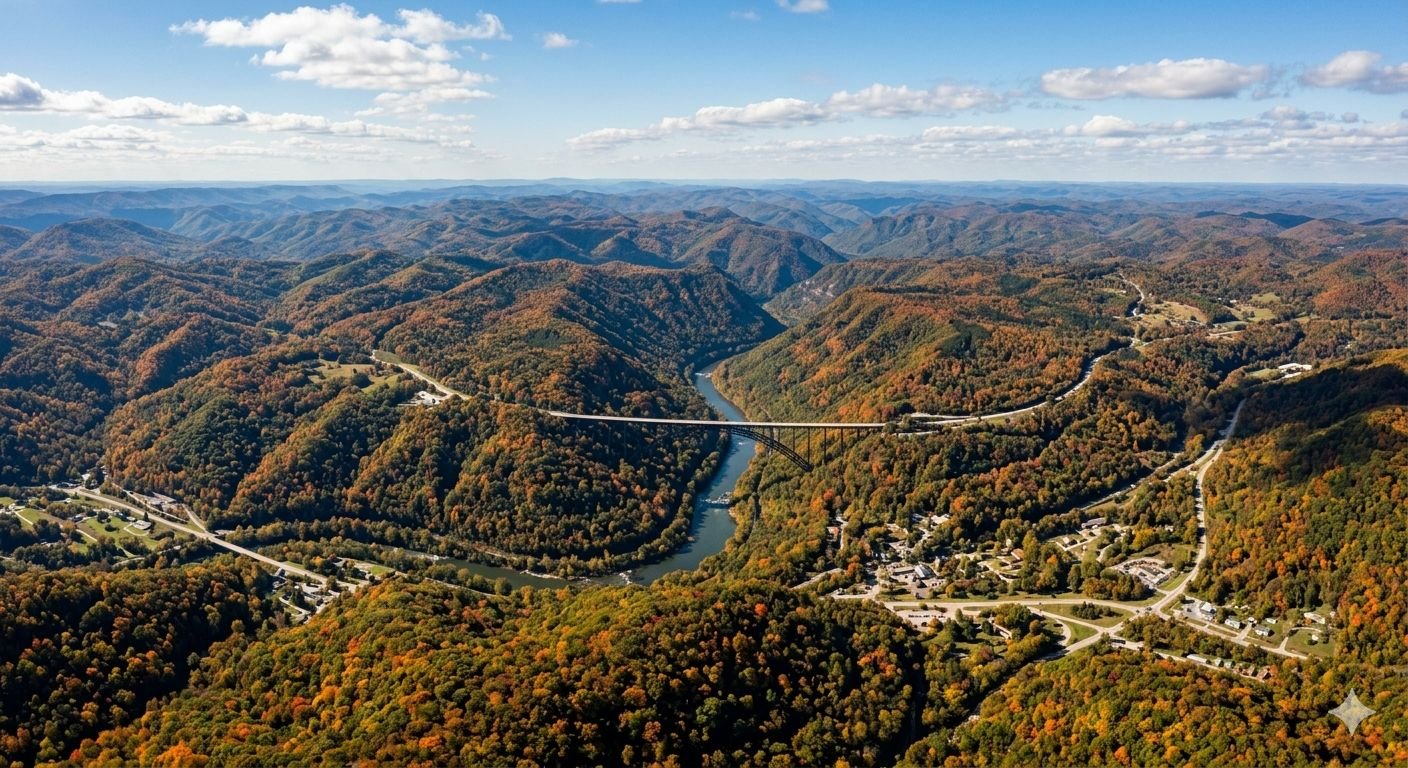
  • Hawaii: Where Wonder Meets the Wave

    Hawaii occupies a place in the human imagination unlike almost any other destination on earth. Mention the word and people conjure images of volcanic peaks emerging from clouds, of turquoise water over black lava shelves, of plumeria-scented air and the sound of slack-key guitar drifting across a warm evening. The remarkable thing about Hawaii is that the reality not only meets those expectations but consistently exceeds them.

    This remote archipelago in the central Pacific, the most isolated population center on earth, is a place of staggering natural beauty, profound cultural depth, and a complexity that rewards the traveler willing to look beyond the beach umbrella and the mai tai — though both of those have their place here too.

    Hawaii is the only American state located entirely outside North America, the only one composed entirely of islands, and the only one that was once an independent kingdom with a royal family, a written constitution, and diplomatic relations with the major powers of the world. That history — of a sophisticated indigenous civilization, of contact and its devastating consequences, of the overthrow of the monarchy and eventual annexation, and of the ongoing effort to preserve and revitalize Hawaiian language and culture — runs beneath the surface of every visitor experience and is essential context for understanding the place.

    Geography and the Island Chain
    The Hawaiian archipelago extends some 1,500 miles across the central North Pacific, but the inhabited and most-visited islands are clustered at the southeastern end of the chain. From northwest to southeast, the main islands are Niihau, Kauai, Oahu, Molokai, Lanai, Kahoolawe, Maui, and Hawaii — the last of these so much larger than the others that it is commonly called the Big Island to avoid confusion with the state name.

    All of the Hawaiian Islands are volcanic in origin, formed as the Pacific Plate drifts slowly northwestward over a stationary hotspot in the earth’s mantle. The youngest and most volcanically active island, the Big Island, sits directly over the hotspot and is still growing. As islands age and drift away from the hotspot, volcanic activity ceases and erosion begins its long work of carving the dramatic valleys, sea cliffs, and ridgelines that give islands like Kauai and Molokai their extraordinary topographic character.

    The climate varies dramatically by island and by location within each island. The northeastern, windward sides receive abundant rainfall and are characterized by lush rainforest, while the southwestern, leeward sides lie in rain shadow and are typically much drier. This means that on most islands, you can move from one climatic zone to a dramatically different one in the space of a short drive. Temperatures at sea level are warm year-round, generally ranging from the mid-70s to the upper 80s Fahrenheit, while higher elevations — particularly on Maui’s Haleakala and the Big Island’s Mauna Kea and Mauna Loa — can be extremely cold, with snow occurring regularly in winter.

    Oahu: The Gathering Place
    Oahu is home to roughly three-quarters of Hawaii’s population and the great majority of its visitors. Honolulu, the state capital, is a genuine cosmopolitan city of nearly 400,000 people, backed by the dramatic green ridgeline of the Koolau Range and fronted by the famous crescent of Waikiki Beach. It is simultaneously the most visited and most misunderstood of the Hawaiian islands — dismissed by some as too urban and too touristy, yet containing within its relatively compact geography an extraordinary range of experiences.

    Waikiki is the tourist epicenter — a dense strip of hotels, restaurants, shops, and beach activity that occupies a narrow peninsula between the Ala Wai Canal and the Pacific. In terms of sheer volume of visitors per square foot, it is one of the most intensively developed beach resorts in the world. It is also genuinely beautiful: the beach is wide and inviting, the water warm and calm within its reef-protected bay, Diamond Head crater rising to the southeast providing one of the world’s most recognizable skylines. Surfing was practiced here by Hawaiian royalty for centuries, and the long, gentle waves of Waikiki remain perfect for beginners learning the sport. The statue of Duke Kahanamoku — the legendary Olympic swimmer and surfing ambassador who introduced the sport to the world — stands on the beach as a reminder of this heritage.

    But Oahu offers far more than Waikiki. The North Shore, reached by a drive of about an hour from Honolulu, is the world capital of big-wave surfing. In winter, when massive swells generated by North Pacific storms arrive on these shores, the breaks at Waimea Bay, Pipeline, Sunset Beach, and a dozen others produce waves of 20, 30, and 40 feet that rank among the most powerful and dangerous in the world. The Triple Crown of Surfing — a series of elite professional competitions held here each November and December — draws the sport’s top competitors and large crowds of spectators to beaches that are otherwise quiet and relatively undeveloped. In summer, the same beaches calm to a mirror surface perfect for swimming and snorkeling.
    Pearl Harbor, on the southwestern shore of Oahu, is one of the most significant and solemnly maintained historic sites in the United States. The USS Arizona Memorial, built over the sunken hull of the battleship destroyed in the Japanese attack of December 7, 1941, is one of the most moving American memorials anywhere — the white marble structure hovering above the water through which the ship’s oil still slowly seeps more than eight decades later. The Pearl Harbor National Memorial complex also includes the USS Missouri, aboard which Japan’s formal surrender was signed in 1945, the USS Bowfin submarine, and the Pacific Aviation Museum. Plan a full day and reserve tickets well in advance, as the Arizona Memorial in particular has limited capacity.

    Diamond Head State Monument, the extinct volcanic crater that defines Honolulu’s eastern skyline, offers one of the most rewarding short hikes in Hawaii. The trail to the summit rim, climbing through the crater’s interior and through a series of tunnels and stairways built during World War II, delivers panoramic views over Waikiki, Honolulu, and the southern Oahu coastline that are genuinely spectacular. The hike takes about an hour and a half round trip and is moderately strenuous. Reservations and an entry fee are required.
    Iolani Palace, in downtown Honolulu, is the only royal palace on American soil and one of the most important historic sites in the state. Built in 1882 by King Kalakaua, it served as the official residence of the Hawaiian monarchy until Queen Liliuokalani was placed under house arrest here following the 1893 overthrow. The palace has been meticulously restored and its tours offer an essential window into the history of the Hawaiian Kingdom, its sophistication, and the manner of its ending.

    The Bishop Museum, also in Honolulu, is the premier institution for Hawaiian and Pacific Island natural and cultural history. Its Hawaiian Hall, housed in a magnificent Victorian building, contains one of the finest collections of Hawaiian artifacts and cultural objects in the world — feathered cloaks and helmets that belonged to Hawaiian royalty, ancient wooden idols, navigation instruments, and objects of daily life from pre-contact Hawaii. The museum also houses important collections from across Polynesia and Micronesia.
    Oahu’s food scene is exceptional and deeply multicultural, reflecting the island’s history as a meeting point of Hawaiian, Japanese, Chinese, Korean, Filipino, Portuguese, and American culinary traditions. Plate lunch — a generous serving of protein, two scoops of white rice, and macaroni salad — is the quintessential local food, available from lunch wagons and casual restaurants across the island. Shave ice, fresh poke, malasadas from Leonard’s Bakery, and the extraordinary Japanese-influenced cuisine of Honolulu’s restaurant scene are all essential eating experiences.

    Maui: The Valley Isle
    Maui is Hawaii’s second most visited island and, for many travelers, their favorite. It offers a combination of dramatic landscape, exceptional beaches, sophisticated dining and accommodation, and relative accessibility that makes it enormously appealing. The island is formed by two volcanic masses connected by a low isthmus — the West Maui Mountains to the northwest and the massive shield volcano of Haleakala to the southeast — giving it a figure-eight silhouette and a remarkable diversity of environments within a relatively small area.
    Haleakala National Park is Maui’s defining natural attraction.

    The volcano’s summit crater, at 10,023 feet elevation, is one of the most extraordinary landscapes in Hawaii — a vast, alien-looking depression of cinder cones, lava flows, and ash fields in shades of rust, gray, and ochre, stretching nearly eight miles across. The experience of watching sunrise from the summit of Haleakala — wrapped in borrowed parkas against temperatures that frequently drop below freezing, watching the light gradually illuminate the crater floor thousands of feet below while clouds fill the valleys on either side — is one of the most commonly cited transformative travel experiences in the Pacific. Reservations for the sunrise viewing area must be made well in advance, sometimes months ahead, through the National Park Service reservation system.

    The park also encompasses the Kipahulu District on the island’s southeastern flank, a lush rainforest zone centered on the Oheo Gulch — a series of pools and waterfalls cascading to the sea. The pools, popularly known as the Seven Sacred Pools (a name largely invented for tourists), are beautiful and swimming was historically possible in them, though access has been restricted in recent years due to flash flood danger and natural hazards. The Pipiwai Trail in the Kipahulu district, climbing through bamboo forest to the spectacular 400-foot Waimoku Falls, is one of the finest hikes in Hawaii.

    The Road to Hana is one of the world’s legendary driving experiences — 52 miles of narrow, winding road along Maui’s northeastern coastline, crossing 59 bridges and passing through an uninterrupted sequence of waterfalls, sea cliffs, rainforest, and black sand beaches. The drive itself takes at least three hours each way without stops, and most visitors allow a full day, stopping at the Garden of Eden arboretum, the Twin Falls, the Wailua Valley overlook, the Waianapanapa State Park with its black sand beach and lava sea caves, and the town of Hana itself — a quiet, largely Hawaiian community at the road’s end. The road continues beyond Hana to the Kipahulu district, and the full loop around the island’s eastern tip via the Piilani Highway is one of the great drives in the Pacific, though the unpaved sections require a rental vehicle without off-road restrictions.

    West Maui and the resort corridor along the island’s western shore — from Lahaina through Kaanapali to Kapalua — has historically been the center of Maui’s tourism infrastructure. Lahaina, an ancient Hawaiian capital and later a major whaling port, was for generations the most historically interesting small town in Hawaii, its Front Street lined with historic buildings, galleries, restaurants, and the massive banyan tree planted in 1873 that shades an entire city block. Tragically, the town was devastated by a catastrophic wildfire in August 2023 that killed more than 100 people and destroyed much of the historic district. Recovery and rebuilding efforts are ongoing, and the community’s resilience in the aftermath has been remarkable. Travelers visiting the area should follow local guidance about which areas are appropriate to visit, respect the community’s grief and ongoing recovery, and support local businesses that survived.

    Maui’s beaches are among the finest in Hawaii. Kaanapali Beach, backed by the island’s major resort hotels, offers excellent conditions for swimming, snorkeling, and various water sports. Napili Bay is a protected cove of exceptional beauty particularly popular with families. On the island’s south shore, Makena Beach — Big Beach — is a long, dramatic strand of golden sand with powerful shore break, beautiful but demanding respect. Hookipa Beach Park on the north shore is the world capital of windsurfing and kitesurfing, and watching the experts launch off the waves on a trade wind afternoon is a spectacle in itself.

    Whale watching on Maui is among the best in the world. Humpback whales migrate to Hawaiian waters each winter to breed and give birth, and the shallow, protected waters of the Auau Channel between Maui, Molokai, and Lanai constitute one of their primary habitats. From roughly December through April, whales are visible from shore and from numerous whale-watching boats operating from Maalaea Harbor and Lahaina, often approaching closely enough that their breath and the sound of their breaching can be clearly heard and felt.

    The Big Island: Geology in Real Time
    The island of Hawaii — the Big Island — is so much larger than the other islands that it contains within its boundaries nearly the entire range of the earth’s climatic zones, from tropical rainforest to alpine desert, from lush cattle ranching country to active lava fields. It is the youngest, least eroded, and most volcanically dramatic of the main islands, and for travelers primarily interested in landscape and natural science, it is the most extraordinary destination in the chain.

    Hawaii Volcanoes National Park, on the island’s southeastern flank, is one of the most remarkable national parks in the world — a landscape of active volcanism where the earth is visibly, measurably growing. The park encompasses the summit calderas of both Kilauea and Mauna Loa, two of the world’s most active volcanoes, along with vast fields of hardened lava, lava tube caves, sulfur vents, and the rainforest that gradually reclaims the lava fields over decades and centuries.

    Kilauea has been erupting in various forms almost continuously since 1983 — one of the longest volcanic eruptions ever recorded. The character of eruptions shifts over time: some periods produce spectacular lava lake activity within the Halemaumau Crater at the summit, while others see lava flows moving across the lower flanks toward the sea. The Jaggar Museum overlook and the various crater rim viewpoints offer extraordinary perspectives on the volcanic landscape, and at night, when lava lake activity is occurring, the glow from the crater illuminates the steam plumes in shades of orange and red visible for miles. The Thurston Lava Tube — a cathedral-sized tunnel formed when the outer surface of a lava flow cooled and hardened while the molten interior drained away — is accessible by a short walk through tree fern forest and is one of the park’s most popular features.

    The Chain of Craters Road descends from the park’s summit area to the coast, crossing miles of solidified lava flows in various stages of age and vegetation recovery, ending at the ocean where older flows have created dramatic black lava benches. When active lava reaches the sea, it produces spectacular steam explosions and builds new land in real time — one of the most viscerally powerful natural spectacles imaginable, though access to active entry points varies with eruption conditions.

    Mauna Kea, at 13,796 feet, is the highest point in Hawaii and, measured from its oceanic base, the tallest mountain on earth. The summit, reached by a rough road requiring a four-wheel-drive vehicle, is home to one of the world’s premier astronomical observatory complexes — the clear, dry air and distance from light pollution at this altitude make it among the best sites on earth for ground-based astronomy. The Onizuka Center for International Astronomy at the 9,200-foot level offers free stargazing programs on most clear evenings, and the view of the Milky Way from this elevation, above the cloud layer, is among the finest available anywhere on the planet.
    The summit of Mauna Kea is also a sacred site in Hawaiian culture — the meeting point of sky and earth, the realm of the gods. The ongoing debate over the construction of the Thirty Meter Telescope on the summit has brought this sacred significance into national consciousness and highlighted the tensions between scientific ambition and indigenous cultural rights that remain a live issue in contemporary Hawaii.

    The Kohala Coast, along the Big Island’s northwestern shore, is the island’s primary resort area — a dramatic landscape of black lava fields meeting brilliant turquoise water, with some of Hawaii’s finest luxury resorts built into the lava. The contrast between the manicured resort grounds and the raw volcanic landscape immediately surrounding them is striking. The beaches here — Hapuna Beach, Mauna Kea Beach, Anaeho’omalu Bay — are excellent, and the snorkeling and diving along this coast is outstanding, with spinner dolphins, sea turtles, and extraordinary coral reef fish commonly encountered.

    The Waipio Valley, on the island’s northeastern Hamakua Coast, is one of the most dramatic landscapes in Hawaii — a sacred valley of the Hawaiian kings, accessible only by a steep road so precipitous that rental vehicles are prohibited on its descent. The valley floor, reached on foot, by horseback, or by four-wheel-drive tour vehicle, contains a black sand beach, a meandering river, taro fields, and walls rising nearly 2,000 feet on three sides. Hi’ilawe Falls, visible from the valley rim, drops nearly 1,450 feet in two tiers and is one of the tallest waterfalls in the state.

    Kona coffee, grown on the slopes of Hualalai volcano on the Big Island’s western side, is the only coffee commercially grown in the United States and commands premium prices worldwide for its smooth, rich flavor. The Kona coffee belt — a narrow band of volcanic soil at the right elevation for coffee cultivation — is dotted with small farms offering tours and tastings, and a drive through this agricultural landscape in the blooming season (spring) or harvest season (fall) is one of the island’s great sensory pleasures.

    Kauai: The Garden Isle
    Kauai is the oldest of the main Hawaiian islands — approximately five million years of erosion have worked the volcanic landscape into formations of breathtaking drama. It is the most lush, the most green, the most waterfalled, and by many measures the most beautiful island in the chain. It is also the least developed of the major tourist islands, without a single building taller than a coconut palm by local ordinance, and this enforced restraint has preserved a character of rural quietness that the other islands have largely lost.

    The Na Pali Coast, along Kauai’s northwestern shore, is one of the great natural spectacles on earth. A 17-mile stretch of coastline where the mountains meet the sea in a series of fluted, cathedral-like ridges rising 3,000 to 4,000 feet directly from the Pacific, the Na Pali is accessible only by foot, boat, or helicopter — there are no roads along this coast, and the difficulty of access is precisely what has preserved its wild grandeur. The Kalalau Trail, an 11-mile route along the cliff faces that requires a permit and serious hiking experience, is considered one of the finest and most demanding coastal hikes in the world. Shorter sections of the trail, to Hanakapiai Beach and Hanakapiai Falls, are accessible without a permit and are rewarding in themselves. Sea tours departing from Port Allen or Hanalei Bay circumnavigate or enter the coast by inflatable raft or catamaran, offering perspectives on the sea cliffs that are impossible from land.

    Waimea Canyon — often called the Grand Canyon of the Pacific, though it is the work of river erosion rather than a single river over geological time — is a 14-mile long, 3,600-foot deep gash in the island’s western flank, its walls exposing layer upon layer of colorful volcanic rock in shades of red, orange, green, and brown. Viewpoints along the Waimea Canyon Drive deliver panoramic vistas across the canyon and, on clear days, to the distant peaks of Oahu. The canyon is part of Koke’e State Park, a highland region of native forest, pig and goat hunting, and excellent hiking trails above the canyon rim.

    Waimea Canyon Drive continues north to the Kalalau Lookout and Pu’u O Kila Lookout at the edge of the Alakai Swamp, the highest elevation wetland in the world — a rainforest plateau that receives in excess of 450 inches of annual rainfall and supports an extraordinary assemblage of native Hawaiian birds found nowhere else on earth. The view from the Kalalau Lookout, peering down into the valley and out to the Na Pali coast far below, is one of the most dramatic in Hawaii.

    The North Shore of Kauai — the Hanalei Bay area — is perhaps the most beautiful stretch of inhabited coastline in the Hawaiian islands. Hanalei Bay itself, a crescent of beach nearly two miles long framed by mountains draped in waterfalls, is an image that has appeared in dozens of films and has come to represent Hawaii in the popular imagination. The small town of Hanalei, with its historic taro-farming roots and its contemporary collection of surf shops, yoga studios, and excellent restaurants, is an extremely pleasant place to spend several days. The Hanalei National Wildlife Refuge in the valley behind town protects wetland taro fields that harbor several endangered Hawaiian waterbirds.
    Beyond Hanalei, the road narrows and the development thins as it approaches the end of the paved road at Ke’e Beach — the trailhead for the Kalalau Trail and one of the finest snorkeling spots on the island when conditions are calm. The drive along this coast, crossing one-lane bridges over rivers flowing down from the mountains, passing fruit stands and beach parks and taro paddies, is one of the most beautiful short drives in all of Hawaii.

    Poipu Beach on Kauai’s sunny southern shore is the island’s primary resort area and beach hub — a well-protected cove with calm conditions suitable for families, excellent snorkeling, and frequent sightings of Hawaiian monk seals hauling out on the sand. The monk seal is one of the most endangered marine mammals in the world, with a population of fewer than 1,500 individuals, and encounters with these ancient, gentle creatures on a Kauai beach are among the island’s most special wildlife experiences.

    Molokai and Lanai: The Quiet Islands
    For travelers seeking something genuinely off the beaten path, Molokai and Lanai offer experiences of Hawaii that have largely vanished from the more popular islands.
    Molokai, the fifth largest Hawaiian island, has resisted large-scale tourism development with unusual determination and remains the most authentically Hawaiian of the accessible islands. The majority of its small population is of Native Hawaiian descent, and the island’s pace of life and cultural character reflect that heritage more directly than anywhere else in the main chain. There are no traffic lights, no buildings taller than three stories, no resort hotels in the conventional sense. What there is: the Kalaupapa National Historical Park, accessible by mule trail down the world’s tallest sea cliffs, preserving the site of the leprosy settlement where Father Damien worked and died; the Papohaku Beach, one of the longest white sand beaches in Hawaii; and a sense of what the islands were like before the resort era arrived.

    Lanai, once dominated by a single pineapple plantation, is now largely owned by tech billionaire Larry Ellison and has been developed as an extremely exclusive destination centered on two luxury Four Seasons properties. Despite this unusual ownership situation, the island retains a wild and beautiful character, particularly in its interior highlands and along its dramatically rugged coastlines. The Garden of the Gods — a landscape of wind-sculpted red rock formations in the island’s northern interior — and the snorkeling at Hulopoe Bay are highlights. Lanai is the kind of place best visited by travelers with a high tolerance for remoteness and, if staying at the resort properties, a high tolerance for expense.

    Hawaiian Culture: Understanding the Place Beneath the Paradise
    No visit to Hawaii is complete without at least some engagement with Native Hawaiian culture — not the commercialized version sold in Waikiki luaus, though those can be enjoyable introductions, but the living culture that persists in language revitalization programs, in hula schools, in taro farming communities, in traditional fishing practices, and in the ongoing political movement for Hawaiian sovereignty and land rights.

    The Hawaiian language, nearly extinct by the late 20th century following generations of suppression, has been undergoing a remarkable revitalization since the establishment of Hawaiian language immersion schools beginning in the 1980s. Today, a new generation of Native Hawaiians is growing up with Hawaiian as a first language, and the language can be heard in schools, community radio, and everyday conversation in ways that would have seemed impossible a generation ago.

    Hula — the traditional dance form that encodes and transmits Hawaiian history, genealogy, and spiritual knowledge — is a serious artistic discipline, not merely the tourist entertainment it is sometimes presented as. Hula schools called halau operate throughout the islands, and the Merrie Monarch Festival held each spring in Hilo on the Big Island is the premier hula competition in the world, a week-long celebration of profound cultural significance that draws competitors and audiences from across Hawaii and beyond. Attending, even as an outside observer, is a moving and illuminating experience.

    The concept of aloha — so thoroughly commodified in tourist marketing as to seem meaningless — carries genuine depth in Hawaiian cultural understanding. It encompasses not merely friendliness but a philosophy of mutual respect, care, and recognition of the shared humanity and spiritual connection between people. Similarly, the concept of malama aina — caring for the land — expresses a relationship between people and the natural world that is fundamentally different from the extractive or recreational framings typically brought by visitors. Approaching Hawaii with some awareness of these concepts, and some humility about the visitor’s role in a place with a complex and sometimes painful history of tourism, makes for a richer and more respectful experience.

    Marine Life and Ocean Experiences
    Hawaii’s surrounding waters are extraordinarily rich in marine life, and ocean experiences rank among the most compelling reasons to visit. Snorkeling and scuba diving are excellent throughout the chain, with clear, warm water, healthy coral reefs, and an abundance of colorful reef fish. Sea turtles — honu in Hawaiian — are commonly encountered at many snorkeling sites and are protected under federal law; observing them underwater, as they graze on algae along the reef, is one of the most reliably moving wildlife encounters in the Pacific.
    The waters around the Big Island’s Kona Coast are renowned among divers for the manta ray night dive — an experience in which divers kneel on the ocean floor while massive manta rays, with wingspans up to 15 feet, perform balletic feeding loops overhead in the beam of underwater lights. It is considered one of the top dive experiences in the world by the global diving community.

    Spinner dolphins are encountered throughout Hawaiian waters, often in large groups resting in sheltered bays during daylight hours. Humpback whales, as noted, visit from December through April. Less commonly encountered but present in Hawaiian waters are false killer whales, pilot whales, sperm whales, and — for very lucky divers and snorkelers — whale sharks and tiger sharks.

    The Hawaiian monk seal and the Hawaiian green sea turtle are the two most commonly encountered endangered species in nearshore waters, and both are protected by federal law. If you encounter a monk seal resting on a beach — a common occurrence, particularly on Kauai and the Big Island — the required distance is 50 feet, and the NOAA Marine Debris Program actively monitors seal behavior and health.

    Practical Travel Information
    The primary entry point for international visitors and most mainland Americans is Honolulu International Airport (now officially Daniel K. Inouye International Airport) on Oahu. Direct flights connect Honolulu with cities across the mainland United States, as well as Tokyo, Sydney, Seoul, and various other Pacific cities. Inter-island travel is primarily by air, with Hawaiian Airlines and Southwest Airlines providing frequent service between the major islands. Inter-island ferry service connects Maui and Lanai.
    Rental cars are essentially essential for exploring most of the islands beyond resort corridors, and they should be booked well in advance, particularly during peak seasons (summer and the December holidays). Maui in particular has experienced chronic rental car shortages in recent years. Some areas — the summit of Mauna Kea, certain sections of unpaved road — require four-wheel drive vehicles.

    Hawaii is expensive by American standards, reflecting its isolation, the cost of importing most goods, and the pressure of very high tourism demand. Accommodation costs are substantial, particularly on Maui and Kauai. Budget travelers can manage costs through vacation rental platforms, camping at state parks (which requires advance permit reservations), plate lunch eating, and focusing on the many free attractions — beaches, hikes, and cultural events — that form the core of the experience anyway.

    Sun protection is critically important in Hawaii. The islands sit close to the equator and the sun is intense, particularly at higher elevations and during midday hours. Reef-safe sunscreen — free of oxybenzone and octinoxate, chemicals that damage coral reefs — is required by state law and should be used regardless. Rip currents on ocean-facing beaches claim lives every year; always check posted conditions, heed warning flags, and never underestimate the ocean.

    Respecting sacred sites, not removing rocks or sand from beaches or parks, staying on marked trails, keeping distance from wildlife, and engaging with the culture and history with genuine curiosity and humility are not merely courtesies but the conditions for experiencing Hawaii as something more than a backdrop for selfies.

    Final Thoughts
    Hawaii is simultaneously the easiest American destination to idealize and the most complicated to truly understand. Its beauty is absolutely real — the volcanic landscapes, the ocean, the light, the flowers and birds and reef — but beneath that beauty lies a history and a present of considerable complexity: the displacement of indigenous people from their lands, the ecological transformation wrought by introduced species, the ongoing tension between tourism’s economic necessity and its cultural costs.

    The traveler who comes to Hawaii with eyes and heart open — who takes time to learn some of the history, to hear some of the music, to understand something of what aloha actually means, and to treat the land and its people with the reverence they deserve — will find something that transcends every postcard image. They will find a place that is genuinely, profoundly unlike anywhere else on earth: ancient and modern, remote and accessible, heartbreaking and heartbreakingly beautiful.

    Hawaii is not merely a destination. It is, if you let it be, an experience of what the natural world can be at its most magnificent, and what human culture can be at its most distinctive. Come with respect, stay as long as you can, and leave — as most people do — already planning your return.

  • New Hampshire: Your Wildly Responsible Escape

    New Hampshire packs more geographic drama, seasonal beauty, and historic depth into its relatively modest footprint than almost any state in the nation. Bordered by Vermont to the west, Maine to the east, Massachusetts to the south, and Quebec to the north, with a tiny 18-mile sliver of Atlantic coastline squeezed between Maine and Massachusetts, New Hampshire is a state of remarkable contrasts and concentrated pleasures. Its White Mountains rank among the most dramatic highlands in the eastern United States. Its lakes region is a summer paradise of clear water and forested shores. Its seacoast, brief as it is, contains a colonial city of genuine architectural distinction. And its small cities and rural villages preserve a character of Yankee independence and civic seriousness — this is the state of the first-in-the-nation primary, where presidential candidates must still shake hands at diners and answer hard questions in living rooms — that is increasingly rare in modern America.

    The state motto, “Live Free or Die,” attributed to Revolutionary War general John Stark, is not merely a slogan here. It reflects a genuine political and cultural temperament — fiercely independent, deeply skeptical of government overreach, proud of local self-determination — that has shaped New Hampshire’s character for more than three centuries and continues to make it one of the most politically interesting and culturally distinctive states in the union.

    Geography and the Lay of the Land
    New Hampshire divides naturally into several distinct regions, each with its own character and appeal. The North Country, dominated by the White Mountains and the vast forests beyond them, occupies the northern half of the state and draws visitors for hiking, skiing, fall foliage, and wilderness experience. The Lakes Region, centered on Lake Winnipesaukee and its surrounding waters, spreads across the middle of the state and has been a summer resort destination since the Victorian era. The Seacoast Region, along the southern Atlantic shore, contains Portsmouth, the state’s most historically significant city, and a string of beach communities. The Merrimack Valley, running north-south through the state’s industrial heartland, connects Manchester and Concord. And the Monadnock Region in the southwest, anchored by the great solitary peak of Mount Monadnock, offers some of the state’s most rewarding hiking and rural scenery.

    The underlying geology is ancient and hard — hence the Granite State nickname — and it has shaped everything from the rugged mountain terrain to the stone walls that lace the forests, remnants of the farms that cleared and then abandoned this rocky land over the past three centuries. The White Mountains are among the oldest mountain ranges on earth, worn by hundreds of millions of years of erosion into rounded summits and broad ridges that nevertheless reach elevations sufficient to support genuine alpine conditions above treeline.
    The climate is emphatically four-seasonal. Winters are long and cold, with substantial snowfall — the White Mountains receive among the heaviest snowfalls in the eastern United States, and wind chills on exposed summits can be life-threatening even in late spring. Spring arrives tentatively, mud season preceding the explosion of wildflowers and new leaves. Summers are warm and generally pleasant, with cool nights even in the valleys and genuine alpine freshness above treeline. Fall is spectacular — the deciduous forests of New Hampshire ignite in late September and October with foliage displays that draw visitors from across the country and around the world.

    The White Mountains: New Hampshire’s Crown
    The White Mountains dominate the northern third of New Hampshire and constitute one of the great outdoor destinations of the eastern United States. The White Mountain National Forest covers nearly 800,000 acres of peaks, valleys, rivers, and forests, containing 48 peaks above 4,000 feet — the so-called Four Thousand Footers, bagging all of which is a serious mountaineering project that occupies dedicated hikers for years. The range contains the highest peak in the northeastern United States, the most extensive above-treeline terrain east of the Rockies, and some of the most extreme weather conditions recorded anywhere on earth.

    Mount Washington, at 6,288 feet, is the crown of the White Mountains and one of the most compelling mountain destinations in the eastern United States. For more than 60 years, a weather observatory on its summit recorded the highest wind speed ever observed at the earth’s surface — 231 miles per hour in April 1934, a record that stood until 1996 when an Australian cyclone exceeded it. The summit is notoriously unpredictable — temperatures can plummet and visibility can drop to zero within minutes regardless of conditions in the valleys below — and its weather has claimed more than 150 lives over the centuries. The saying posted on trail signs throughout the range — “This is the most dangerous small mountain in the world” — is not hyperbole but practical warning.

    Yet Mount Washington is also one of the most accessible high-altitude experiences in the country. The Mount Washington Auto Road, a private toll road built in 1861 and the oldest man-made tourist attraction in the United States, winds eight miles from its base in Pinkham Notch to the summit, offering staggering views at every turn and the peculiar thrill of driving above treeline on a mountain road with no guardrails. Bumper stickers reading “This Car Climbed Mt. Washington” are a genuine New England institution. The Mount Washington Cog Railway, operating since 1868, offers a different ascent — a steam or biodiesel-powered train climbing the mountain’s western slope on the world’s first mountain-climbing cog railway, one of the great historic rail experiences in the country.

    For hikers, Mount Washington is the centerpiece of an extraordinary network of trails. The Tuckerman Ravine Trail, the most popular route to the summit, climbs through dense boreal forest to the dramatic glacial cirque of Tuckerman Ravine — a bowl-shaped depression below the summit cone where snow accumulates in depths of 50 to 100 feet and skiers hike up to ski down on natural snow well into June, sometimes July. The headwall of Tuckerman Ravine, rising at angles of 40 to 55 degrees, is one of the most famous steep skiing venues in the eastern United States and has been a pilgrimage destination for expert skiers for nearly a century. The full climb to the summit via Tuckerman Ravine covers about 4.2 miles one way with 4,200 feet of elevation gain — strenuous but achievable for fit hikers in good weather.

    The Presidential Range, of which Mount Washington is the highest point, extends north and south through a series of summits named for early American presidents — Adams, Jefferson, Monroe, Madison, Eisenhower, Pierce, Jackson — connected by the famous Crawford Path, the oldest continuously maintained hiking trail in the United States, established in 1819. The traverse of the full Presidential Range, staying in the Appalachian Mountain Club’s network of high huts, is one of the classic multi-day hiking experiences in the eastern United States.
    The AMC hut system deserves particular attention. Eight backcountry huts, spaced roughly a day’s hike apart along the trails of the White Mountains, offer bunk accommodations and meals — cooked by young hut croo members who carry supplies in on their backs — at locations ranging from the accessible (Lonesome Lake Hut, a short walk from the trailhead) to the remote and dramatic (Madison Spring Hut, perched above treeline in the northern Presidentials). Sleeping in a hut above treeline during a stormy night, then waking to clear air and sunrise views over the mountains, is one of the defining experiences of White Mountain hiking. Reservations are essential and fill months in advance for summer weekends.

    Franconia Notch State Park, in the western White Mountains, is one of the most visited destinations in New Hampshire and contains within its relatively compact geography an extraordinary concentration of natural attractions. The Flume Gorge is a natural gorge nearly 800 feet long, its walls rising 70 to 90 feet on either side, with waterfalls, mossy boulders, and the kind of intimate geological drama that never fails to impress. Profile Lake sits at the foot of Cannon Mountain beneath the site of the Old Man of the Mountain — the famous rock profile that served as New Hampshire’s state symbol until it collapsed in 2003, to the genuine grief of the state’s residents. Echo Lake, at the base of Cannon Mountain, offers swimming, boating, and views up toward the cliffs above. The Franconia Notch Bike Path runs the length of the notch and is one of the finest paved recreational paths in New Hampshire.
    Cannon Mountain, rising above Franconia Notch, is one of the premier ski areas in New England — historically significant as the site of America’s first aerial tramway, opened in 1938, and still offering excellent terrain from its 4,080-foot summit, with long runs and consistent snow in a setting of considerable drama. The Aerial Tramway operates in summer as well, carrying sightseers to the summit for views across the notch and into Vermont and New York.

    Kancamagus Highway — “The Kanc” — is one of the great scenic drives in New England, a 34.5-mile road crossing the White Mountains through Kancamagus Pass at 2,855 feet, connecting Lincoln in the west to Conway in the east. The road passes through the heart of the national forest without a single commercial establishment along its length — no gas stations, no restaurants, no shops — and offers access to numerous waterfalls, swimming holes, hiking trailheads, and campgrounds. In fall, the drive through the peak foliage corridor is spectacular enough to cause genuine traffic congestion. Sabbath Day Pond, the Swift River swimming holes near the Rocky Gorge scenic area, and the Sabbaday Falls trailhead are among the popular stops along the route.
    Crawford Notch, in the heart of the White Mountains, is a deep mountain pass with its own dramatic history and natural attractions.

    The Saco River rises nearby and flows through the notch, and the surrounding terrain includes numerous waterfalls — Silver Cascade and Flume Cascade tumble directly beside the highway — along with the dramatic cliff faces of Webster and Willard. Crawford Notch State Park offers hiking, camping, and the starting point for the Crawford Path to the Presidential Range. The historic Crawford Notch depot, a beautifully preserved Victorian railroad station, now serves as a visitor center and the base for excursion train rides through the notch operated by the Conway Scenic Railroad.

    The town of North Conway, at the southeastern gateway to the White Mountains, functions as the commercial hub for the region — a busy strip of outlet stores, restaurants, lodges, and outfitters that provides everything a visiting hiker, skier, or casual tourist might need. It is not a place of great beauty or historic distinction, but it is extremely functional. The Conway Scenic Railroad, operating vintage steam and diesel trains on excursions through Crawford Notch, is one of the region’s most enjoyable family attractions. Nearby Attitash and Wildcat Mountain ski areas round out the winter recreation options.

    Skiing and Winter Recreation
    New Hampshire is one of the premier ski states in the eastern United States, with a concentration of ski areas in the White Mountains that ranges from large destination resorts to small family hills. The combination of consistent cold temperatures, aggressive snowmaking infrastructure, and challenging terrain makes New Hampshire skiing reliably excellent from December through March and sometimes beyond.

    Loon Mountain, near Lincoln, is one of the state’s largest and most popular ski resorts, with 61 trails spread across a broad mountain and a well-developed base village with lodging, restaurants, and ski school facilities. Its snowmaking coverage is among the best in the region, and its terrain spans a good range from beginner to expert. Waterville Valley, a planned resort community in its own mountain valley, offers a self-contained skiing and village experience with good terrain and an exceptionally family-friendly atmosphere. Bretton Woods, adjacent to the historic Mount Washington Hotel in Carroll, is the largest ski area in New Hampshire by trail count, with 97 trails spread across a broad mountain face and some of the state’s best groomed cruising terrain.

    Wildcat Mountain, rising directly opposite Mount Washington across Pinkham Notch, offers some of the state’s most challenging terrain and the best views of any ski area in New England — the Presidential Range spread across the skyline from the summit is genuinely breathtaking. Cannon Mountain, as noted, combines historic significance with excellent expert terrain. Smaller areas — King Pine, Gunstock, McIntyre — serve local and family markets with more modest but perfectly enjoyable terrain.

    Cross-country skiing and snowshoeing are superb throughout the White Mountains and the Lakes Region. The Great Glen Trails at the base of Mount Washington offer an outstanding Nordic skiing complex with access to backcountry terrain. Jackson, a small village in the Mount Washington Valley, has one of the finest groomed Nordic trail networks in New England, maintained by the Jackson Ski Touring Foundation and connecting through the village and surrounding forest.
    Ice fishing on Lake Winnipesaukee and numerous other frozen lakes is a serious winter pursuit, with ice fishing villages of portable shelters appearing on the ice each January and February. Snowmobile trails extend across hundreds of miles of the state’s northern forests, connecting communities and providing access to wilderness terrain that is otherwise unreachable in winter.

    Lake Winnipesaukee and the Lakes Region
    Lake Winnipesaukee, covering 72 square miles and containing 274 islands, is the largest lake in New Hampshire and the center of the state’s summer resort industry. Its name derives from the Abenaki language and means roughly “smile of the great spirit” — an apt description for a lake of exceptional beauty framed by mountains on all sides and lit by the long evenings of a New Hampshire summer.

    The towns around the lake’s shores offer distinct flavors of summer resort life. Wolfeboro, on the eastern shore, is one of the oldest summer resort towns in America — it has been welcoming summer visitors since at least 1763 — and its well-maintained downtown of historic buildings, waterfront parks, shops, and restaurants makes it one of the most pleasant small towns in New England. Meredith, at the northwestern corner of the lake, is a more commercial hub with good marina facilities and the elaborate Inns and Spa at Mill Falls complex. Weirs Beach, on the western shore, is the lake’s most active and decidedly more populist destination — a honky-tonk strip of arcades, waterslides, seafood shacks, and a public beach that has been drawing working-class families from southern New England since the Victorian era.

    Weirs Beach is the center of two of New Hampshire’s most distinctive annual events. Motorcycle Week, held each June since 1939, draws hundreds of thousands of motorcycle enthusiasts to the Lakes Region for a week of rallies, touring, and general revelry — it is one of the largest motorcycle gatherings in the world and transforms the normally quiet region into a roaring, leather-clad spectacle. Laconia Bike Week, as it is commonly known, is an essential piece of New Hampshire’s cultural calendar, loved and tolerated in roughly equal measure by locals. In October, the Winni Sails regatta and the fall foliage season bring a quieter but equally beautiful wave of visitors.
    The MS Mount Washington, a classic lake cruise ship operating from Weirs Beach and making stops around the lake, is one of the Lakes Region’s most enduring institutions — a narrated cruise across Winnipesaukee, with its islands and mountain backdrop, is a thoroughly pleasant way to spend an afternoon. Smaller pontoon boat and kayak rentals are available at marinas throughout the lake.

    Beyond Winnipesaukee, the Lakes Region contains dozens of other beautiful lakes offering excellent fishing, swimming, and kayaking. Squam Lake, to the northwest of Winnipesaukee, is perhaps the most scenically beautiful of the smaller lakes — its clear, undeveloped shores were used as the filming location for the 1981 film On Golden Pond, and it retains the quality of pristine quietness that the film celebrated. Squam Lakes Natural Science Center in Holderness offers excellent wildlife exhibits and a trail system where native animals including black bears, mountain lions, otters, and raptors are kept in large naturalistic enclosures.

    Portsmouth: The Jewel of the Seacoast
    Portsmouth is one of the finest small cities in New England and one of the most historically intact colonial cities in the United States. Founded in 1623 as one of the earliest English settlements in North America, it served for most of the colonial period as New Hampshire’s primary port and commercial center, accumulating over two centuries a remarkable collection of Georgian and Federal-period architecture that survives in extraordinary density in its historic neighborhoods.

    Strawbery Banke Museum, in the South End neighborhood where the city was originally settled, is one of the finest outdoor history museums in New England — a ten-acre complex of more than 30 historic structures spanning four centuries of Portsmouth history, from the 17th century through the 20th. Unlike many outdoor museums that present a single frozen historical moment, Strawbery Banke explicitly embraces the layered complexity of a neighborhood that evolved over time, with houses interpreted across different periods of their history. The result is a richly nuanced picture of how American urban life changed across the centuries, presented in the actual buildings where that life was lived.

    The historic district surrounding Strawbery Banke contains some of the most beautiful domestic architecture in New England. The Moffatt-Ladd House, the Wentworth-Gardner House, the Governor John Langdon House, and numerous other 18th-century mansions built by Portsmouth’s wealthy merchant class are open for tours and collectively represent one of the finest concentrations of Georgian architecture in the country. Walking the streets of the South End and Puddle Dock neighborhoods — or following the Portsmouth Black Heritage Trail, which tells the often-overlooked story of the city’s significant African American community during the colonial and Federal periods — is an experience of extraordinary historical depth.
    Downtown Portsmouth is a lively and extremely walkable small city center, with an excellent restaurant scene, numerous independent bookshops, galleries, and boutiques, a thriving live music and theater community centered on the Music Hall, and a general atmosphere of civic vitality that is unusual for a city of fewer than 25,000 people. The restaurant scene in particular has earned Portsmouth a reputation as one of the best dining destinations in northern New England — a concentration of talented chefs drawn to the city’s quality of life has created an unusually sophisticated culinary landscape in a very compact area.

    Fort Stark and Fort Constitution, on the harbor’s edge at New Castle Island, preserve military fortifications spanning from the Revolutionary War through World War II and offer dramatic views across the harbor entrance and out to sea. The Isles of Shoals — a group of small islands six miles offshore, divided between New Hampshire and Maine — can be reached by excursion boat from Portsmouth and offer a remote and windswept day trip with a fascinating history, including the site of a famous 19th-century double murder that inspired the poet Celia Thaxter’s work.

    The Monadnock Region: New England’s Quiet Corner
    The southwestern corner of New Hampshire, anchored by the solitary peak of Mount Monadnock, is one of the most distinctively New England landscapes in the region — a countryside of white-steepled villages, stone-walled fields growing back to forest, covered bridges, and small manufacturing towns along the Ashuelot and Connecticut rivers.

    Mount Monadnock, at 3,165 feet, is not particularly tall by White Mountain standards, but it is a geological anomaly — a lone peak of extremely hard quartzite rising above the surrounding lowlands, its summit entirely above treeline due to a combination of altitude and a 19th-century fire that burned off the forest cover. It is, by most accounts, the most climbed mountain in the United States and one of the most climbed in the world, with more than 125,000 ascents annually. The views from the summit encompass all six New England states on a clear day — an extraordinary 360-degree panorama across a landscape of forests, fields, and distant peaks that rewards even the most casual hiker.

    The Monadnock region is also the historic heart of New Hampshire’s arts community. Peterborough, a small town at the base of the mountain, is home to the MacDowell Colony — founded in 1907 and now known simply as MacDowell — one of the oldest and most prestigious artists’ residency programs in the world. Writers, composers, and visual artists including Thornton Wilder, Aaron Copland, Leonard Bernstein, Willa Cather, and hundreds of others have worked here, and the colony’s influence on American cultural life has been enormous and largely unsung. The town itself, with its excellent library and a collection of small shops and restaurants, is a pleasant base for exploring the region.

    Keene, the largest city in the region, is a classic New England mill town with a handsome Main Street — one of the widest in New England — and a lively arts and cultural scene anchored by Keene State College. The Cheshire County area surrounding Keene contains numerous covered bridges, including the particularly beautiful Swanzey bridges, several of which date to the mid-19th century. The town of Harrisville, north of Keene, is a remarkably intact 19th-century mill village — its brick mill buildings, worker housing, and mill pond surviving in an almost perfectly preserved state that has led to its listing in the National Register as a National Historic Landmark District.

    Covered Bridges and Historic Villages
    New Hampshire contains more than 50 covered bridges, relics of the 19th century when wooden truss bridges were protected from the elements by roofing and siding that extended their lives from 10 to 100 years or more. Many of the finest are concentrated in the Carroll County area of the White Mountains — the Swift River, the Saco River, and their tributaries were crossed by a remarkable density of these structures. The Albany Covered Bridge near the Kancamagus Highway, the Stark Covered Bridge in its dramatic mountain setting above the Upper Ammonoosuc River, and the Cornish-Windsor Covered Bridge spanning the Connecticut River to Vermont — the longest covered bridge in the United States at 449 feet — are among the most photographed.

    The Connecticut River Valley along New Hampshire’s western border contains a string of historic towns and villages of considerable charm. Hanover, home to Dartmouth College — one of the Ivy League institutions and a significant presence in the Upper Connecticut Valley — is a handsome college town with excellent museums, including the Hood Museum of Art with its particularly strong collection of Native American art and artifacts. The Hopkins Center for the Arts brings world-class performing arts to this corner of rural New England. Dartmouth’s campus, with its Georgian buildings arranged around a classic New England green, is one of the most beautiful collegiate landscapes in the country.

    Canterbury Shaker Village, south of the city of Concord, preserves one of the most complete surviving Shaker communities in the United States. The Shakers, a religious community that practiced celibacy, communal living, and an aesthetic philosophy of beautiful simplicity, established a community here in 1792 that eventually encompassed nearly 100 buildings and a self-sufficient agricultural and manufacturing economy. The village today offers tours of its remarkably well-preserved structures, demonstrations of Shaker crafts and music, and a museum collection of extraordinary quality. The Shaker aesthetic — clean lines, perfect proportion, functional beauty — has influenced American design for two centuries and is powerfully represented here.

    Fall Foliage
    New Hampshire’s fall foliage season is one of the most celebrated natural events in the eastern United States, drawing visitors from across the country and from overseas each September and October. The combination of the state’s diverse hardwood forests — sugar maple, red maple, birch, beech, ash, and oak mixing in varying proportions at different elevations — and its dramatic mountain terrain creates a foliage display of exceptional intensity and variety.

    The season begins in the higher elevations of the White Mountains in mid-September, when the first maples and birches on the upper slopes begin to turn. It progresses downward through the mountains and outward across the state through late September and into mid-October, reaching the southern lowlands and the seacoast in the second and third weeks of October. Peak timing varies from year to year depending on temperature and rainfall patterns, and the New Hampshire Division of Travel and Tourism publishes weekly foliage reports that allow visitors to track conditions in real time.

    The Kancamagus Highway during peak foliage is one of the iconic New England fall experiences — the road threading through the heart of the White Mountains with brilliant color on every hillside — but it comes with significant crowds and should be approached with patience and flexibility regarding timing. The smaller roads through the Monadnock region, the Connecticut River Valley, and the Lakes Region offer equally beautiful foliage with considerably less competition. The Mount Washington Valley, Franconia Notch, and the towns of Jackson, Bartlett, and Conway are particularly celebrated for their foliage displays, and their combination of mountain scenery with village charm makes them among the most satisfying places in New Hampshire to experience the season.

    Food, Farms, and Local Flavor
    New Hampshire’s food culture is rooted in its agricultural heritage and has evolved in recent decades into a vibrant farm-to-table movement supported by a growing number of excellent local farms, orchards, breweries, and food producers.
    Apple orcharding has been a part of New Hampshire agriculture for centuries, and apple picking in September and October has become one of the state’s most popular autumn activities. The regions around Concord, Milford, and the Monadnock area are particularly rich in pick-your-own orchards, many of which also produce cider, cider donuts — an essential New England autumn food — and a range of artisanal food products.

    Maple sugaring is another deeply rooted agricultural tradition. New Hampshire producers tap sugar maples throughout the state each late winter and early spring when nights remain below freezing and days warm above — the temperature differential that causes sap to flow. The state’s maple weekend in March opens sugarhouses to visitors and offers the extraordinary experience of sampling fresh maple syrup directly from the evaporator, often poured over snow in the traditional manner. New Hampshire maple syrup is among the finest produced anywhere.
    The craft brewing scene has expanded dramatically in recent Hampshire over the past decade. Breweries ranging from small taproom operations in converted mill buildings to larger production facilities with outdoor beer gardens have proliferated throughout the state, and the quality of New Hampshire craft beer is genuinely high. Throwback Brewery in North Hampton, Tuckerman Brewing Company in Conway, Woodstock Inn Brewery in North Woodstock, and numerous others have earned regional and national recognition.

    Portsmouth’s restaurant scene, as noted, deserves particular mention. Black Trumpet Bistro, The Franklin, Row 34 — an outstanding raw bar and seafood restaurant — and numerous others make Portsmouth a genuine culinary destination. The remainder of the state’s restaurant landscape ranges from excellent to perfectly adequate, with the White Mountain resort towns developing increasingly sophisticated dining scenes in recent years.

    New Hampshire’s 18-mile seacoast, concentrated around Hampton Beach and Rye, offers the seafood traditions of coastal New England — lobster rolls, clam chowder, fried clams, fresh fish — in a setting where ocean breezes and the sound of surf provide appropriate accompaniment. Hampton Beach is a classic American beach resort town of the old school, complete with arcades, seafood shacks, a famous annual sand sculpture competition, and summer concert series on the beach.

    Practical Travel Information
    Manchester-Boston Regional Airport is the state’s primary commercial airport, served by several major carriers with direct flights to a growing number of destinations. Boston Logan International Airport, about an hour south of the New Hampshire border, provides considerably more flight options and is used by many visitors to the state. Manchester is convenient to the Lakes Region, Monadnock area, and southern New Hampshire. For the White Mountains, Portland International Jetport in Maine is sometimes a useful alternative.
    A car is essentially essential for exploring New Hampshire beyond its cities. Public transportation within the state is limited, and the distances between attractions, the mountain terrain, and the dispersed nature of the most rewarding destinations all make driving not merely convenient but necessary. Roads in the White Mountains are generally well maintained but can be narrow, steep, and winding — and in winter require attention and appropriate tires or chains. The Mount Washington Auto Road closes seasonally and should be checked for current conditions.

    New Hampshire is one of five states with no general sales tax, which makes retail purchases notably less expensive than in surrounding states and is a significant driver of cross-border shopping, particularly in the outlet stores of North Conway. There is also no income tax on wages, though there is a tax on interest and dividends. These fiscal characteristics, combined with relatively low property taxes in rural areas, make New Hampshire an attractive place of residence for those who can afford it.
    Accommodation ranges from basic roadside motels and campgrounds — the national forest and state parks offer excellent camping, and reservations are essential for summer and fall weekends — to elegant country inns, ski resort lodges, and lakefront cottages rented by the week. The Mount Washington Hotel at Bretton Woods, a grand white wooden resort hotel opened in 1902 and the site of the 1944 Bretton Woods International Monetary Conference that established the postwar international financial system, is one of the most historically resonant and visually dramatic hotels in New England. Even travelers not staying there should stop to see it.

    Final Thoughts
    New Hampshire rewards its visitors with a generosity proportionally inverse to its modest size. In the span of a single day, you can watch sunrise from above the clouds on Mount Washington, swim in a crystal-clear mountain lake at midday, and eat a lobster roll on the seacoast as the sun sets over the Atlantic. In a single weekend, you can hike through birch forest carpeted in autumn gold, sleep in a 19th-century inn beside a covered bridge, and eat exceptionally well in a small city where the chefs know the farmers by name.

    But New Hampshire also rewards patience and return visits. Its best experiences are rarely the most obvious ones — they are found on the trail that continues beyond where most people turn back, in the small museum that doesn’t appear in the major guidebooks, in the conversation with a sugarhouse owner during maple weekend, in the sound of a fiddle at a contra dance in a Grange hall on a cold October night. This is a state with deep roots and a genuine character, and the more time you spend here, the more of that character reveals itself.
    Come in any season, but come for long enough to let the mountains and lakes and old stone walls work on you at the pace they deserve. New Hampshire, in the end, is not a place that gives itself up quickly. It is a place that, like the granite beneath its soil, reveals its qualities slowly, under pressure, and lastingly.