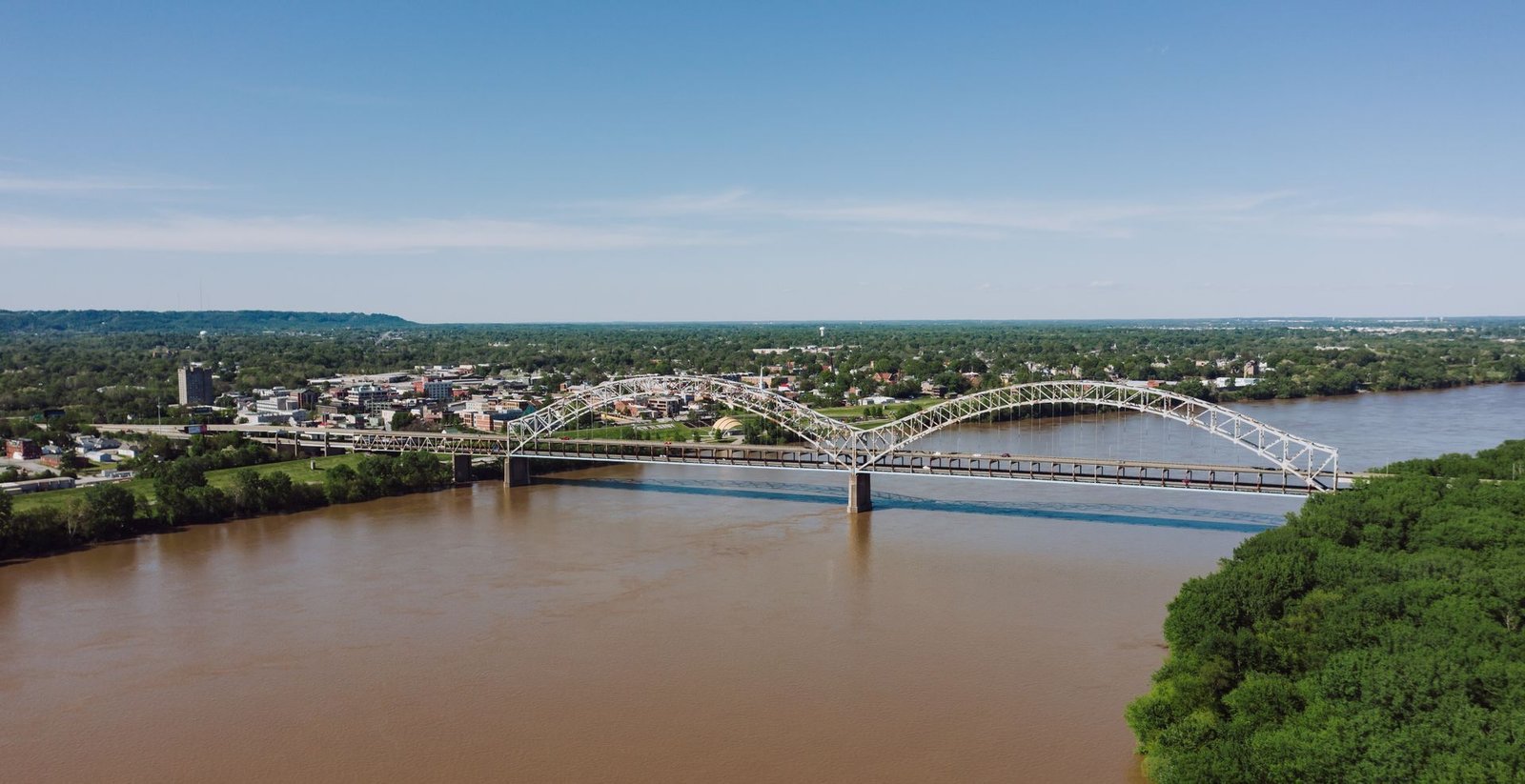
Sitting on the southern bank of the Ohio River, Louisville is Kentucky’s largest city and one of the American South’s most compelling travel destinations. It is a city that defies simple categorization: part Southern charm, part Midwestern grit, part cosmopolitan culture hub, and entirely its own thing. Locals pronounce it “LOO-ee-vil” — and they will gently correct you if you say it wrong.
Louisville is perhaps best known as the home of the Kentucky Derby, the world’s most famous horse race, and as the undisputed capital of American bourbon whiskey. But beyond those two celebrated claims to fame lies a city rich in African American history, Victorian architecture, independent arts, a nationally recognized food scene, and a warmth of hospitality that keeps visitors coming back year after year.
Whether you are a first-time visitor or a returning fan, this guide covers everything you need to know to make the most of your time in one of America’s most distinctive cities.
A BRIEF HISTORY
Louisville was founded in 1778 by General George Rogers Clark, who used the site at the Falls of the Ohio — the only natural obstruction on the entire length of the Ohio River — as a strategic military base during the American Revolutionary War. The city grew rapidly as a river trading post, and by the mid-1800s it had become one of the most important commercial centers in the American interior.
The city’s relationship with bourbon began early. As far back as 1783, before Kentucky had even achieved statehood, distiller Evan Williams established a distillery on the banks of the Ohio River, setting a tradition that would define the region for centuries. The river was essential to the whiskey trade, carrying barrels downriver to ports across the South and beyond.
Louisville sits at a fascinating geographic and cultural crossroads — technically a Southern city, shaped by both plantation-era history and the legacy of the Civil War, yet deeply connected to Northern commerce and culture through its river trade. It was a Union-held city during the Civil War, and it later became a crucible of the American Civil Rights Movement, famously producing Muhammad Ali, one of the most consequential figures of the twentieth century.
Today, Louisville is a city firmly rooted in its past but eagerly looking forward, with a booming culinary scene, a thriving arts culture, and a visitor economy that draws millions of people every year.
WHEN TO VISIT
Louisville enjoys four distinct seasons, each offering a different kind of travel experience.
Spring (March through May) is arguably the most exciting time to visit. The city bursts into bloom, the weather is mild and pleasant, and the social calendar is packed. The Kentucky Derby Festival, which culminates in the first Saturday of May race at Churchill Downs, transforms Louisville into a citywide celebration for nearly two weeks. The festival includes Thunder Over Louisville — widely regarded as the largest annual fireworks display in the entire United States — along with parades, galas, steamboat races, and countless other events. If you plan to attend Derby Week, book accommodations and tickets many months in advance, as the city fills to capacity.
Summer (June through August) brings heat and humidity, but also outdoor concerts, festivals, rooftop bars, and long evenings on the river. Waterfront Park comes alive, and the city’s many patios and beer gardens are in full swing.
Fall (September through November) is beautiful and often underrated. The foliage is stunning, the weather is comfortable, and bourbon tourism reaches its peak, as many whiskey enthusiasts consider autumn the ideal season for distillery tours. The Louder Than Life music festival, one of the country’s largest rock festivals, takes place each September.
Winter (December through February) is quiet by comparison, but offers an intimate look at the city without the crowds. The holiday season brings festive lights and events, and bourbon bars are wonderfully cozy when the temperature drops.
GETTING THERE AND GETTING AROUND
Louisville Muhammad Ali International Airport (SDF) serves the city with direct flights to dozens of major U.S. cities. The airport is compact and easy to navigate, located just a few miles south of downtown.
By car, Louisville sits at the intersection of Interstates 64, 65, and 71, making it easily accessible from Cincinnati (about 100 miles northeast), Nashville (about 175 miles south), Lexington (about 80 miles east), and Indianapolis (about 115 miles north).
Within the city, a car is helpful but not strictly necessary if you plan to focus on downtown and nearby neighborhoods. Louisville has a city bus system (TARC), rideshare services, and a growing network of bike lanes and rental options. The Big Four Bridge, a former railroad bridge converted into a pedestrian and cycling path, connects downtown Louisville to Jeffersonville, Indiana across the Ohio River — and it is one of the most scenic and pleasant walks in the city.
Downtown Louisville is quite walkable. Most of the major attractions along Museum Row, Whiskey Row, and the waterfront are within comfortable walking distance of one another.
THE KENTUCKY DERBY AND CHURCHILL DOWNS
No visit to Louisville is complete without engaging with horse racing culture, and Churchill Downs is the beating heart of it. Located about three miles south of downtown on Central Avenue, Churchill Downs has hosted the Kentucky Derby every year since 1875 — a 150-year-plus tradition that makes it one of the longest-running sporting events in American history.
The Kentucky Derby itself takes place on the first Saturday of May and lasts roughly two minutes, but it is surrounded by weeks of pageantry, fashion, and celebration. Infield tickets are raucous and festive; grandstand seats and box seats offer a more refined experience. The race’s official drink is the Mint Julep — a simple, refreshing blend of bourbon, fresh mint, simple syrup, and crushed ice — and it is consumed in enormous quantities on Derby Day.
Even outside of Derby season, Churchill Downs is worth visiting. The track hosts live racing in the spring and fall, and the Kentucky Derby Museum, located on the grounds, is an engaging and well-curated attraction that tells the full story of the race, its horses, its jockeys, and its cultural significance. The museum’s centerpiece is a 360-degree film that puts visitors right in the middle of Derby Day — complete with the roar of 150,000 people singing “My Old Kentucky Home.” The Barn and Backside Tour gives visitors a rare behind-the-scenes look at how racehorses and their teams prepare day to day.
BOURBON: THE SOUL OF THE CITY
Kentucky produces approximately 95 percent of the world’s bourbon supply, and Louisville is the unofficial capital of that industry. The city is home to more than two dozen bourbon experiences — distilleries, tasting rooms, and dedicated bourbon bars — making it possible to spend several days exploring nothing but whiskey and still feel like you have barely scratched the surface.
The Kentucky Bourbon Trail is a formal tourism program that connects distilleries across the state, and Louisville serves as its gateway. The Frazier History Museum on Museum Row houses the Kentucky Bourbon Trail Welcome Center, which is the official starting point for the trail and a wonderful place to begin your bourbon education. The museum’s permanent exhibit, The Spirit of Kentucky, tells the full story of America’s native spirit.
On Whiskey Row — a stretch of Main Street in downtown Louisville — distilleries and bourbon businesses have reclaimed a historic district that was once the commercial center of the American whiskey industry in the nineteenth century. Today, visitors can tour the Evan Williams Bourbon Experience, one of the city’s most popular distillery attractions and an official stop on the Kentucky Bourbon Trail. Old Forester Distilling Co., the brand that introduced bourbon in sealed bottles to ensure quality, also anchors Whiskey Row with a beautiful, modern distillery experience.
The Michter’s Fort Nelson Distillery, housed in a landmark building on Main Street, offers impressive tours and a cocktail bar that showcases the craft and history of one of America’s oldest whiskey brands. Stitzel-Weller Distillery, located just outside downtown in the Shively neighborhood, offers a deep historical dive into bourbon heritage.
For those who prefer to sip rather than tour, the Urban Bourbon Trail is a curated collection of bars and restaurants across the city, each offering at least 60 different bourbons on their menu. Standout stops include the Old Seelbach Bar, one of the most elegant and historically significant cocktail rooms in the country, located inside the legendary Seelbach Hotel. Bourbons Bistro on Frankfort Avenue helped spark the modern bourbon renaissance and remains one of the city’s top destinations for serious whiskey enthusiasts. Neat Bourbon Bar & Bottle Shop on Bardstown Road specializes in rare “dusties” — vintage, hard-to-find bottles — and lets enthusiasts taste bourbon history by the pour.
If you are new to bourbon, a few basic things to know: all bourbon is whiskey, but not all whiskey is bourbon. To be labeled bourbon, the spirit must be made in the United States, from a grain mixture that is at least 51 percent corn, aged in new charred oak barrels, and distilled to no more than 160 proof. Kentucky’s unique limestone-filtered water, combined with the state’s dramatic temperature swings between summer and winter, creates ideal conditions for aging bourbon, which expands into the barrel wood in summer and contracts in winter, developing its color, flavor, and complexity over years or decades.
MUSEUM ROW AND DOWNTOWN ATTRACTIONS
Louisville’s Museum Row on West Main Street is one of the finest concentrations of museums and cultural attractions in any American city of Louisville’s size. It deserves at least a full day of exploration.
The Louisville Slugger Museum & Factory is one of the most beloved and photogenic attractions in the city. Visitors cannot miss it — a 120-foot-tall steel baseball bat leans against the side of the building, making it one of the most distinctive landmarks in downtown Louisville. Inside, the museum tells the story of the Louisville Slugger wooden bat, which has been the choice of professional baseball players since the 1880s. Factory tours show visitors the full manufacturing process, from raw billets of ash or maple wood to finished bats ready for the Major Leagues, and every tour includes a free miniature bat to take home.
The Muhammad Ali Center is one of the most moving and thoughtfully designed museums in the American South. Located near the Ohio River, the center is dedicated to the life, legacy, and humanitarian work of Louisville’s most famous son. Cassius Clay, who would become Muhammad Ali, was born in Louisville in 1942 and grew up in the city before becoming heavyweight champion of the world, a conscientious objector during the Vietnam War, and one of the most globally recognized human beings of the twentieth century. The museum does not shy away from the complexity of his life — his faith, his politics, his relationships, and his courage — and it inspires visitors of all backgrounds.
The Frazier History Museum covers a broad sweep of American and world history, with a particular focus on the American West and Kentucky’s role in it. It is also home, as noted above, to the Kentucky Bourbon Trail Welcome Center.
The Kentucky Science Center is a wonderful choice for families with children, offering hands-on exhibits covering science, technology, and natural history. The 21c Museum Hotel, an innovative boutique hotel concept that doubles as a contemporary art museum, keeps its gallery spaces open to the public 24 hours a day, seven days a week, free of charge — making it one of the most accessible art experiences in the city.
The Roots 101 African-American Museum, also on Museum Row, tells the story of African American history from the Middle Passage through the Civil Rights era to the present day with depth, honesty, and power. It is one of the most important cultural institutions in Louisville and should not be missed.
Flame Run Glass Studio and Gallery is a unique and mesmerizing experience, where visitors can watch master glassblowers create works of art in real time. The studio also offers hands-on glassblowing classes for those who want to try their own hand at the craft.
OLD LOUISVILLE: A VICTORIAN TREASURE
Just south of downtown lies one of the most architecturally stunning residential neighborhoods in the entire United States. Old Louisville is home to the largest collection of restored Victorian homes in the country and stands as the third-largest Historic Preservation District in America.
Built primarily in the 1870s and 1880s as an upscale suburb connected to downtown by streetcar, Old Louisville encompasses more than 40 city blocks of elaborate, mansion-esque Victorian and Richardsonian Romanesque architecture. The homes are enormous, ornate, and beautifully preserved — many have since been converted into bed-and-breakfasts and inns, making it one of the most atmospheric places to stay in the city.
Walking through Old Louisville is like stepping into a different century. The neighborhood’s tree-canopied streets, lined with mature magnolias and oaks, are particularly lovely in spring when the magnolias are in bloom. St. James Court, a private street at the heart of the neighborhood, is especially beautiful and hosts the nationally renowned St. James Court Art Show each October.
The Conrad-Caldwell House Museum, a Romanesque Revival mansion built in 1895, opens its doors to visitors and offers a remarkable window into the lifestyle of Louisville’s wealthy elite during the Gilded Age.
Old Louisville is also home to an unusually high concentration of stained-glass windows in its residential buildings — a feature that makes the neighborhood glow with color in afternoon light.
NULU: NEW LOUISVILLE’S CREATIVE HUB
The East Market District, universally known as NuLu (short for New Louisville), has emerged over the past fifteen years as one of the most vibrant and creative urban neighborhoods in the American South. Thrillist has named it one of the best food neighborhoods in America, and the accolade is well deserved.
NuLu is centered on East Market Street east of downtown and is characterized by converted warehouses, independent galleries, specialty boutiques, and an exceptionally strong dining scene. The neighborhood is walkable, colorful, and filled with murals — it has become the center of Louisville’s visual arts community.
For food, NuLu is a destination in its own right. The neighborhood is home to a rotating cast of inventive, locally owned restaurants that have put Louisville on the national culinary map. Visitors should plan at least one meal here. The area is particularly strong for brunch, with several restaurants competing for the title of best morning meal in the city.
Beyond restaurants, NuLu offers excellent independent shopping, from vintage clothing to handmade crafts to locally produced goods. The Saturday NuLu Farmers Market is a neighborhood institution that draws both locals and visitors for fresh produce, artisan foods, and live music on weekend mornings.
THE HIGHLANDS: MUSIC, NIGHTLIFE, AND BOHEMIAN SPIRIT
South of downtown along Bardstown Road lies The Highlands, Louisville’s most eclectic and energetic neighborhood. Often compared to Brooklyn’s more bohemian districts, the Highlands is home to Louisville’s original “Restaurant Row” and offers an unmatched density of bars, coffee shops, music venues, bookstores, and locally owned boutiques.
The Highlands is where Louisville lets its hair down. Live music spills out of venues on weekend nights, sidewalk cafes are packed with regulars, and the street-level energy is palpable at almost any hour. The neighborhood attracts a diverse, creative crowd and has a well-earned reputation for being one of the most socially progressive and welcoming communities in the city.
For nightlife specifically, the Highlands is the city’s premier destination. Dozens of bars line Bardstown Road, ranging from quiet craft beer pubs to lively dance floors to intimate cocktail lounges. The neighborhood is also home to several of Louisville’s best live music venues, keeping the city’s robust music scene alive and thriving.
WEST LOUISVILLE: HISTORY AND HERITAGE
West Louisville encompasses nearly a dozen neighborhoods along the western side of the city, bordering the Ohio River. The area carries a deep and significant African American heritage and is an essential part of understanding Louisville’s full story.
Muhammad Ali’s boyhood home is located in the West End neighborhood of Louisville, in the area where Cassius Clay grew up before becoming one of the world’s most iconic figures. The Kentucky Center for African American Heritage celebrates and preserves the cultural contributions of African Americans to Kentucky and the nation. Simmons College of Kentucky, a historically Black institution with roots going back to 1879, remains an anchor of the community.
West Louisville’s culinary scene is centered on soul food traditions. Big Momma’s Soul Kitchen in the Parkland neighborhood has earned rave reviews for its fried chicken, pork chops, and hearty sides. Blak Koffee, with locations in the Russell and Parkland neighborhoods, serves a full breakfast and lunch menu and is a beloved neighborhood gathering place.
BUTCHERTOWN AND THE WATERFRONT
Butchertown, nestled just east of downtown near the Ohio River, is one of Louisville’s oldest neighborhoods and takes its name from the meatpacking industry that once dominated the area. Today, it is a fashionable district of converted industrial buildings, inventive restaurants, and an exclusive nightlife scene.
Among Butchertown’s most fascinating landmarks is the Thomas Edison House, where the famous inventor lived briefly as a young telegraph operator in 1866 — a reminder of Louisville’s long history as a city that attracted ambitious young Americans seeking their fortune.
Copper & Kings American Brandy Company operates one of the most distinctively styled distilleries in Louisville from a Butchertown warehouse. The rooftop bar offers sweeping views of the city skyline and the Ohio River, and the distillery produces American brandy aged to music — literally, speakers mounted throughout the aging warehouse are said to create vibrations that accelerate the maturation process.
Louisville’s Waterfront Park is an 85-acre municipal park hugging the Ohio River just west of Butchertown and adjacent to downtown. The park offers wide green lawns, playgrounds, an extensive trail network, spectacular river views, and the Big Four Bridge pedestrian walkway. On summer evenings, the waterfront fills with families, joggers, cyclists, and people simply enjoying the river breeze. Free outdoor concerts and festivals are held here throughout the warm months.
FOOD AND DINING
Louisville has developed one of the most celebrated food scenes of any mid-sized American city. The culinary renaissance that began in the early 2000s has produced a dining culture that blends Southern traditions with global influences and serious culinary ambition.
Every visitor to Louisville should try the Hot Brown — a Louisville original invented at the Brown Hotel in 1926. The Hot Brown is an open-faced turkey sandwich smothered in Mornay sauce (a creamy cheese sauce), topped with crispy bacon, and broiled until golden and bubbling. It is rich, indulgent, and deeply satisfying. The Brown Hotel still serves the definitive version, and the dining room under its hand-painted ceilings is an experience in itself. Many other Louisville restaurants have created their own interpretations of this beloved dish.
Beyond the Hot Brown, Louisville’s food scene spans a remarkable range. Chef Edward Lee, who owns multiple restaurants in Louisville, has made a national name for himself blending Korean and Southern culinary traditions into something entirely new. His restaurants represent the innovative, boundary-pushing spirit that defines the best of Louisville dining.
Feast BBQ in NuLu is a local favorite for barbecue, with pork cakes (a signature dish) and creative takes on smoked meats that draw both locals and visitors. Merle’s Whiskey Kitchen in the Highlands is beloved for its hot chicken and bourbon cocktails — a combination that captures the city’s dual culinary identity perfectly.
For a sweet experience with deep local roots, Schimpff’s Confectionery in Jeffersonville, Indiana (just across the river from downtown Louisville) has been making handcrafted candy using nineteenth-century methods since 1891. It is one of the oldest candy stores in the United States and a charming piece of living history.
The Louisville food scene also has a strong brunch culture, particularly in NuLu and the Highlands, where weekend mornings bring long lines outside the most popular spots. Plan accordingly and arrive early, or make a reservation when possible.
Bourbon is not just for drinking in Louisville — it is a cooking ingredient woven throughout the city’s menus. From bourbon-glazed salmon to bourbon-spiked desserts to bourbon-infused chocolate truffles at Art Eatables (a bourbon chocolatier and must-stop on the Urban Bourbon Trail), the city’s chefs have embraced the local spirit as a pantry staple.
OUTDOOR ACTIVITIES AND PARKS
Louisville offers more outdoor recreation than many visitors expect. Beyond Waterfront Park, the city’s park system — largely designed in the late nineteenth century by Frederick Law Olmsted, the legendary landscape architect who also designed New York’s Central Park — is one of the finest urban park networks in America.
Cherokee Park, Iroquois Park, and Seneca Park are the three largest of Olmsted’s Louisville parks, each offering trails, open meadows, scenic overlooks, and places for picnicking. Cherokee Park in the Highlands neighborhood is particularly popular for hiking and trail running.
The Louisville Mega Cavern, located just south of downtown, is one of the city’s most unusual attractions. Created from a limestone quarry beneath Louisville, the cavern spans 100 acres underground and offers a range of activities including bicycle ziplines, tram tours, and even a subterranean holiday lights display in winter. It consistently ranks among Louisville’s top attractions for families and adventure seekers.
The Big Four Bridge, already mentioned for its connection to Indiana, deserves special note as a recreational destination in its own right. The converted railroad bridge is now a smooth, wide pedestrian and cycling path that arches gracefully over the Ohio River, offering some of the best views of the Louisville skyline available anywhere. Watching the sunset from the midpoint of the bridge is a memorable Louisville experience.
For families with children, Kentucky Kingdom Theme and Water Park is a major draw. The park spans 67 acres and combines thrill rides, classic carnival attractions, and a full water park, making it an easy full-day outing.
The Louisville Zoo, set in a wooded park west of the Highlands, is home to more than 1,700 animals representing around 130 species. The zoo is particularly well regarded for its gorilla exhibit and its landscaped habitats.
ARTS AND CULTURE
Louisville has a robust and diverse arts ecosystem that extends well beyond its museums. The Kentucky Center for the Performing Arts is the city’s premier venue for Broadway touring productions, orchestra performances, and major theatrical events. The Louisville Orchestra, founded in 1937, is one of the country’s oldest and most respected regional orchestras.
Actors Theatre of Louisville is nationally significant in American theater. Founded in 1964, it produces the Humana Festival of New American Plays each spring — a festival that has launched many of the most important plays in contemporary American theater, including works that have gone on to Broadway and international productions.
The Louisville Ballet, Louisville Visual Art, and a constellation of independent galleries and studio spaces round out a creative scene that is vibrant relative to the city’s size.
The 21c Museum Hotel model — combining a boutique hotel with a serious contemporary art museum — has become a Louisville success story that has been replicated in cities across the country. The original Louisville location remains a landmark and features rotating exhibitions of international contemporary art, all free and always open.
PRACTICAL TIPS FOR VISITORS
Currency and Costs: Louisville is generally affordable by American standards, particularly compared to coastal cities. Budget-minded visitors will find comfortable accommodations, good meals, and many free attractions. Derby Week and major festival periods are the exception, when hotel prices can spike dramatically.
Tipping: Standard American tipping customs apply. Tip 18-20 percent at restaurants, $1-2 per drink at bars, and a few dollars per night for hotel housekeeping.
Safety: Louisville, like all American cities, has neighborhoods that are safer and less safe. Downtown, NuLu, the Highlands, Old Louisville, and Butchertown are all popular visitor areas and generally safe, particularly during daytime and early evening hours. Exercise standard urban awareness after dark.
Getting Around: As mentioned, a car gives you the most flexibility, but downtown Louisville is genuinely walkable. The rideshare economy is active in Louisville, and taxis are available as well.
Bourbon Etiquette: When visiting distilleries or bourbon bars, it is perfectly acceptable to ask questions — bartenders and distillery guides in Louisville are passionate and knowledgeable, and they love talking about bourbon. Do not feel pressured to drink more than you are comfortable with; tasting pours are small, and pacing yourself is both accepted and encouraged.
Reservations: For popular restaurants, particularly in NuLu and the Highlands, reservations are strongly recommended on weekends. During Derby Week and major festivals, book everything — hotels, restaurants, tours — as far in advance as possible.
Language and Accent: Louisville’s accent is a distinctive blend of Southern and Midwestern American English. You may encounter the expression “y’all” (second-person plural, universally used), and the local enthusiasm for bourbon, horse racing, and University of Louisville or University of Kentucky basketball (a passionate rivalry) will quickly become apparent.
WHERE TO STAY
Louisville offers accommodations across every category.
For historic grandeur, the Seelbach Hilton is a Louisville institution. The hotel opened in 1905 and its Rathskeller bar is one of the most ornate and historically significant rooms in the American South. F. Scott Fitzgerald mentioned the Seelbach in “The Great Gatsby,” and the hotel embraces its literary history with pride.
The Brown Hotel, opened in 1923 and located in the heart of downtown, is elegant, beautifully restored, and the birthplace of the Hot Brown. Staying here puts you in the center of Louisville’s cultural and culinary heritage.
The 21c Museum Hotel, for those who want contemporary design and immersive art, is the boutique option of choice — with rooms that feel more like gallery spaces than standard hotel rooms.
Old Louisville’s bed-and-breakfasts offer an intimate and atmospheric alternative to downtown hotels. Several historic mansions have been converted into thoughtfully managed inns, and staying in one puts you inside the Victorian architecture rather than simply admiring it from the street.
For those seeking bourbon-themed accommodations, several properties across the city have embraced the theme with barrel-inspired décor, in-room bourbon selections, and partnerships with local distilleries.
DAY TRIPS FROM LOUISVILLE
Louisville’s central location makes it an excellent base for exploring broader Kentucky.
Bardstown, about 40 miles south of Louisville, is often called “the Bourbon Capital of the World” and is home to some of the state’s most historic distilleries, including Maker’s Mark and Heaven Hill. The town itself is charming and compact, with a historic district full of antebellum architecture.
Mammoth Cave National Park, about 90 miles south of Louisville, is one of the world’s great natural wonders — a cave system so vast that explorers have mapped more than 400 miles of passages and still have not reached the end. Guided tours range from leisurely walks to challenging spelunking adventures.
Lexington, Kentucky’s second city, is about 80 miles east and offers the famous Keeneland Race Course, the Kentucky Horse Park, bourbon distilleries, and the rolling green pastures of the Bluegrass Region. A day trip combining Lexington’s horse farms and a distillery or two makes for an excellent excursion.
The Ark Encounter, a full-scale timber replica of Noah’s Ark based on the biblical account, is located in Williamstown, about 45 miles northeast of Louisville. It is one of the most visited attractions in Kentucky.
CONCLUSION: WHY LOUISVILLE DESERVES YOUR TIME
Louisville is the kind of city that tends to exceed expectations. Visitors who arrive thinking they will spend a day or two at Churchill Downs and a distillery or two often find themselves extending their stay, drawn into the city’s neighborhoods, its food, its music, and its people.
It is a city with a complicated history — of slavery, of segregation, of the Civil Rights struggle — that it does not hide or prettify. The Roots 101 museum, the Muhammad Ali Center, and the Kentucky Center for African American Heritage all confront that history with honesty and respect. This willingness to engage honestly with the past, alongside a genuine civic pride in what Louisville has become, gives the city a moral seriousness that elevates it beyond a simple tourist destination.
Louisville is also, fundamentally, a city that knows how to have a good time. The bourbon flows freely, the food is deeply satisfying, the live music is real and rooted, the horse races are genuinely thrilling, and the people are, by and large, exactly as friendly as their reputation suggests.
Come for the Kentucky Derby, stay for the bourbon, leave utterly charmed by everything in between.
QUICK REFERENCE: TOP THINGS TO DO IN LOUISVILLE
- Visit Churchill Downs and the Kentucky Derby Museum
- Tour the distilleries on Whiskey Row (Evan Williams, Old Forester, Michter’s Fort Nelson)
- Walk Museum Row: Louisville Slugger Museum, Muhammad Ali Center, Frazier History Museum
- Explore Old Louisville’s Victorian neighborhoods on foot
- Eat and drink your way through NuLu (East Market District)
- Experience the Urban Bourbon Trail at the Old Seelbach Bar, Bourbons Bistro, and Neat Bourbon Bar
- Try a Hot Brown at the Brown Hotel
- Walk or cycle across the Big Four Bridge at sunset
- Visit the Roots 101 African-American Museum
- Stroll Waterfront Park along the Ohio River
- Explore the Highlands neighborhood’s bars, music venues, and bookstores
- Descend into the Louisville Mega Cavern for underground adventure
- Visit West Louisville and Muhammad Ali’s boyhood home
- Catch a live performance at Actors Theatre of Louisville
- Plan a day trip to Bardstown or Mammoth Cave National Park
Leave a Reply
You must be logged in to post a comment.